Production
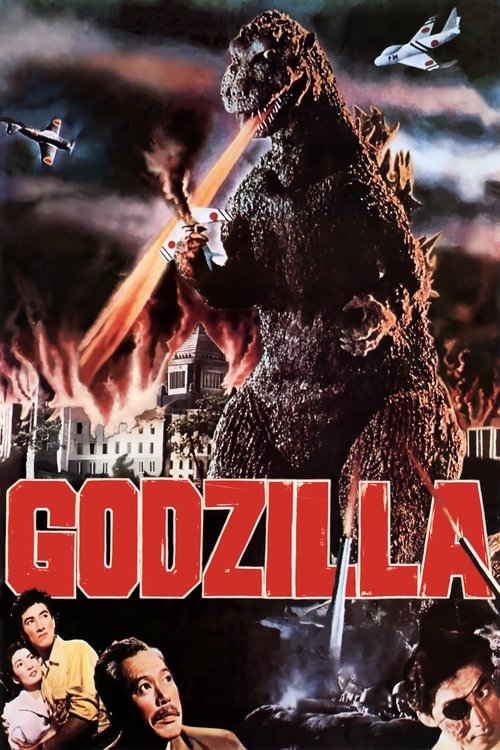
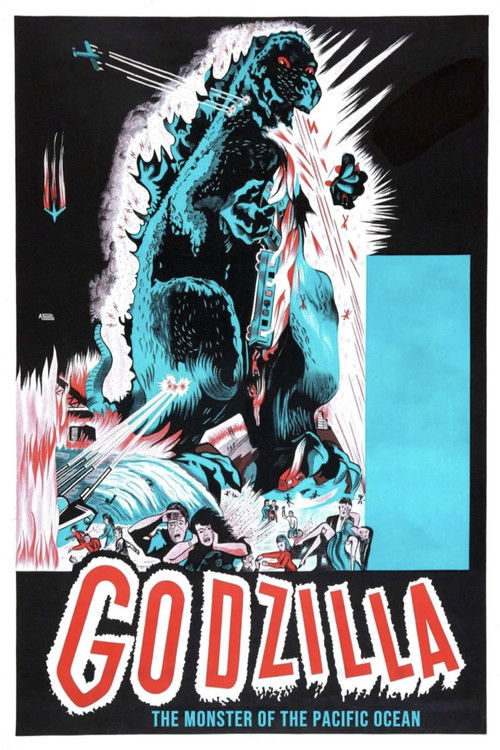
Japan is thrown into a panic after several ships are sunk near Odo Island. An expedition to the island led by Dr. Kyohei Yamane soon discover something far more devastating than imagined in the form of a 50 meter tall monster whom the natives call Gojira. Now the monster begins a rampage that threatens to destroy not only Japan, but the rest of the world as well.
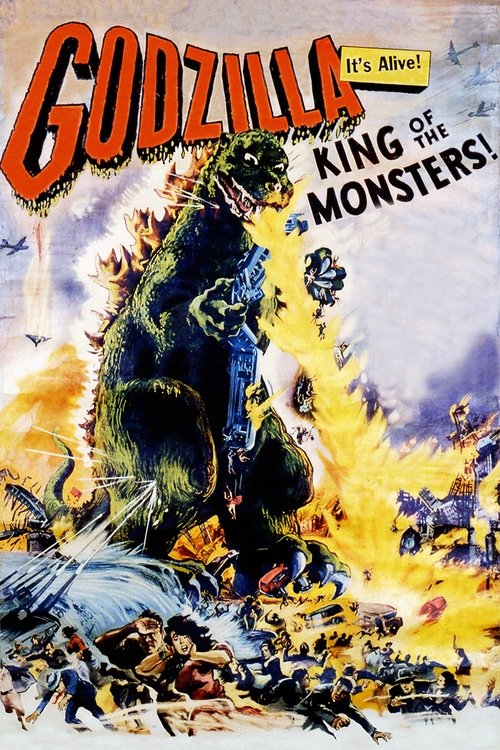
During an assignment, foreign correspondent Steve Martin spends a layover in Tokyo and is caught amid the rampage of an unstoppable prehistoric monster the Japanese call 'Godzilla'. The only hope for both Japan and the world lies on a secret weapon, which may prove more destructive than the monster itself.
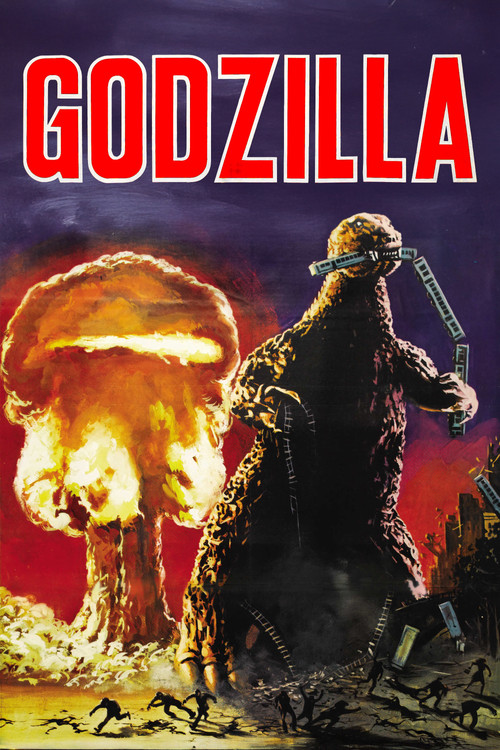
A re-edited Italian-language dubbed version of the original Godzilla, using as a basis the U.S. version, "Godzilla, King of the Monsters!" (1956), plus WWII newsreel footage and clips from other science fiction films. The re-edited film was then colorized via a process called "Spectrorama 70" consisting of applying various colored gels to the black and white footage. The film's opening and ending also features new music composed by musicians Fabio Frizzi, Franco Bixio, and Vince Tempera (under the pseudonym Magnetic System).
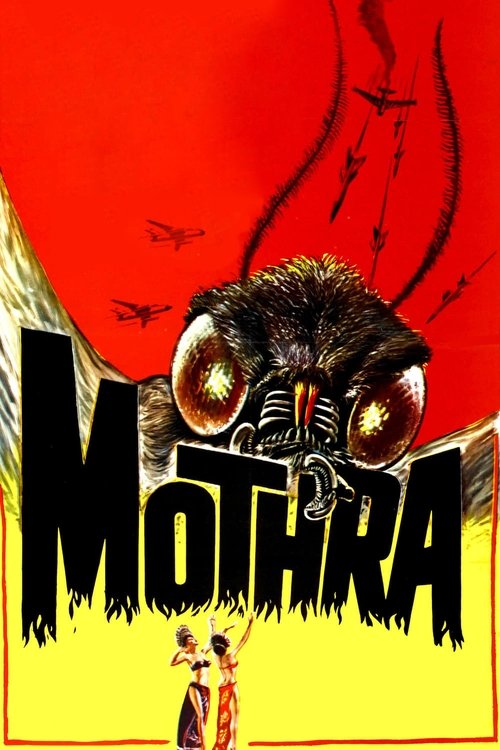
Shipwreck survivors found on the presumably uninhabited Infant Island leads to a scientific expedition that discovers a surviving native population along with the Shobijin, tiny twin fairy priestesses of the island's mythical deity called Mothra. After the fairies are kidnapped by an exploitative businessman named Clark Nelson, Mothra sets out to rescue them.
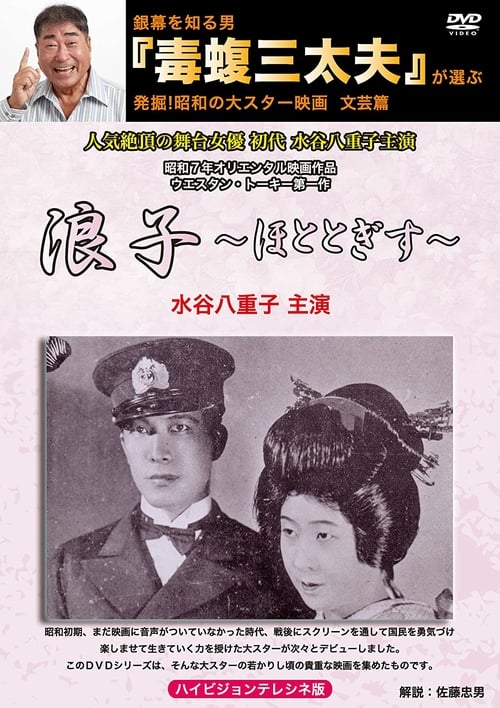
While returning by boat to Japan, Yoshie Fujiwara meets a rich woman who suggests him to become a singer thanks to an impresario friend of hers.
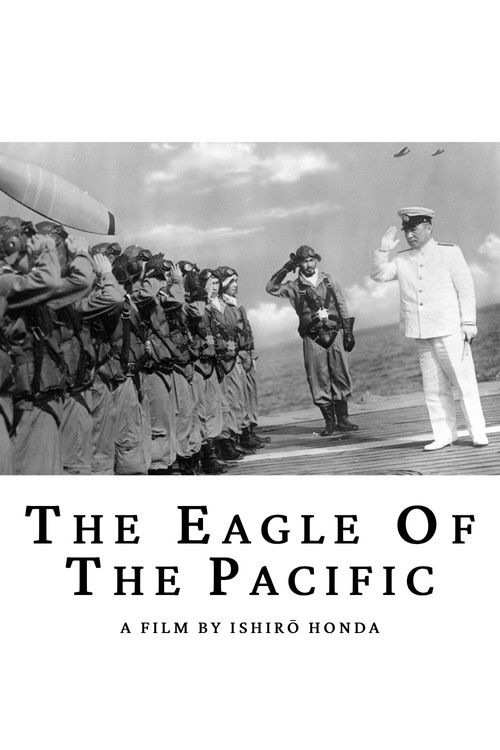
Admiral Isoroku Yamamoto, a brilliant tactician, is a loyal subject of the emperor, despite his grave misgivings about leading Japan's navy into war with the United States. He opposes the attack on Pearl Harbor, but, overruled, he leads his forces to the best of his ability.
Obscure French version of the original Godzilla. The film combines elements of the original Toho version and the American King of the Monsters! in a unique assemblage exclusive to the Francophone market. Released by Les Films du Verseau.
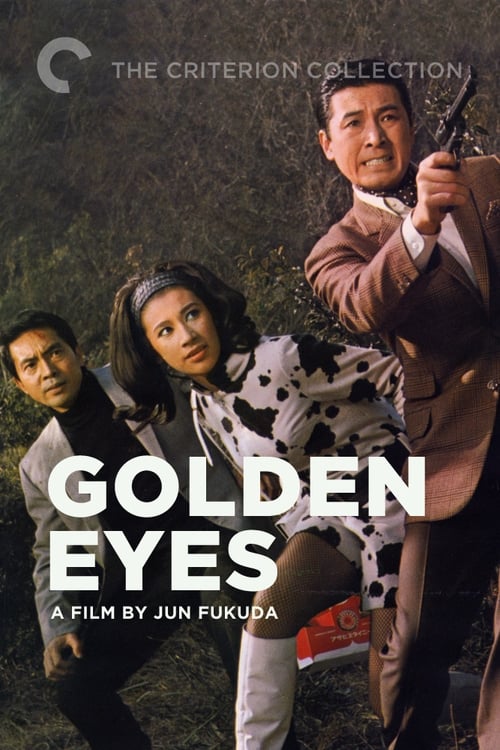
A killer-for-hire gets mixed up with a cast of wacky characters involved in a gold smuggling route from Beirut to Tokyo.
Ravana, while dancing with animals, kidnaps Sita from Rama, and returns to Lanka to hide as Lankapura burns.
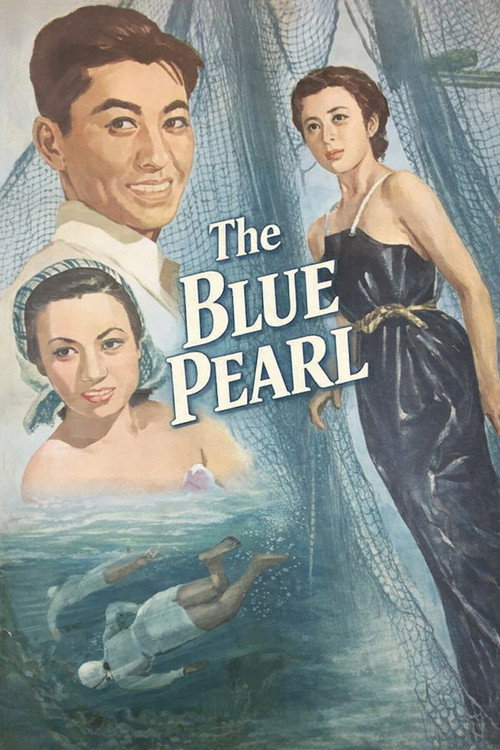
The Blue Pearl depicts the interplay between a young man from Tokyo and two ama (pearl divers; literally “women of the sea”) in a superstitious coastal town. Though raised within the same tradition-bound crucible, the two women – Noe and Riu – are portrayed as diametric opposites; the former meek but affectionate, the latter strong-willed but jaded by a tryst with metropolitan life.
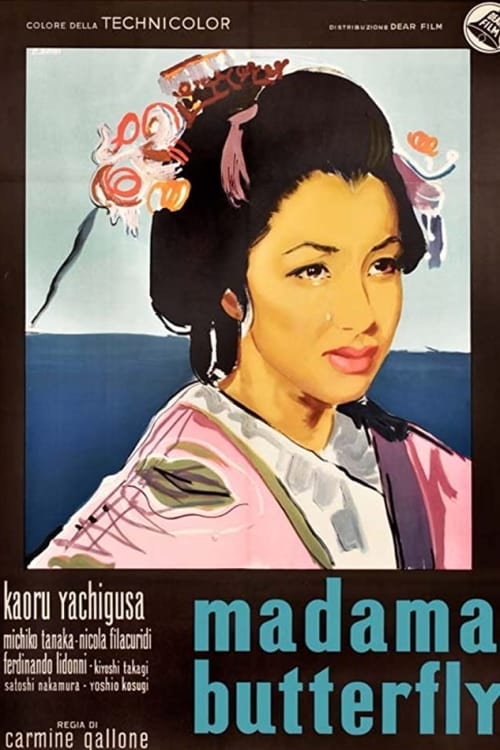
Japanese-Italian adaptation of Puccini's opera.
In 1930s Japan, a beer seller and a struggling music student fall in love while chasing their dreams.
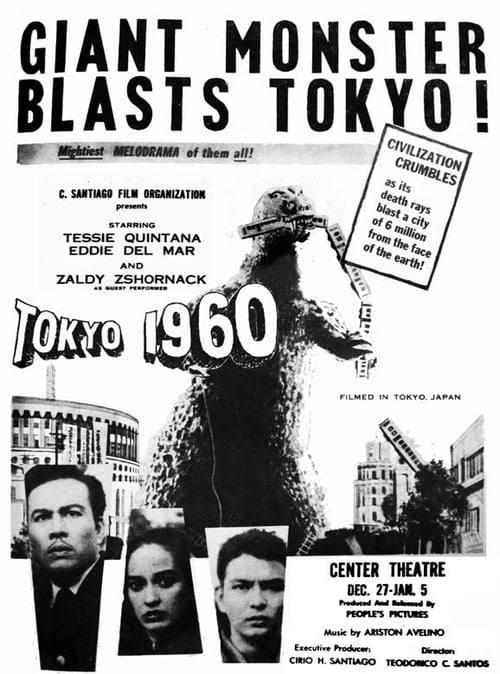
A Filipino re-edit of the original Godzilla. Appears to have been edited in a similar fashion to the American King of the Monsters!, with the use of Filipino actors. No footage of this version has ever surfaced.
An early Japanese sound film, notable for being the only Japanese film ever to use the Western Electric Sound System. Contrary to most Western sources that give sole directing credit to Eizo Tanaka, it was actually co-directed by six different directors, Tanaka, Kazue Kimura, Kazuo Takimura, Ryoji Mikami and Hidekuni Ouchi.