Acting
No description available.
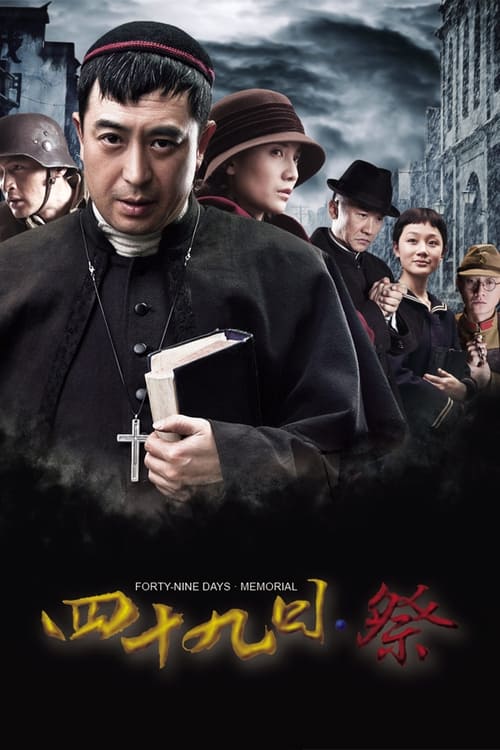
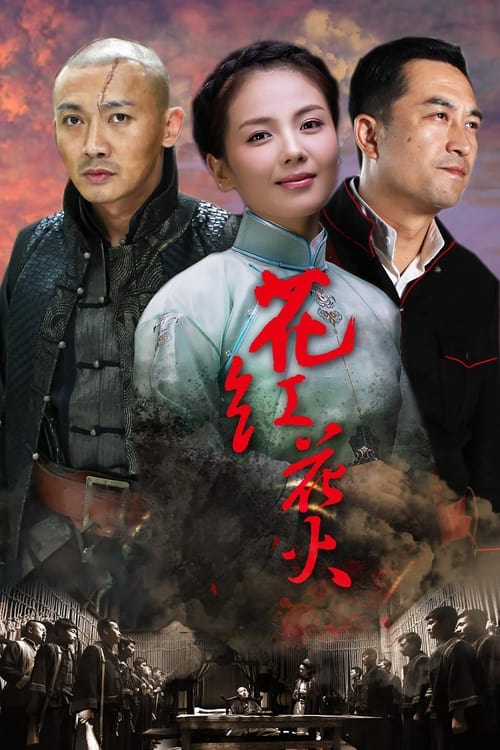
A television adaption of Zhang Yimou's 2011 film The Flowers of War. Apart from changes in character relationships and the storyline, there will also be additional plots outlining the events before and after the Nanking Massacre.
In his middle age, he is surrounded by many people. His fierce eldest daughter Ju Hua who is spoiled and stubborn, his non-blood-related second daughter Mei who is innocent and kind, his big brother Diao Da Jun who has wandered about for half a lifetime and finally, the kind-hearted Cai Su Fen who suddenly appears in his life.
SINGER, formerly known as I AM A SINGER, is a large-scale singing competition program co-produced by Hunan Broadcasting System (HBS) and Mango TV. The first four seasons were adapted from the Korean reality show I Am a Singer produced by MBC. Beginning with the 2017 season, the program was rebranded as SINGER. The series brings together established vocalists from the Chinese music industry as well as internationally renowned artists to compete on stage. In each episode, the results are determined by a panel of 500 in-studio audience judges who vote to decide the singers’ rankings and eliminations. Starting with the 2024 season, the show shifted from pre-recorded broadcasts to fully live performances and introduced an additional panel of 500 online international audience judges.
Go Ren is the adoptive father female winemakers deliberately lost roots Tian Tian tree only on behalf of the brother of the wedding, the wedding night, the bandits robbed Chen Tian three guns and took away the bride bonuses.
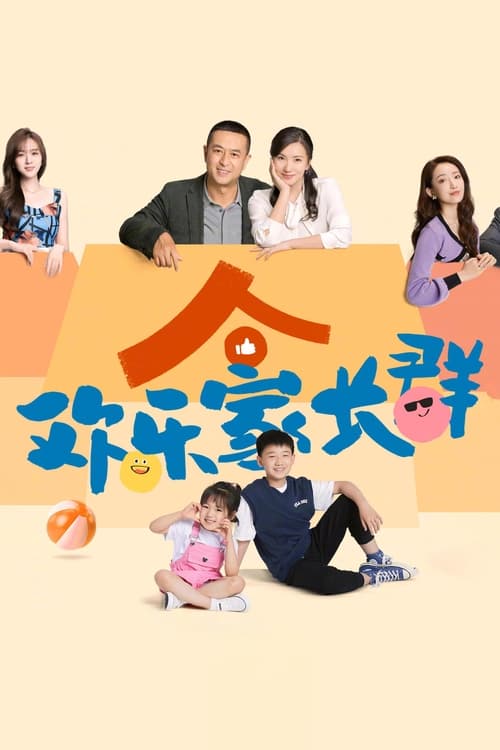
Screenwriter Liu Xiangshang has a relatively free schedule in his daily schedule. He is responsible for the education and care of his son Guoning and daughter Guobao at home, while his wife Dai Jing chooses to work in an out-of-town company with a higher salary.
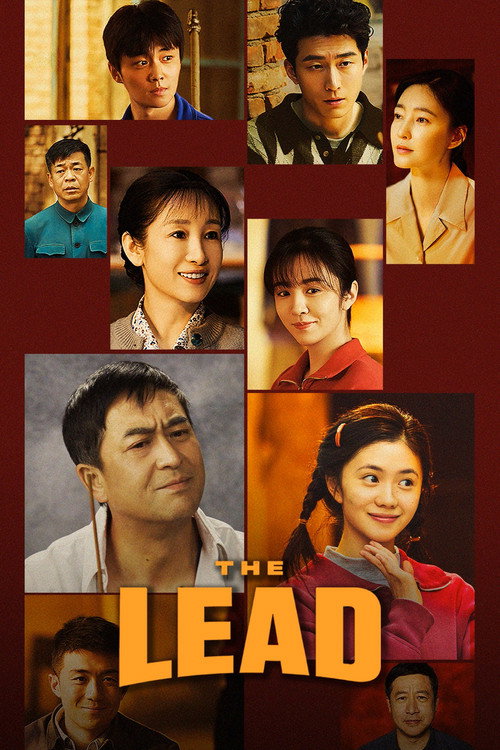
Yi Qin'e is taken to the cultural troupe by her uncle Hu Sanyuan to learn to sing Qinqiang Opera. From then on, her life unfolds with ups and downs. She achieves glorious artistic accomplishments, yet also experiences a profound sense of loneliness beyond ordinary people's comprehension.
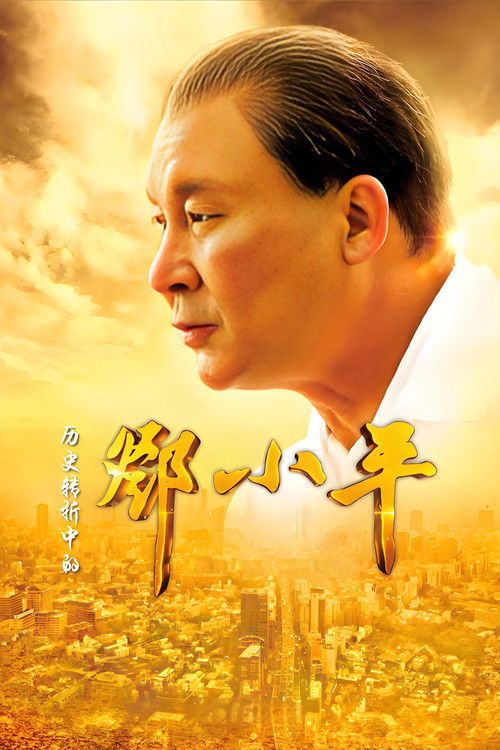
After Mao Zedong's death in 1976, Deng Xiaoping returns to power amid political turmoil. Facing divisions within the Communist Party, he leads crucial economic and defense reforms, steering China toward a hopeful future and laying the foundation for the country's revival.
Set in the eponymous White Deer Village in Shaanxi Province where the two most important families – Bai and Lu – and their sons have always lived together in peace. But the turmoil leads to a fierce struggle for land ownership. A young woman new to the village soon finds herself caught between the two camps. Director Liu Jin uses the story of these two families as a metaphor for the fate of the Chinese people as first Chinese war lords are overrun by Japanese invaders, then civil war follows hot on the heels of the Second World War and finally the victorious Maoists begin waving their red flags. The drama is based off the novel by Chen Zhong Shi.
In 1776, the 41st year of the reign of Qianlong (Ni Dahong), the court is in urgent need of money for war, and official Akezhan (Zhang Zhijian) is sent to Yangzhou to collect donations from wealthy salt merchants. Instead, Akezhan uncovers a massive case of corruption that shakes the very core of the nation. Fortunately, merchant Wang Chaozong (Zhang Jiayi) appears to help deliver funds to the frontline and propose reforms to combat corruption. The fallout of the salt corruption case, however, is far-reaching and far from over, touching off a deadly power struggle that plays out amid the danger and excitement of Qianlong's southern inspection tour.
In 1930s Shanghai, young Su Xian is raised by her single mother, Hui. A chance encounter with film company owner Boss Meng changes Su Xian's life, as he exploits her innocence and dreams of stardom, only to abandon her when war strikes, leaving her pregnant. Devasted, Hui dies in sorrow, and Su Xian's only hope is her daughter, Su Zhi. By the 1950s, Su Zhi has grown up and fallen in love with her classmate, Zou Jie, but their relationship faces obstacles due to their complicated family backgrounds.
A story that follows four households and how every family member braves the rains and basks under the sun in this journey called life.
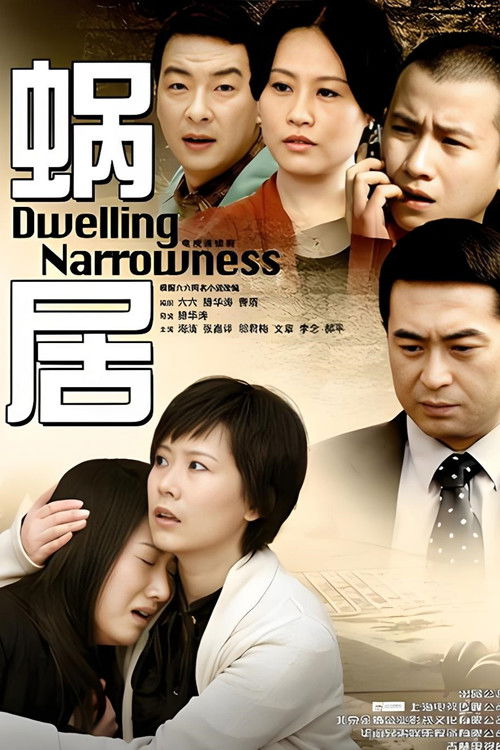
Dwelling Narrowness (Chinese: 蜗居; pinyin: Wōjū), also known literally as Snail House, was a 2009 television series broadcast in Mainland China, based on a 2007 novel of the same name. It depicts two sisters struggling with life in Jiangzhou, a fictional city that strongly resembles present-day Shanghai. The Chinese name is a figure of speech meaning "humble abode".
Yang Shu, a personal driver for businesswoman Tang Hong, faces challenges with his rebellious daughter, Yang Shumiao. Though Tang Hong loves him, their social differences prevent Yang Shu from accepting her. When he meets Gu Qingqing, a woman who resembles his late wife, he finds himself torn between the two women, sparking a series of emotional conflicts.
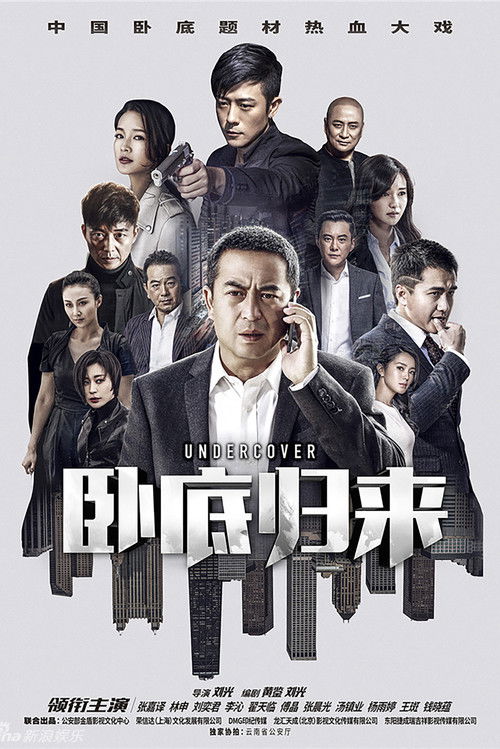
Police officer Bao Yu is working undercover as drug dealer Jin Fei's subordinate and is eventually able to work directly under powerful drug lord Tian Jing after befriending his daughter, Tang Guo. However, Bao Yu is not fighting the drug cartel alone - he also has a support network including fellow undercover colleague and romantic interest Guan Xiao Zhi, police chief Fang Qing Long and anti-narcotics team leader Lian Zhong.
Sent as a hostage, Lv Guichen befriends Ji Ye and Yu Ran, forming a strong bond that is complicated by growing feelings. As a powerful warlord manipulates the empire, the trio joins a pivotal battle, only to discover a larger conspiracy threatening the future of the land.
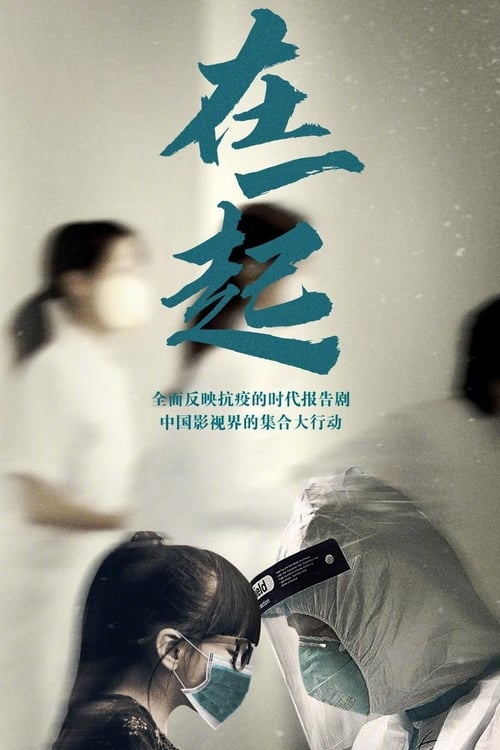
Based on real people and stories during the fight against the new coronavirus epidemic in mainland China.