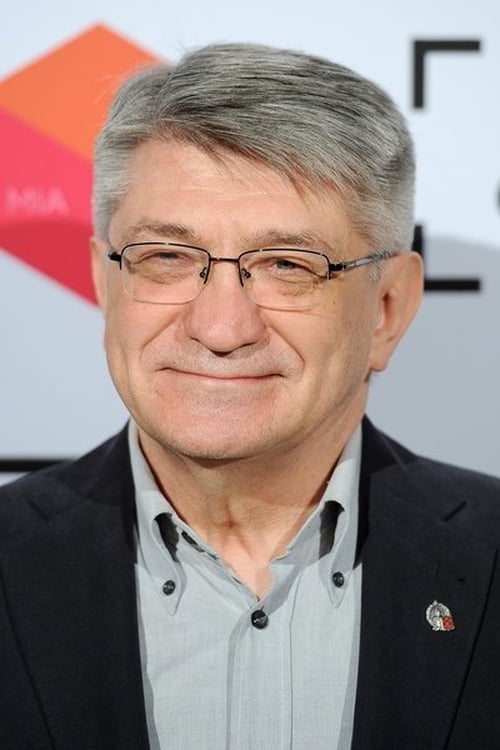
Aleksandr Sokurov
Directing
Biography
Aleksandr Sokurov (born June 14, 1951) is a Russian director of avant-garde and independent films that have won him international acclaim. Described as a heir to Tarkovsky, spare, gloomy and contemplative, he often blurs lines between image and world. His noticable trademark and style includes long, accurate shots of real painterly compositions, disorted field of view, zooms and use of wide angle lenses. Often plotless with emphasis on aesthetics and impressionism his films are noted for philosophical approach to history and nature. Sokurov underlines the importance of film, not to yield to the modern audience laziness, and to stay away from mere entertainment. His most significant works include a feature film, Russian Ark (2002), filmed in a single unedited shot, Mother and Son (1997) and Faust (2011), which was honoured with the Golden Lion, the highest prize for the best film at the Venice Film Festival.
Known For

A worldwide guided tour of the greatest movies ever made and the story of international cinema through the history of cinematic innovation.
The Story of Film: An Odyssey

A ghost and a French marquis wander through the Winter Palace in St Petersburg, encountering scenes from many different periods of its history.
Russian Ark

A doctor in early 19th-century Germany becomes infatuated with the sister of a man he unintentionally killed and bargains with the Devil incarnate to conjure their union in exchange for his soul.
Faust

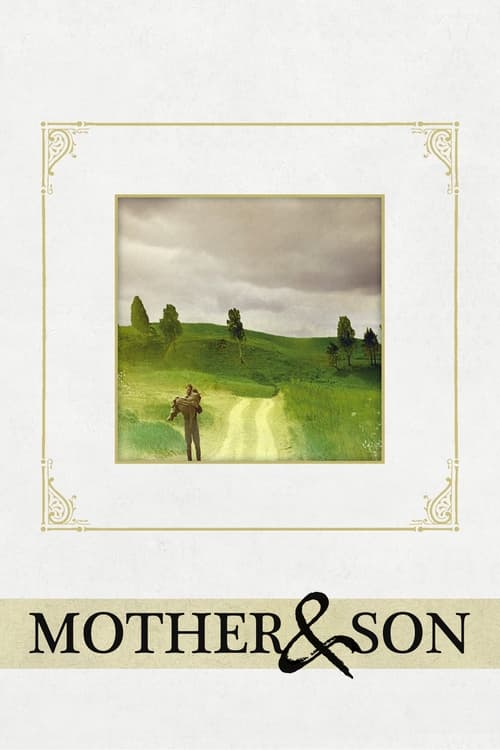
A man goes for a walk through the countryside with his dying mother.
Mother and Son

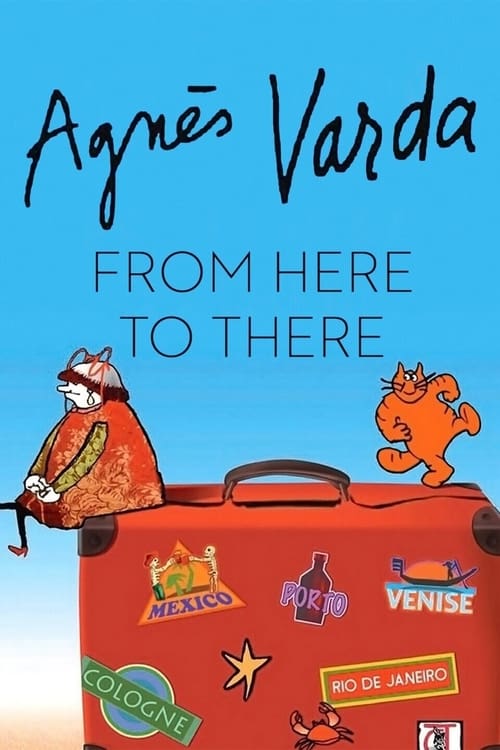
Agnès Varda takes us on a journey of discovery as she travels the globe—from Stockholm to St. Petersburg, Lisbon to Rio de Janeiro, Mexico City to Los Angeles—meeting with friends, artists, and fellow filmmakers.
Agnès Varda: From Here to There

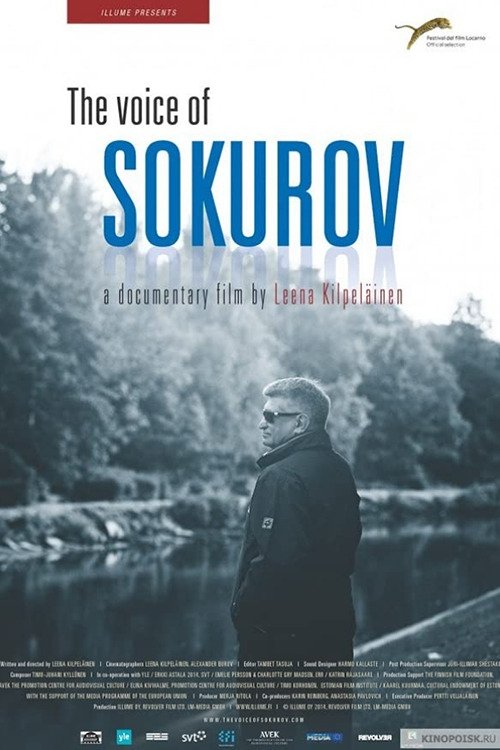
Five years in the making, based on six lengthy interviews filmed on six different locations in Saint Petersburg, we meet an outspoken artist who covers here his entire life and prolific career. The locations were Sokurov’s own favourites, where he felt at home.
Voice of Sokurov

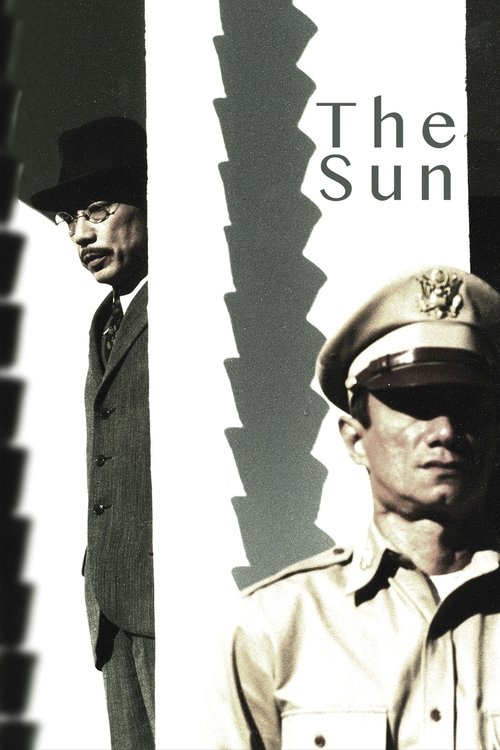
A re-imagination of Japanese Emperor Hirohito’s final days in power as WWII draws to a close.
The Sun
No description available.
Matussek trifft

Master filmmaker Alexander Sokurov (Russian Ark) transforms a portrait of the world-renowned museum into a magisterial, centuries-spanning reflection on the relation between art, culture and power.
Francofonia

A portrait of Naum Kleiman — film scholar, historian, and sage. In conversation with him, a vast cultural landscape unfolds, where Pushkin meets Godard, Sokurov, Dionysius, Eisenstein, Snyders, Glass, Ozu, and many others. Kleiman reveals the simplicity of mystery, and in doing so, reveals himself.
Naum. Predictions

In this dreamlike film, a nameless father and his son, Aleksei, live together in an apartment in St. Petersburg. Aleksei's mother has died and consequently the two have a very close relationship. When Aleksei acquires a girlfriend, she refuses to take a back seat to his bond with his dad, and breaks up with him. Aleksei is also experiencing nightmares, dreading separation from his father to be a part of the military as his father was.
Father and Son

Yekaterinburg, Russia, July 17th, 1917. Czar Nicholas II Romanov and his entire family are brutally murdered by the Bolsheviks. This tragic event puts an end to the long dynasty that had ruled the country with an iron hand since the coronation of Michael I Romanov in 1613.
The Romanovs: Glory and Fall of the Czars

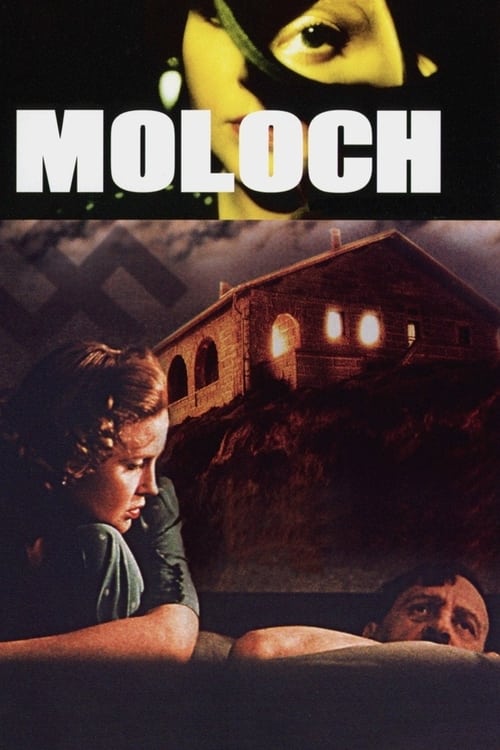
In 1942 Bavaria, Eva is alone, when Adolf arrives with Josef, his wife Magda, and Martin to spend a couple of days without politics.
Moloch

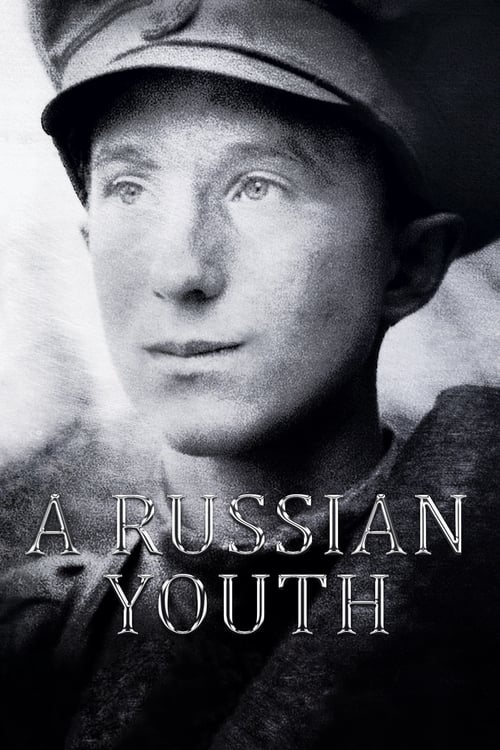
A teenage soldier in World War I—a simple village boy with a naive youthful dream of fame and medals—throws himself into the unknown and goes blind in the first battle, thus taking on a new job: intercepting enemy planes by listening to the air through huge metal funnels.
A Russian Youth

1945, an attack aviation regiment is based at the field airfield, which is served by a team of young girls. The last days of the war are coming... In one of the battles, Lieutenant Volynin’s attack aircraft, damaged by a shell fragment, landed in territory occupied by the Germans. Air gunner Shchepov carried the wounded commander out of the burning plane. With the help of the Polish teacher Anna, they managed to get to theirs. And everyday life at the front began again. A few days before the Victory, Dima Shchepov died. Volynin took the death of his friend seriously. But it was even harder for him to learn about the death of Anna, whom he loved and whom he promised to find after the war...
You Should Survive

1998, Nalchik. A Jewish family is in trouble: the youngest son and his bride do not come home, and in the morning, a ransom note arrives. The ransom is so high that the family is forced not only to sell its small business, but also to seek help from its fellow tribesmen.
Closeness

This bleak late soviet-era drama follows the career of Malyanov, a young medical school graduate who has been sent to work in Turkmenia. Here he runs into a hodge-podge of people of differing ethnicities, all of them victims of the government's earlier mania for relocating and eliminating whole ethnic groups and classes of people. These desperately unhappy people are unable to find any pleasure in this diverse companionship, but instead are antagonistic to it, and often resort to desperate measures in their doomed attempts to ease their pain.
Days of Eclipse

Unfolding over two days in 1924, the film depicts the dying Lenin, world revolutionary and father of the USSR, now powerless and isolated at his Gorki estate. Cared for by his wife, Nadezhda Krupskaia, sister Maniasha, his German doctor and several attendants, Lenin raves about his diminishing faculties, discusses the deaths of great figures (including Marx), rides a car to a picnic in a meadow and ponders his historic legacy.
Taurus

The story of VGIK teachers and students about the acting profession.
VGIK: Teachers and Students Talk About the Profession

A 1988 documentary film directed by Alexander Sokurov, about the later life and death of Soviet Russian filmmaker Andrei Tarkovsky. The film was originally intended to mark the 50th birthday of Tarkovsky in 1982, which would have been before his death. Controversy with Soviet authorities about the film's style and content led to significant delays in the production.