Acting
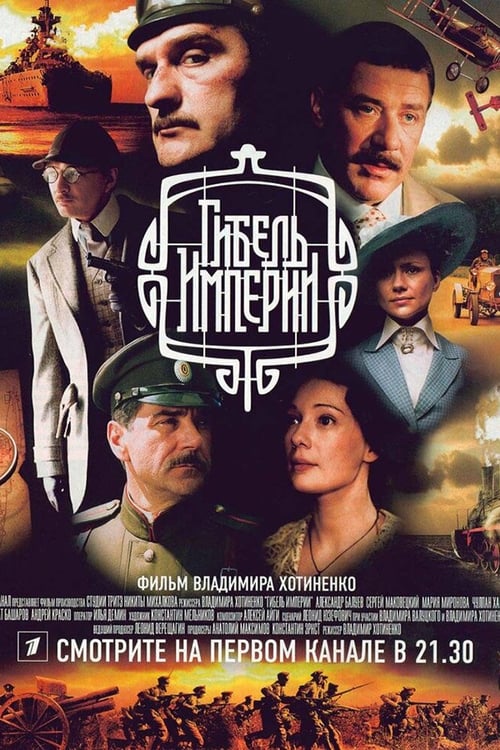
Russian Empire. The second decade of the twentieth century. As a result of the conflict between the Entente and the bloc of the Central Powers led by Germany, which erupted in August 1914, Russia is drawn into the First World War. A wave of unrest is rolling through the country. Revolutionary moods are increasing every day. Counterintelligence is trying with all its might to suppress the activity of German spies active in the territory of the country ...
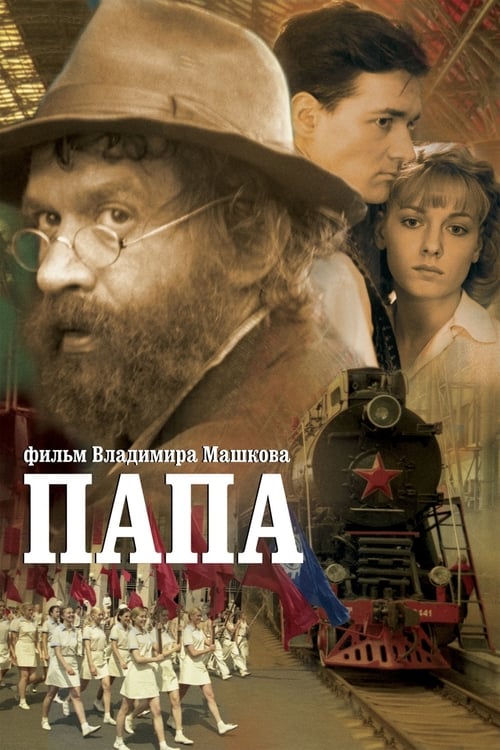
Based on A. Galych's play "Matrosskaya Tishina", "Papa" tells a story of a Jewish father who dreamed of seeing his son perform on a stage in front of huge audiences, he dreamed of seeing him as the greatest violinist of his time. To achieve the goal he taught his son Dodik how to play the violin from the yearly age. When Dodik grew up he left the small town he and his father lived in to study in the Moscow Conservatory leaving his past behind. But one day he has to choose either to loose his father or everything he has achieved.
A ghost and a French marquis wander through the Winter Palace in St Petersburg, encountering scenes from many different periods of its history.
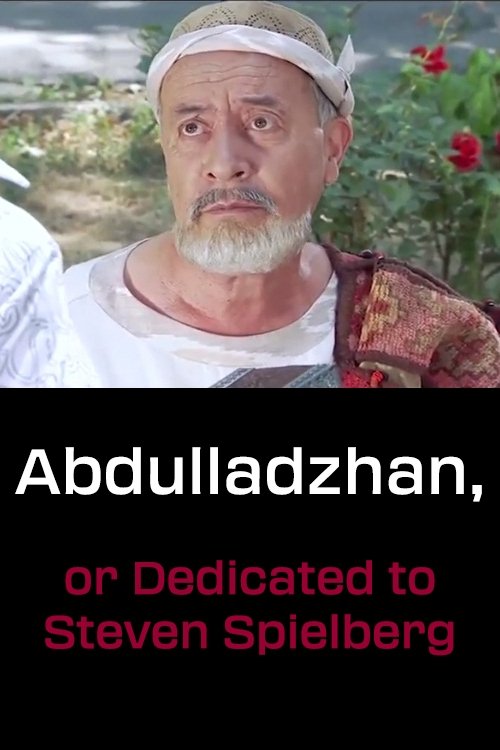
Considering that Musakov’s Abdulladzhan (1991) was dedicated to Steven Spielberg, we might suggest that these four boys embody nothing more complicated than a conflict of youthful innocence with some ominous threat—the basic workings of E.T. (1982) or War of the Worlds (2005), say. That threat, however, is best understood not through vague nationalism or warmed-over socialism, but through the other reference-point of Abdulladzhan—Tarkovskii’s Stalker (1980). Musakov leaves his boys in a simplified radiance so bright and so overexposed that it no longer looks like the skies of sunny Tashkent, but a disturbing, borderless luminosity to match the flat tonal range of Stalker’s “Zone.” Our Uzbek boys are nowhere in particular; this is a broader domain than anything international.
Lithuanian schoolchildren were driving home, returning from an excursion. Not far from Minsk, the bus came under bombing. The war caught the boys far from home, by surprise. A turn in their destinies, knowledge of the harshest sides of existence... And the heroes are only thirteen years old.
After graduating from school, Seva Losev gets a job at a chemical plant. A lyrical film about the first experiences of independent life and first love.
An experimental drama about a boy and his illness, a wife looking for a site for her husband’s construction company and a beautiful girl who works on a phone sex-line.
Instead of preparing for entering university a young man Tomash mocks at people calling random phone numbers. Especially he bothers old professor of botany Edward Cockerel with one and the same joke all the time. They both got used to these calls at 3pm so much that they are eagerly awaiting them. Meanwhile the Nazis occupy Czechoslovakia.
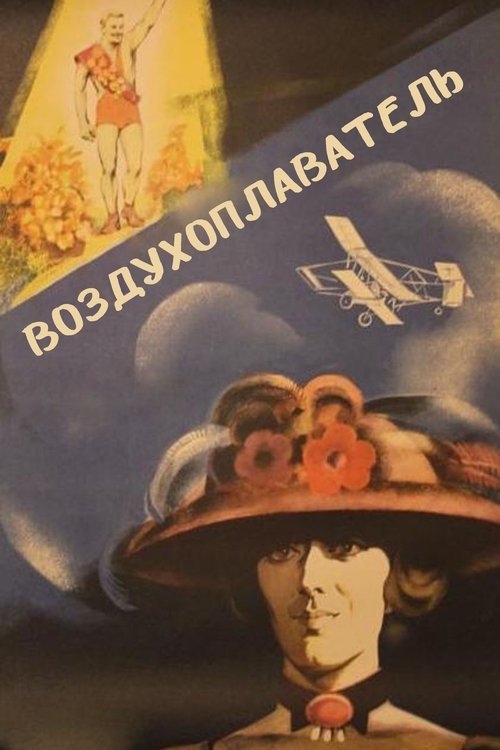
A story about the famous Russian weightlifter Ivan Zaikin, who left the circus arena at the peak of his fame to dedicate himself to the art of aviation.
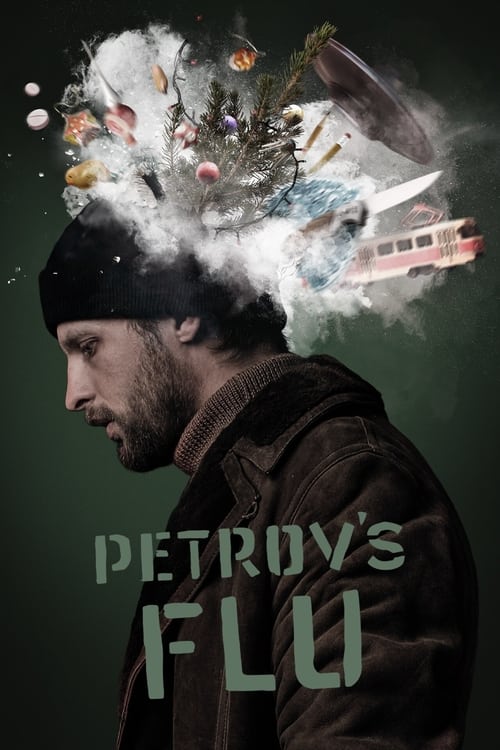
With the city in the throes of a flu epidemic, the Petrov family struggles through yet another day in a country where the past is never past, the present is a booze-fueled, icy fever dream of violence and tenderness, and where – beneath layers of the ordinary – things turn out to be extraordinary.
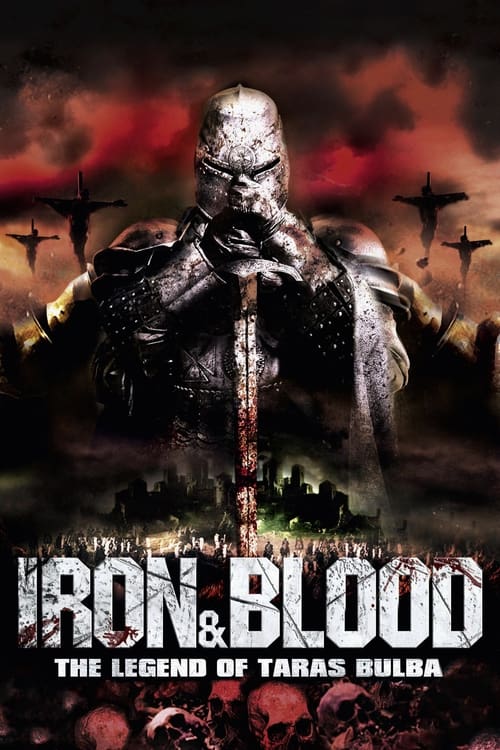
Set in the 16th century, this is a story about Ukraine's Cossack warriors and their campaign to defend their lands from the advancing Polish armies.
No description available.
Unsuccessful actor Ivan Lipatov gets a chance to play the most difficult role in his life - the role of a real person who has a family, a job and a lot of problems, the solution of which depends on the safety of a large number of people.
An almost unknown girl Frida accompanied Aleksandr Volodin to the front. When he returned, he married her. A sense of duty and gratitude bound them, but this did not prevent him from continuing to search for a female ideal... The name of the poet and playwright Aleksandr Volodin is familiar to everyone who loves russian cinema and theater. The films Elder Sister, Five Evenings, The Magician, Autumn Marathon, the famous performances of the Tovstonogov's BDT and Efremov's Sovremennik, staged according to his plays, were remembered for their unique intonation, the soft, not at all edifying voice of a person who knows something about life that we pass by without noticing. Most of Volodin's works are autobiographical, he writes about his generation, about the generation "scorched by war".
Based on the play of the same name by Boris Rymar.
A semi-fictional account of the life of Russian poet Joseph Brodsky, who was forced into American exile in 1972.
Based on the play by J. Smetanova.
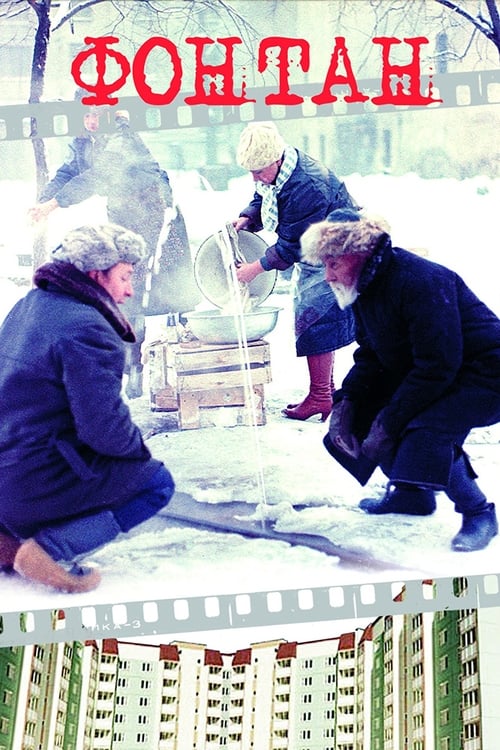
A story of a Moscow's apartment building that is slowly falling apart, literally. First, the hot water has been cut off by an old man from Asia, who could not stand it being wasted. Then the roof is starting to collapse. Finally, the electricity has been cut off. All the tenants of the building, no matter how different they were, find themselves in the same situation.
Based on the short story of the same name by B. Lavrenev. The drama is about a boy, a boiler cleaner, stuck in the pipe of a steamer. And about the people who, despite all circumstances, have to deliver urgent freight...
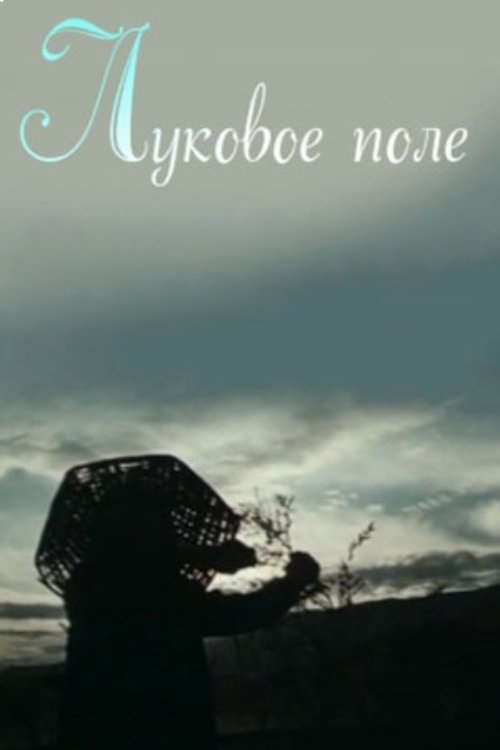
The action takes place in a small Korean village in Tajikistan, where fate has thrown Pavel, a Muscovite who has long lost touch with his family and past life, after long wanderings. Fate brings the hero together with an amazing woman of Any kind. In addition to the hard daily work in the onion field, she takes care of her sick husband and does not scold fate. Life has not embittered her, and everything that happens next to her makes sense and harbors hope for the best.