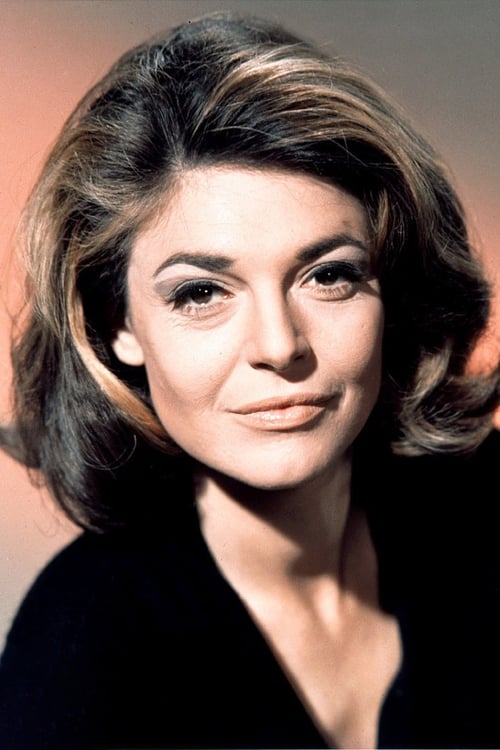
Anne Bancroft
Acting
Biography
Anne Bancroft (born Anna Maria Louisa Italiano; September 17, 1931 – June 6, 2005) was an American actress. Respected for her acting prowess and versatility, Bancroft received an Academy Award, three BAFTA Awards, two Golden Globe Awards, two Tony Awards, two Primetime Emmy Awards, and a Cannes Film Festival Award. She is one of only 24 thespians to achieve the Triple Crown of Acting. Bancroft was born Anna Maria Louisa (or Luisa) Italiano on September 17, 1931, in the Bronx, New York City, the middle of three daughters of Mildred (née Di Napoli), a telephone operator, and Michael G. Italiano, a dress pattern maker. Both of her parents' surnames were toponymic. Her parents were Italian immigrants from Southern Italy. In an interview, she stated that her family was originally from Muro Lucano, in the province of Potenza. She was raised in the Roman Catholic faith. Bancroft was raised in Little Italy, in the Belmont neighborhood of the Bronx, attended P.S. 12, later moving to 1580 Zerega Ave. Bancroft's Broadway debut in the two-character drama Two for the Seesaw (1958), brought her wide recognition for the depth of her talent and garnered her a Tony Award for best supporting actress. She won the Academy Award for Best Actress for her performance as Annie Sullivan in The Miracle Worker (1962), and was nominated for an Academy Award for Best Actress for her performance as Mrs. Robinson in The Graduate (1967). Bancroft continued to have a successful career in film and television. She starred in a number of other films, including The Elephant Man (1980), 84 Charing Cross Road (1987), and Agnes of God (1985), for which she was nominated for an Academy Award for Best Actress. Bancroft was married to director Mel Brooks from 1964 until her death in 2005. They had one son, Max Brooks.
Known For

Set in Springfield, the average American town, the show focuses on the antics and everyday adventures of the Simpson family; Homer, Marge, Bart, Lisa and Maggie, as well as a virtual cast of thousands. Since the beginning, the series has been a pop culture icon, attracting hundreds of celebrities to guest star. The show has also made name for itself in its fearless satirical take on politics, media and American life in general.
The Simpsons

The off-kilter, unscripted comic vision of Larry David, who plays himself in a parallel universe in which he can't seem to do anything right, and, by his standards, neither can anyone else.
Curb Your Enthusiasm

The best in the performing arts from across America and around the world including a diverse programming portfolio of classical music, opera, popular song, musical theater, dance, drama, and performance documentaries.
Great Performances
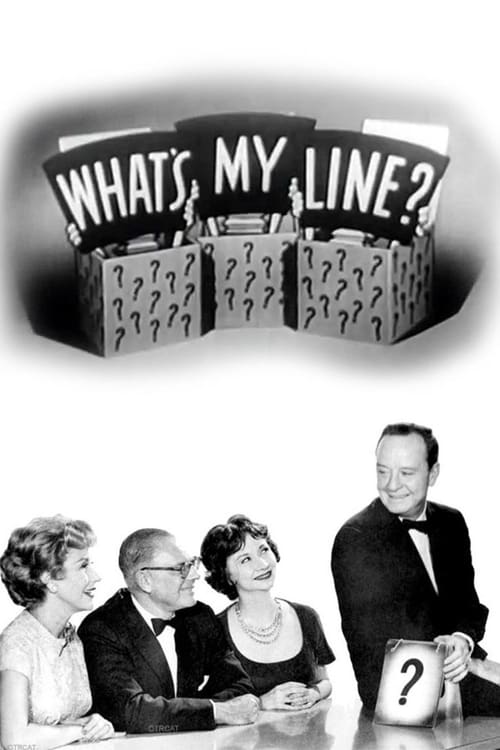
Four panelists must determine guests' occupations - and, in the case of famous guests, while blindfolded, their identity - by asking only "yes" or "no" questions.
What's My Line?
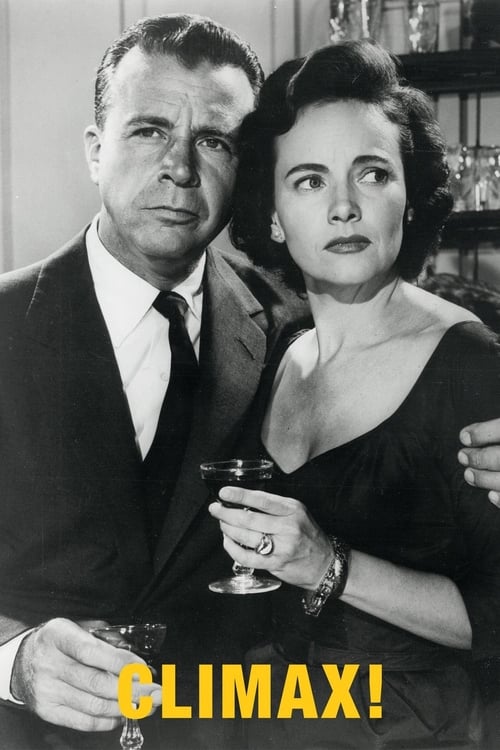
Climax! is an American anthology series that aired on CBS from 1954 to 1958. The series was hosted by William Lundigan and later co-hosted by Mary Costa. It was one of the few CBS programs of that era to be broadcast in color. Many of the episodes were performed and broadcast live.
Climax!

The Antoinette Perry Award for Excellence in Theatre, more commonly known as a Tony Award, recognizes achievement in live Broadway theatre. The awards are presented by the American Theatre Wing and The Broadway League at an annual ceremony in New York City. The awards are given for Broadway productions and performances, and an award is given for regional theatre.
Tony Awards
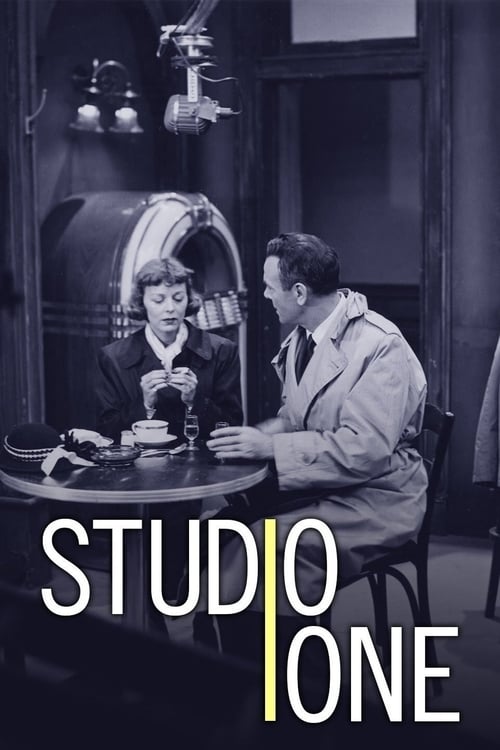
An American radio–television anthology series, created in 1947 by Canadian director Fletcher Markle, who came to CBS from the CBC. Studio One, presented by Westinghouse, was one of the first of the anthology TV programs. The episodes were often abridged remakes of movies from years gone by and many future well-known television and movie actors appeared in the productions.
Studio One
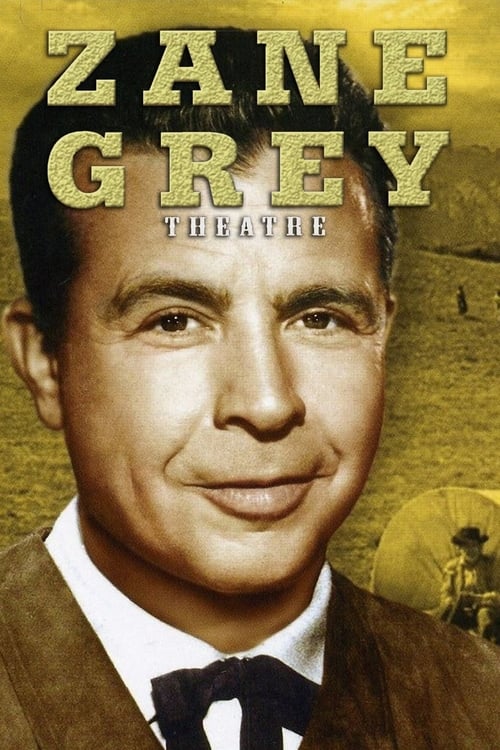
Dick Powell's Zane Grey Theatre, sometimes simply called Zane Grey Theatre, is an American Western anthology series which ran on CBS from 1956 to 1961.
Dick Powell's Zane Grey Theatre

An annual American awards ceremony honoring cinematic achievements in the film industry. The various category winners are awarded a copy of a statuette, officially the Academy Award of Merit, that is better known by its nickname Oscar.
The Oscars
Tonight Starring Jack Paar is an American talk show hosted by Jack Paar under The Tonight Show franchise from 1957 to 1962. It originally aired during late-night. During most of its run it was broadcast from Studio 6B inside the RCA Building. The same studio would also host early episodes of The Tonight Show Starring Johnny Carson, and Late Night with Jimmy Fallon. Its theme song was an instrumental version of "Everything's Coming Up Roses", and the closing theme was "So Until I See You" by Al Lerner.
Tonight Starring Jack Paar

An Audience with... is a British entertainment television show produced by London Weekend Television, in which a host, usually a singer or comedian, performs for an invited audience of celebrity guests, interspersed with questions from the audience, in a light hearted revue/tribute style.
An Audience with...

An anthology series adapted from the radio program of the same name. Like the radio program, many scripts were adaptations of literary classics by well-known authors. Classic authors such as Edgar Allan Poe, Agatha Christie, and Charles Dickens all had stories adapted for the series, while contemporary authors such as Roald Dahl and Gore Vidal also contributed.
Suspense
An anthology series of various plays and dramatic performances.
Performance
Lux Video Theatre is an American anthology series that was produced from 1950 until 1959. The series presented both comedy and drama in original teleplays, as well as abridged adaptations of films and plays.
Lux Video Theatre
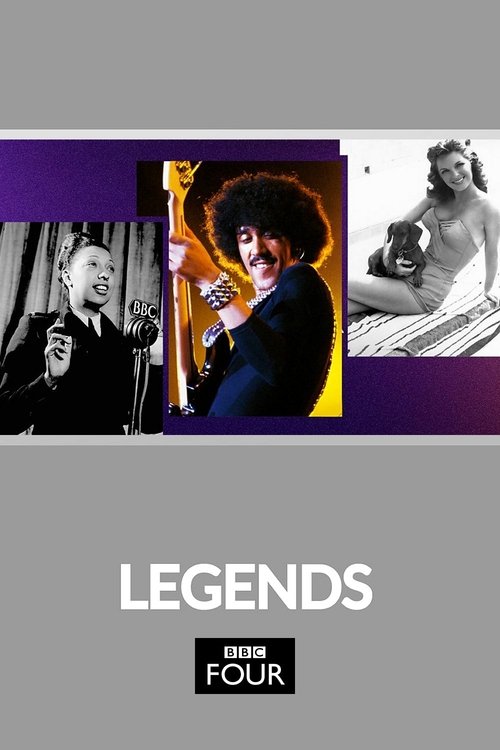
The story of the big names that have shaped the musical genres, plus an occasional stopgap for the new rock 'n' roll - comedy.
Legends

Dramatizes the Birth, Life, Ministry, Crucifixion, and Resurrection of Jesus Christ, largely according to the Holy Bible's New Testament Gospels.
Jesus of Nazareth
ABC Stage 67 is the umbrella title for a series of 26 weekly shows that included dramas, variety shows, documentaries, and original musicals. It premiered on American Broadcasting Company on September 14, 1966 with Murray Schisgal's The Love Song of Barney Kempinksi, directed by Stanley Prager and starring Alan Arkin as a man enjoying the sights and sounds of New York City in his last remaining hours of bachelorhood. Arkin was nominated for an Emmy Award for Outstanding Single Performance By An Actor in a Leading Role in a Drama and the program was nominated as Outstanding Dramatic Program. Future programs included appearances by Petula Clark, Bobby Darin, Sir Laurence Olivier, Albert Finney, Peter Sellers, David Frost, and Jack Paar. ABC's effort to bring culture to the masses was a noble but unsuccessful experiment. Scheduled first against I Spy on Wednesdays and then The Dean Martin Show on Thursdays, the show consistently received low ratings. Its last production, an adaptation of Jean Cocteau's one-woman play The Human Voice starring Ingrid Bergman, aired on May 4, 1967. "Stage 67" was not actually a part of the primary ABC facilities in Los Angeles. It was produced at the old Monogram Studios backlot that was later sold to KCET.
ABC Stage 67
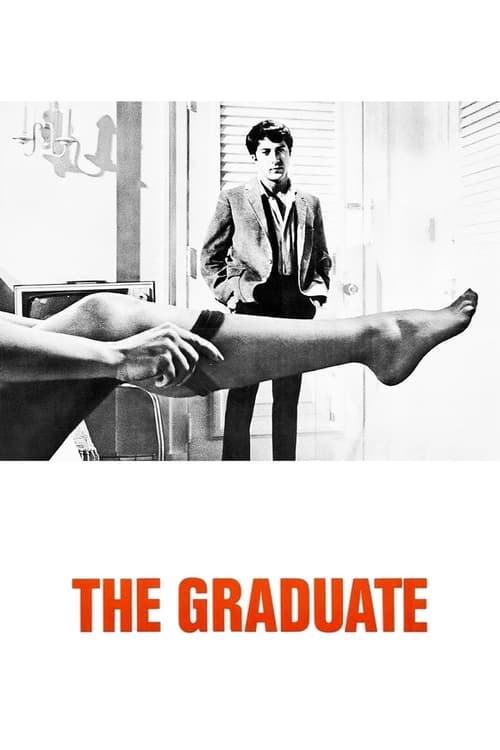
A disillusioned college graduate finds himself torn between his older lover and her daughter.
The Graduate
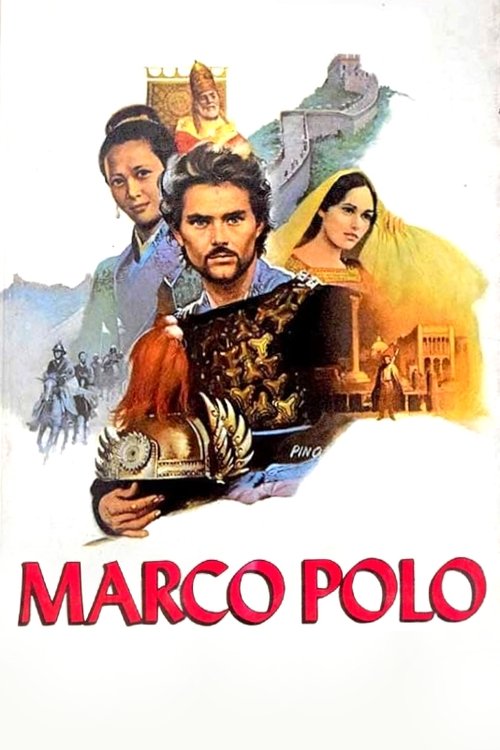
The life of the 13th-century Venetian explorer who sought to connect the civilizations of China and Europe through trade.
Marco Polo

A neurotic worker ant in love with a rebellious princess rises to unlikely stardom when he switches places with a soldier. Signing up to march in a parade, he ends up under the command of a bloodthirsty general. But he's actually been enlisted to fight against a termite army.