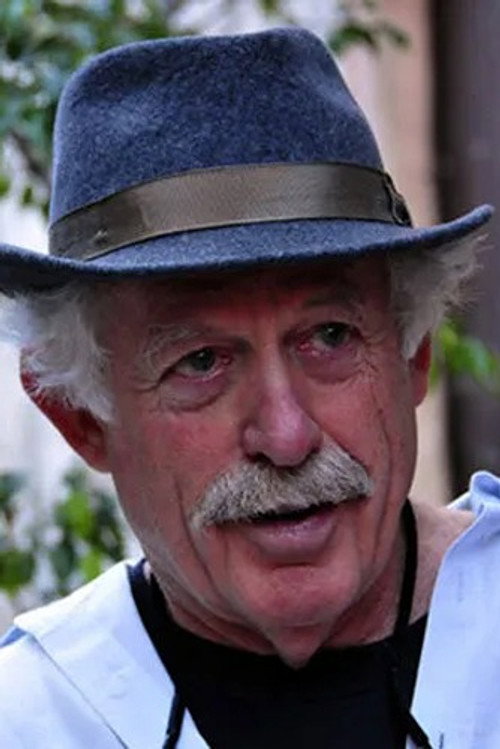
Eugene Corr
Directing
Known For
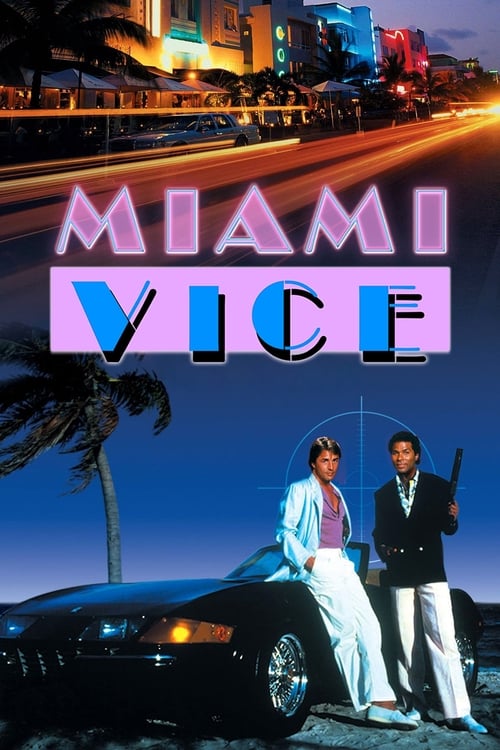
The story of the Miami Police Department's vice squad and its efforts to end drug trafficking and prostitution, centered on the unlikely partnership of Sonny Crockett and Ricardo Tubbs - who first meet when Tubbs is undercover in a drug cartel.
Miami Vice
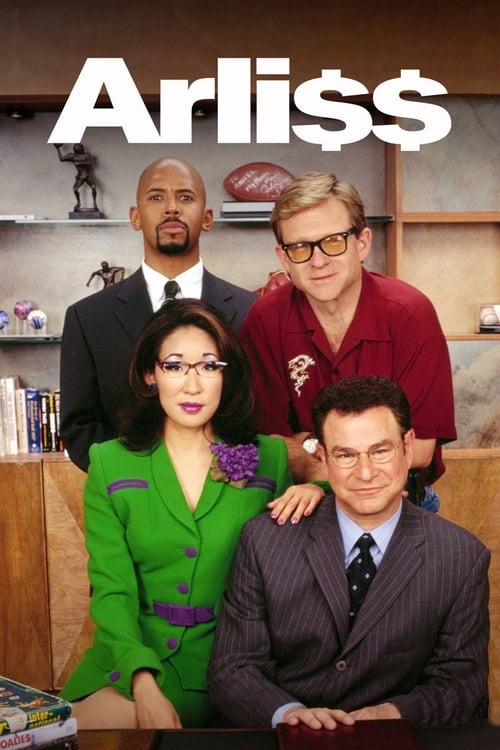
A behind-the-scenes look at the glitzy, big-money world of professional sports following the eternally optimistic and endlessly resourceful L.A. sports agent Arliss Michaels whose Achilles' heel is his inability to say “no” to clients and employees.
Arli$$
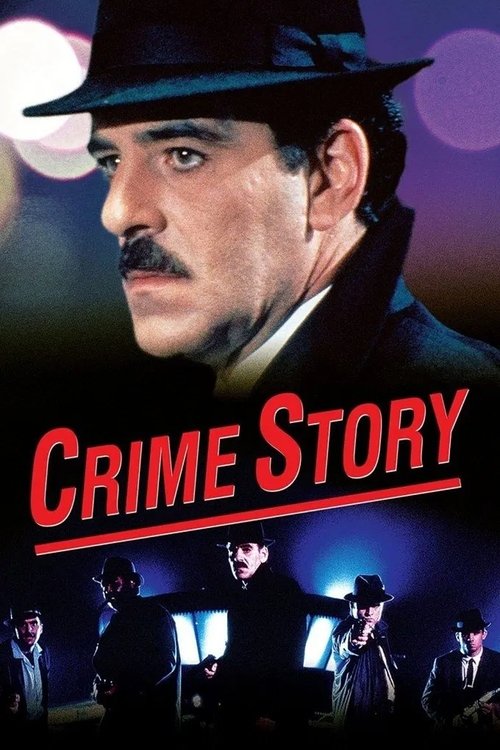
The hard-boiled saga of hair-trigger cop Lieutenant Mike Torello and his obsessive pursuit of ruthless gangster Ray Luca.
Crime Story
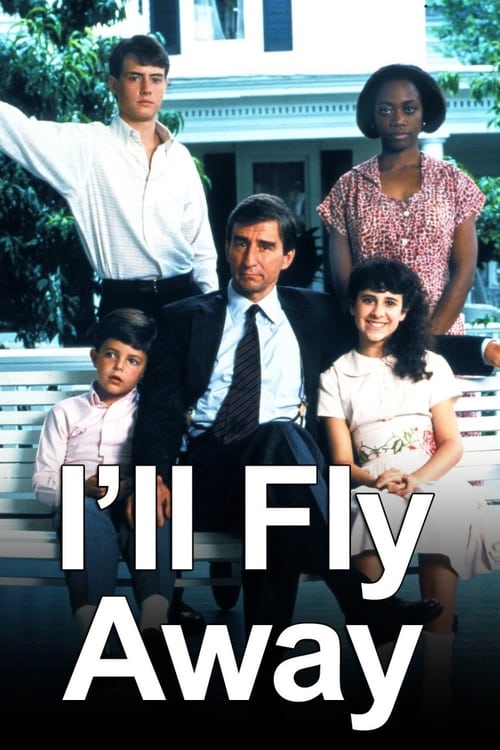
I'll Fly Away is an American drama television series set during the late 1950s and early 1960s, in an unspecified Southern U.S. state. It aired on NBC from 1991 to 1993 and starred Regina Taylor as Lilly Harper, a black housekeeper for the family of district attorney Forrest Bedford, whose name is an ironic reference to Nathan Bedford Forrest, the founder of the Ku Klux Klan. As the show progressed, Lilly became increasingly involved in the Civil Rights Movement, with events eventually drawing in Forrest as well. I'll Fly Away won two 1992 Emmy Awards, and 23 nominations in total. It won three Humanitas Prizes, two Golden Globe Awards, two NAACP Image Awards for Outstanding Drama Series, and a Peabody Award. However, the series was never a ratings blockbuster, and it was canceled by NBC in 1993, despite widespread protests by critics and viewer organizations. After the program's cancellation, a two-hour movie, I'll Fly Away: Then and Now, was produced, in order to resolve dangling storylines from Season 2, and provide the series with a true finale. The movie aired on October 11, 1993 on PBS. Its major storyline closely paralleled the true story of the 1955 murder of Emmett Till in Money, Mississippi. Thereafter, PBS began airing repeats of the original episodes, ceasing after one complete showing of the entire series.
I'll Fly Away
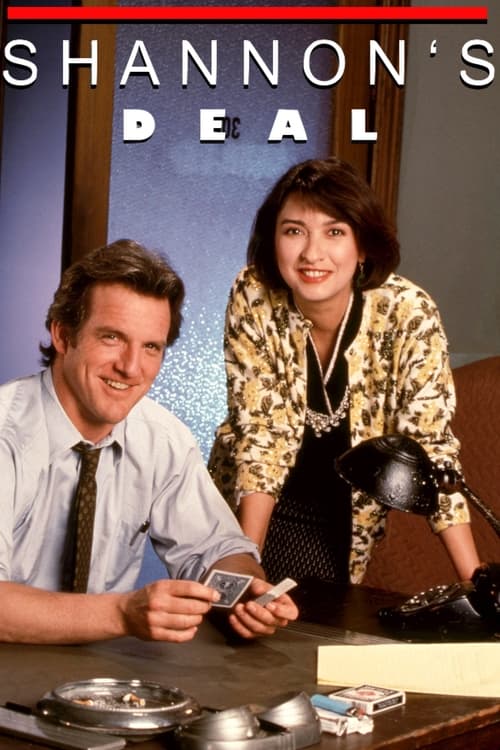
Shannon's Deal is an American legal drama. The show centers on a successful Philadelphia corporate lawyer named Jack Shannon, who lost his family and his job to a compulsive gambling habit. The saga of Shannon, who leaves a prestigious law firm after years of becoming unhappy with the legal system and being forced to take his clients to court, and whom subsequently opens his own low-rent practice
Shannon's Deal
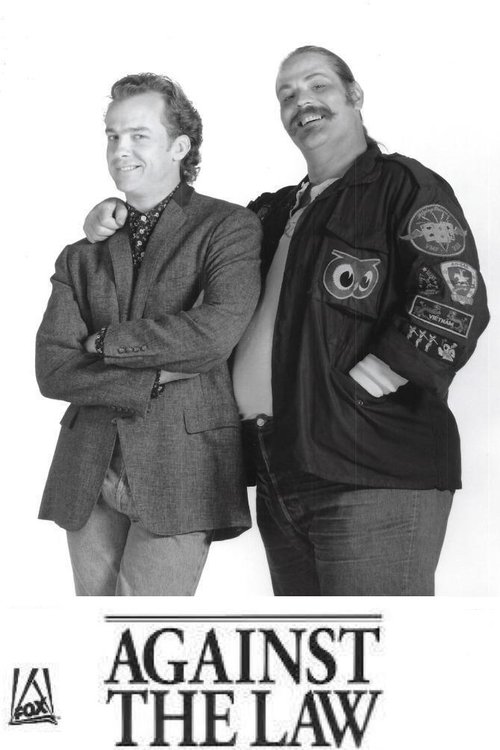
Against the Law is an American dramedy television series that aired on the Fox network from September 23, 1990 to April 5, 1991. Starring Michael O'Keefe and Suzzanne Douglas, the 17 hour-long episodes centered on the brash Boston lawyer, Simon MacHeath, who left his job at a prestigious law firm to start his own defense practice.
Against the Law
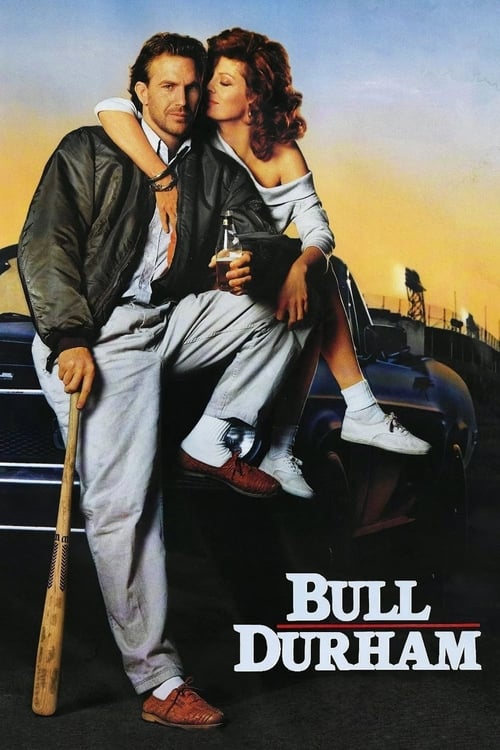
Veteran catcher Crash Davis is brought to the minor league Durham Bulls to help their up and coming pitching prospect, "Nuke" Laloosh. Their relationship gets off to a rocky start and is further complicated when baseball groupie Annie Savoy sets her sights on the two men.
Bull Durham
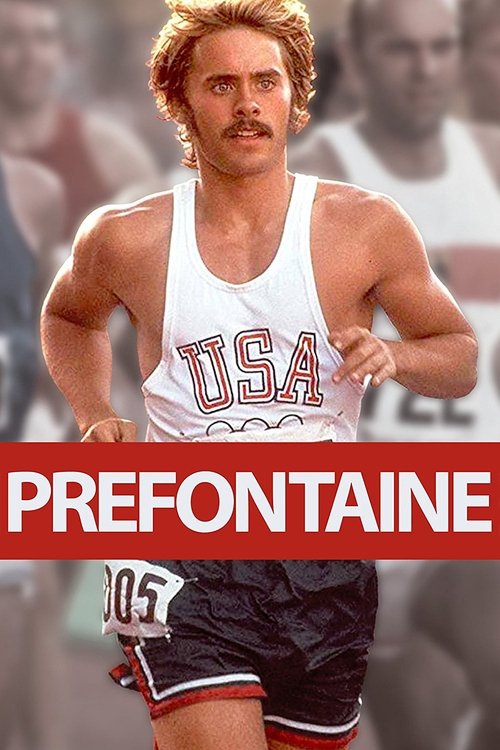
It's the true-life story of legendary track star Steve Prefontaine, the exciting and sometimes controversial "James Dean of Track," whose spirit captured the heart of the nation! Cocky, charismatic, and tough, "Pre" was a running rebel who defied rules, pushed limits ... and smashed records ...
Prefontaine
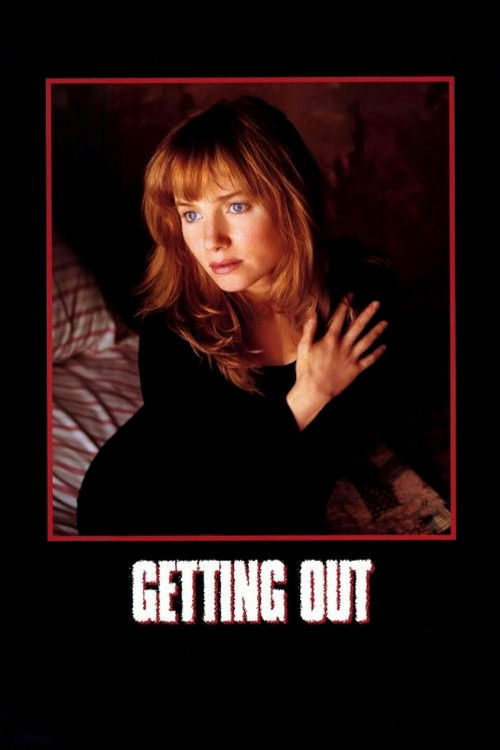
Breaking out of prison with a child in her womb and a dream of a normal existence, Arlene Holsclaw (Rebecca De Mornay) resolves to get a job and lead a good, Christian life. But the ghosts from her past -- including an ex-boyfriend (Rob Knepper) who wants to pimp her out and a sadistic mother (Ellen Burstyn) who plots to take away Arlene's baby -- have other plans. This made-for-TV drama is based on Marsha Norman's off-Broadway play.
Getting Out
Dream Street is an American drama series that aired on NBC from April 13, 1989 to June 7, 1989. The series was filmed on location in Hoboken, New Jersey and was from Thirtysomething creators Edward Zwick and Marshall Herskovitz.
Dream Street
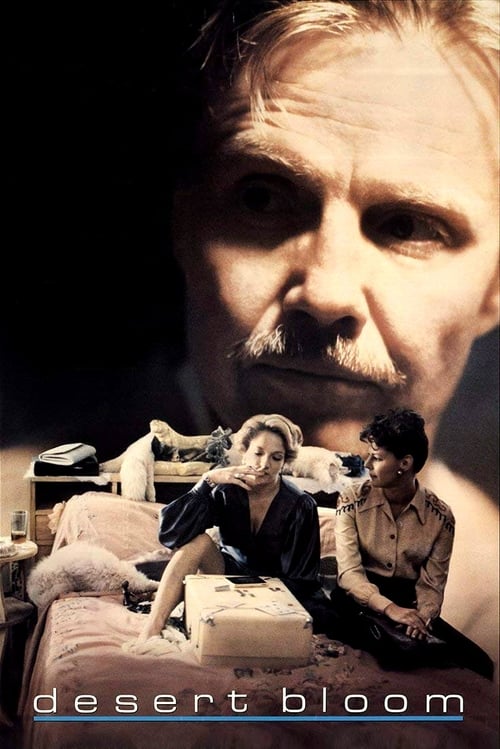
The story involves Rose Chismore's youth. She flashes back and remembers her coming-of-age. Her recollections are sometimes less than sweet, particularly those of her troubled and alcoholic step-father. Her memories of Robin, her first-love, are much happier and she also recalls her colorful Aunt Starr -- who's visit is fun but also detrimental to her family's health. The setting of 1950s Las Vegas' bomb testing is increasingly significant to the development of the story.
Desert Bloom
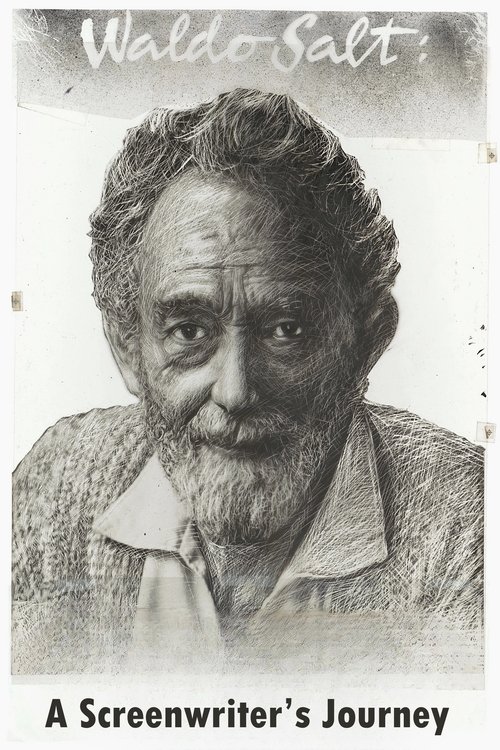
Documentary is about the life and work of American screenwriter Waldo Salt who won two Academy Awards and was put on the Hollywood blacklist in the 1950s. The story is told through interviews with collaborators and friends such as Dustin Hoffman, Robert Redford, Jon Voight, John Schlesinger and with clips from Salt's films, chiefly Midnight Cowboy.
Waldo Salt: A Screenwriter's Journey
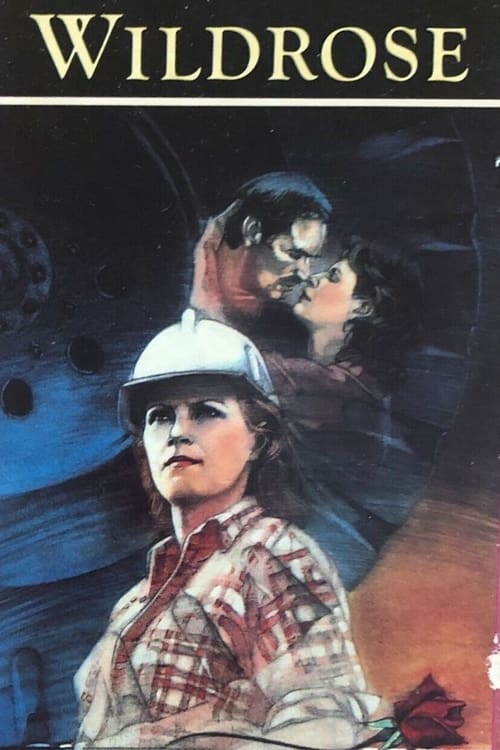
June Lorich works at the Mesabi Mine on Minnesota's iron range. After an emotionally and physically abusive marriage, June is determined to make it on her own. But the worsening steel industry forces major cutbacks and June is bumped down to an all-male pit. She becomes the brunt of the other workers' hostilities and is forced to fight against them -- and the man she loves -- to save her job.
Wildrose
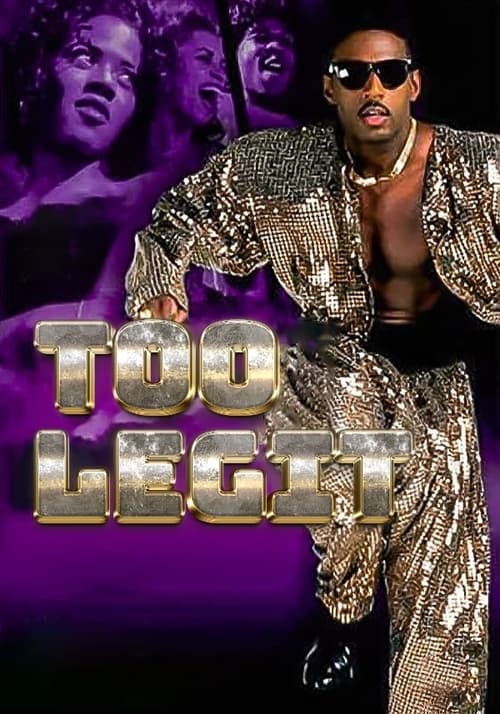
The extraordinary true story of MC Hammer. From his early life on the rough streets of Oakland, California, to his meteoric rise as an international rap star, and then finally his fall from grace.
Too Legit: The MC Hammer Story
A rampant, street level story of mentorship and everyday heroism in tough circumstances. An inner city coach's son, estranged in his youth from his father, spends five years on ball fields in inner city Oakland and Havana, following the lives of two extraordinary youth baseball coaches, Roscoe in Oakland and Nicolas in Havana. The coaches meet on videotape and two years of red tape later, Coach Roscoe and nine Oakland players travel to Havana to play Coach Nicolas' team. For one week, the players and coaches eat, dance, swim, argue and play baseball together. But when the parent of an Oakland player is murdered back home, it brings back the inescapable reality and challenges of life in an American inner city.
Ghost Town to Havana
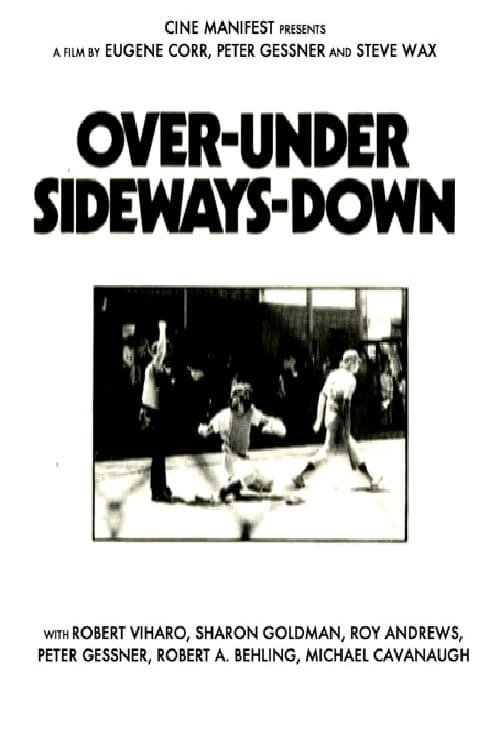
A dramatic feature from Cine Manifest, Over-Under, Sideways-Down explores the politics of everyday life in America. The film centers on a working-class couple, Roy and Jan Stennis (played by Robert Viharo and Sharon Goldman), who live, with their two children, in a cramped tract home. An assembly line worker in a steel plant, Roy entertains the escapist fantasy of moving from the local semi-pro baseball team for which he plays third base, to the big leagues. "It's just a matter of being in the right place at the right time," he figures. However, when Roy simultaneously loses his job (by being at the right place at the right time - coming to the defense of a black co-worker and thus being branded a trouble-maker) and his one chance to impress an interested baseball scout, his life begins to unravel. The strains on his marriage increase, intensified by Jan's decision to take a job, and Roy begins to isolate himself both from his family and his fellow workers.
Over-Under Sideways-Down
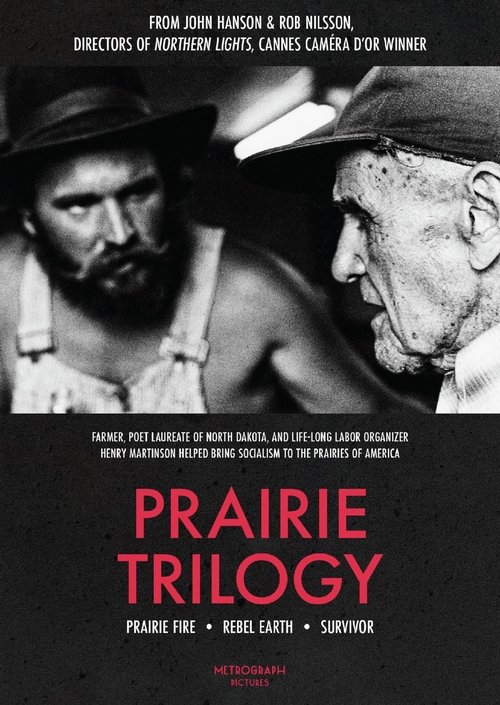
The first segment of what would eventually be the Prairie Trilogy, about veteran North Dakota poet and socialist organizer Henry Martinson, who fought against economic exploitation. Martinson recounts the 1916 birth of the Socialist Nonpartisan League, his narrative accompanied by images shot by Nilsson’s own grandfather, Frithjof Holmboe.
Prairie Fire
With David Schickele's dreamy, retro soundscape, CINE MANIFEST captures a resilient group of artists reminiscing about a time when people weren't afraid to fight for their ideals, while also creating a stirring tribute to American independent filmmaking.