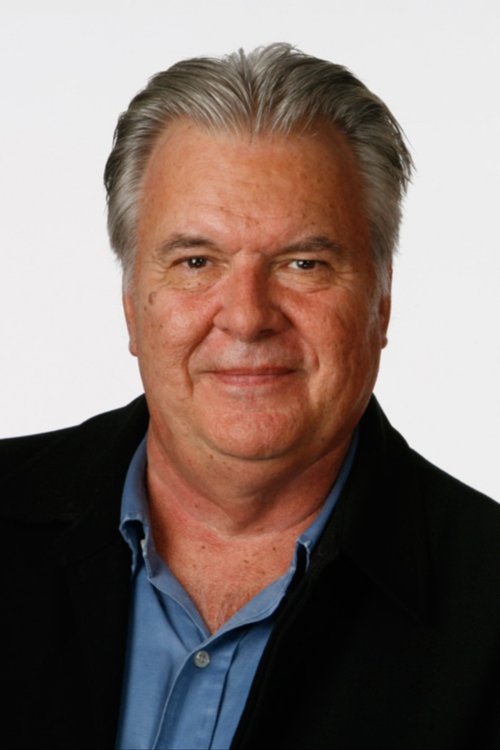
Alan Raymond
Directing
Biography
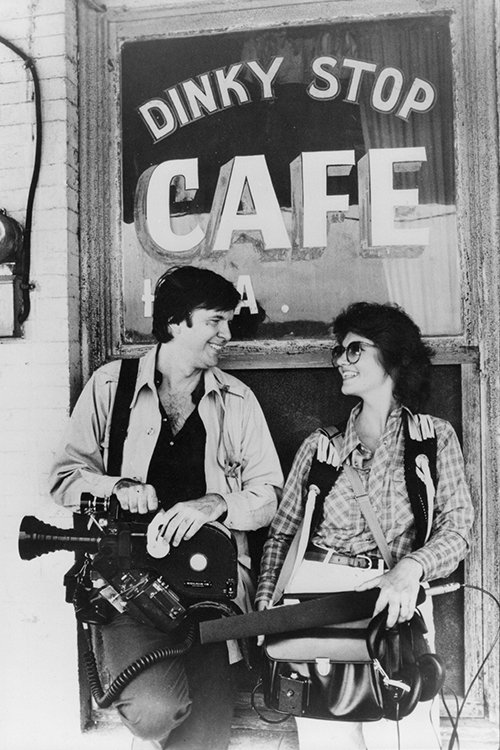
Academy Award-winning filmmakers Alan and Susan Raymond are among America's most influential and distinguished independent documentary producers and directors. The films of Alan and Susan Raymond reflect our society's changing values and changed the course of television history.
Known For
Omnibus was an arts-based BBC television documentary series, broadcast mainly on BBC1 in the United Kingdom. The programme was the successor to the long-running arts-based series 'Monitor'. It ran from 1967 until 2003, usually being transmitted on Sunday evenings. During its 35-year history, the programme won 12 Bafta awards. Among the series' best remembered documentaries are Cracked Actor, a profile of David Bowie, and Rene Magritte, a graduate film by David Wheatley, 'Madonna: Behind the American dream', a film produced by Nadia Hagger, and a profile of the British film director Ridley Scott. For a season in 1982, the series was in a magazine format presented by Barry Norman. The series was replaced by 'Imagine' hosted by Alan Yentob.
Omnibus
Since its 1988 premiere, this critically acclaimed documentary series has presented hundreds of films that put a human face on contemporary social issues by relating a compelling story in an intimate fashion. "POV" has won virtually every major film and broadcasting award available, including 38 Emmys, 22 Peabody Awards and three Oscars.
POV
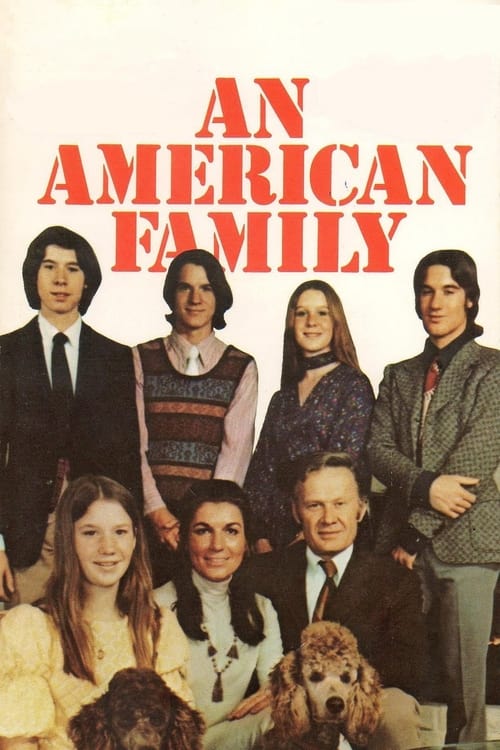
Originally intended as a chronicle of the daily life of the Louds, a Santa Barbara upper-middle-class family, the groundbreaking program documented the breakup of the family via the separation and subsequent divorce of parents Bill and Pat Loud.
An American Family
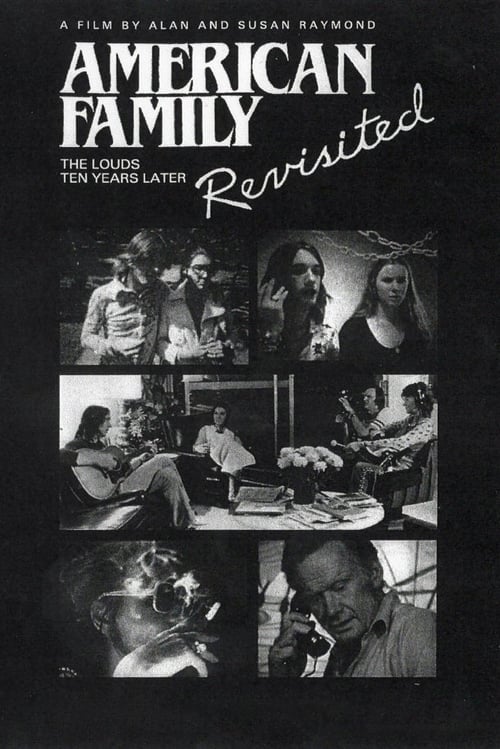
A ten-year update on the Loud family and their reflections on becoming the first reality TV stars. Their experience of becoming media celebrities and the parents' subsequent divorce changed them in many ways. Each family member explains how they were affected by these dramatic life events.
An American Family Revisited: The Louds 10 Years Later
Initially airing on HBO's "America Undercover" series, this riveting documentary focuses on three families shattered by the psychiatric disorder of schizophrenia. Subjects "Bob," "Missy" and "Steven" have lived for over a decade with schizophrenia. The film documents the difficult day-to-day existence of both those afflicted with this order and the families searching for answers to their loved ones' suffering. This film also shows the varied and variably successful treatment methods for each of the subjects—one is placed in a group home, one is placed in an institution, and one is cared for at home. The documentary was critically acclaimed for its compassionate treatment of mental illness.
Into Madness
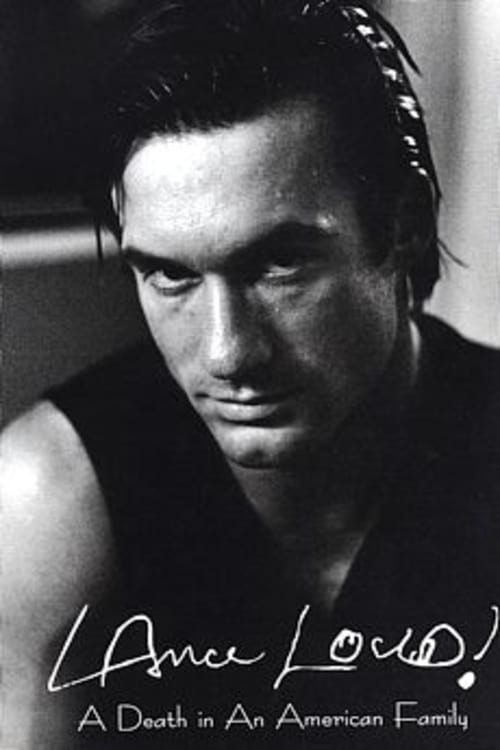
Eldest son Lance, of the Loud family profiled on PBS in 1973, became the first openly gay man on television and a gay icon for his generation. When Lance entered hospice in 2001 with a terminal HIV and hepatitis C co-infection, he asked original filmmakers Susan and Alan Raymond to film a final episode of the series. Lance reflects upon his days with Andy Warhol, his band The Mumps, a career as a writer and the experience of being the first reality TV star. It is a celebration of life and a cautionary tale.
Lance Loud!: A Death in An American Family
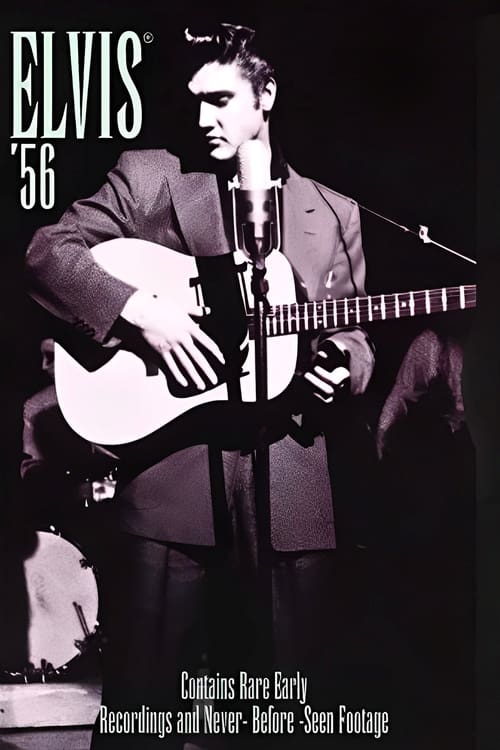
The year Elvis Presley went from rising star to pop culture sensation is chronicled through rare footage, interviews and that pelvis-gyrating music.
Elvis '56
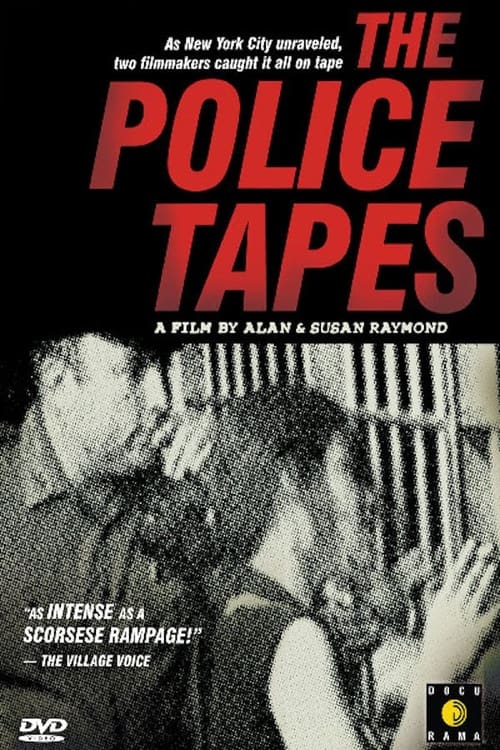
Filmmakers Alan and Susan Raymond spent three months in 1976 riding along with patrol officers in the 44th Precinct of the South Bronx, which had the highest crime rate in New York City at that time.
The Police Tapes
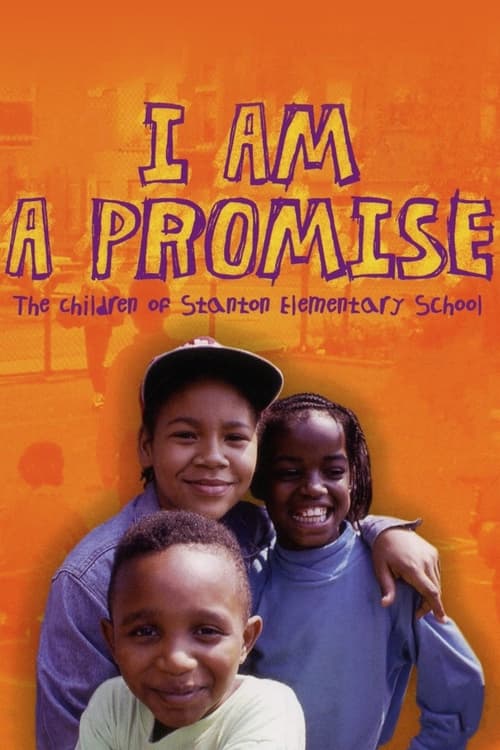
An unflinching verité portrait of the children of Stanton Elementary School in North Philadelphia, an inner-city neighborhood where 90% of the students live below the poverty line. Seen through the viewpoint of devoted principal Deanna Burney, the film shows Stanton as grossly underfunded, understaffed, and filled with children struggling to overcome their difficulties. But for these at-risk kids, however, the hope for their future survives only in the success of their education. A captivating series of vignettes concerning children growing up outside the American dream, echoing current “hot-button” issues in our country’s ongoing political discussion.
I Am a Promise: The Children of Stanton Elementary School
No description available.
Children in War
In 2000, a California State Prison inmate serving Life Without Parole (LWOP) approached the warden to request a dedicated yard for men serving life sentences that would break the code of violence dominating prison life. The California Department of Corrections and Rehabilitation (CDCR) subsequently transformed Yard A at California State Prison into The Progressive Programming Facility, which inmates call The Honor Yard. The only one of its kind in the United States, this experimental prison yard is free of violence, racial tensions, gang activity and illegal drug and alcohol use.
Toe Tag Parole: To Live and Die on Yard A
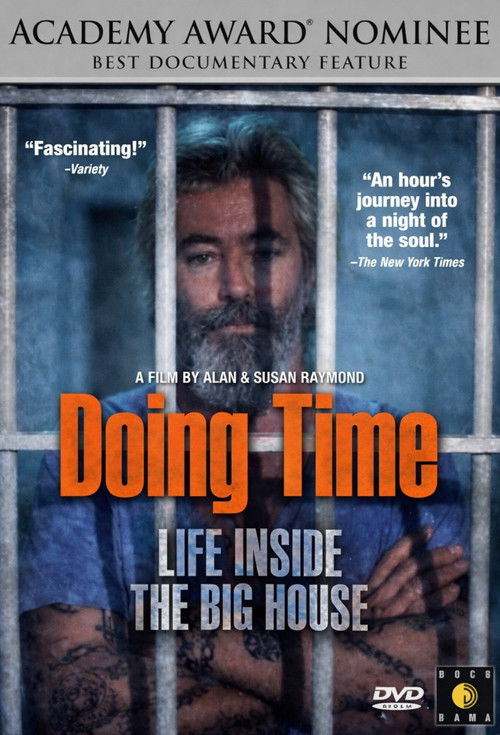
Academy Award®-nominated DOING TIME: LIFE INSIDE THE BIG HOUSE takes a hard-edged look at life inside the walls of Lewisburg, a maximum security federal penitentiary where the notion of rehabilitation and parole have all but been abandoned. After gaining unprecedented permission from the Justice Department, Emmy® Award-winner Alan Raymond spent five weeks inside Lewisburg. With access to the entire prison, the Raymonds captured the stories of corrections officers as well as the inmates, including drug lords, "lifers" with no possibility of parole, and prisoners convicted of leading prison riots. Detailing a world where prisoners carry "shanks" and officers respond to violence in full riot gear, this candid documentary reveals what life inside "the big house" is really like. A rare, unprecedented look at the prison subculture, DOING TIME: LIFE INSIDE THE BIG HOUSE will challenge the way you look at incarceration in America.
Doing Time: Life Inside the Big House
The drought in the American West is predicted to be the worst in 1,000 years. Join five Academy Award-winning filmmakers as they explore the environmental crisis of our time and how to fix it before it's too late.
Killing the Colorado
No description available.
How Do You Like the Bowery?
Addresses misunderstandings of learning differences and demonstrates potential in dyslexic persons.
Journey Into Dyslexia
How can we curb crime? Three big city police chiefs reveal sharply differing philosophies of law enforcement. From Daryl Gates, who introduced SWAT to Los Angeles, to Anthony Bouza, who ruffled feathers in Minneapolis, to Lee P. Brown, who recently left Houston for New York, these top cop's ideas about the causes and cures of crime are as varied as their personalities.
Police Chiefs
Examining the effects of war and terrorism on the children of Bosnia, Israel, Rwanda and Northern Ireland, this story is told by the children. These children have witnessed horrific war crimes and suffered the loss of family and home, or they have become politicized combatants willing to take part in the conflict. Art therapy is used as a means of having the children express themselves to cope with the trauma of war, and the pictures that are drawn by these children are as sad as the stories of their countries’ conflicts. Using images of war rarely seen, this film sheds light on the terrifying trend of combatants deliberately targeting civilians, including children.
Children in War
This documentary seeks to capture the evolving character of Houston. The film pays special attention to the city’s rapid expansion—investigating not only what attracts so many people to the Bayou City but also its ongoing drawbacks, from a struggling mass transit system to alarming statistics about the use of deadly force by Houston police officers. Of particular note is footage of the premiere of French fashion designer Karl Lagerfeld’s Chloé collection at Neiman Marcus and an open casting call for Urban Cowboy (1980).