Directing
Julia – Eine ungewöhnliche Frau is a German television series.
The Turkish dog Mehmet lives in Germany. But fortunately he has good buddies: his masters Jochen, Thomas and Rico. They have short-trimmed hair, wear combat boots and are also in search of other Turkish people...
Short film.
A miniature portrait of the Viennese cinema, as seen through stuttering, flickering glimpses of walls and other surfaces in a pure play of light and shadow.
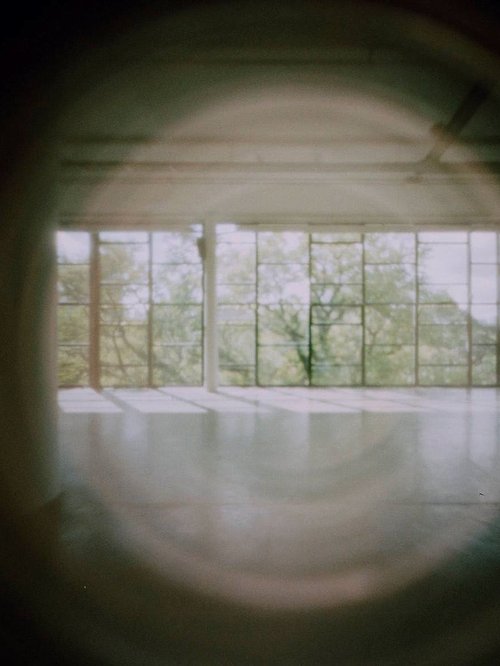
Designed by Josef Maria Olbrich in 1898, the main exhibition hall of the Vienna Secession is generally regarded as one of the first White Cube Spaces of art history. The myth of the neutral space has a long tradition of being critically examined by the institution itself. Using 19 specially designed cameras, Main Hall adds a purely cinematographic gesture to the space’s history by having it look at its own architecture.
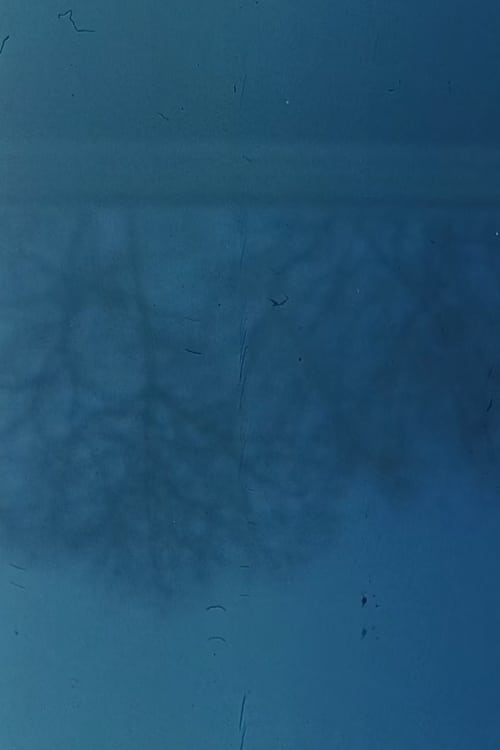
This structuralist experiment breaks through the traditional sequence of frames and uses double exposure to shed new light on the filmstrip. Cinematographie (literally "writing with light") consists of flickering black-and-white footage of almost unrecognizable trees that appears crosswise onscreen. The film is silent with the exception of two sounds at the beginning, and the damage to the image grows increasingly intense: we see cables, hairs and dust distorting it all. Occasionally, a bleak sun shines through or human silhouettes appear in an ever faster flickering. The Austrian filmmaker Philipp Fleischmann built a circular camera obscura construction in a forest, 360 degrees around, in which the light enters through a small hole and shines on light-sensitive material. Inside the camera, he placed two 16mm filmstrips side by side: one was exposed to the world outside the camera obscura, the other to the world inside the construction.
Filmmakers Lilly Engel and Philipp Fleischmann spent five years documenting their three children Lucas, Marius and Renée. The viewer can experience them on their journey from children to teenagers - and at the same time the changes in their dreams. The film is a mixture of documentary and feature film, a childlike look into the future and an adult look back into their own past. A touching and humorous story that tells of great friendship, of growing up, and makes us laugh and think with ease and humor.
Untitled (34bsp) is a 35mm film that was shot on-site at the Ciccillo Matarazzo Pavilion, an iconic building designed by architect Oscar Niemeyer which has been the home of the Bienal de São Paulo since 1957. In this new work, which was co-produced by Phileas, Fleischmann reflects on the cultural impact of the monumental 30.000 square meter pavilion and interacts with its physical space through the medium of film, using a series of large, site-specific cameras that become sculptural forms traveling through the building from floor to ceiling.
Structuralist Philipp Fleischmann continues his architectural examinations of exhibition sites, using specially constructed cameras to capture the interior and exterior of his country’s national arts pavillion at the Venice Biennale.
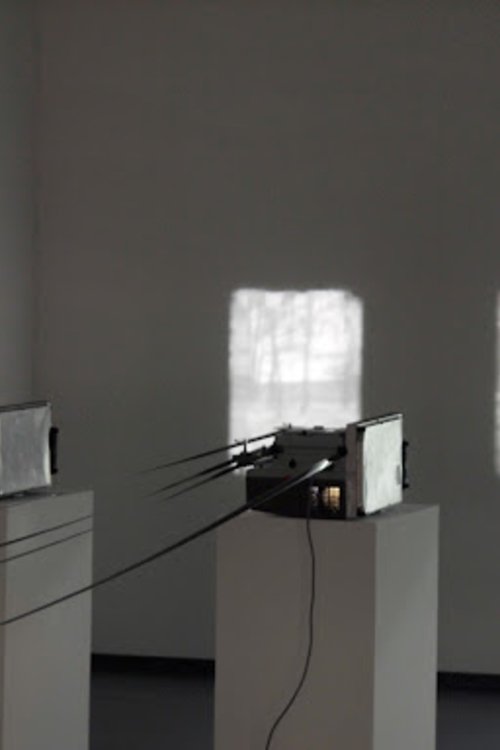
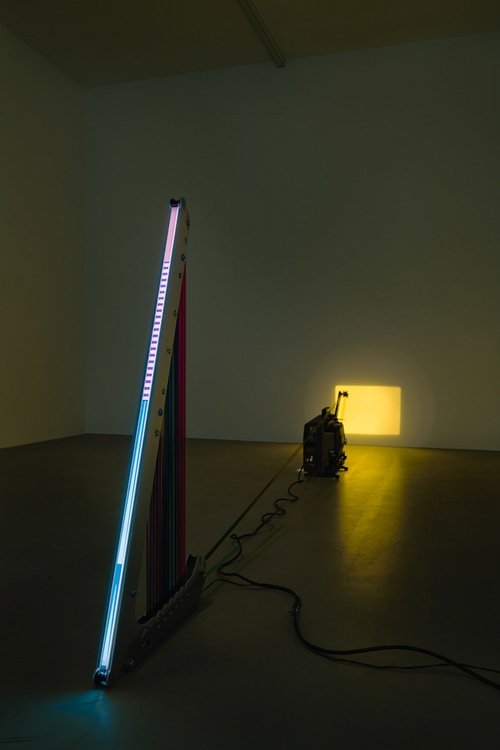
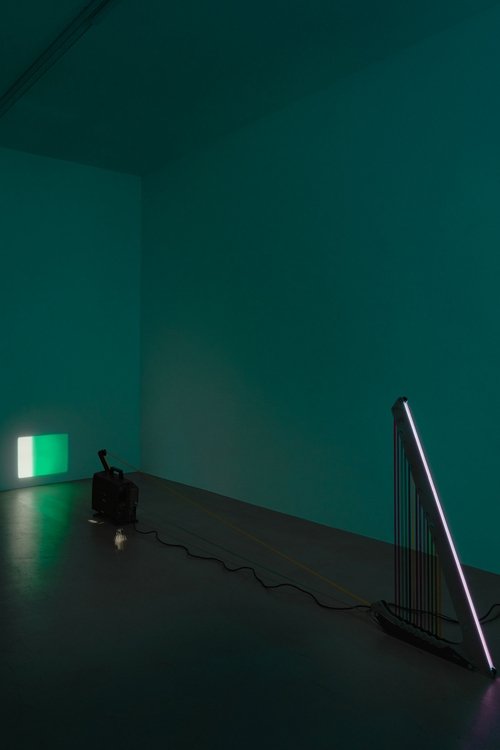
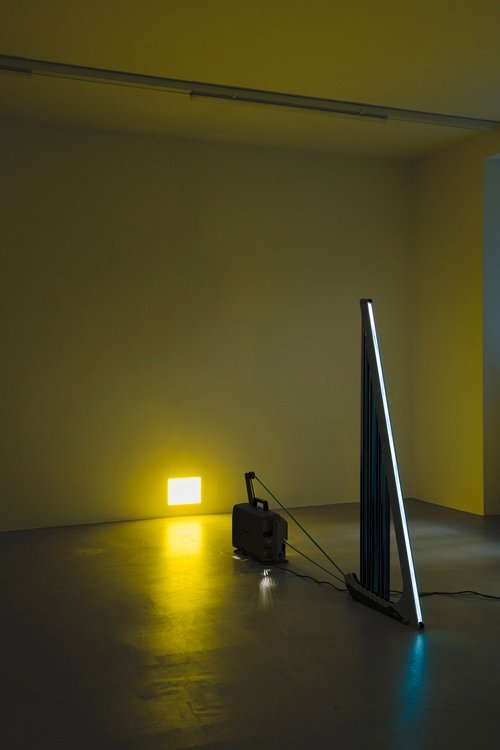
Initially produced as looped 16mm miniatures presented on custom projectors, Philipp Fleischmann’s dazzling Film Sculptures are a suite of formal experiments exploring queer sensibilities and different states of visibility.
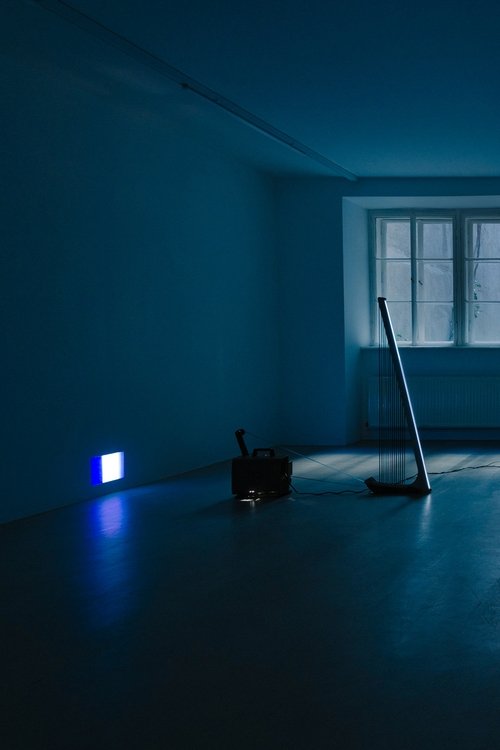
Philipp Fleischmann develops special cameras designed to formulate specific relations between the material of the footage (16 or 35 mm film) and the object of the recording. For instance, in his 2013 project “Main Hall,” he deconstructs the main exhibition hall of the Viennese Secession, filming the exhibition architecture with 19 individual cameras and thus creating images that show the view of the exhibition space onto itself. Fleischmann’s recent work, “Untitled (Generali Foundation Vienna)" identifies the film camera as a spacial object-form by itself. Correlating with the history of artistic interventions on site, the object is placed in the former exhibition space of the Generali Foundation at Wiedner Hauptstrasse 15, Vienna, and provided with a cinematographic view.
A work of maximalist minimalism, a chorus of lights dance in darkness in The Invisible Cinema 3, inspired by Peter Kubelka's famed movie-going structure of the same name.