Péter Gothár
Directing
Biography
Péter Gothár (born 28 August 1947) is a Hungarian film director and screenwriter. He has directed 23 films since 1974. His film The Outpost was screened in the Un Certain Regard section at the 1995 Cannes Film Festival.
Known For
Frigyes, shortly after immigrating to New York City from Hungary, leaves his family for the pleasures and gratifications of being a street bum. But as time goes by, the appeal of this lifestyle wanes. A series of adventures with other drifters reaches a dramatic conclusion when some thugs murder one of them. This startling event forces Frigyes to come to terms with his current situation and decide whether to return to the family he abandoned.
Just Like America
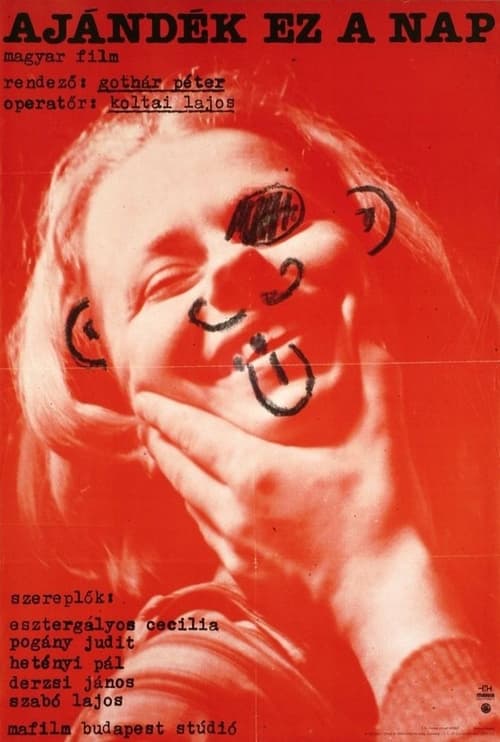
Irén and Attila, a not-so-young couple, are in love. All they want is a flat of their own where they could live together. Unfortunately, Hungary in the 70s is no place for dreams.
A Priceless Day
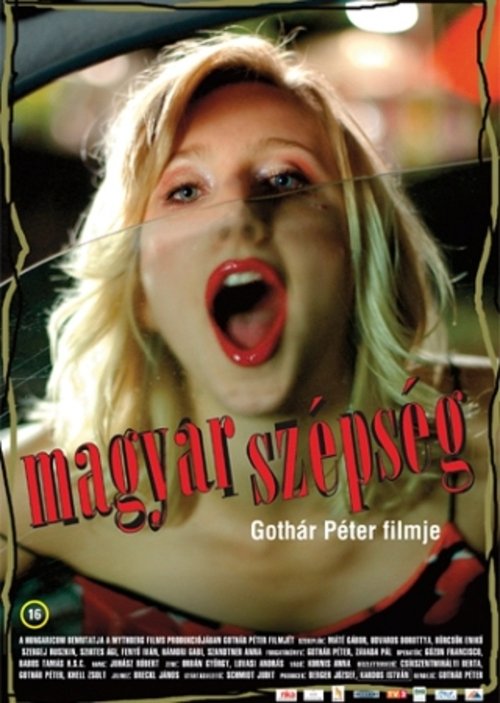
No description available.
Magyar szépség
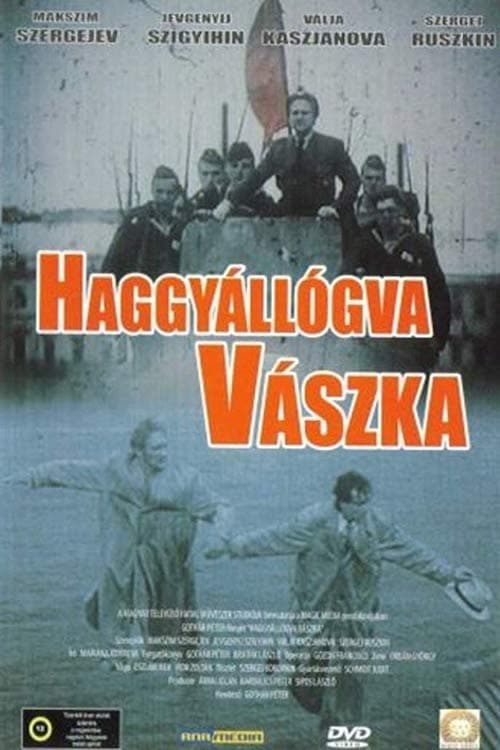
Vászka, the town robber, is off his form. He has no money and Luvnya, his sweetheart, constantly clamors for a trip to Moscow. His problems are solved when he meets Ványka, the village robber. The two robbers enter into an alliance and start working together.
Váska Easoff
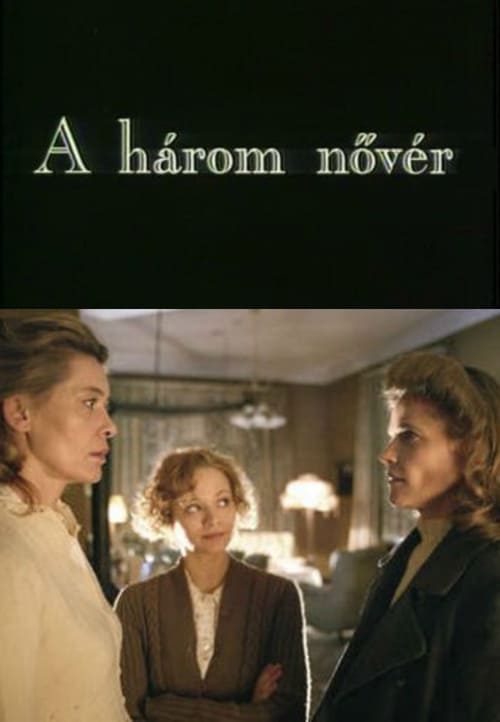
The sisters have been living in a Soviet barracks in Hungary for eleven years. They long to go to Moscow, but they are drawn here by habituation and inertia. Their father, the brigade commander, is dead, yet they are unable to act and prefer to remain in the closed world of the barracks. So the plot is the same, only the setting has changed.
The Three Sisters
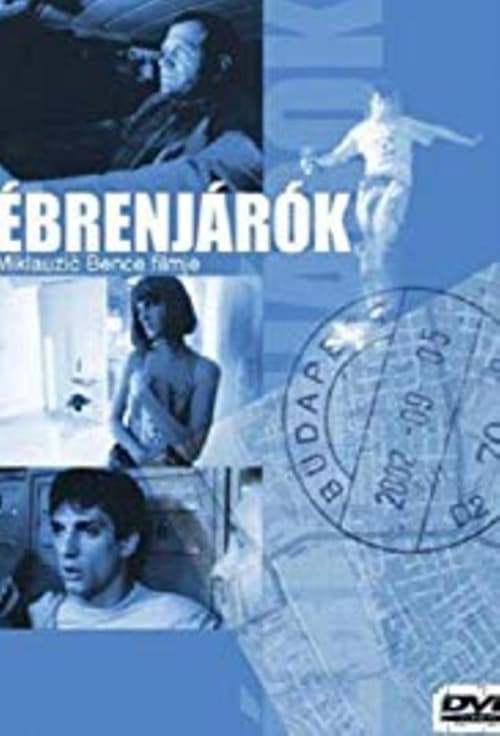
Three people. One city. One long night. After being laid off from his job, Alexander, in his mid-forties, decides to leave everything behind and set off for the Adriatic in his self-built caravan. Anna, a cigarette advertising girl, has a few hours to get money for her boyfriend, who needs a bribe to play at a party. Bandit, who works as an electrician in a factory, is electrocuted during his work this evening. Our characters set off alone into the night, but their paths cross several times before they come together at the end of the film.
Streetwalkers
A story about summer days from the life of Hungarian children.
Foal in the Sky
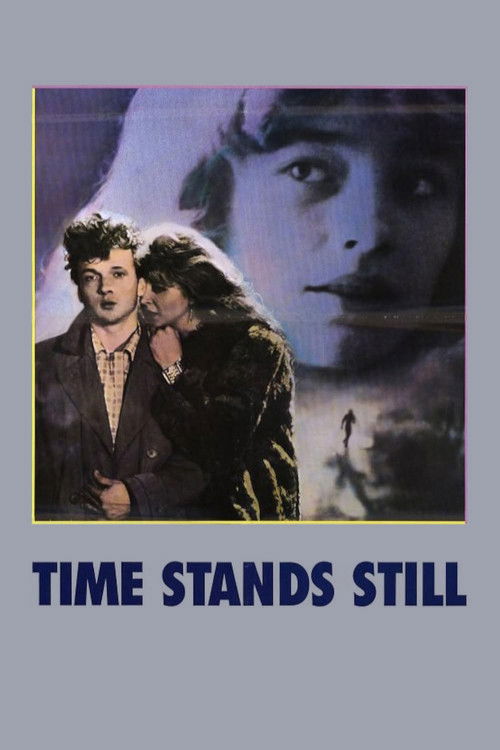
A Budapest high school in the beginning of the 1960s. Dini suffers the torments of adolescence. His father had to leave Hungary after the uprise in 1956, and since then Dini's mother has had to take care of her two sons on her own. A friend of Dini’s father, Bodor, is released from prison and moves in with them. Dini and his brother are far from happy about this intrusion on their family life.
Time Stands Still
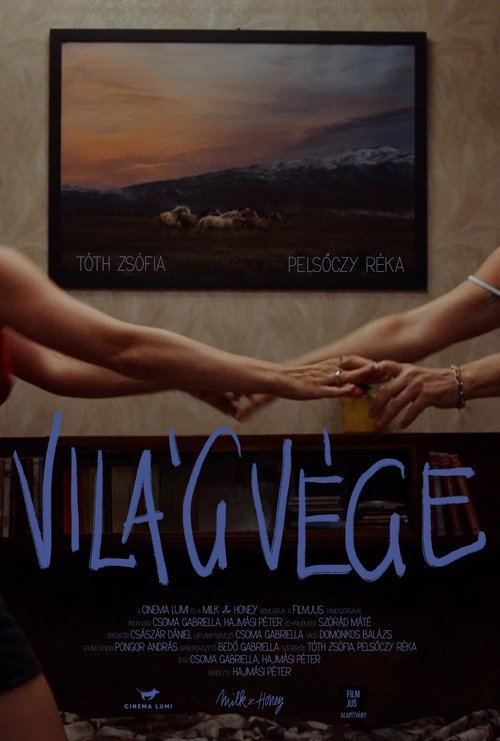
No description available.
Világvége
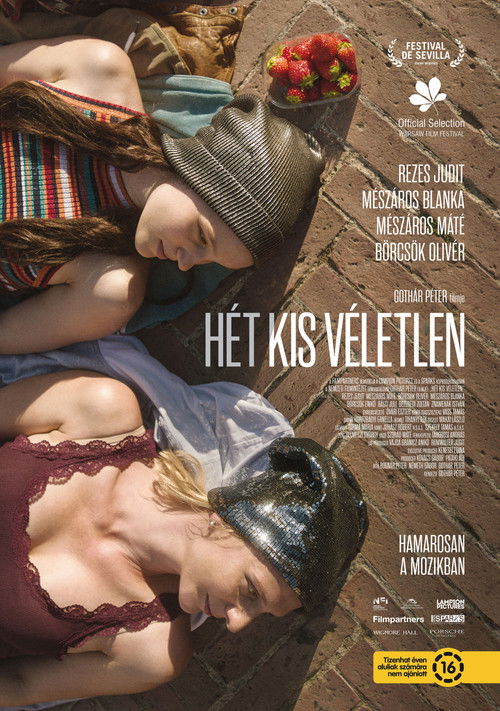
Gertrúd is a middle-aged music teacher. She lives with her art-restorer husband and their teenage son. She is weary of family life, and her relationship with her husband leaves much to be desired. Gertrúd’s settled world is turned upside down when a former student of hers, the beautiful Albán, suddenly shows up. Her presence prompts questions about the past, present, and future. Reality, memories and dreams intermingle dangerously, and the old family roles slowly begin to change. “I wanted this film to be like an enchanted box full of stories and surprises”, Péter Gothár explains. “Its drawers are meant to open in a mysterious rhythm, offering joy and food for thought. First, there was the music of Bartók, which then became the film's main organizing element. It formed around the music – this whole family story full of love and irony”.
Small Coincidences
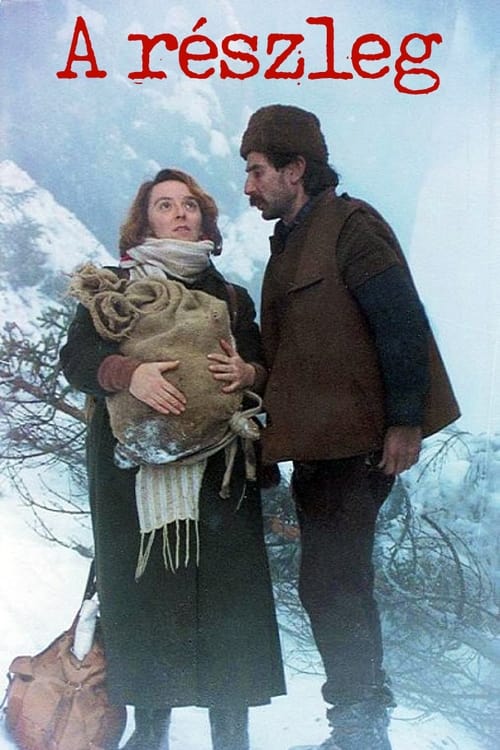
Gizella Weisz is an middle-aged office worker, who gets a promotion one day. Her boss told her that a new outpost is waiting for her. There she would be heading a new section. She travels from place to another and finally arrives at her new outpost. It is a remote shed, where a half-insane co-worker is waiting for her. It is obvious that Weisz has not been promoted, but punished. However Weisz does not realize that herself. Without questioning she just accepts her promotion.
The Outpost
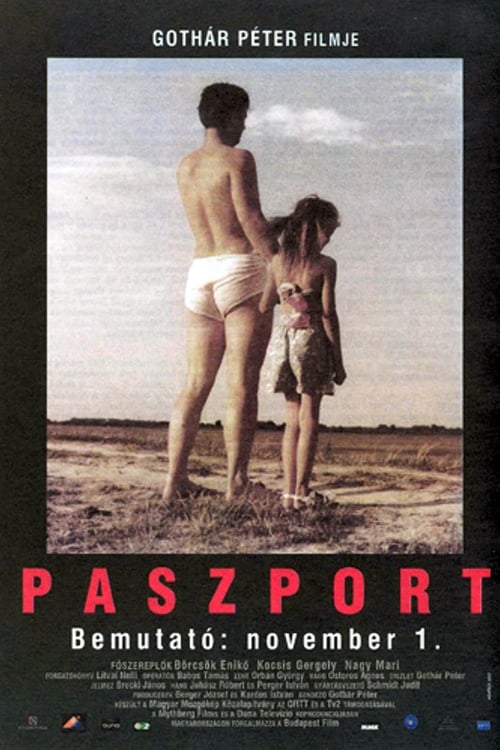
The slow decay of a marriage sets the stage for this drama, which is leavened with understated humor. In 1988, Jozsi (Gergely Kocsis) is a Hungarian laborer who decides to marry Elizaveta (Eniko Borcsok), a woman of Hungarian descent living in the Ukraine. 1996 finds Joszi and Elizaveta the parents of a young girl, but otherwise their marriage is a shambles; Jozsi has become an alcoholic and Elizaveta has decided she needs to strike out on her own for the sake of her child. Shot on digital video as a project for Hungarian television, Paszport was directed by Peter Gothar, who previously made the international success Megall Az Ido.
Passport
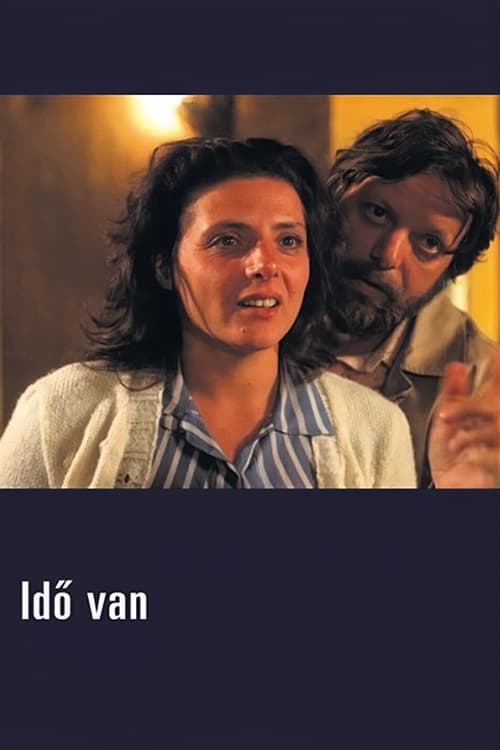
Peter Gothar films give a sharp, uncensored view of the society. This film is no different. The plot is rather simple: a family goes to vacation with the usual stress. Then on the vacation the wife gets a strange kind of sickness and they go back to Budapest for a cure. While the wife is in the hospital, the husband visits his family. This is quite banal. However the scenario was written by Peter Esterhazy, one of the most influential contemporary writers in Hungary. His style uses a lot of surrealism but in a way that profoundly illuminates the reality. In this film, the reality is an atomized society where the so-called communist ideals are nowhere so everyday people are fully disoriented.
Time
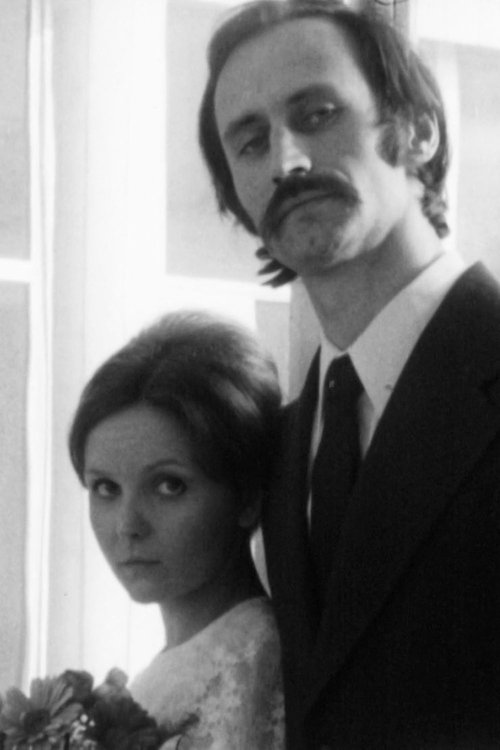
No description available.
Wedding Guests
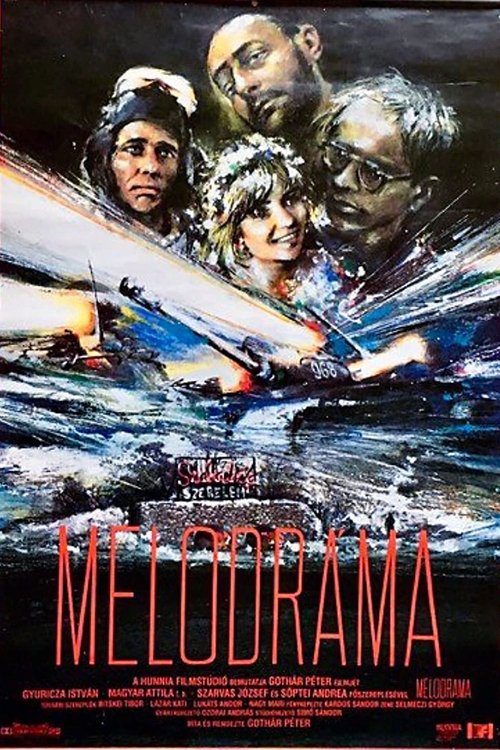
August, 1968: Feri and Tomka participate in the occupation of Czechoslovakia as draft soldiers. On their way back they bring Jula as a common prey, and they turn the tank not to Budapest, but Vienna.