Directing
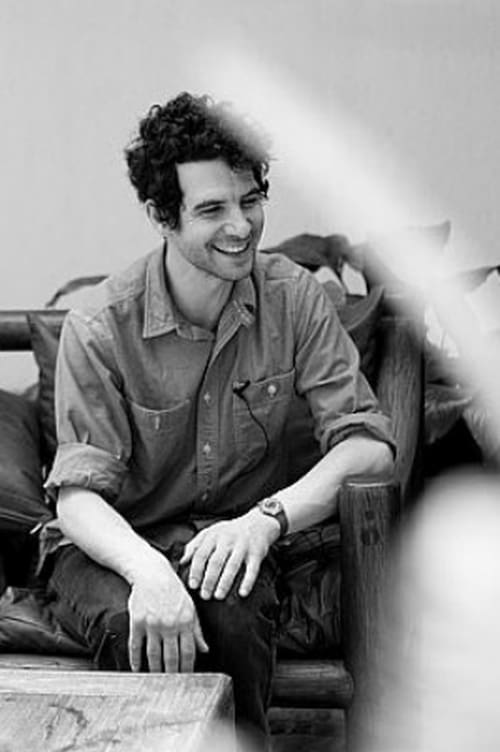
Jonathan Schwartz was an American experimental filmmaker.
Potential Northwestern fellow Tess Harper lasers through her best friend's wedding planning like the star doctor she hopes to soon become. In fact, Tess puzzles through any problem - provided it's not her own. When she meets divorce lawyer and groom's best friend, Michael, Tess maneuvers around him like a gurney in the emergency room until she discovers this best man has a few moves of his own.
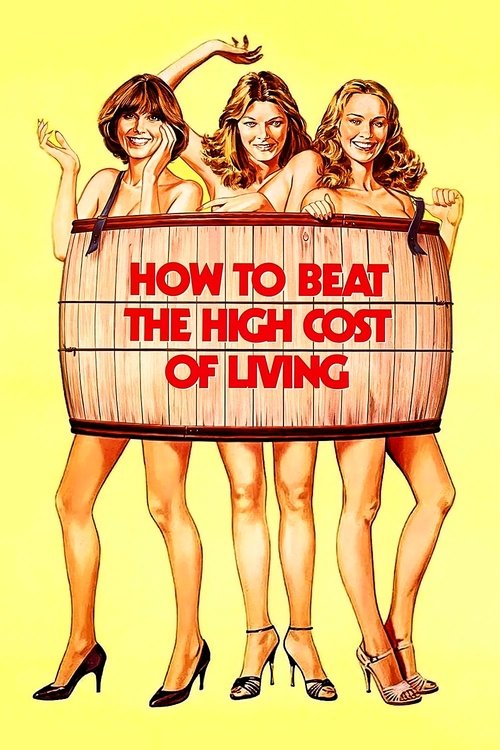
In order to beat inflation and subsidize their alimony checks, three suburban housewives plot to steal $1 million from a large plastic ball which is displayed in a local shopping center.
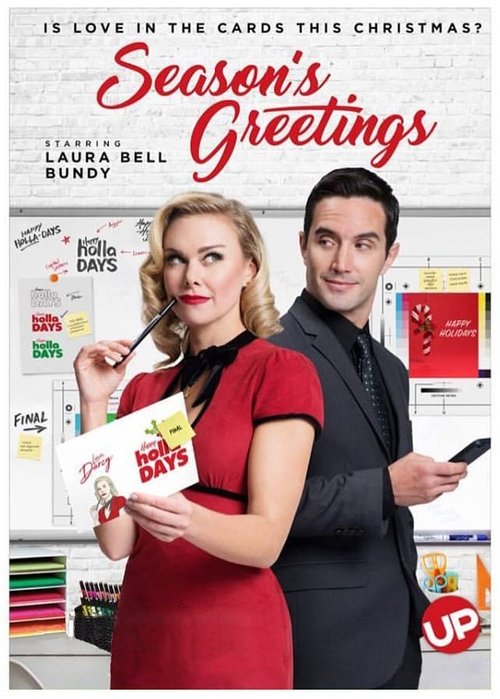
Darcy Blake has the perfect job – she works for Harrington House, a successful greeting card company, in the editorial department. Writing heart-felt, meaningful copy for cards is very important to Darcy, especially at Christmas, which was important to her as a young girl. She realizes that she is a bit out of step with her fellow millennials but that is fine with Darcy. Everything is about to change when Andrew Harrington arrives at the company to take over from his grandfather and he has a very different view of the holidays.
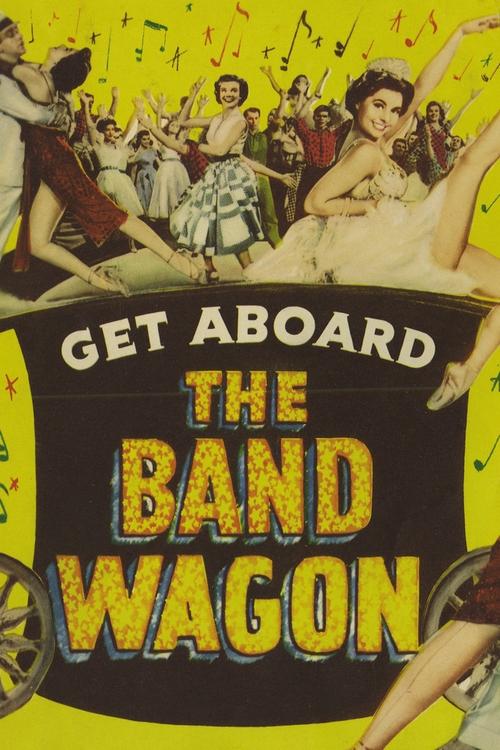
Documentary on the 1953 musical "The Band Wagon."
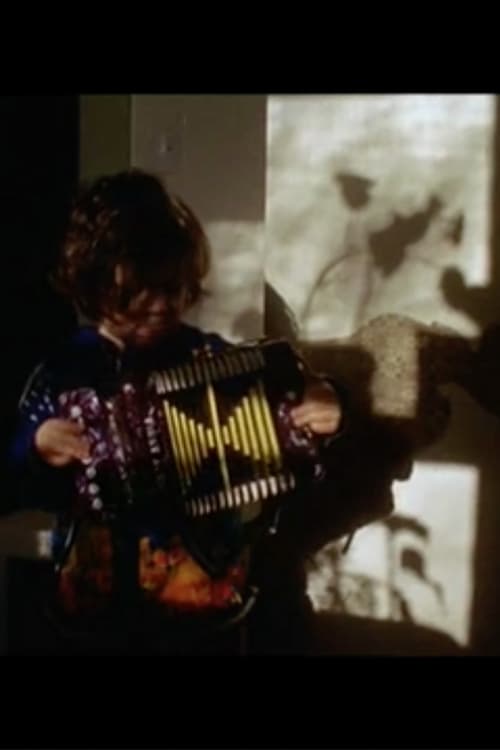
From the 33 1/3 Series (an album of eleven 'in-camera' 16mm films)
‘With a car from 1966-1977 and a manual for violence prevention, you drive. The distance is now your compass so follow the shadows to your resting spot. Or: I was wondering if sincerity could override irony and flood out some emotions from our past. Then - all for the extension of time, follow the echo, it might disappear into the clouds.’
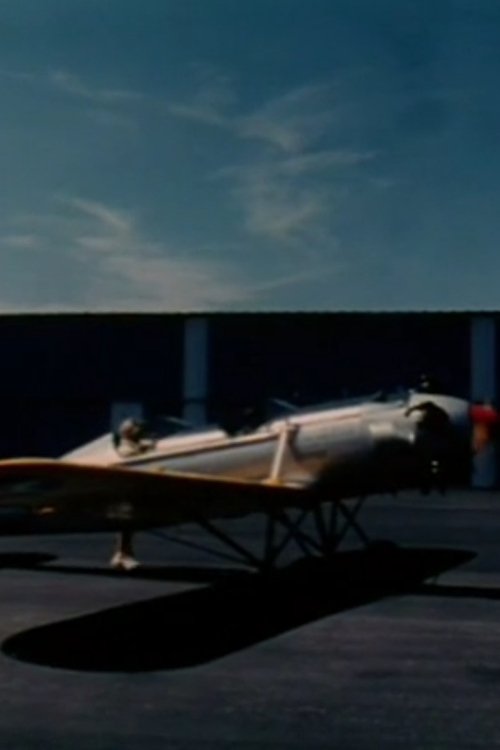
Refers to Schwartz’s grandfather-in-law’s age during the making of the film–an anniversary celebrated with the gift of piloting a U.S. army light aircraft, the kind he used to maneuver in the Second World War. While he rises and falls, watched by the impassive but attentive look of a woman who could be his wife, he is the protagonist of a flight into the past. Again, there is tension emphasized by an impending sound in crescendo, this time the one of the jet engine. This jump into the void is a recurrent creative preoccupation that might refer to distance, wounds, and risks.
A visual essay about the progressive tradition of the United States as seen through grave markers and monuments.
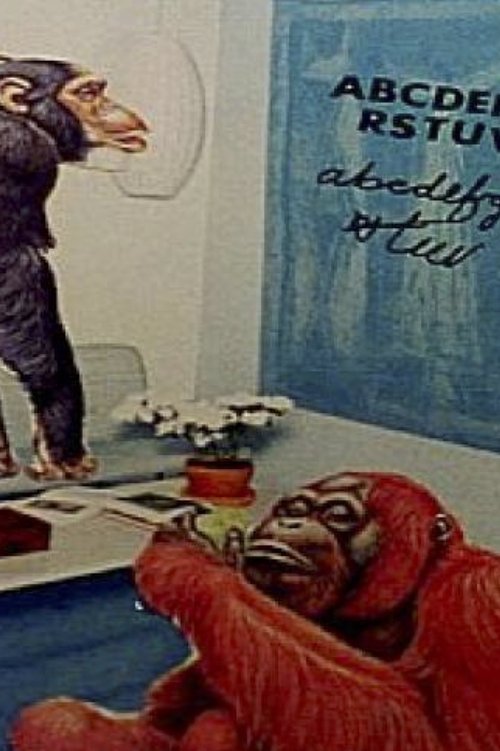
«Swimming or fluidly moving in pattern - like lust or love or something weird. A communication halt: cue the apes to speak or make music». - JS
Jonathan Schwartz is a young American experimental filmmaker who has crafted a body of short, lyrical 16mm films over the past decade. Working with the legacies of anthropological and observational non-fiction cinema, and in the avant-garde tradition of filmmakers like Warren Sonbert and Mark LaPore, Schwartz makes the camera a catalyst for a transformed dynamic between the figure behind the camera and those in front. Turning his camera on the people and places around him (whether in his New England home or on his travels abroad), Schwartz captures jewel-like fragments of gesture, light and colour that he then meticulously assembles alongside sounds collected as field recordings, creating films of great beauty and feeling that seem to vibrate with a total openness to the surrounding world and its denizens.
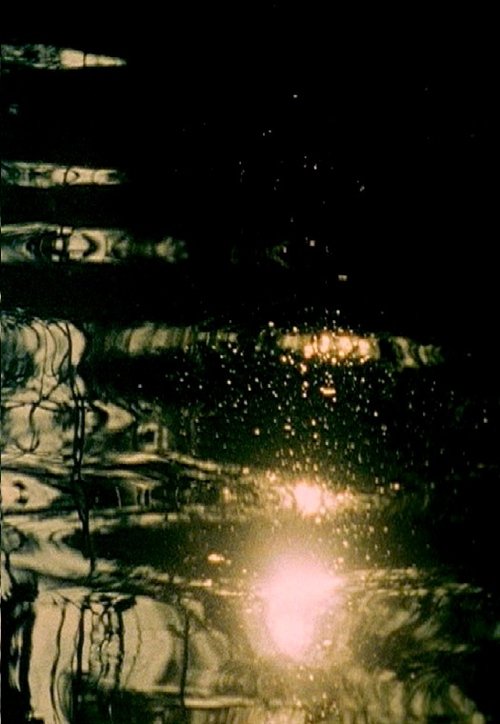
Schwartz explores the effect of light as both mystery and revelation. Glazed water in erubescent evenings discloses the shadowed details of the streets of Istanbul.
It's an ironically dark response to its title. It pictures an oversaturated, white and blue stop motion animation of the double image of a man jumping into a river, holding his nose before the final splash. A bug appears for less than a second, making an almost subliminal connection. The act of falling becomes a figurative abstraction, while the entire image gets transformed into dark blue obscurity. -Monica Savirón
It arrives, in a fog, with songs, through dance or majestic animals or faces (gliding on the street), and in shapes of light, maybe on a large bird of prey in flight - gesture skyward. Some origins can be difficult to pinpoint, others blink back - infinitely.
A film with a hypnotizing sense of diagonal light and movement. The title refers to the 1917 Hermann Hesse short story, part of his collection of fairy tales.
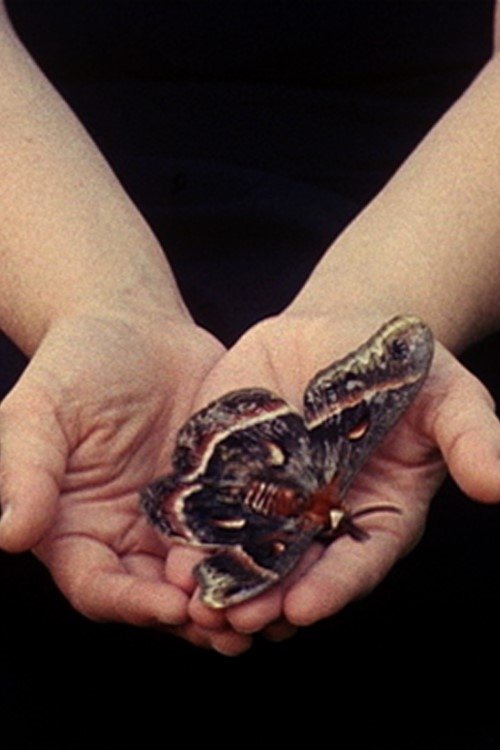
That fall it was not intentional to have a Galway Kinnell book on the table near where the caterpillar in the doorway, feeding on our offerings, became the butterfly, feeding on honey water, staying in our house until we let it go. Or it was not known about the deer in Putney or that the baby birds in the raspberry bushes would cry to us in summer. A beloved, old friend once visited Vermont to do some work for Galway Kinnell and she described a stone table in the field where they ate meals in the afternoon - it sounded like a song and so I looked at the book and from Little Sleep's-Head Sprouting Hair in the Moonlight here is that line: “The still undanced cadence of vanishing”.
When a character moves off screen, we accept the fact that he is out of sight, but he continues to exist in his own capacity at some other place in the decor which is hidden from us. There are no wings to the screen. Facts are perceptions of surfaces.
A poetic travelogue through the city of Jerusalem.
“hit the slopes with colorful exaggerations, take a long sleep, and hope to wake up without an anxious yawn.” – JS
Schwartz’s work exists as a dialectic all its own, with a kind of wry fascination with things and a tinkerer’s yearning to take them apart and put them back together again. A Preface to Red exhibits this attitude, while at the same time displaying a rather unexpected level of formal aggression from the usually sedate Schwartz.
An experimental short by Jonathan Schwartz, which is part of the 33 1/3 series.