Directing
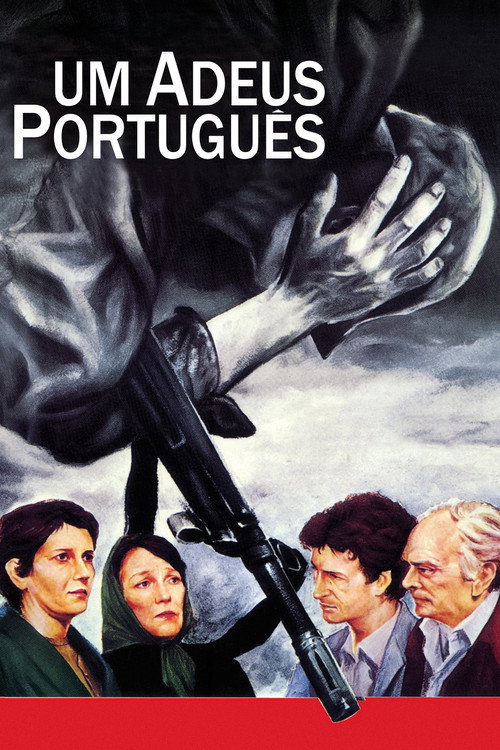
In Africa, during the colonial war, a patrol is lost in the bush and a soldier dies in operation. Twelve years later, in Portugal, the soldier family meets in peace.
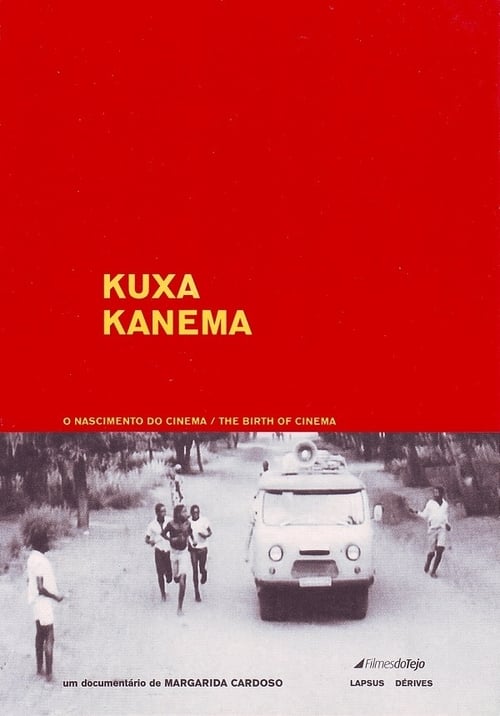
Kuxa Kanema: The Birth of Cinema is a 2003 documentary by Margarida Cardoso on the National Institute of Cinema (INC), created by President Samora Machel following the 1975 independence of Mozambique.
Ofelia is the daughter of photographer Miguel and of deceased circus artist Lea. When her father is hospitalised with a nervous breakdown, she decides to find out the reason and in doing so discovers the truth about the relationship between her parents and the true fate of her mother.
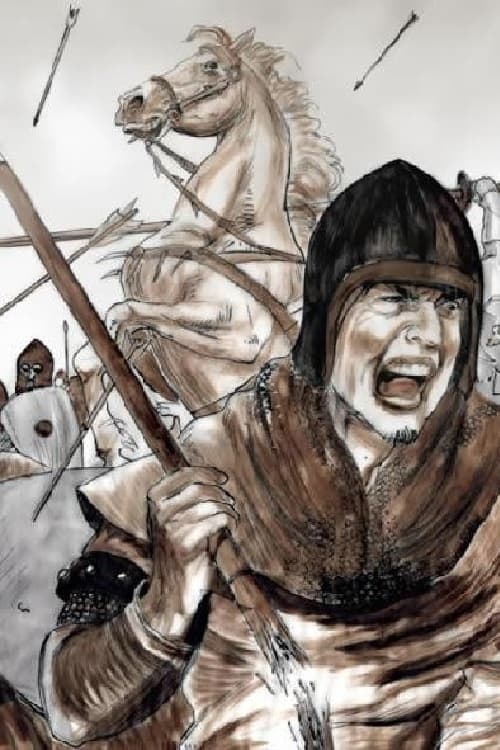
A commission from CIBA - Battle of Aljubarrota Interpretation Center, from the Batalha de Aljubarrota Foundation.
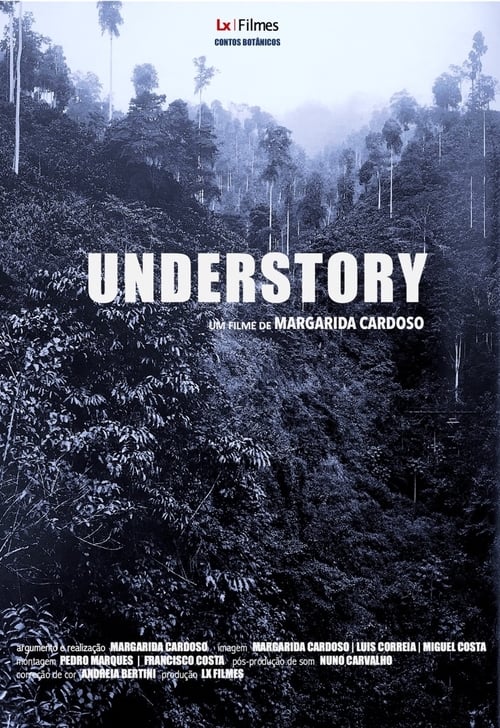
1907. Afonso, a doctor, arrives at Principe Island to cure servants from a cocoa plantation “infected” with Banzo, nostalgia of the slaves, who are dying from starvation and suicide. The group is confined to the forest, where Afonso decides to heal them by trying to understand what is affecting their soul. Will he manage to save them?
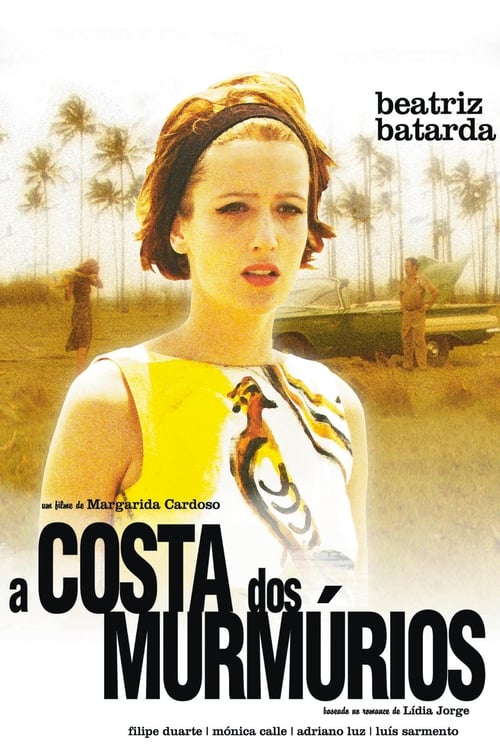
Men and plants have always traveled together in a reciprocal relationship that - for better or for worse - has drastically transformed the world. The mythical cacao tree, native to the Amazon Basin, has spread throughout the world along the narrow equatorial belt. Planted on a large scale using forced labor, the history of cacao has always been linked to the dark side of industrial production and the greed of the mass markets. The director Margarida Cardoso ("The Murmuring Coast", "Yvone Kane", "Kuxa Kanema, the birth of Cinema", "Christmas 71") follows the path of his previous films, exploring and revealing the relations between the brutality of colonial history and its effects in the present.
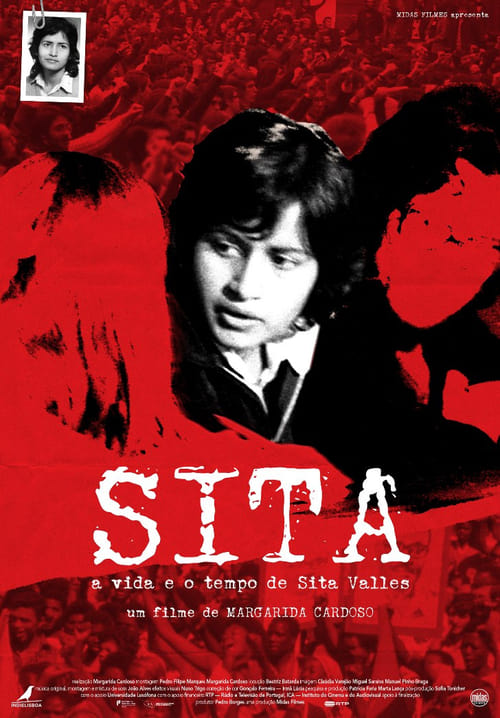
No description available.
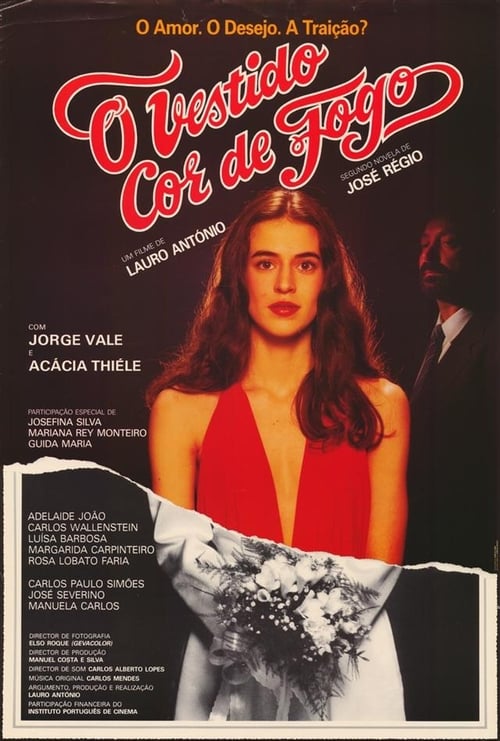
José Pereira, a young medical graduate, meets a young and ardent Maria Eugénia. The time is the eve of the Portuguese Revolution, on 24th April 1974 and only a short time elapses between courtship and marriage. The young pair are very much in love, but José begins to have doubts about the "honesty" of such intense feelings of love, feelings which are too intense (or hot) to him . If Maria Eugénia is like this with him, will she be the same with other men?In the meantime, the Revolution takes its course. José, who previously had been persecuted because of his opposition against the old regime, now feels "left behind" and frustrated.
During the war of in-dependency Evita moves from Lisbon to Mozambique to marry Luís. She slowly discovers how different and disturbing life is in a country of war and when her husband is send on a military mission she starts to fight loneliness. Over time she finds out more about her husband and Mozambique than she would have imagined in her peaceful European home. Racism, violence, injustice and fatalism make life unbearable...
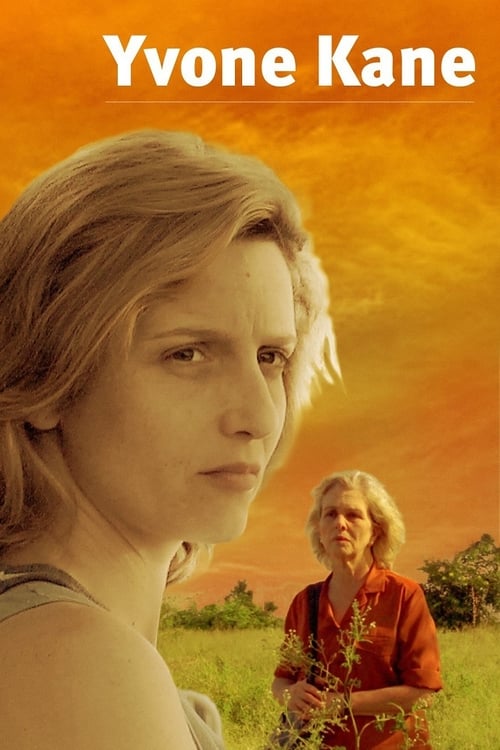
After her daughter's death, Rita returns to the African country of her childhood to investigate the death of Yvone Kane, a former political activist and guerrilla fighter. There, she becomes embroiled in a journey into the past of a land haunted by war and evil.
For a 13-year-old boy like Filipe, the prospect of a summer vacation in the Azores with his father is like a dream come true. But dreams are sometimes just a way to avoid facing reality.
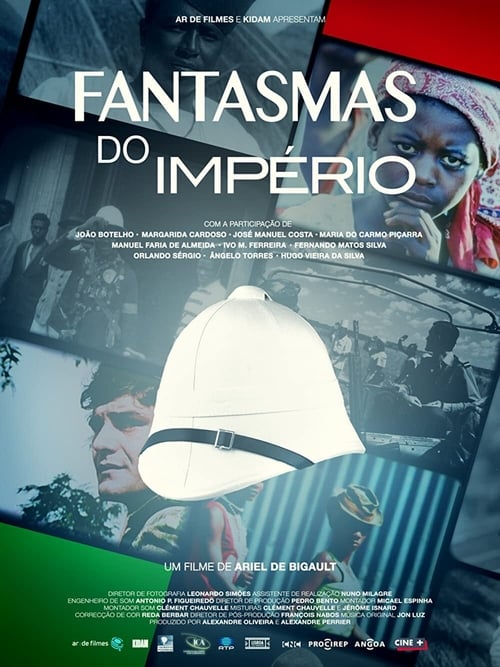
Ariel de Bigault's work has been connected to the routes of the Lusophone World. In Fantasmas do Império we are guided by the saotomean actor Angelo Torres through some works of the Portuguese cinema that explored its colonial past. Some directors as Fernando Matos Silva, João Botelho or Margarida Cardoso help to understand imperialism, colonialism, and propaganda seen through the "family album" which is the Portuguese cinematic collective imaginary.
In Cape Verde, where the majority of the population is young, children use olive oil cans, bits of sandals, leftover tires and pieces of cardboard to build their own toys. The absence of a consumer society and the challenges posed by insularity have led them to invent their own recreational independence with almost nothing.
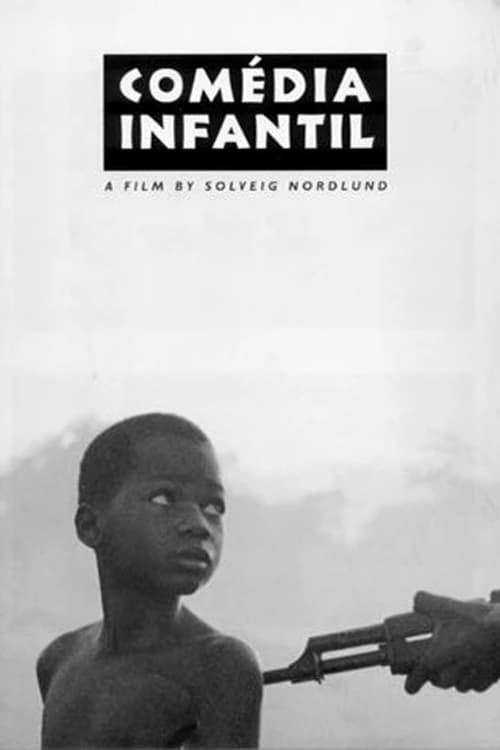
Based on the book by Henning Mankell (Sweden), this story takes place in Mozambique and is about a young boy, Nelio, who loses his entire family during a time of civil war. A wounded Nelio is found by a baker in the capital Mapouto; refusing medical treatment, the boy instead asks for sanctuary so he can tell his terrible tale. This he proceeds to do, starting with how the fighters arrived in his village and slaughtered many, to his captivity, his escape and his teaming with other orphaned street urchins to become their leader in survival.
Macau 1897. Life is easy for Portuguese settlers. Young reveler Francisco Frontaria is deemed as irresponsible for all his partying and boozing. Shunned and exiled for crossing a line by insulting the daughter of a prominent family, he finds himself penniless and vagrant.
Mário, eight years old, a kid who begs in the tourist paradise of Madeira island. One day in his life, from morning to evening.
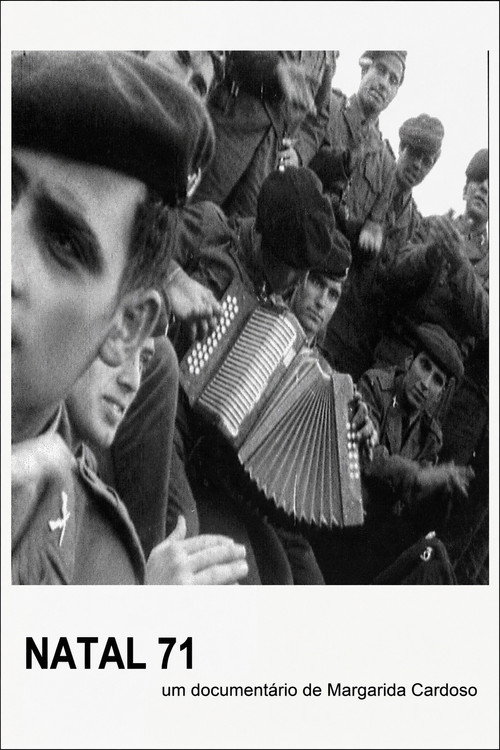
Natal 71 is the name of a record given to the soldiers of the portuguese colonies overseas for Christmas 1971. Niassa's Songbook is the title of an audiotape illegally recorded by soldiers during the war years, in Mozambique. They are memories from a country which was shut from the rest of the world, poor and ignorant, laid to sleep by a stale and primitive propaganda which tried to hide all the conflicts from us and kept us from thinking and recognising the repressive nature of the regime we lived in.
Miguel is what is commonly known as a Don Juan. He seduces women and afterwards takes them to take a picture next to Torre de Belém. Or so it was until he met Bárbara.