Acting
No description available.
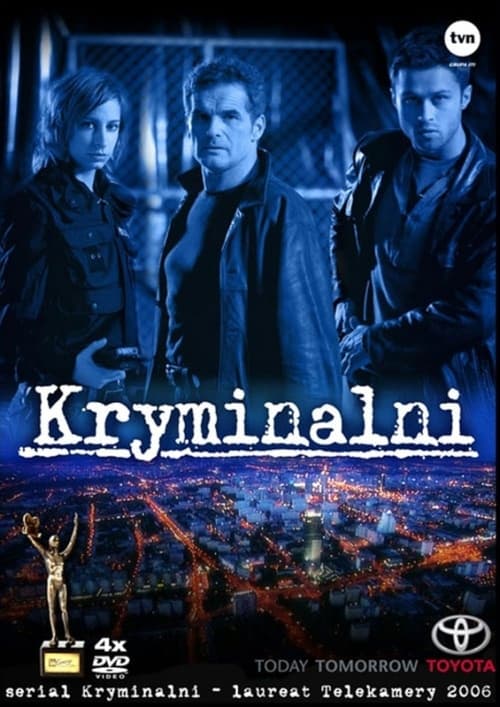
Kryminalni was a Polish crime drama television series that aired on TVN network from September 18, 2004 until May 24, 2008. It ran for 8 seasons and 101 episodes were broadcast in total. It was created by Polish director and screenwriter Piotr Wereśniak and produced by MTL Maxfilm studio. The series followed life and work of police officers from the elite Criminal Terror and Murders Division of the Warsaw Metropolitan Police; the title refers to police officers in the crime section. The three main characters were Adam Zawada, an experienced, tough cup, his younger colleague Marek Brodecki and Barbara Storosz, an ambitious female officer who in the first season joins the team just after graduating. Although none of the main actors had had star status before the series debuted, all three of them rose to prominence and popularity during the 5-year-long run. Many of Poland's best known actors guest starred, usually playing roles of people involved in just one particular investigation. The serial was one of the most popular in Poland: each week it had an audience of 4 million.
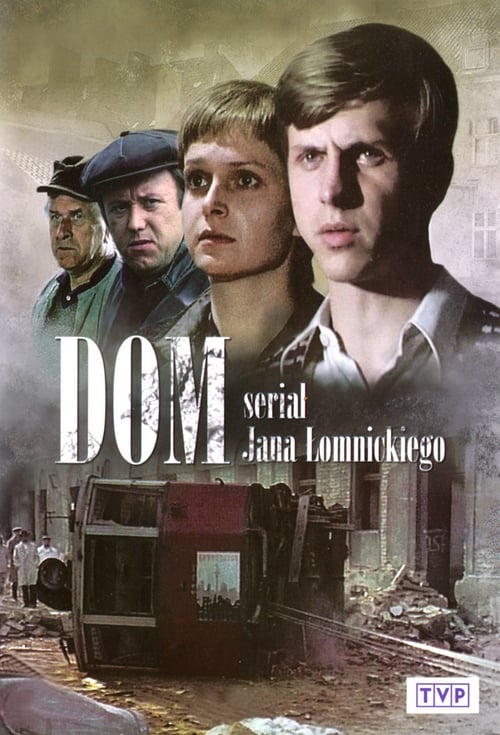
The story of the residents of a tenement house on Złota Street in Warsaw from 1945 to 1980.
A 'village idiot' tries to open a barber shop.
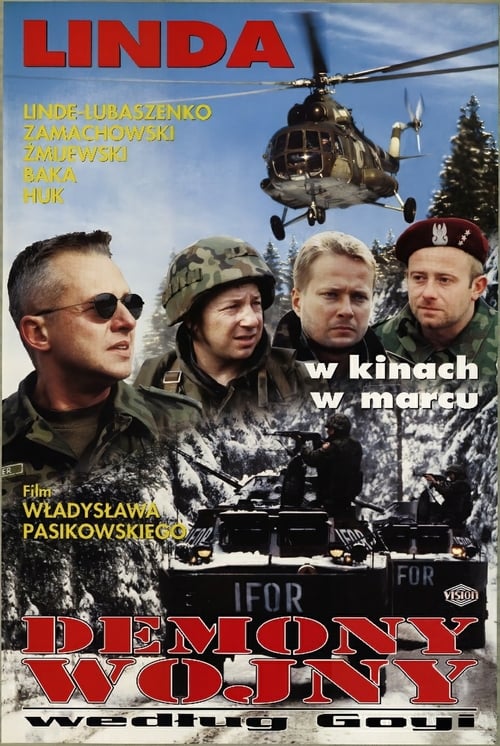
A detachment of the Polish IFOR forces in Bosnia is led by Major Keller, who is being investigated for insubordination during a patrol in Srebrenica. The investigation is to be led by two arriving officers - Lieutenant Czacki and Major Kusz who will also replace Keller as CO. When the camp's RTO receives a communication from a downed Norwegian chopper, Keller ignores his standing orders and leads a platoon to rescue the crew.
Piotr's life is not working out for him until he unexpectedly hits the cover of a popular magazine.
A lonely writer meets the woman of his dreams, but she marries another.
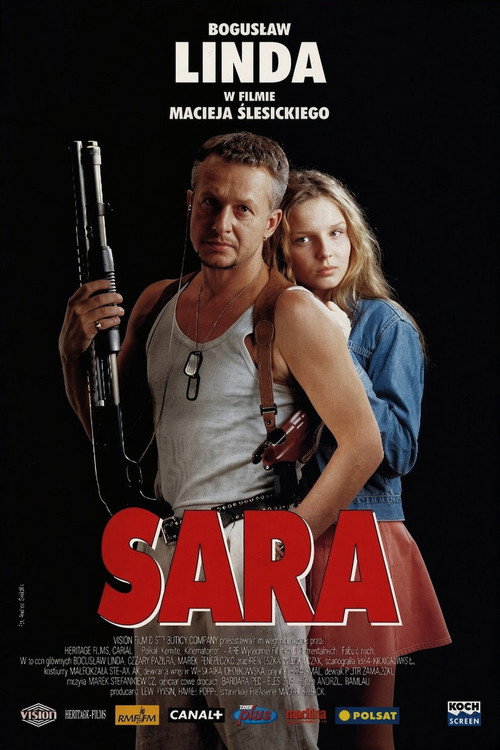
Sixteen-year-old Sara's father is a wealthy gangster and has a lot of enemies. Her father makes clear that whoever touches Sara will die and he looks for the right bodyguard to protect her.
When Maria's father sends her a valuable icon that he stole, she must decide whether to collect the reward or protect her father.
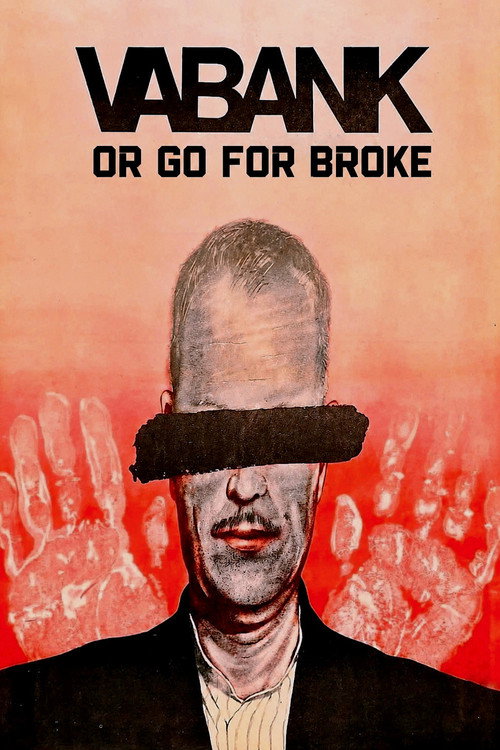
October 1934. Poland. Famous bank robber Kwinto decided to quit his dangerous criminal job, but after his friend's death, he changed his mind and organized a burglary of famous and well protected bank which belonged to his former partner in crime, backstabbing and double-crossing Kramer. Kwinto designs a clever plan not to only rob the Kramer's bank but to make it look like Kramer himself did it.
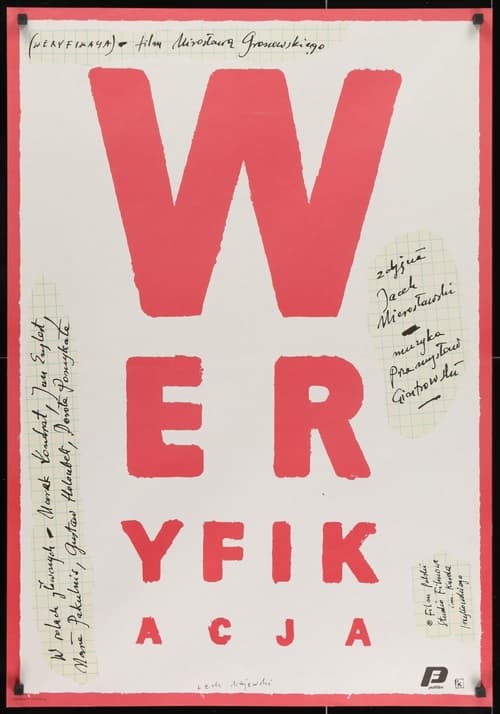
Based on the facts, the story of Dr. Barbara Makowska-Witkowska, arrested in 1983 by the civil militia. She was accused of beating up and stealing a drunk patient's wallet.
The year is 1989, and the country's first free elections in a long time are approaching. A man in a cycling cap organizes a chain of clean hands, using it as a tool in his election campaign. In the queue outside the passport office, people chat, make plans, and ponder what's worth selling abroad. Writers observe the world around them. One of them is applying for a passport. In Dzierżyński Square, the monument to Feliks Edmundowicz is being dismantled. Two drunk men sleep on a bench, and behind them is a sign reading: "All is well." The two writers observe the ongoing transformation of the political system.
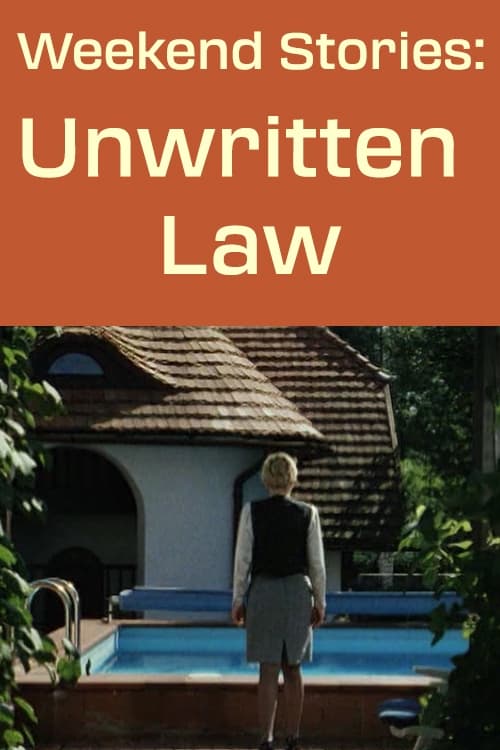
A handsome young chauffeur hired by a powerful and charismatic businesswoman discovers he has been made an unwitting party to fraud, but his moral outrage is complicated: the married man allowed himself to be seduced by the woman, who threatens to tell the man's wife.
Martial Law in Poland. Marek the journalist steals a truck and starts his quest.
The protagonist receives a sports bracelet for his birthday. While using the device, he discovers that increasingly strange things are happening in his life.
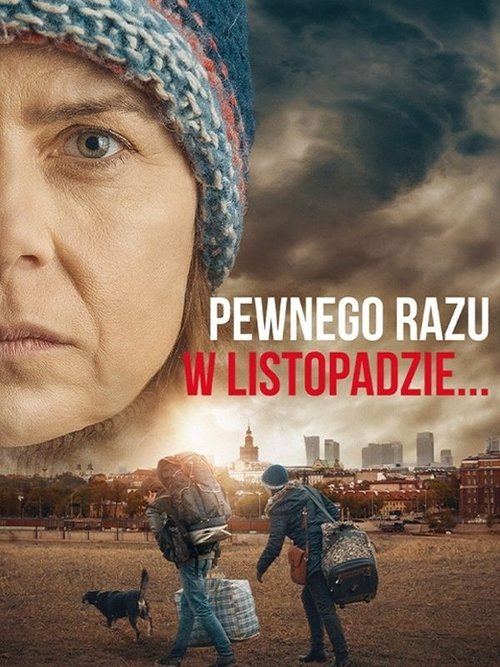
Mareczek takes Mamusia from a little allotment house in the outskirts where she has been spending the nights recently. It’s too cold for her to stay there. They set out to the city together with Koleś, a stray dog. They had both lost their flat due to the brutal policy of the city authorities and now they keep going from one shelter to the next. Although the dog is a burden in these circumstances, Mamusia doesn’t want to part with it. The woman makes herself comfortable in a squat where she and Mareczek witness the brutal attempt at burning down the building together with its inhabitants made by fascist militia who had left the Independence March on 11th November a moment earlier. The filmmakers used documentary material of true street incidents.
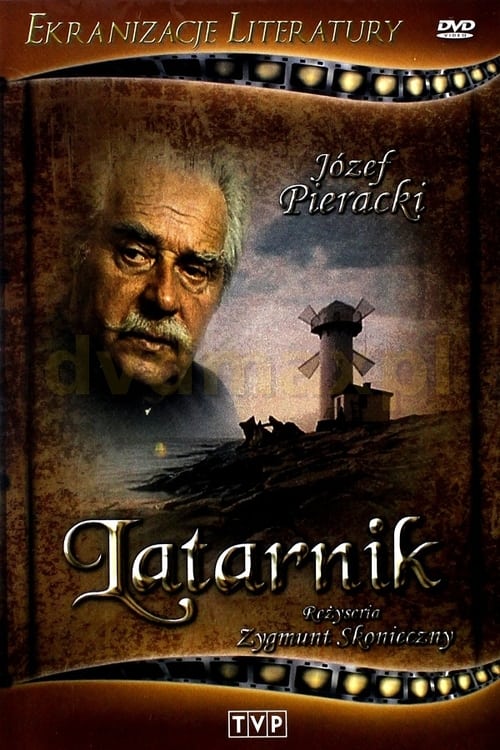
A Polish soldier settles on a small island, where he operates a lighthouse. Absorbed by reading, he does not fulfill his duties.