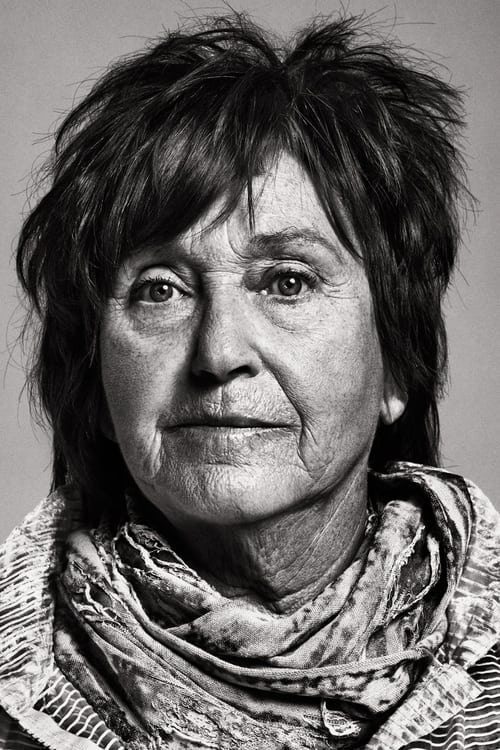
Valie Export
Directing
Biography
Valie Export (1940-2026), born Waltraud Lehner, was an Austrian artist. Her artistic work includes video installations, body performances, expanded cinema, computer animations, photography, sculptures and publications covering contemporary arts.
Known For
A 30-minute weekly cultural magazine program. The head of aspekte, Wolgang Herles, describes the program as follows: "For 40 years, "aspekte" has repeatedly set out to enrich television with cultural contrasts. "aspekte" understands culture not as the sum of facts and events, but as the taste, the sound, the rhythms of the times. It has proven itself as a journal of true luxury and fashions as well as an instrument of public education and information."
aspekte
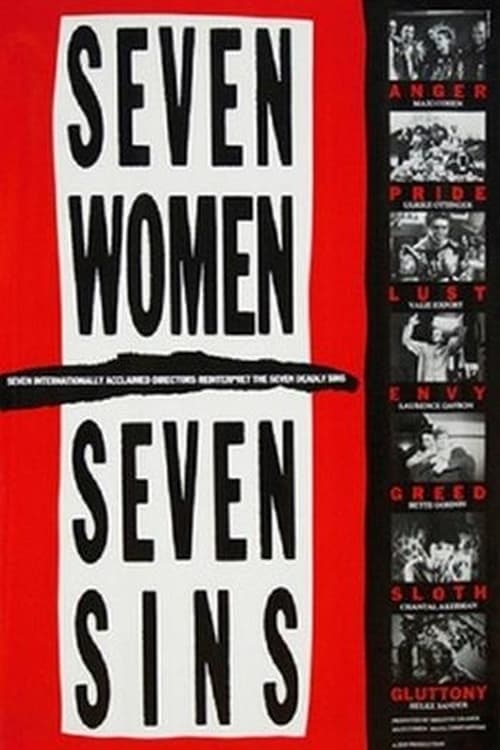
Seven Women, Seven Sins (1986) represents a quintessential moment in film history. The women filmmakers invited to direct for the seven sins were amongst the world's most renown: Helke Sander (Gluttony), Bette Gordon (Greed), Maxi Cohen (Anger), Chantal Akerman (Sloth), Valie Export (Lust), Laurence Gavron (Envy), and Ulrike Ottinger (Pride). Each filmmaker had the liberty of choosing a sin to interpret as they wished. The final film reflected this diversity, including traditional narrative fiction, experimental video, a musical, a radical documentary, and was delivered in multiple formats from 16, super 16, video and 35mm.
Seven Women, Seven Sins
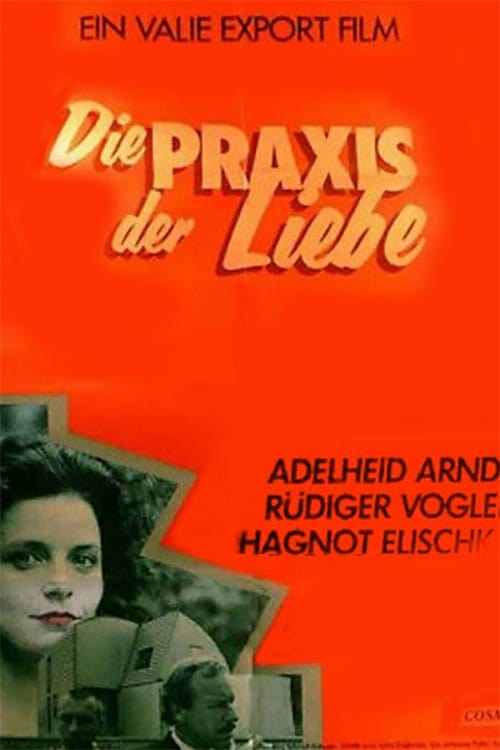
Judith is a maverick reporter who is also seeking a satisfying relationship with various men. She finds corruption and power-games everywhere.
The Practice of Love
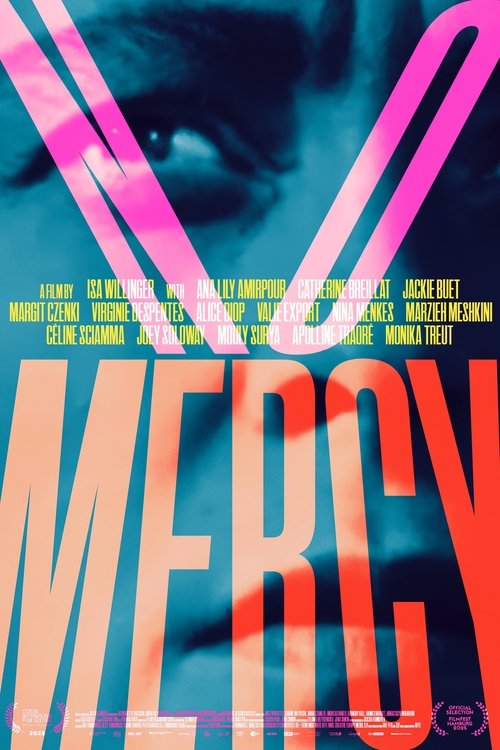
From the starting point of her admiration for the pioneering Ukrainian filmmaker Kira Muratova (1934-2018), the director poses a question: is cinema made by women really tougher, more violent? Seeking answers, she talks to great contemporary filmmakers like Catherine Breillat, Virginie Despentes, Alice Diop, Céline Sciamma, Ana Lily Amirpour, and Monika Treut, among others. It becomes obvious that the cinema screen is a space for the projection of real social problems and power relations.
No Mercy
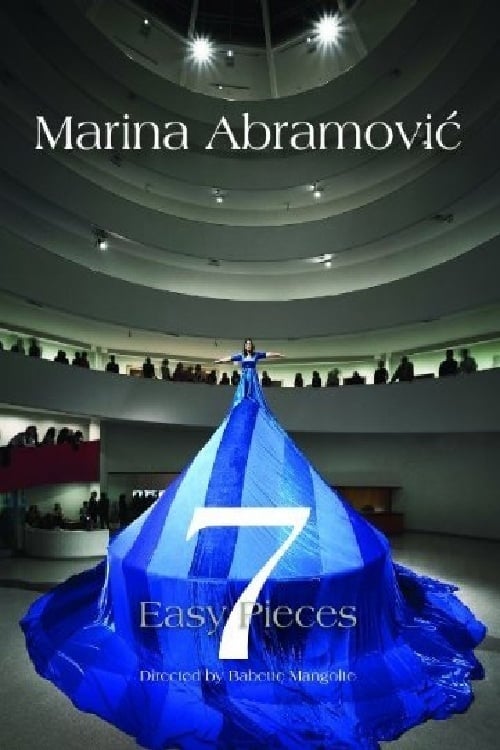
For Seven Easy Pieces Marina Abramovic reenacted five seminal performance works by her peers, dating from the 1960's and 70's, and two of her own, interpreting them as one would a musical score. The project confronted the fact that little documentation exists from this critical early period and one often has to rely upon testimony from witnesses or photographs that show only portions of any given performance. The seven works were performed for seven hours each, over the course of seven consecutive days, November 9 –15, 2005 at the Guggenheim Museum, in New York City. Seven Easy Pieces examines the possibilities of representing and preserving an art form that is, by nature, ephemeral.
Seven Easy Pieces
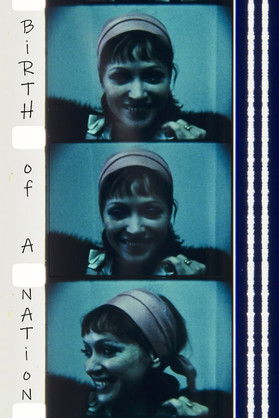
Jonas Mekas assembles 160 portraits, appearances, and fleeting sketches of underground and independent filmmakers captured between 1955 and 1996. Fast-paced and archival in spirit, the film celebrates the avant-garde as its own “nation of cinema,” a vital community existing outside the dominance of commercial film.
Birth of a Nation
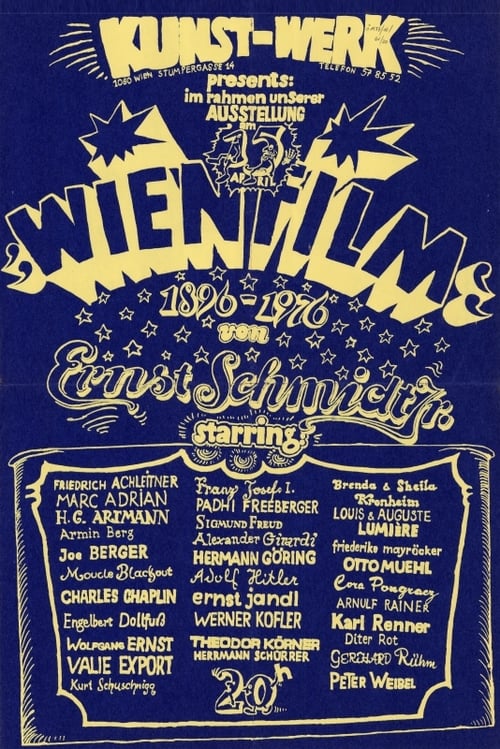
This film is a kind of anthology about Vienna, from the invention of film to the present day. The aim is to break down the usual clichéd "image of Vienna" such as that found in the traditional "Vienna Film" by juxtaposing documentary footage, newly shot material and subjective sequences created by various artists. Individual, self-contained sections of the film gain new meaning within the context of historical material. Familiar sites appear estranged when edited together with historical scenes. Other scenes appear like a persiflage or satirical. The film does not incorporate any commentary whatsoever. It is a collage of diverse materials aimed at conveying a distanced image of Vienna to the viewer
ViennaFilm 1896-1976

She is the godmother of performance art. With her shocking public actions she created in the late 60s images that have burned into the general visual memory until today. The life and work of the Austrian artist Valie Export exemplify a development in art history in which women sought and found new ways and means of expression. Her work provides a feminist counterpart to the Viennese actionism of her time, which has influenced numerous artists of subsequent generations. The innovative diversity of her artistic approaches makes Valie Export an icon of 20th century art history.
Valie Export - Icon and Rebel

"The rebellious voice, the split voice. The voice is suture, the voice is seam, the voice is cut, the voice is tear, the voice is my identity, it is not body or spirit, it is not language or image, it is sign, it is a sign of the images, it is a sign of sensuality. It is a sign of symbols, it is boundary. It speaks the ‘split body,’ it is hidden in the clothing of the body, it is always somewhere else. The breath of life is its source." – VALIE EXPORT "That the vocal organs visually rhyme with female genitalia, that when they are in use, they create a fascinating flow of movement and change, makes this work a compelling new iteration by an artist who has given voice to her female body through a myriad of frames." – Maureen Turim
I turn over the pictures of my voice in my head
Space Seeing - Space Hearing uses sound and image editing, as well as split-screen effects, to create a performance from a motionless body. The work comprises six distinct sections that create a rhapsody of sound and image. The original full-length/linear film cut of the performance. Later edited into a different six minute work of the same name (released in 1980).
Seeing-Space and Hearing-Space - Original length/linear cut
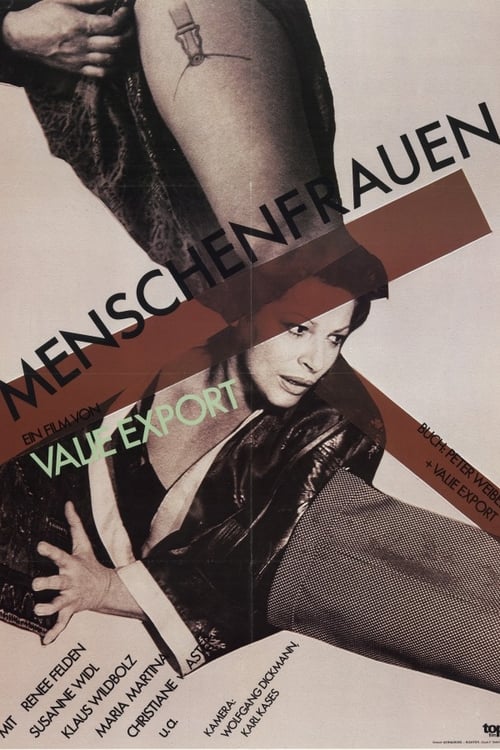
Menschenfrauen is a film about relationships and the psychological oppression of women in society. Franz, a journalist, maintains relationships with four women. His three mistresses are introduced with television dreams of intense emotional violence (in the first dream, a mother shouts at her daughter, explaining that as a girl, she does not deserve a room of her own), and the fourth is his wife. He is desperate to have each to himself. Franz never offers a substantial sign of love, but is willing to say anything and make any promise for affection. His dependence on women for fulfilment is explained through arguments with his wife. He claims "I am my own sound. The women produce voices within me." An understandable and sometimes sympathetic antagonist is one of the films greatest strengths. The emotional damage he causes becomes believable.
Menschenfrauen
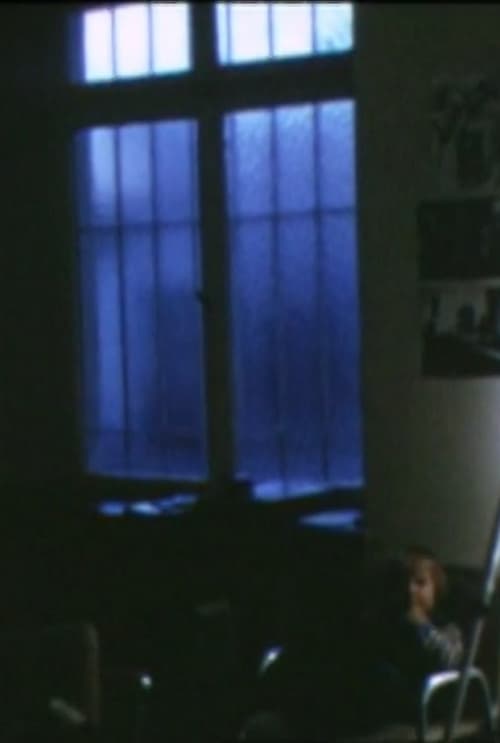
Home movies shot on Super 8mm by W+B Hein over 10 years.
Home Movies 1971-81
A densely symbolic video performance that became a scandal in 1977 when Staberl, one of Austria’s most infamous right-wing columnists, attacked Export as a violator of animal rights. Export won the ensuing court case with a beginner’s lesson in filmmaking for the judge and jury…
Asemie – The inability to express oneself through facial expressions
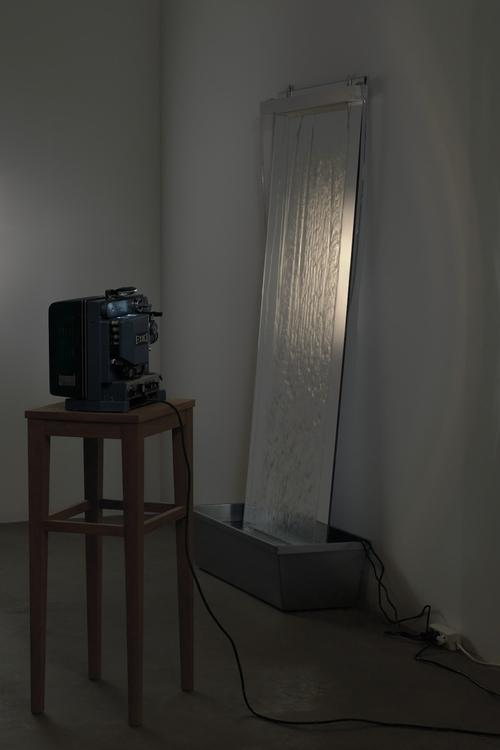
The concept of “expanded” cinema developed by Export and Peter Weibel involved radical experiments with the filmic apparatus and materialist investigations of the production of illusion. Abstract Film No. 1 is an example of this critical investigation of the technology of image production. A film projector casts light on a mirror with tinted liquids running across it. The actual image appears as a reflection on a screen—or an abstract film. —Christian Kravagna
Abstract Film No. 1
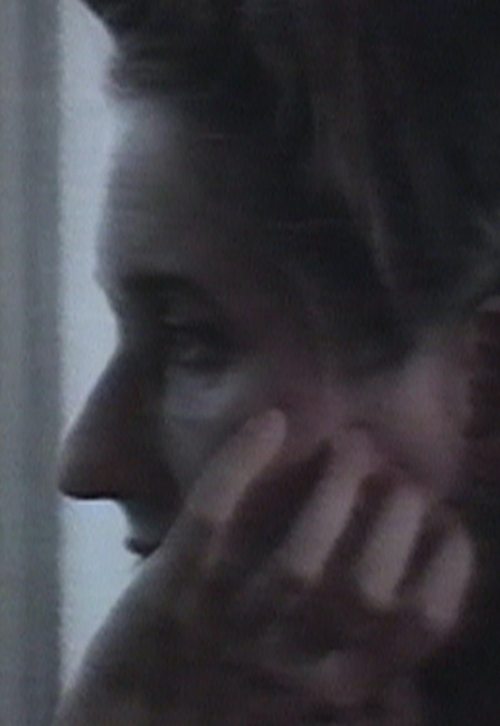
“Writer Elfriede Jelinek has repeatedly made statements about her television-watching habits. She watches a great deal, a wide variety of what is broadcast, though rarely for pleasure or the purpose of gaining knowledge. On the contrary, the TV program is one of her favorite objects of study. Three separate times on a particular day, while sitting in a comfy TV chair, she commented on Austrian TV news for VALIE EXPORT.” – Brigitta Burger-Utzer
Elfriede Jelinek. News from Home 18.8.88
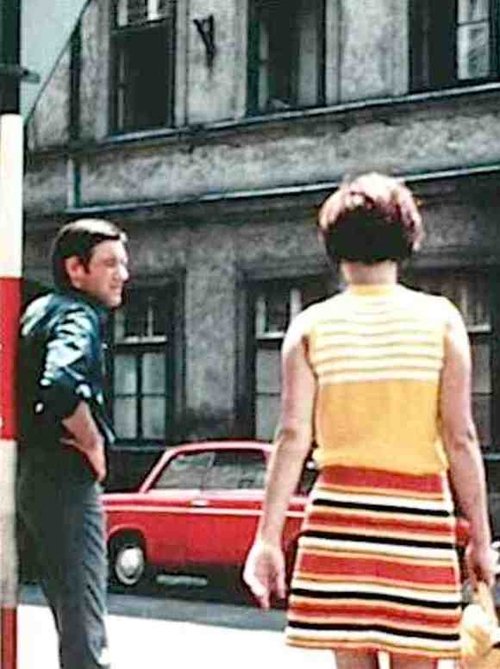
Documentary and pseudo-documentary procedures were filmed simultaneously by two cameras from different viewpoints. The material was then divided into phases of movement. In the montage each phase was doubled. The techniques used in this process vary. Also the sound was doubled, again using different techniques. Two realities, differently perceived according to the conditions of this film, were edited into one synthetic reality, where everything is repeated. This doubling up destroys the postulate: identity of copy and image.
Hernals
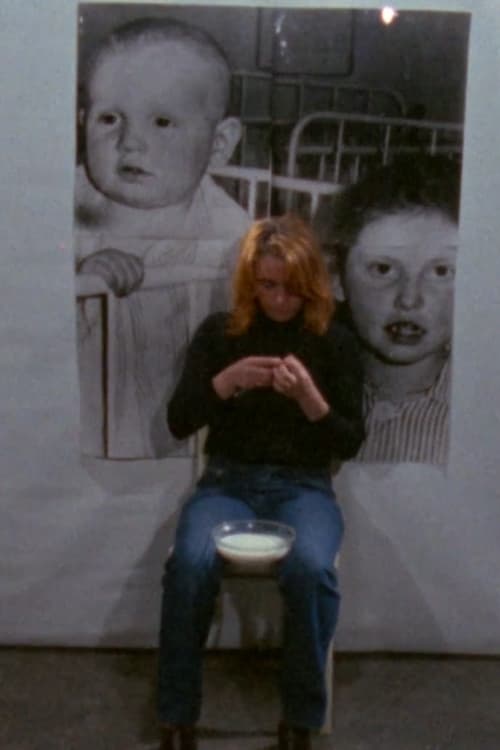
With sometimes painful directness, Valie Export conducts a psychological investigation of the body in this film performance, externalizes an internal state. In front of a police photo showing two children who were sexually abused by their parents, she tortuously cuts into her cuticles until blood drips into a bowl of milk on her lap. On top of the symbolic plane of blood and milk, the physical effect on the viewer of her destructive act of self-mutilation is extreme.
...Remote..... Remote....
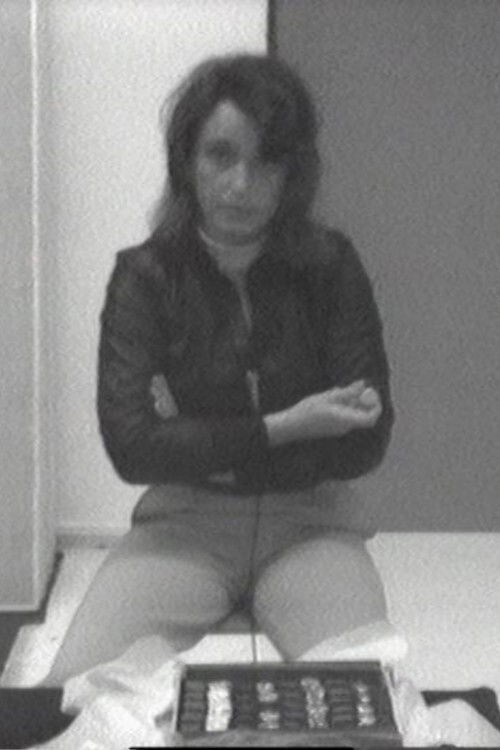
The subtitle of this merry performance is "An Action Text", indicating that the artist's introduction for the vaudeville number was an inflammatory impetus. Export provides precise instructions for the use of a wrapped box of chocolate-covered candy produced by the renowned Viennese company Hofbauer. However, she has not made an advertisement for them and their presentation, but instead, she extols the packqge and confection as a work of art. Severe degradation of the surviving tape further blurs our perceptions.
The Sweet Number - An Experience of Consumption
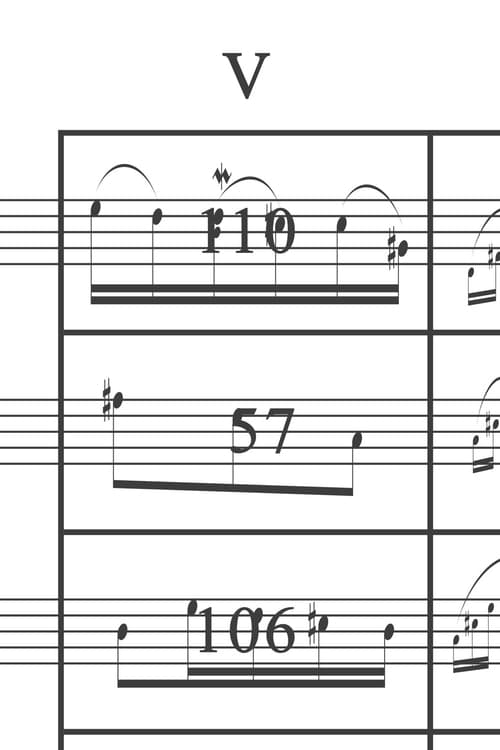
The starting point for this film is an eighteenth-century musical dice game attributed to Wolfgang Amadeus Mozart. A sequence of short, precomposed musical options are randomly selected through rolling dice and following a table of rules; these sequences are then patched together to create a new composition. Here we see one possible result of this chance procedure.
Anagrammatical Composition with Dice by VALIE EXPORT (after W.A. Mozart, Piano) for Soprano Saxophone
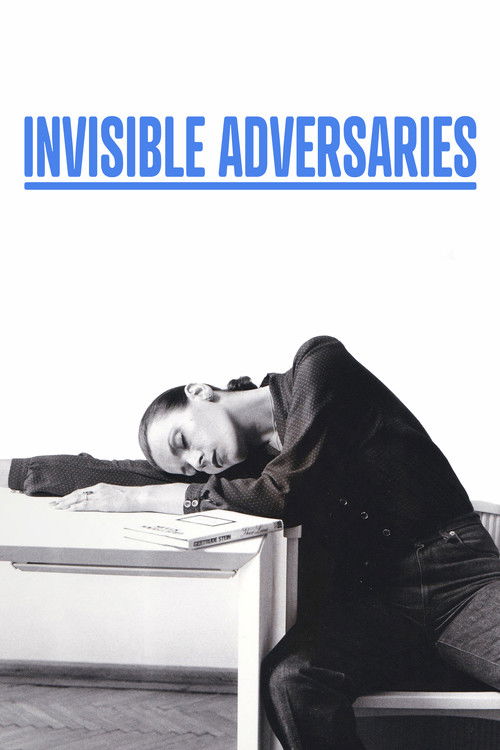
Anna, an artist, is obsessed with the invasion of alien doubles bent on total destruction. Her schizophrenia is reflected in the juxtapositions of long movie camera takes with violently edited montages: private with public spaces; black & white with colour, still photographs with video, earsplitting sounds with disruptive camera angles. Anna uses her body like a map; after a devastating quarrel with her lover, she paints red stitches on herself. Watching their scenes together, we realize how seldom, if ever before, the details of sexual intimacy have been shown in film from the point of view from a woman. Export privileges rupture over unity and never settles for one-dimensional solutions