Writing
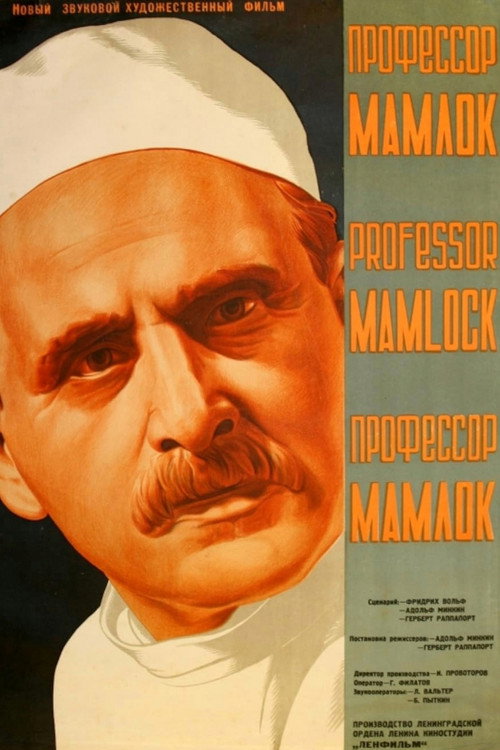
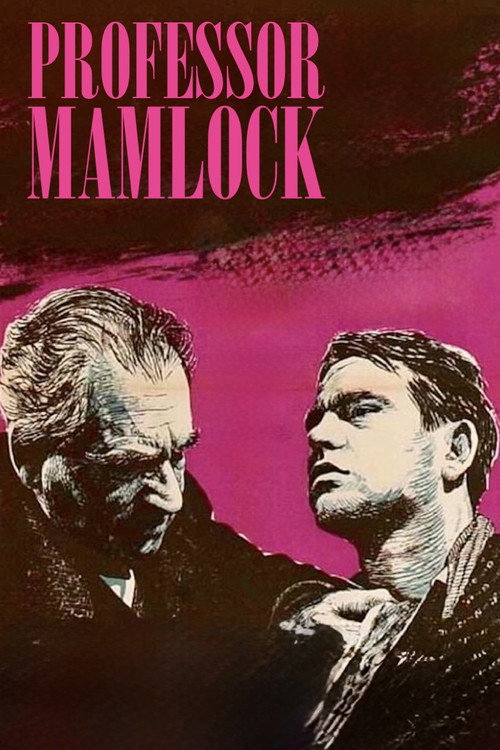
Based on a play by a German-Jewish exile in Moscow, Friedrich Wolf, and directed by an Austrian-Jewish exile in Moscow, Herbert Rappaport, the film tells with the story of an apolitical humanitarian Jewish doctor and his politically-aware, fascism-resisting son, an intern, as their lives become entangled with the Nazis’ rise to power in 1930s Germany, where they live and practice. Things come to a head when the Nazi organization takes control of their hospital, and place a rabid antisemitic physician in charge over Mamlock and his staff.
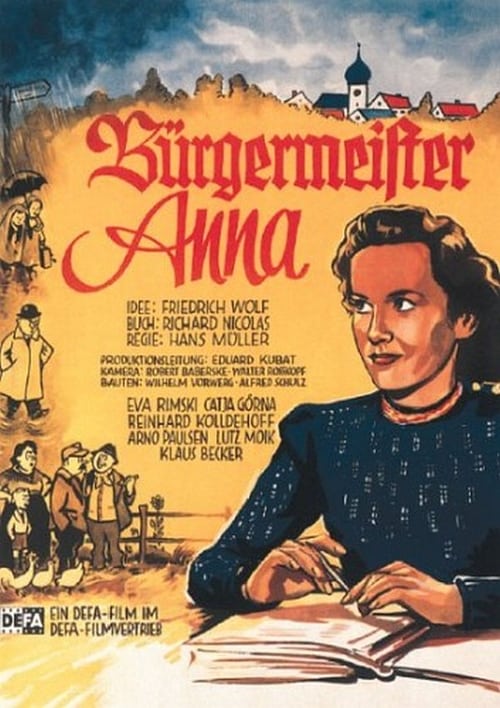
A novelty in German post-war history: a young woman becomes mayor in a village. She is efficient and enjoys respect, but soon enough two villagers disagree with her work. In her predecessor, a prominent farmer, she has a bitter enemy. But even her boyhood friend, who wants to marry her as he returns home from captivity, can not accept that his future wife holds such an office.
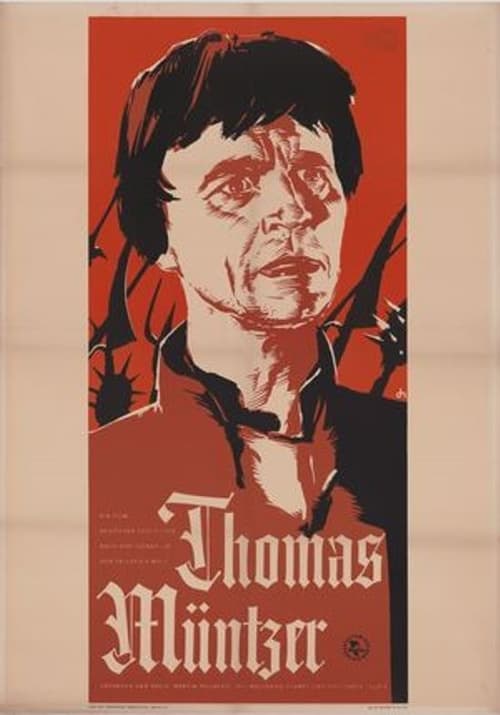
In 1523, young Thomas Müntzer arrives with his wife Ottilie in the Thuringian village Allstedt to assume the rectorate. As a follower of Luther′s teachings, he finds in the Bible not only reasons for clerical, but also for secular reforms. But when Luther turns away from the rural population after a discord with Müntzer, it is Müntzer who becomes the peoples′ spokesman. He is forced to go to Southern Germany, where he convenes with revolting farmers. But his way leads him back to Thuringia. In 1525, he and Heinrich Pfeiffer form the centre of the Thuringian peasant uprising in Mühlhausen, but their success is diminished by the fact that peasants and craftsmen don′t seem to be able to work together. In Frankenhausen, Müntzer becomes the leader of a peasants′ army that is set to fighting the ruler′s army – and sustains a devastating loss. Müntzer is arrested and sentenced to death by decapitation for his insurgency.
A beautiful seagull is injured during a storm, ends up in a forest and joins a family of woodpeckers. She is rejected by the older members, but the young woodpecker falls in love with her. So he leaves the forest at home and takes her to the sea, where the seagulls live. There the alien is also rejected. Now they are both looking for a land where they can be happy undisturbed. Several times we see a lonely seagull soaring over the waves of the sea and a woodpecker knocking on the trees of the nearby forest - before both find each other again in the community.
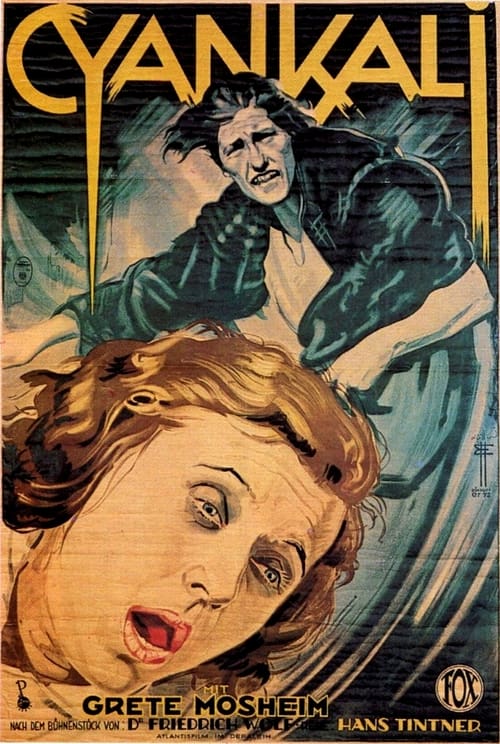
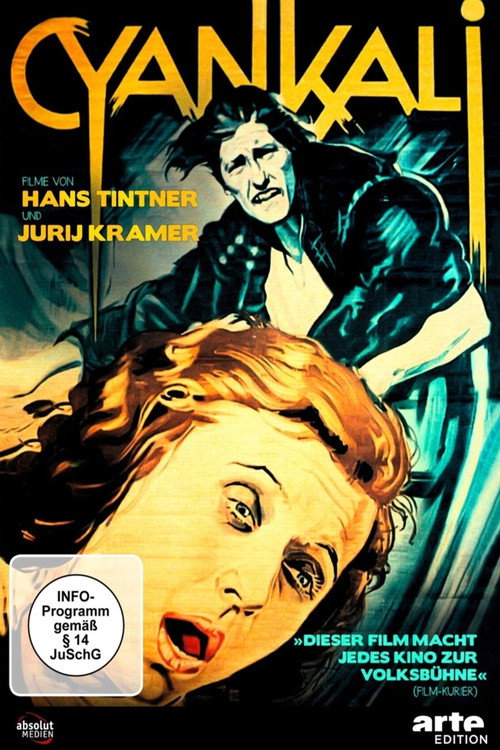
Drama based on a play by Friedrich Wolf. Hete is pregnant, hoping to have a family with her fiancé Paul. When the factory where she and Paul work sacks all striking workers, she tries to find a legal abortion. But there is only the illegal option - the eponymous cyanide.
At the end of the 1980s, a film team is about to visit Lukas Wolf, Friedrich Wolf's eldest son, who lives in the state of New York, USA. They carry with them a letter from his half-brother Markus Wolf the Stasi chief from GDR. The brothers have not seen each other since 1933; on the other hand, Lukas met his other half-brother Konrad Wolf once in New York City, where they got along very well, after many years of separation. Johanna and Lukas come from Friedrich Wolf's first marriage with Käthe Gumpold, Markus and Konrad, from the second wife Else Dreibholz.
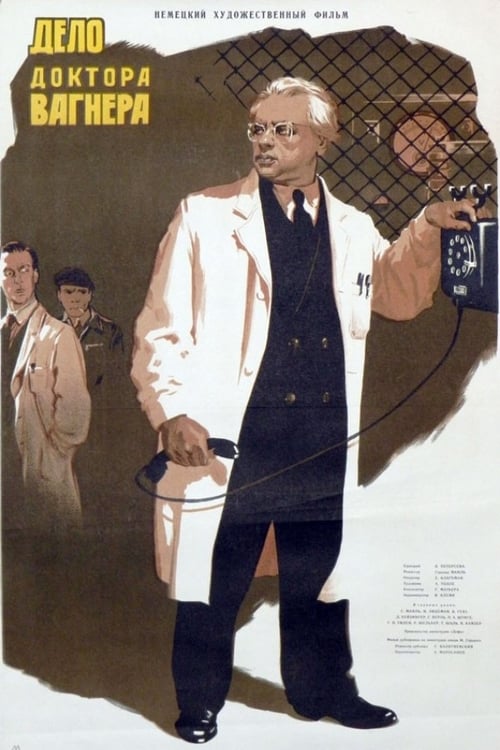
Dr. Wagner is a scientist currently working on an experiment for the Asta plant in East Berlin. If the experiment is successful its a brilliant new invention. But Wagner is the target of sabotage, and all the decisive experiment fails. Wagner can not explain this setback.
A Jewish chief of surgery in 1933 Germany remains blind to the rising Nazi threat, dismissing political dissent from his son and a patient, until his family faces increasing anti-Semitic persecution.
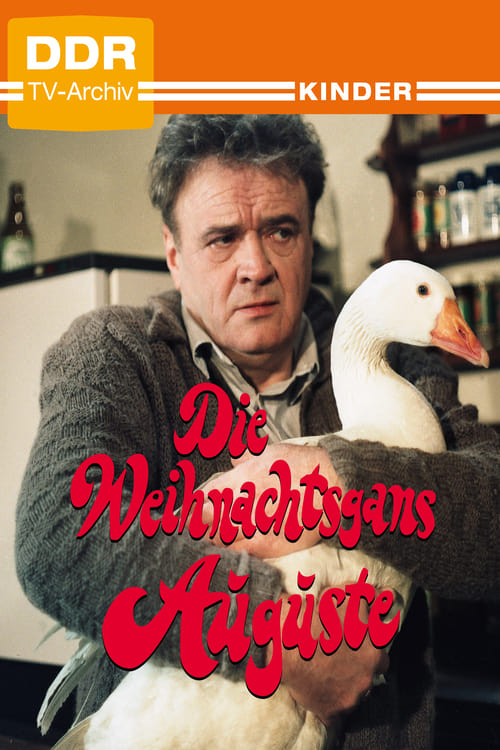
When Luitpold Leuwenhaupt sees a faboulous goose in the local pet shop, he can't resist buying it for christmas. But the three kids become friends with the goose, calling her 'Auguste'. So, is there any way left for Luitpold to make a fine christmas feast out of Auguste?
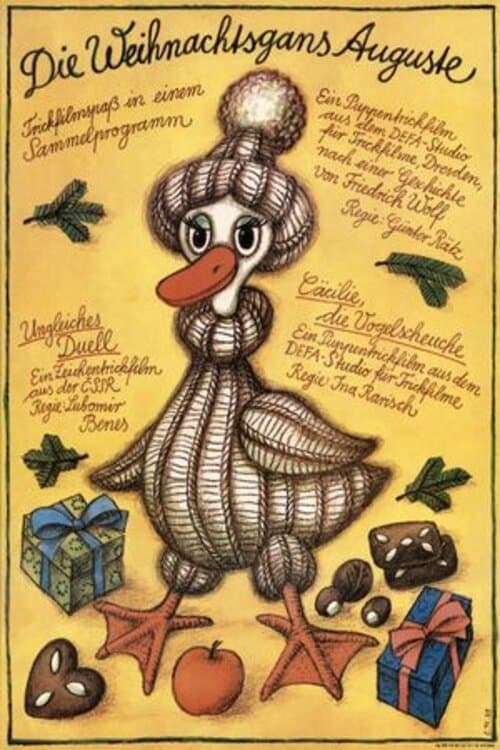
The opera singer Ludwig Löwenhaupt wants a proper festive roast for Christmas, so he buys a goose in advance to feed the whole family. What he doesn't realize, however, is that the children, Elli, Gerda and Peterle, will grow fond of the animal, which is christened Gustje, and will no longer want to eat it. After the "liberation", the "five kilos of meat", which were initially locked up in the cellar, become a pet that the children take to bed with them and communicate with. But shortly before Christmas, father Löwenhaupt still wants to slaughter them. However, as his family protests and his conscience gets in the way, he can't slaughter the goose after all. So Gustje only has to leave a few feathers as proof that she has been plucked, and the opera singer is given another goose that has already been cut up.
A musical play based on the story by Friedrich Wolf.
Berlin, end of the 1920s. Young factory workers Hete and Paul are expecting a child. When first Paul and then Hete become unemployed, the two look for ways to terminate the pregnancy. Hete goes to a doctor, but he refuses to give her the necessary document for the abortion. As a result, Hete and Paul want to carry out the abortion themselves, using a stolen instrument. Fearing for Hete, Paul aborts the attempt. So Hete turns to an illegal abortionist, who sends the feverish girl away with a bottle of cyanide, which is supposed to help in small doses. Hete goes to her mother, who takes care of her and also gives her the cyanide drops. But Hete exceeds the dose.
Spain 1936: Despite the victory of the Popular Front, nothing has changed for the peasants; the grandees continue to oppress them. The poor peasant son Pablo fights back and encourages the others to demand their rights. The grandees flee. Students from Madrid arrive and help the rural population to democratize. Pablo falls in love with Magdalena and learns to read and write from her. When Franco begins his bloody attack on the young republic, they defend the village together. When Magdalena dies in a bombing raid by German planes, Pablo begins to hate the Germans. However, fighting together with the International Brigades, he realizes that there are other Germans too, and that they share a common enemy.
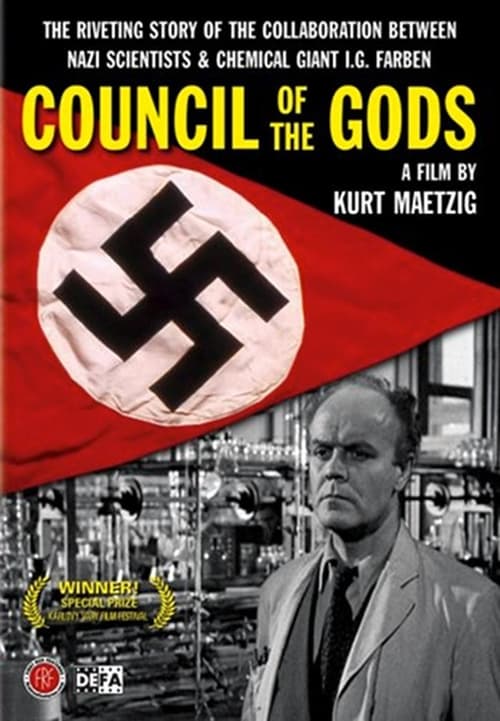
Based on the records of the Nuremberg trial of the chemical giant IG Farben; a story about the collaboration between international corporations and Nazi scientists, whose research contributed to the death of millions. The chemist Dr. Hans Scholz lives through a tortuous political transformation and maturation process. Eventually, he adopts political neutrality and closes his eyes to the fact that the poison being produced in his factory is being used in the extermination camps. Standing before the judges at the Nuremberg trials, he must face the fact that he is implicated in the deaths of millions in the gas chambers of the concentration camps.
An expedition goes in search of a party lost in the Arctic a year earlier.