
Katarzyna Bargiełowska
Acting
Known For

The true story of pianist Władysław Szpilman's experiences in Warsaw during the Nazi occupation. When the Jews of the city find themselves forced into a ghetto, Szpilman finds work playing in a café; and when his family is deported in 1942, he stays behind, works for a while as a laborer, and eventually goes into hiding in the ruins of the war-torn city.
The Pianist

Three-year-old Nikola Szlezyngier disappears in unexplained circumstances and her parents Angelika and Dawid are the main suspects. Angelika contacts an old friend Joanna Chylka, a brilliant, cynical and successful lawyer to help. With her new apprentice Kordian, Joanna will try to bring the case to a happy close.
The Defence
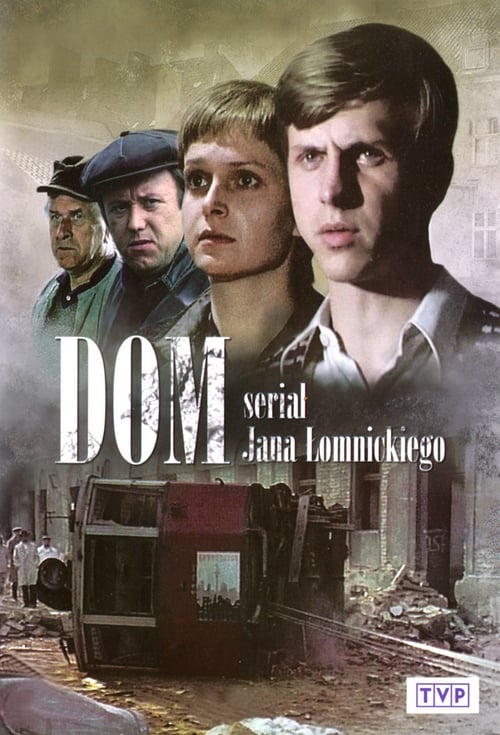
The story of the residents of a tenement house on Złota Street in Warsaw from 1945 to 1980.
Dom
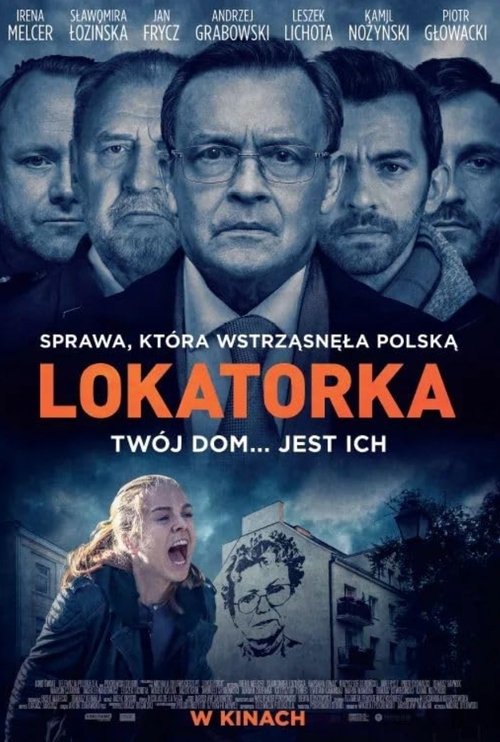
No description available.
Tenant
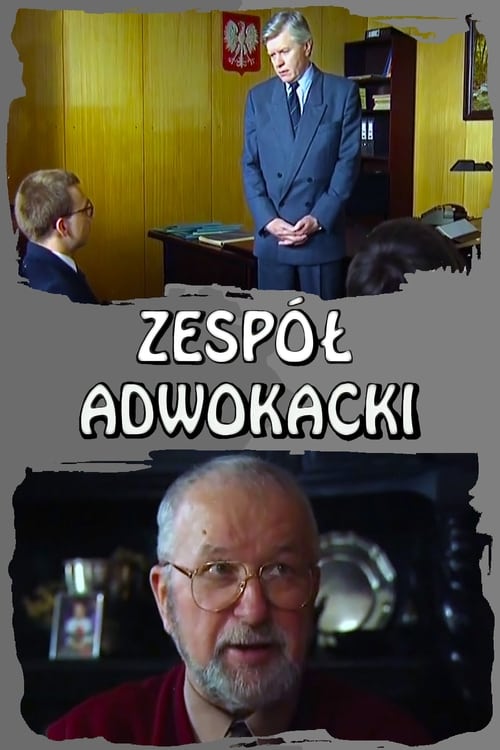
A story about the professional and personal struggles of the lawyers at a law firm in a town near Warsaw. In their work, they encounter a wide range of human problems, while often dealing with complicated family lives of their own.
Zespół adwokacki
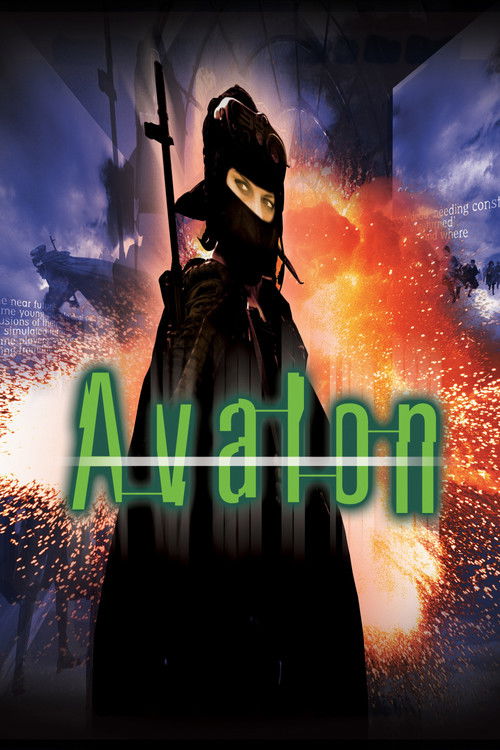
In a future world, young people are increasingly becoming addicted to an illegal (and potentially deadly) battle simulation game called Avalon. When Ash, a star player, hears of rumors that a more advanced level of the game exists somewhere, she gives up her loner ways and joins a gang of explorers. Even if she finds the gateway to the next level, will she ever be able to come back to reality?
Avalon

A duplicitous young man finds success in the dark world of social media smear tactics — but his virtual vitriol soon has violent real-life consequences.
The Hater

A story of a mother who had to change her profession from a teacher to a high class prostitute to make a living.
Daughters of Fortune

A true story of Jurek, an eight-year-old boy, who escapes from the Warsaw ghetto, then manages to survive in the woods and working as a farmhand, disguising himself as a Polish orphan.
Run Boy Run
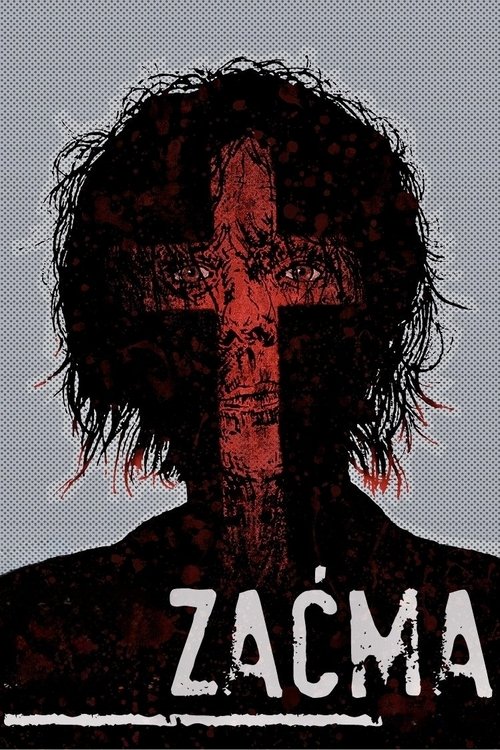
A little known episode from the life of Stalinist security police office Julia Brystiger. Her nickname Bloody Luna was a reference to her incredibly brutal methods of interrogation. In the early 1960s, she appears in a centre for the blind on the outskirts of Warsaw, a place often visited by Cardinal Wyszyński, whose imprisonment in 1953-1956 Brystiger supervised personally. During a difficult and heated discussion with the cardinal, Brystiger denounces the communist ideology and begs for forgiveness for her crimes and for guidance in her search for God.
Blindness
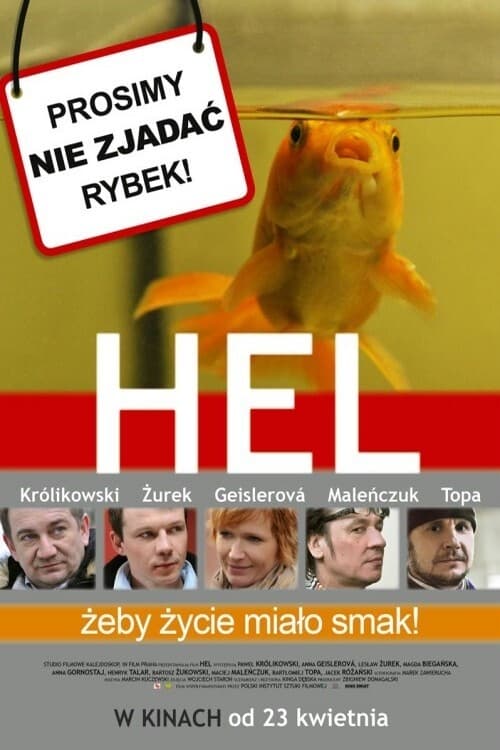
Piotr is a psychiatrist. He is on night duty when a boy is brought to his ward. It is Kamil, the son he hasn't seen in years. The boy disappears from the hospital as quickly as he appeared. However, Piotr decides to get in touch with him. He invites him to his place and introduces him to his beautiful young fiancée. After Kamil's visit, the woman realizes that Piotr is a mystery to her and that she really knows nothing about him. And Piotr does indeed hide a dark secret...
Hel
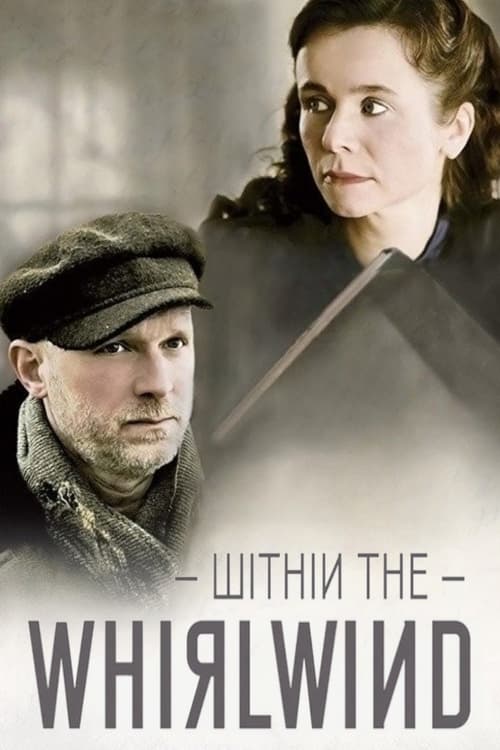
During Stalin's reign of terror, Evgenia Ginzburg, a literature professor, was sent to 10 years hard labor in a gulag in Siberia. Having lost everything, and no longer wishing to live, she meets the camp doctor and begins to come back to life.
Within the Whirlwind
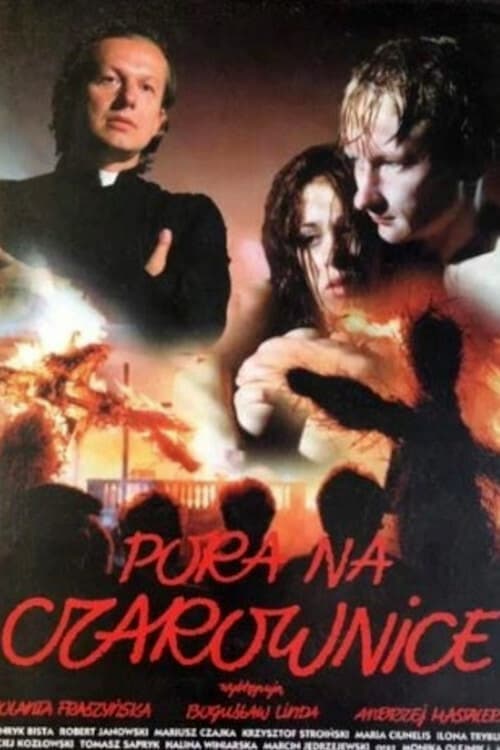
Twenty years old prostitute and drug addict, Jola, by chance meets Andrzej, a "railway station gay". They try to stay together, in spite of numerous diffculties. They both are carriers of the HIV virus. At the end of their travels they find themselves in the Red Palace - formerly the recreation centre for Party dignitaries, now a home for AIDS sufferers - which is run by father Jan. In the nearby small town aggression begins to grow again the unwanted guests; the house have been promised to the local people for housing purposes... The lives and fates of Jola, Andrzej, and father Jan become increasingly intertwined with one another...
A Time for Witches

37-year-old Marta gets married and wants to have a baby. But her toxic relationship with overbearing mother complicates her life in many ways.
Close-Ups
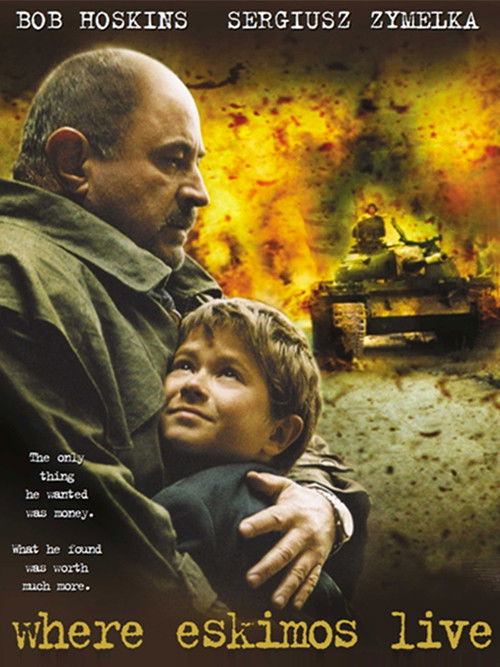
Sharkey, part of the sinister world of child trade, picks up Vlado, an orphan of war, dreaming of freedom and a better life. They embark upon a strange and enlightening journey through war torn Bosnia. As they struggle to get out of the country and fight to stay alive, they find a special love and compassion from which emerges their ultimate moral and spiritual redemption.
Where Eskimos Live

Piotr and his girlfriend Weronika plan their future together. They don't expect one evening to change everything. Not only in their lives.
Asymmetry

Marek, the main character of "Palimpsest," is a police inspector, a man on the verge of psychological disintegration trying to solve an intricate case. The story is told on two planes. The first one is a crime story, which constitutes the framework of the film. In the course of events, another theme appears - psychological experiences of the main character. Vivid blend of picture with sound and music will draw the audience into the deepest recesses of Marek's mind, making the viewers face questions: What is reality and what is only an illusion? Where is the borderline between the real world and our perception of it? What makes suffering meaningful and what is really important in one's life"?
Palimpsest

A man, after having abandoned his family to live in a monastery, goes back into the world after 17 years.
Tomorrow's Weather
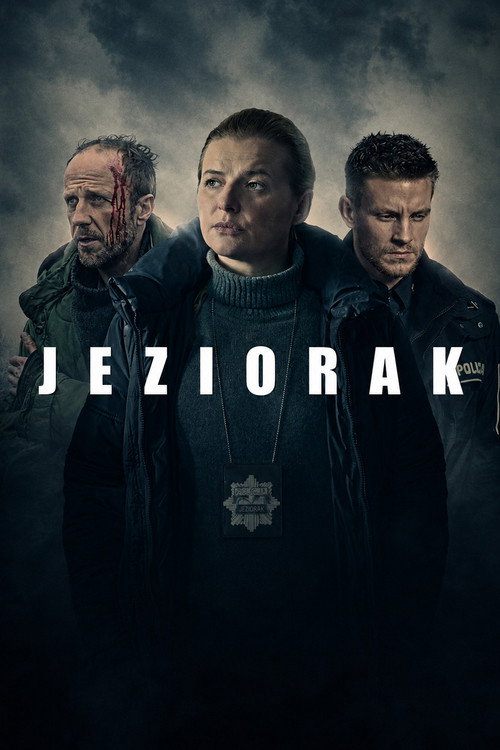
A provincial police unit raids a forest moonshine operation but is ambushed, leaving one officer wounded and the bootlegger at large, while simultaneously a young woman’s body is found drifting on a lake. Pregnant Sub-Inspector Iza Dereń juggles these intertwined investigations, helped by her junior colleague Marzec, just as two fellow officers, including her partner, vanish.
Jeziorak
The final stage of the great artist's life, a stage in which Witkacy decides to destroy himself. A growing sense of danger, the futility of all actions, and fear of what is to come accompany him constantly during his escape from Warsaw to the East at the outbreak of World War II. Everyday facts and events are intertwined in the film with reminiscences and images from his life, supported by the artist's inner monologue. The style of narration and the way of filming make the film a poignant study of the writer's inner disintegration. By emphasizing the painterly quality of the image and introducing dreamlike themes, Kluba captures on screen the characteristics of both Witkacy's playwriting and painting.