Directing
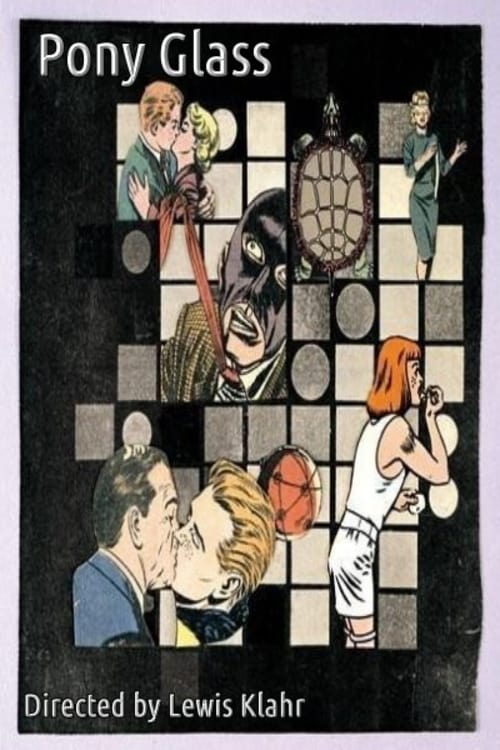
A short animation film by Lewis Klahr.
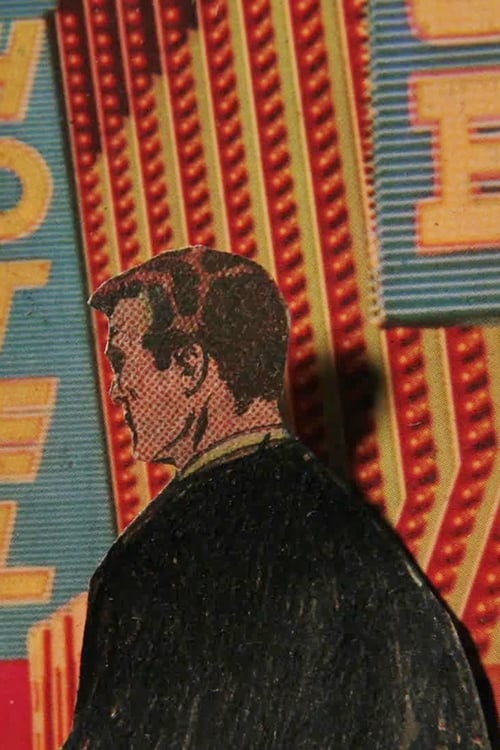
An associative montage with color flicker accents that riffs off the mythology of hedonistic musicians and seedy Hollywood hotels. The song is by my good friend Bryan Senti who performed under the moniker of Ex Mykah for this his pop Lp debut.—L.K.
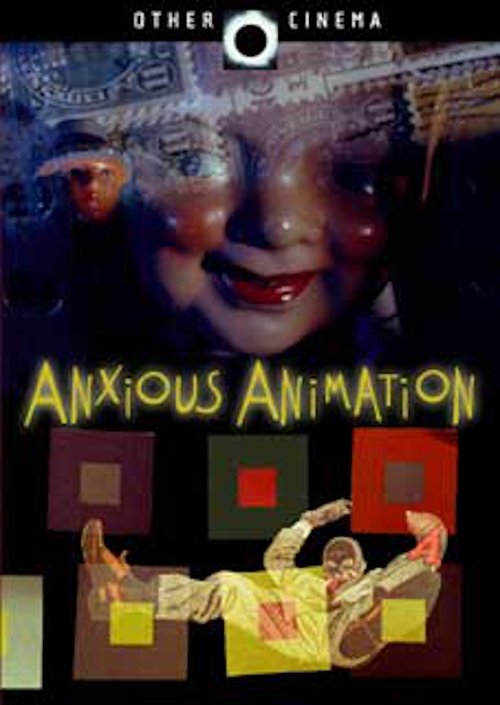
This aint no Pixar. This is aint no Disney. This aint no foolin around. ANXIOUS ANIMATION presents six contemporary film artists who take us into surreal worlds of delirium and paranoia The reigning proponent of cut-and-paste, LEWIS KLAHR nourishes intensely private visions on the compost heap of collective fantasy through old magazines, comic books, and cocktail iconography.Complex, full of charm, and pervaded by themes of loss, JANIE GEISER simultaneously creates and deconstructs fantasies through doll-like figurines, cut-outs, and found objects in her cryptic narratives.JIM TRAINORs handmade animations explore the inner lives of animals that appear strangely self-aware even as they instinctually copulate, feed, fight, kill and die.The Bay Area collective of RODNEY ASCHER, SYD GARON, and ERIC HENRY conjure diabolical visions with digital savvy, accompanied by the manic music of Buckethead and DJ Q-Bert.
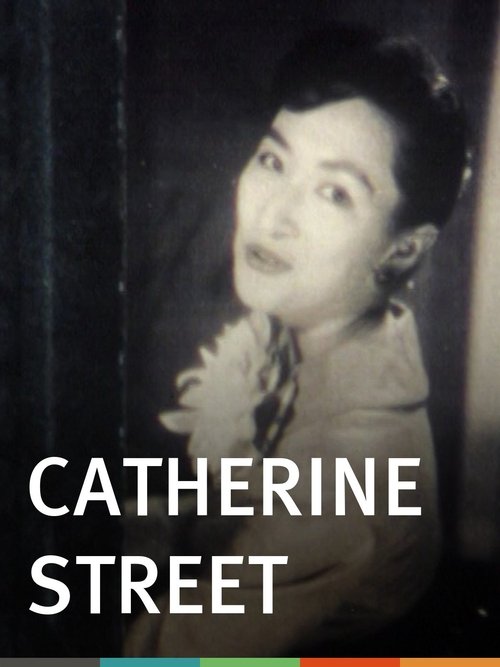
Klahr's City Film contemplates New York City rhythms, creating a tapestry of real and imagined street activities.
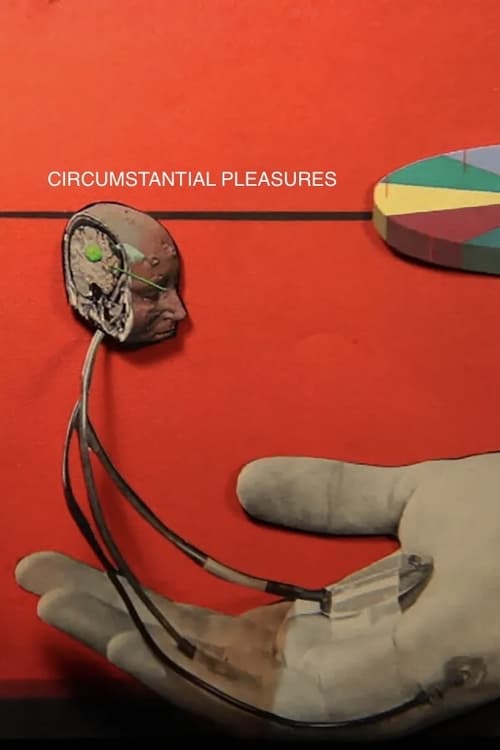
A striking elaboration on a signature style, with “story” all but evacuated, Circumstantial Pleasure’s six episodes proceed less like an album of potent recollections and more like a stream of agitated consciousness.
Crafted from contact sheets found in the 1990s at a thrift store in the East Village.
The series begins with Nimbus Smile, which depicts a love triangle in 1960s New York set to the Velvet Underground's 'Pale Blue Eyes.'
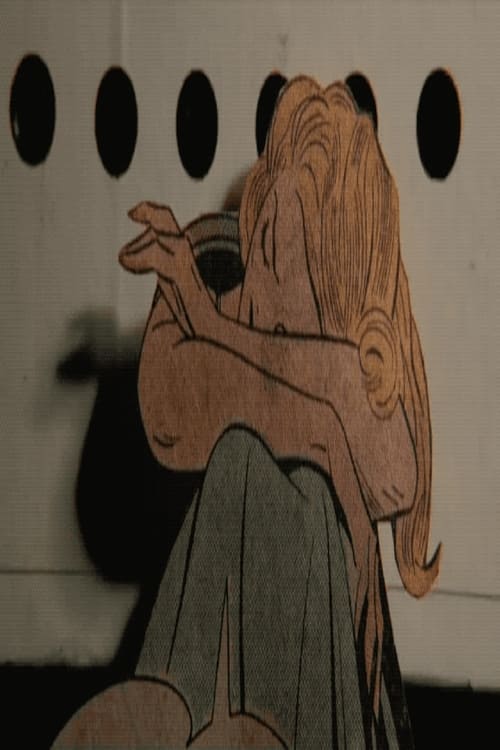
Created from contact sheets found in a thrift store in the East Village, Elsa Kirk consists of Xerox enlargements as backgrounds for a series of flat collages.
No description available.
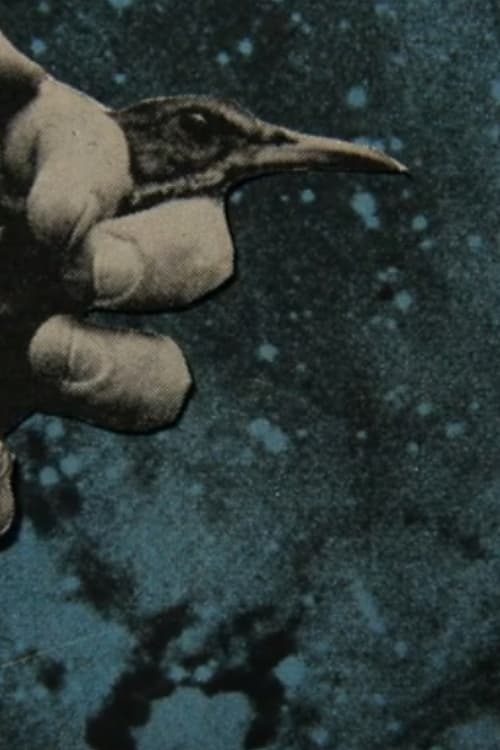
“False Aging expresses a sense of lost time, of not moving in step with the rest of the world. In one sequence Jefferson Airplane's Lather asks the question, ‘Is it true I'm no longer young?’ Time makes us prisoners locked in ourselves, like the a small yellow bird who slips behind the back of a playing card, then comes back out in front of it. In rapid alternation, they make a kind of thaumatrope, that spinning parlor trick that suggests a sense of movement in the flapping wings of a caged bird. Here the birdcage has been replaced by chance, underscoring the momentary illusion that the bird is free." - Genevieve Yue
Organized in 12 discrete chapters, Sixty Six is a milestone achievement, the culmination of Klahr’s decades-long work in collage filmmaking. With its complex superimpositions of imagery and music, and its range of tones and textures at once alluringly erotic and forebodingly sinister, the film is a hypnotic dream of 1960 and 1970s Pop. Elliptical tales of sunshine noir and classic Greek mythology are inhabited by comic book super heroes and characters from Portuguese foto romans who wander through midcentury modernist Los Angeles architectural photographs and landscapes from period magazines.
"Lewis Klahr's collage films have always mimed the processes of memory by pulling together the discards of contemporary life (images from ads, text books, or comic books, objects such as game pieces, menus, playing cards) into scenarios that seem like some Hollywood film dimly remembered. In Daylight Moon, he reaches even further back, to try to recall the moments in which a small child configures the world out of patterns of visual fascination, a mode of seeing that relies on touch and the feel of things rather than deep space. One of his most abstract films, Daylight Moon rarely reveals a human figure. Instead of characters, Klahr gives us the play of enigmatic spaces and empty sites that promise both the invitation of desire and the discovery of crime" Tom Gunning
Lewis' first digital film from 2007, a precursor for his feature-length series Circumstantial Pleasures
Short film part of The Blue Rose of Forgetfulness (2022)
Inspired by Tom Gunning poem and William Castle's 1947 'When Strangers Marry'
Film by Lewis Klahr, music by Loose Cattle.
"I have been working with found materials since 1980. For me the process has been similar to nostalgia. In both experiences there is an overwhelming desire to perfectly recreate the original. Although this seductive temptation is deadening and also impossible, it is nevertheless a powerful motivating force. In the midst of this tug-of-war between continual embrace and perpetual rejection, I created PICTURE BOOKS FOR ADULTS."
A three act (a song an act) melodrama about the coming of age of the American counterculture in the 60's and 70's as a generation moves from innocence to experience; idealism to disillusion to attempted re-integration. Highlights include rephotographed super 8 home movie footage of an alternative high school and a full blown hippie wedding. The climactic film from my feature length series ENGRAM SEPALS (Melodramas 1994-2000) which traces a history of American intoxication from World War 2 to the 1970's.
Superman's pal Jimmy Olsen gets his own story. Boy meets girl. Boy loses girl. Boy meets boy!