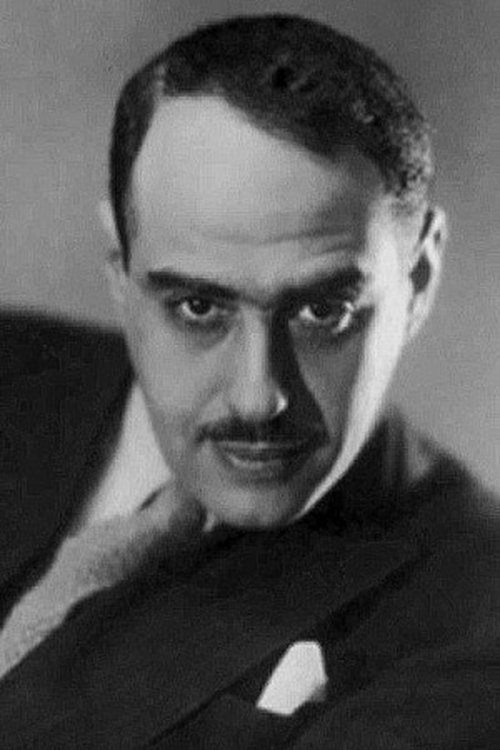
José Leitão de Barros
Directing
Known For
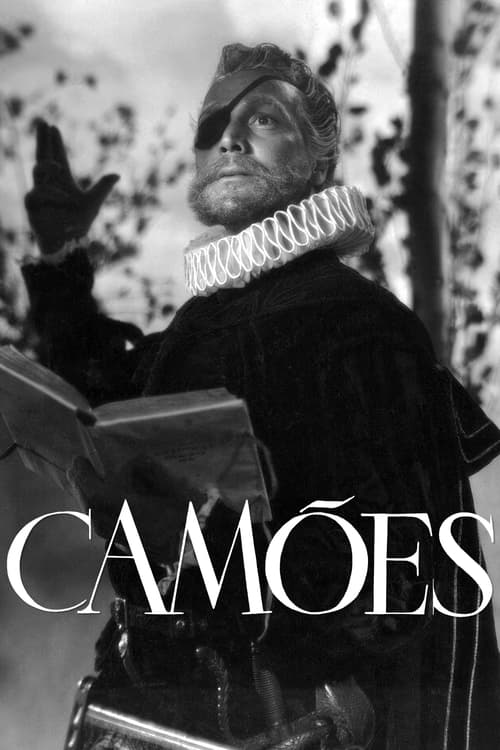
The adventurous life of Portugal's epic poet, Luis de Camões.
Camões
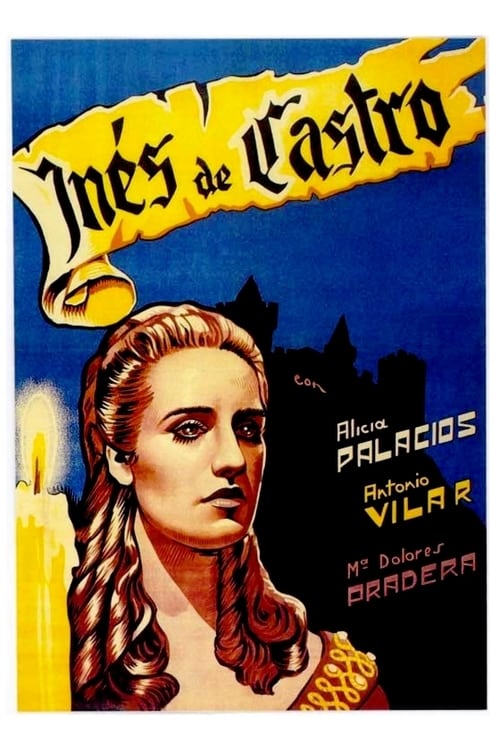
In 1336, Pedro, heir to the Portuguese crown, marries Constanza Manuel de Villena, a Castilian noblewoman, for political reasons; but the impulsive prince ends up giving in to his love for Inés de Castro, his wife's lady-in-waiting.
Inés de Castro
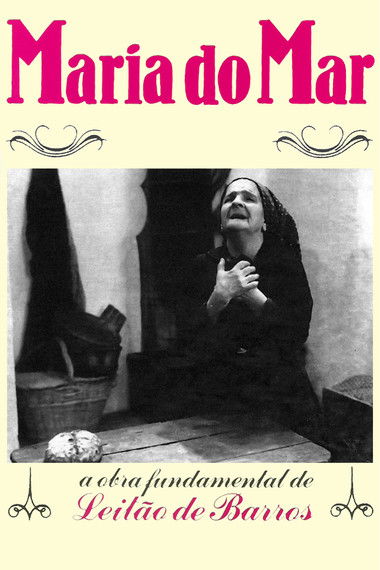
Falacha is the captain of a fishing boat, who loses his men in a shipwreck. Among them was the husband of Aurélia, who holds Falacha responsible for the tragedy. Maria, Falacha's daughter, falls in love with Manuel, Aurélia's son, a situation that their mothers refuse to accept.
Maria of the Sea
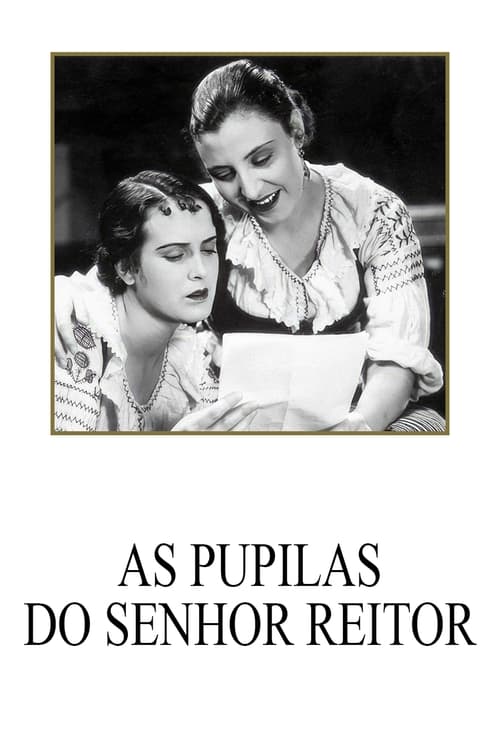
Adaptation of the homonymous novel by Júlio Dantas. Trying to highlight the romantic tone, the ruralism of the picturesque situations and environments, the spirit and characters of 1863 are revived: the characteristic loves of Margarida and Clara, the distinguished morals of Pedro and Daniel, the bonhomie of João Semana, finally the disagreements , common sense, tenderness, rituals and landscape involvement of Minho.
As Pupilas do Senhor Reitor
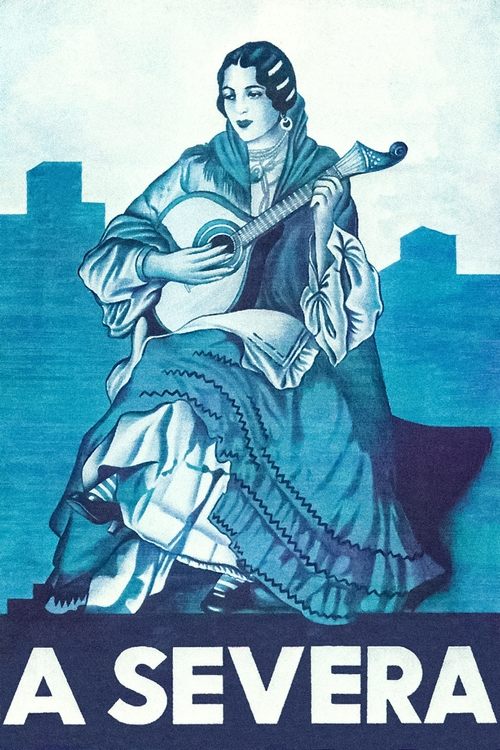
Based on the novel of the same name, by Júlio Dantas, this is the first Portuguese all-talking sound film, dramatization of the story of the Fado singer Maria Severa Onofriana, known as A Severa.
A Severa
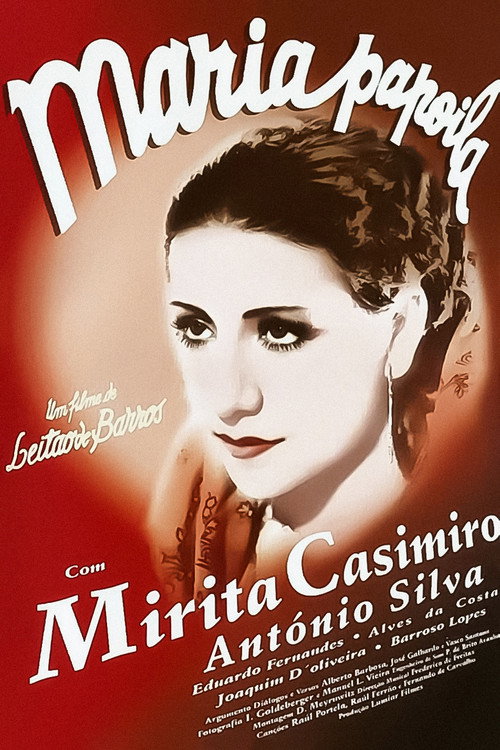
Maria Papoila, a shepherdess from Beira working in Lisbon, one day meets a rich young man, Eduardo, whom she assumes to be of her own social standing due to his uniform as a private soldier. Some time later, arrested as a suspect in a major robbery, Eduardo is abandoned by his selfish fiancée, Margarida, and it is the "soup girl" who, although despised in her dream and sacrificing her honor, appears in court as Eduardo's lover, and he is acquitted. Without asking for anything in return, Maria Papoila returns to her village.
Maria Papoila

It focuses on maritime tragedy of the town and a forbidden love between Julha and João Moço, from different fisher castes, in a community where mixed-caste marriages were not allowed and dating without parent's assent was seen as a disgrace to the family, not only in respect to women, but also men.
Ala-Arriba!
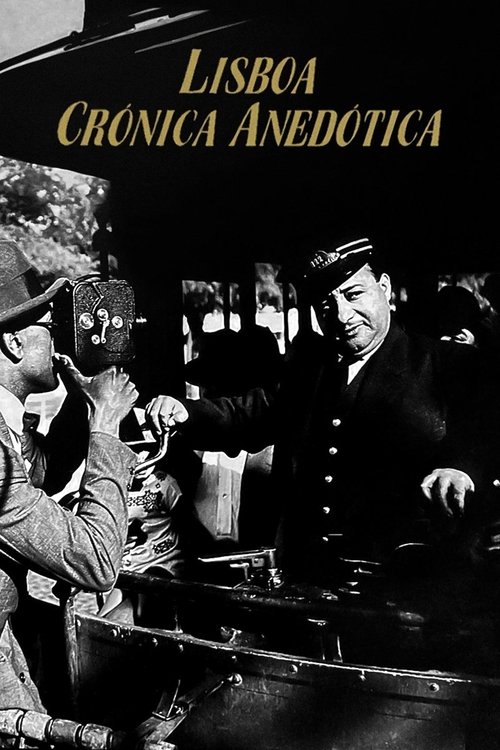
Caleidoscope of documentary-like scenes and re-enacted episodes of a day in the life of a large port town – Lisbon, from the old district around Saint George's Castle down to the docks and the 'Sagres' on the Tagus river, to the new commercial districts.
Lisbon, Anecdotal Chronicle

No description available.
Bocage
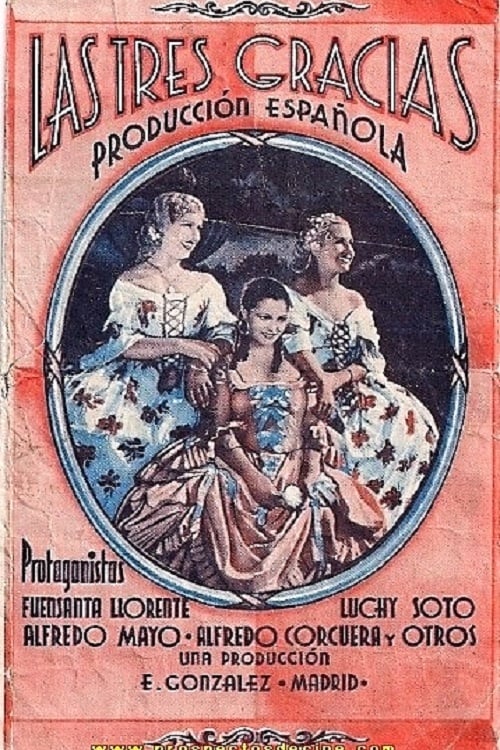
Bocage was a former naval officer, a cultured gentleman, a passionate man, and a poet. He lived in the second half of the 18th century and had a series of relationships, writing love poems to his Three Graces: his colleague Márcia, a wild girl, and her two sisters.
As très graças

No description available.
Varanda dos Rouxinóis

The agitated and tragic life of poet Castro Alves, and his romance with actress Eugênia Câmara.
Vendaval Maravilhoso

During a reception at a noble house, during the XVIII century, an ancient courtesan takes the petals of a marigold off, one-by-one, and remembers his encounter - and separation - of the woman he loved.
Marigold
Documentary on the Portuguese coastal town of Póvoa de Varzim, where the director had filmed Ala-Arriba! in 1942.
The Village of Varzim
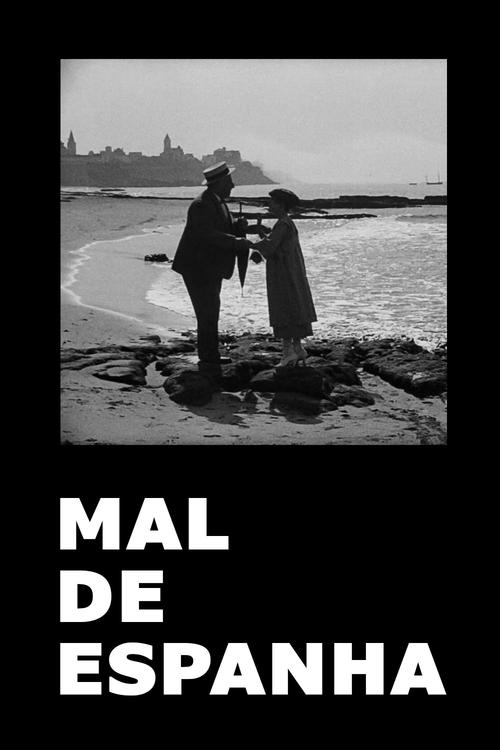
A Portuguese bourgeois dares to look at a Spanish lady's delicate ankles at the beach, but his wife will have nothing of it. Later, it's him that forbids his daughter from seeing a young man she had met at the same beach.
The Illness from Spain

No description available.
Escolas de Portugal
“Produced by the Portuguese Consortium of Tin Fish to advertise Portuguese canned food products in foreign markets, and possibly directed by Leitão de Barros, Tin Sardines is a curious account of its manufacturing process”.
Tin Sardines
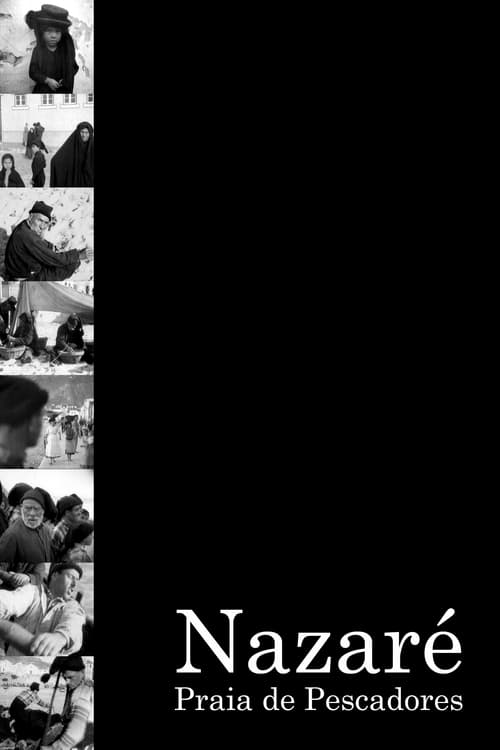
The first Portuguese documentary. A remarkable look at the lives of the working people of Nazaré, a fishing town in Western Portugal.
Nazaré, Praia de Pescadores
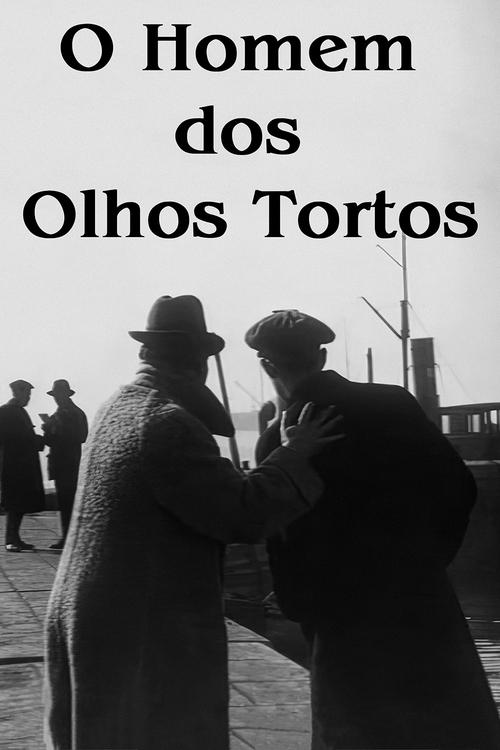
The Man with the Crooked Eyes is a unfinished 1918 Portuguese silent film made for Lusitânia Film and directed by José Leitão de Barros, starring Filipe Melo. This was restored and edited together in 2007 using all existing raw footage.
The Man with the Crooked Eyes
The construction of the Salazar Bridge in Lisbon.