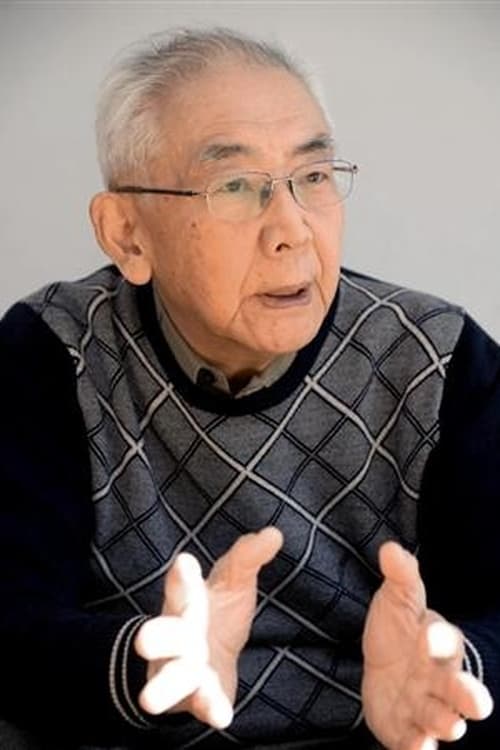
Shunya Ito
Directing
Biography
Director and screenwriter, Shunya Itō is a Japanese film director known for starting the Sasori / Female Prisoner Scorpion series of 1970s exploitation films starring Meiko Kaji. He won Picture of the Year at the Japanese Academy Awards in 1985 with his film Gray Sunset,[2] a story of a man suffering from Alzheimer's disease. This thus became Japan's entry for the Academy Award for Best Foreign Language Film instead of Akira Kurosawa's Ran, which caused a slight uproar in Western media as many critics thought Ran had a real chance of winning whereas Gray Sunset was not even shortlisted. (Galbraith) The above information is sourced from the Shunya Itō Wikipedia page.
Known For

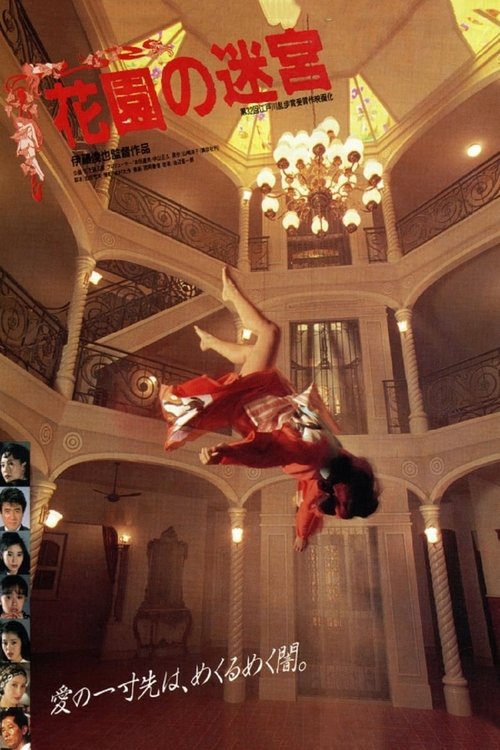
A serial killing occurs at a port town brothel.
Labyrinth Romanesque

After being cruelly set up and deceived by Sugimi, a detective in cahoots with the mob with whom she was whole-heartedly in love, Matsushima’s desire for revenge knows no bounds.
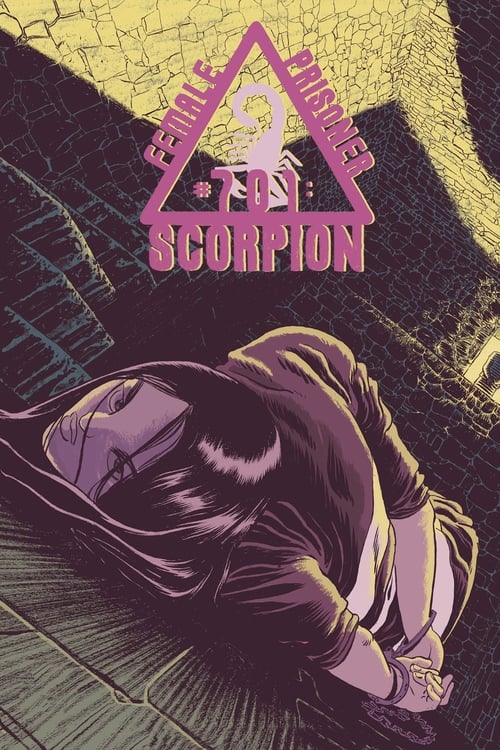
Female Prisoner #701: Scorpion

After being used and betrayed by the detective she had fallen in love with, young Matsu is sent to a female prison full of sadistic guards and disobedient prisoners.
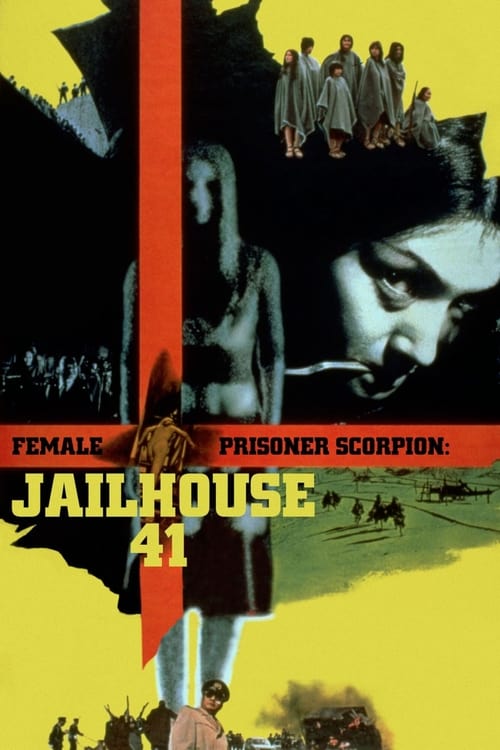
Female Prisoner Scorpion: Jailhouse 41

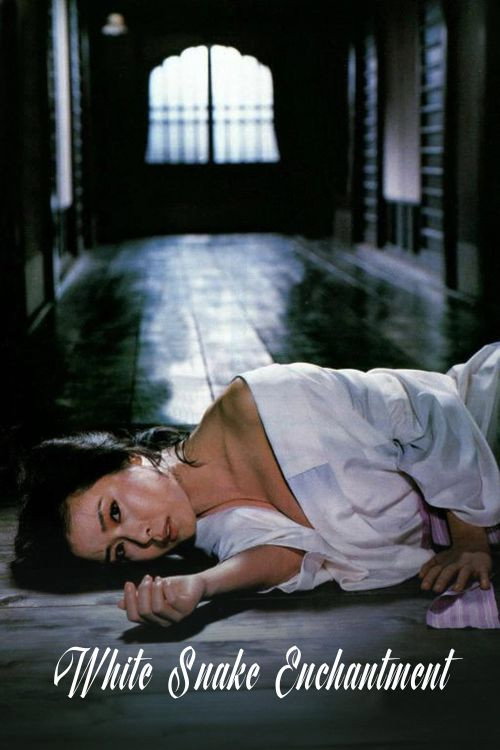
Uta married a priest who saved her when she tried to commit suicide at a waterfall. The love triangle between a lustful priest, his second wife and his son Masao.
White Snake Enchantment

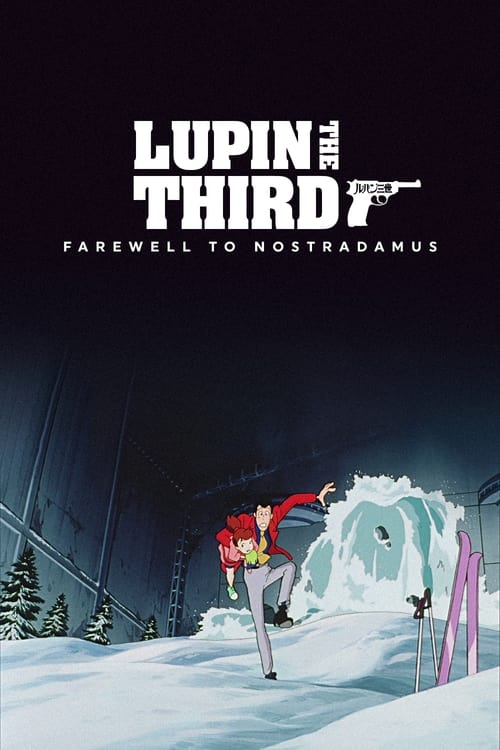
A simple diamond heist leads Lupin into the machinations of a bizarre cult based around the prophecies of Nostradamus. They kidnap Julia, the daughter of Douglas, a wealthy American who is seeking the presidency, along with Lupin's diamond. At stake is the lost book of prophecy Douglas holds in the vault at the top of his skyscraper.
Lupin the Third: Farewell to Nostradamus

Following her successful prison break, Scorpion begins this third episode in the series hiding out in a brothel. Her prostitute friend tries to keep her identity secret, but the brothel's madam discovers that Scorpion is the ex-girlfriend of the vice officer who killed her lover.
Female Prisoner Scorpion: Beast Stable

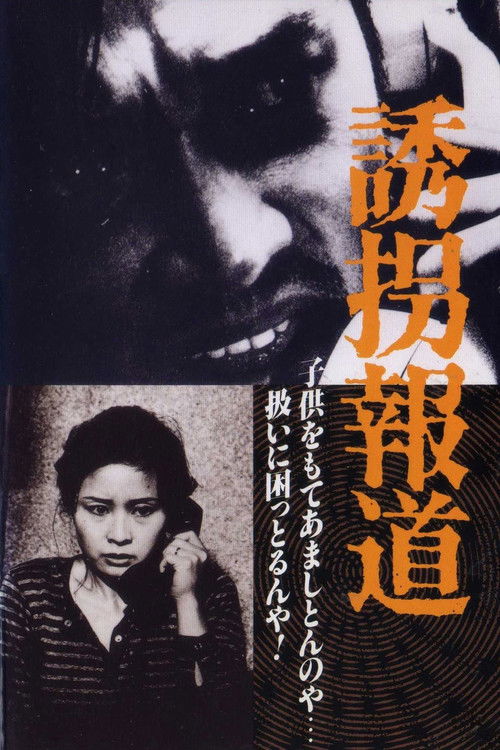
Hideyuki Mitamura, a student at a private school near Osaka, is kidnapped on his way home from school.
To Trap a Kidnapper

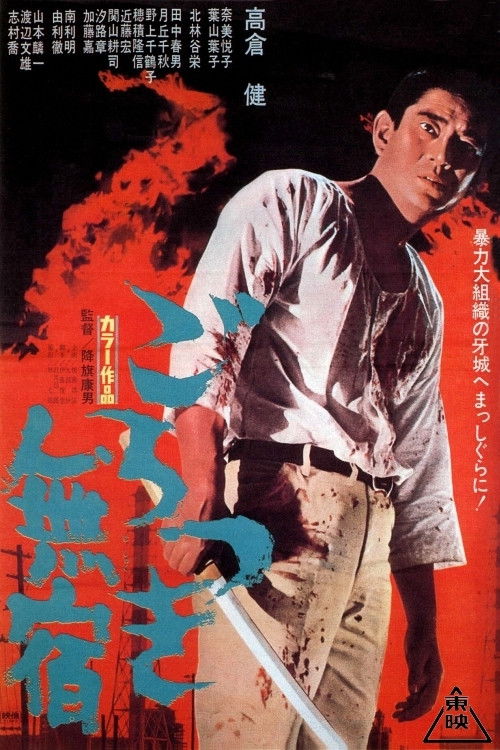
Young coal miner Takeda leaves Kyushu in search of a better job in Tokyo, only to fall into the lucrative yet dangerous life of a yakuza.
Patience Has An End

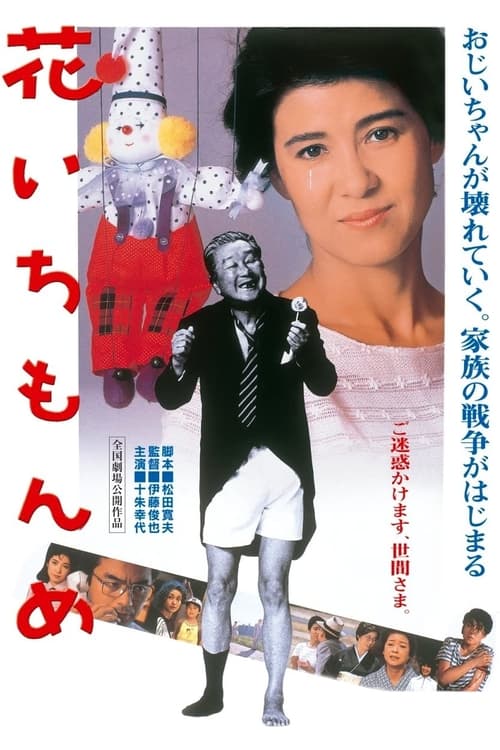
Grandfather Fuyukichi Takano, a former university professor, gets fired from his museum job when he is affected by Alzheimer's disease, but his affliction serves to deepen family ties. Japan's submission to the 58th Academy Awards for the Academy Award for Best Foreign Language Film
Gray Sunset

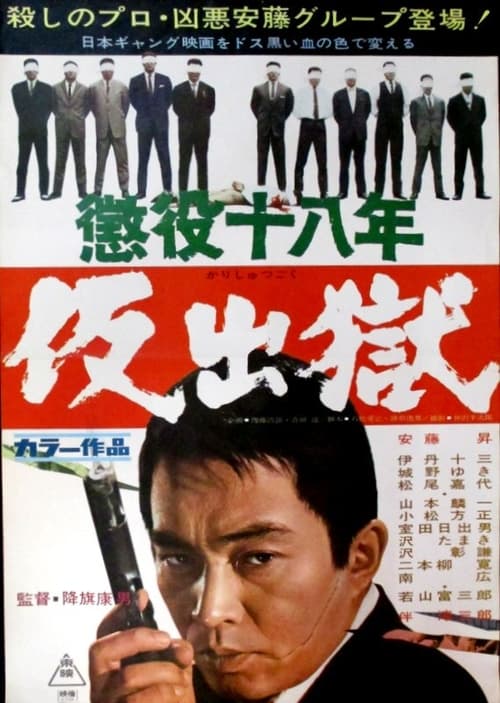
Three men vs. gangsters in a fight involving smuggled gold.
Parole

A trio of young scientists investigate a source of uranium at the base of a sacred mountain, and after running over a dog, find themselves cursed by the locals.
Curse of the Dog God

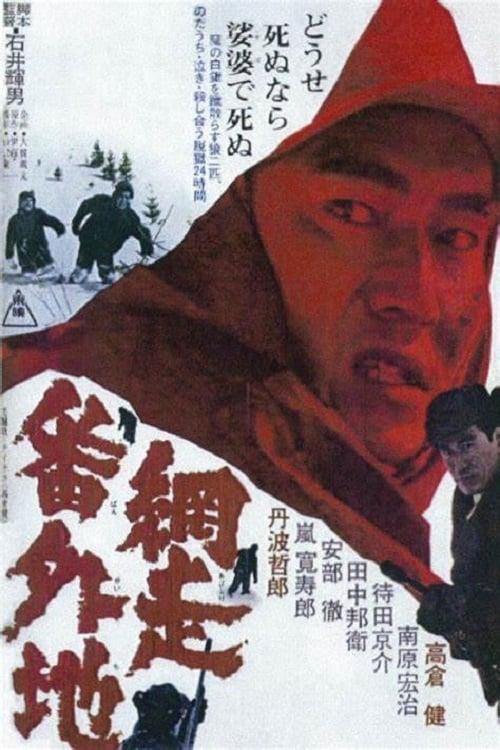
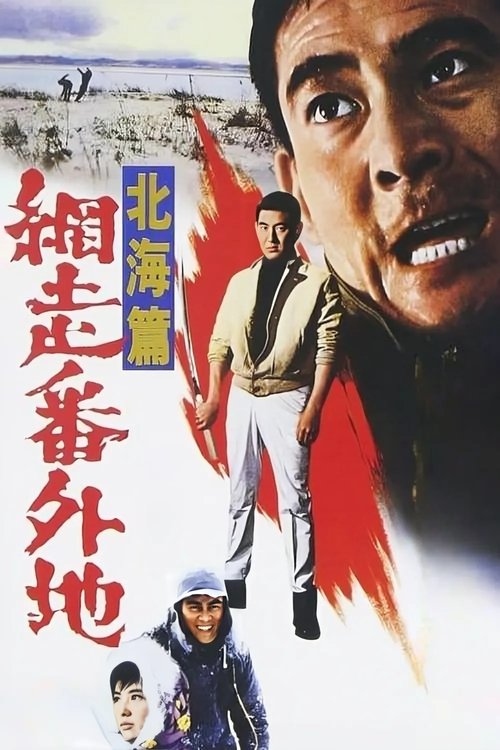
A gripping tale of friendship set against the backdrop of Hokkaido. Shinichi sets out to earn a few honest dollars with which to bail a friend out of jail.
Prison Walls of Abashiri 4

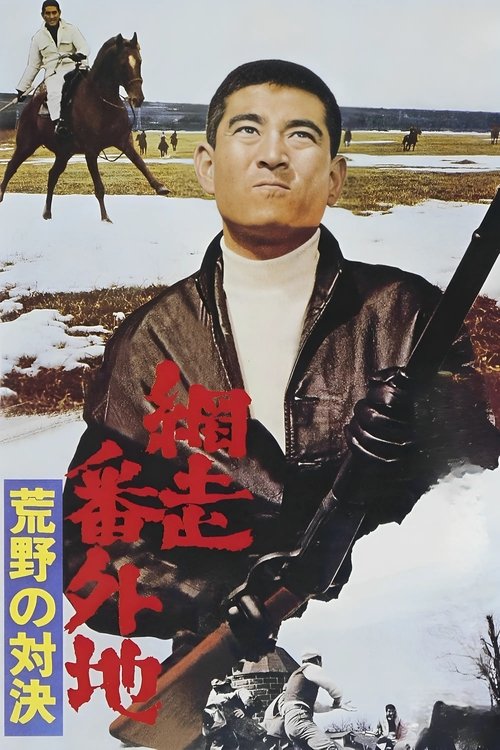
A number of recently released prisoners become involved in a racket with a rancher who is a rival to a neighboring landowner and wants to use the convicts to seize his ranch. The rancher does not know, however, that he had years before killed the parents of one of their number.
The Bullet and the Horse

This is the sixth film in the "Abashiri Series," based on an original idea by Hajime Ito, and written and directed by Teruo Ishii of "Operation Big Bad" fame. The film was shot by Kiichi Inada, who also worked with Ito.
Abashiri Prison: Duel in the South

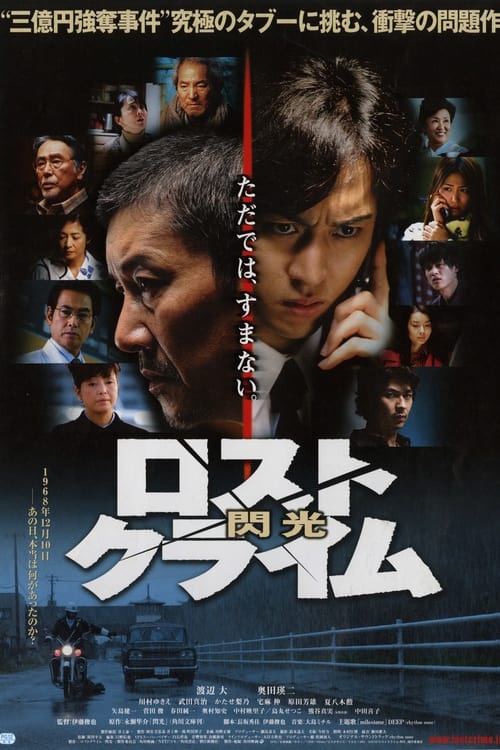
Katagiri, a highly ambitious young detective, teams up with older detective Takiguchi, who is about to retire, to investigate a murder that took place by Sumida River. Katagiri is annoyed by Takiguchi's pushiness, but is surprised to hear that the victim was a suspect in the 300 million yen robbery.
300 Million

Based on the International Military Tribunal for the Far East of 1946–48, depicts Japanese prime minister Hideki Tojo as a family man who fought to defend Japan and Asia from western colonialism but was ultimately hanged by a vengeful United States.
Pride

Abashiri Prison is located in the coldest place in Japan. Two men, handcuffed together have escaped from the prison, one a yakuza, the other a petty criminal, and although they hate each other they must work together if they are to evade capture in this harshest of climates.
Abashiri Prison

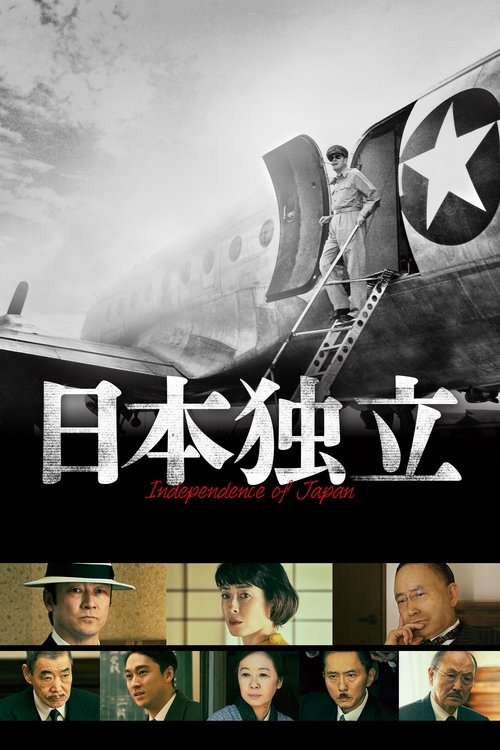
A group image drama set at the end of the war depicting the unknown struggle of Japanese people who faced the difficult issues.
Independence of Japan

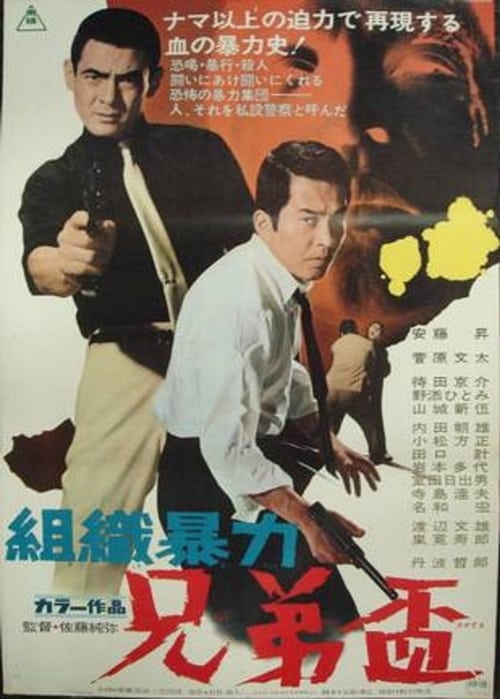
After the war, Kijima (Bunta Sugawara) returns to Tokyo where he meets Ôba (Noboru Andô), an Ex-Kamikaze pilot, and the two ruffians gather hooligans to join their group. In Ginza, the Togawa gang have taken over Sakurada's territory. After several fights Kijima and Ôba gain control of the territory by chasing out the notorious Togawa Group in the name of Sakurada. But Kijima is arrested for assaulting an American soldier. A few years pass. Kijima has served his prison term and the sears of war have been erased from Ginza. Ôba is now president of a company specializing in collection of bad debts, cheque frauds and everything that means money. People call their organization the “Private Police,” and Kijima begins to work for Ôba. Now the Takegami gang waits a chance to seize the Ginza territory.
The Private Police

Works commemorating the 70th anniversary of the founding of Japan mapping Supervision Association