Acting
No description available.
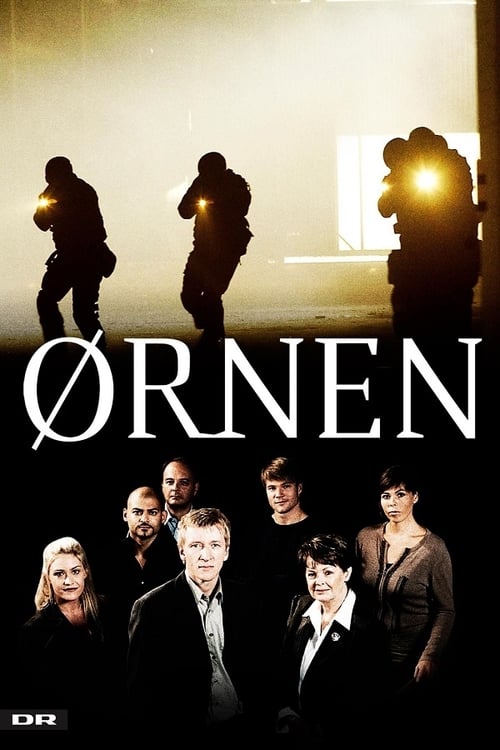
The Eagle: A Crime Odyssey is a Danish police procedural television series produced by Danmarks Radio, created and written by Peter Thorsboe and Mai Brostrøm. The series debuted on 10 October 2004 in Denmark. It won an International Emmy Award from the International Academy of Television Arts & Sciences for best non-American television drama series in 2005. There were three seasons; the second season premiered in Denmark on 9 October 2005 and the third on 8 October 2006. The last episode originally aired in Denmark on 26 November 2006. The series was filmed on location in various parts of northern Europe, from Berlin and Copenhagen to Oslo and other locations including Iceland. The series has enjoyed particular success in Australia, where it airs on SBS and is available on DVD with English subtitles.
Live from Bremen has been described as the successor to Casper and the Mandril Agreement, as the show has the Mandril Agreement's Lasse Rimmer and Lars Hjortshøj as permanent fixtures, as well as Casper Christensen as lead author and man of ideas. The show is broadcast live from Bremen, the former Private Theater in Copenhagen, and is followed by Casper Christensen's talk show ALOHA! sent from the same place. Live from Bremen is inspired by the American sketch and satire show Saturday Night Live.
Dansk Melodi Grand Prix is an annual music competition organised by Danish public broadcaster Danmarks Radio, which determines the country's representative for the Eurovision Song Contest. The festival has produced three Eurovision winners and thirteen top-five placings.
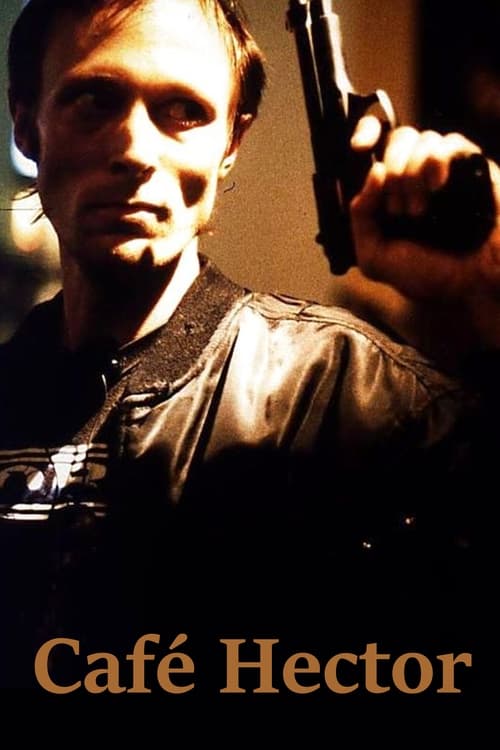
Café Hector is the new in-place for the chic, high-flying, articulate jet-set, where steaming cups of cappuccino accompany their trendy chit-chat. Uffe is definitely not "in." He can't get a cappuccino, but he is given permission, just this once, to use the toilet. But Uffe is prepared for the situation. He can't take any more humiliation and he is armed!
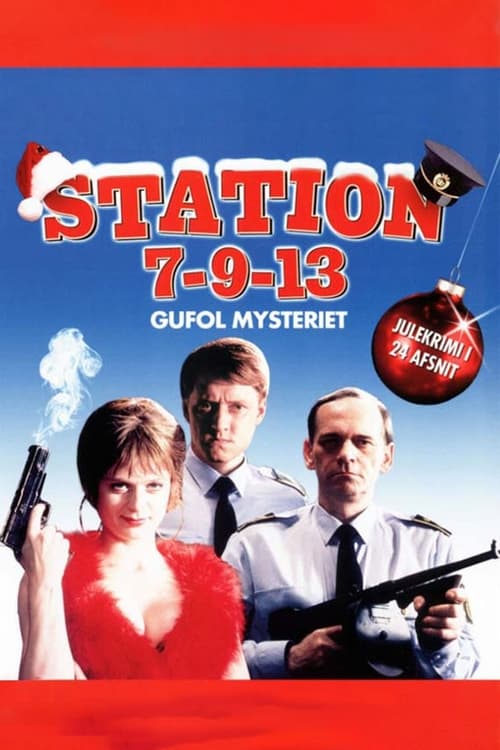
At the local Police station in Copenhagen station 2 it's not going too well. They are not solving enough cases and are therefore in danger of the station being closed permanently. In disguise as fake Father Christmas', mysterious criminals start offering "Gufol" candy to children in the streets, the children end up going crazy because of the candy. It's now up to the police officers to stop the craziness and save both Christmas, their station and the kids.
Across three decades – the 1970s to the turn of the millennium – the lives of three boys – Lars Rolsted, Jon Olufsen, and Martin Lund Jensen – are explored, teeming with grandparents, Marxists, expatriate Danes, stolen kisses, rockers, pushers and welfare clients, yuppies and small, polite suburban punks.
A young and innocent man's joys and sorrows of adulthood and the temptations of Aarhus, the big city.
Robert Hansen, 34, a young police officer from Copenhagen, is transferred against his will to the small town of Skarrild in Southern Jutland as a substitute Marshall. The transfer is Robert’s chance to start over. Whether he is allowed to return to his job in Copenhagen, all depends on how well he performs in this frontier town.
Egon escapes from the psychiatric ward, where he has been incarcerated since the gang's last coup. Keld and Benny pick him up, and when Egon, as always, is planning the big heist, the Olsen Gang is once again on the move.
In order to preserve the family farm Hamre, Bente follows her dying father's wishes and marries the brutal landowner's son Gorm. He hunts the young girls on the farm and succumbs to the evil and scheming influence of the marksman Grove. The unhappy marriage turns into a veritable power struggle between Bente and Gorm. At the same time, we follow Bente's younger sister Grethe, who appears to be happily married to Martin, the son of a merchant. However, Martin is unnaturally attached to his mother, and his family spends freely of Grethe's inheritance.
There is a cheeky Frida hiding inside all of us. Hideouts, secrets, kissing techniques, and dreams of becoming heroes by exposing evil bandits. Parents are just a nuisance, and when you finally want to take care of serving the guests, somehow it all goes wrong. It's a shame, because you just wanted to do it so well. Lykke Nielsen translated the best of the best from her books into this film. The children were happy to play along and at one point said that they would like to play in more films. That wasn't to be, but the film remains a sweet and funny everyday story that reflects the children's innermost dreams: to be allowed to be themselves without too much interference from outside. Throughout the film, the children go through a lot before they turn the villains over to the authorities, but that's how a children's film should be.