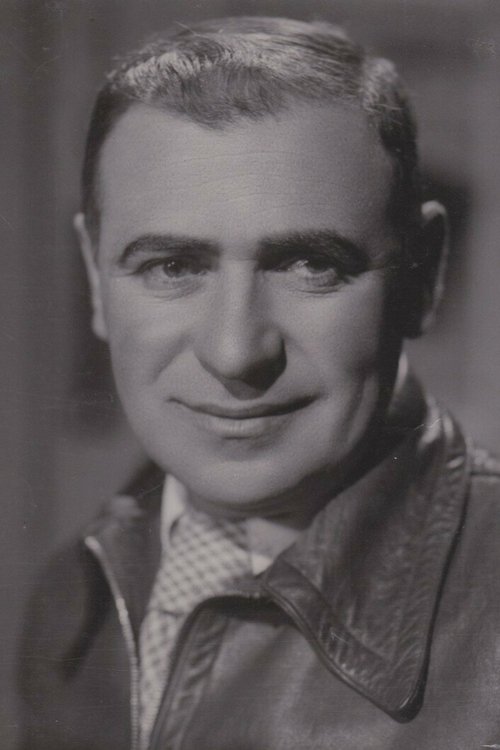
Arkadi Koltsaty
Camera
Known For

Fitil is a popular Soviet/Russian television satirical/comedy short film series which ran for about 500 episodes. Some of the episodes were aimed at children, and were called Фитилёк, Fitilyok, Little Fuse. Each issue contained from the few short segments: documentary, fictional and animated ones. Directed by various artists, including Leonid Gaidai who presented his famous trio of Nikulin, Vitsin and Morgunov into the cast. It was called in USSR as "the anecdotes from the Soviet government".
Fuse
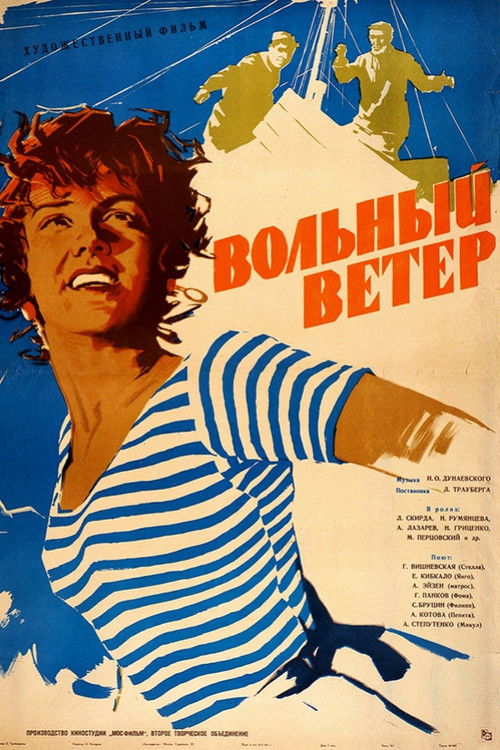
Based on the operetta of the same name by Isaak Dunayevsky. The port town of one of the small southern countries. After the Nazi occupiers left, the port's berths were empty, the steamers did not smoke, cargo cranes stood. Fearing retaliation for collaborating with enemies, port owner Georg Stan fled the city. After waiting a while and securing the support of local authorities, Stan nonetheless returns - and loading operations begin in the port. While loading oranges, the sailor Yango and the beautiful Stella are preparing for the wedding. Suddenly, Stan makes a proposal to the girl and tricks her into agreeing. Upon learning of the deception, the girl runs away to Yango. Having discovered weapons intended to support fascism in the drawer of the hold, the heroes do everything possible to make the boxes fall to the bottom of the sea.
Wind of Freedom

It is the New Year's Eve and the employees of an Economics Institute are ready with their annual New Year's entertainment program. It includes a lot of dancing and singing, jazz band performance and even magic tricks. Suddenly, an announcement is made that a new director has been elected and that he is arriving shortly. Comrade Ogurtsov arrives in time to review and disapprove of the scheduled entertainment. To him, holiday fun has a different meaning. He imagines speakers reading annual reports to show the Institute's progress over the year, and, perhaps, a bit of serious music, something from the Classics, played by the Veterans' Orchestra. Obviously, no one wants to change the program a few hours before the show, much less to replace it with something so boring! Now everyone has to team up in order to prevent Ogurtsov from getting to the stage. As some of them trap Ogurtsov one way or another, others perform their scheduled pieces and celebrate New Year's Eve.
Carnival Night
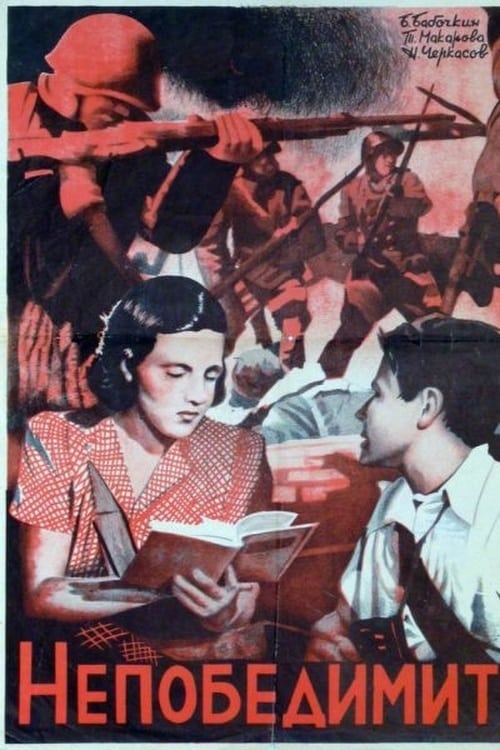
The autumn of 1941. Leningrad is besieged by the Nazis. A new model of tank is being developed at a large defense plant. Built in the shortest possible time combat vehicles are tested directly on battlefields, fighting with fascists in the outskirts of the city. The first feature film about the heroic everyday life of city defenders was shot directly in assembly shops of plants and in the streets of Leningrad when the city was fighting against the enemy
The Invincible
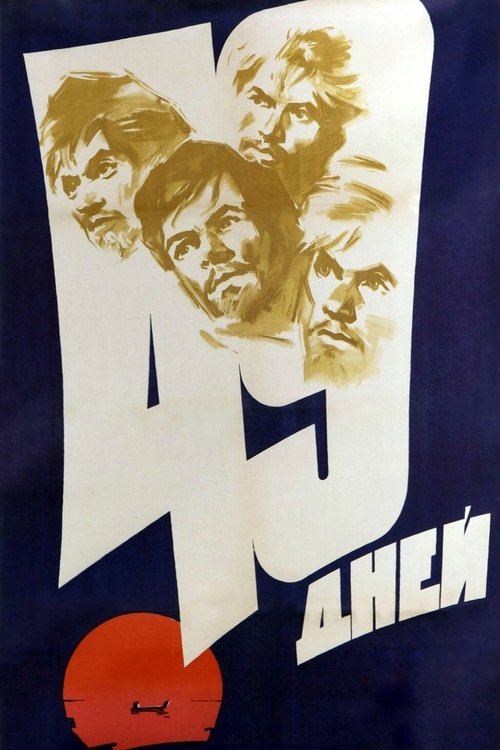
For 49 days, four young soldiers drifted on a barge that was blown out to sea by a storm. Only by the end of the seventh week they were discovered by American pilots.
49 Days
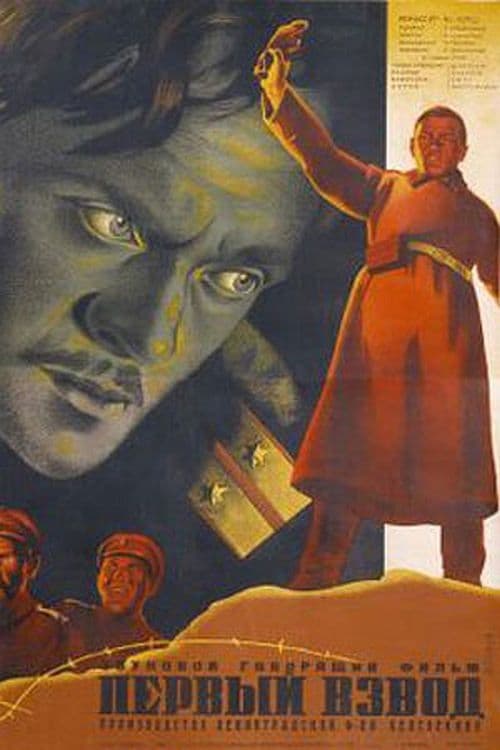
It depicts the story of several Russian soldiers during the World War I and the Russian revolution.
The First Platoon
The film consists of short stories about participants of the Great Patriotic War, who returned from the front and entered a peaceful life. The heroes of the tape are fellow soldiers: Major Kornev, formerly a domain engineer; petty officer Samoseev, in the future chairman of the collective farm; senior lieutenant Rudnikov expects an Arctic expedition, and lieutenant Bela Mukhtarova will go with a party of geologists to the East.
Three Encounters
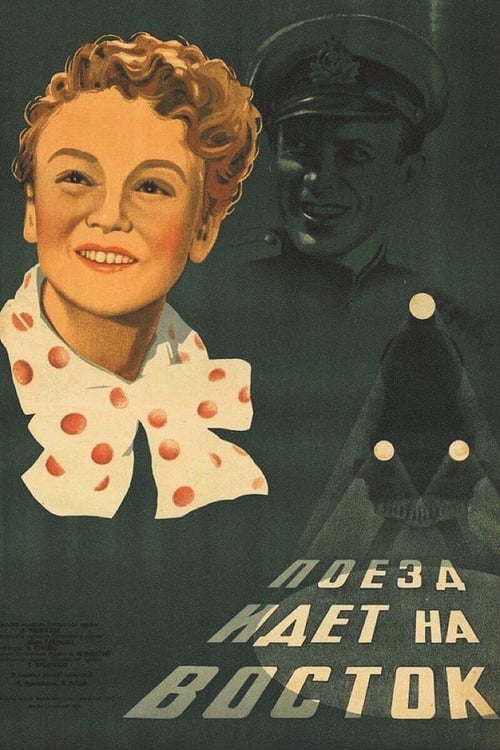
On the evening of May 9, 1945, when Moscow is noisily and cheerfully celebrating the Victory Day, a young girl agronomist Zina Sokolova and a sailor officer Lavrentyev meet in the compartment of the Moscow-Vladivostok train. The sailor takes the lively, direct character of the girl for windiness and frivolity. Sokolova also reacted frowningly and mockingly to the satellite. To get to know each other better, travelers are helped by nuisance: they are behind the train, and the rest of the way they are together, getting to know people and the life of the country along the way.
The Train Goes East
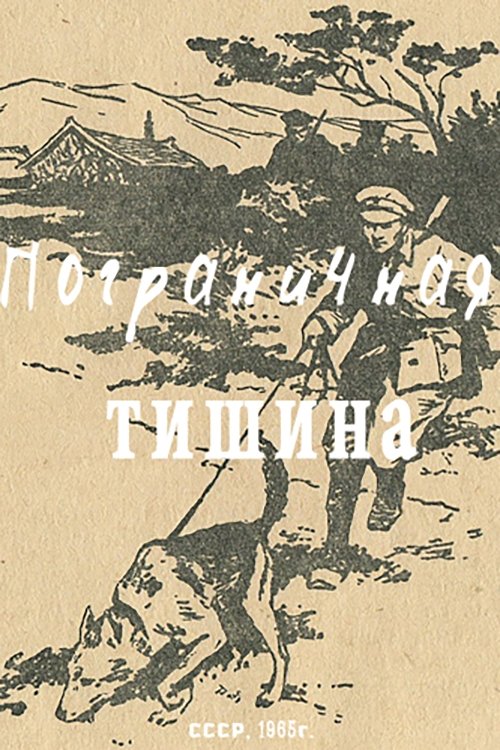
A barber dies under mysterious circumstances in a border village. Soon a new master appears, followed by the enemy agent Gyurza... After a fierce fight, the "barber" surrenders Gyurza to the border guards.
Border Silence
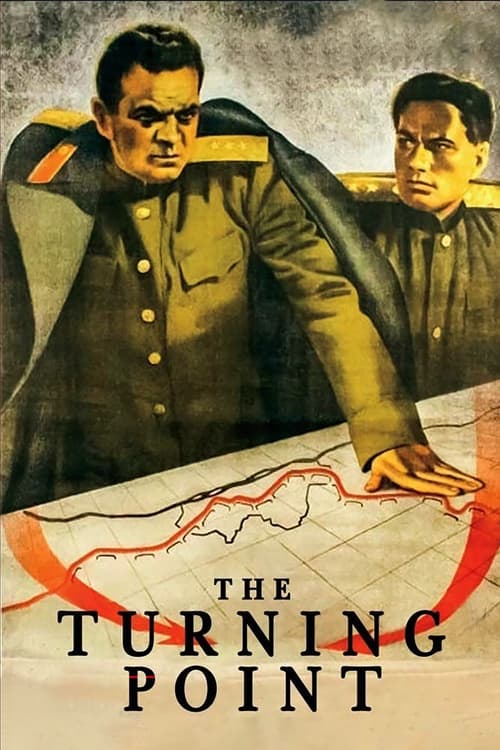
The film tells the story of those who took part in the Battle of Stalingrad in 1942, which became a turning point in the Great Patriotic War. For five months, the city resisted the Nazi offensive. Surrendering Stalingrad to the enemy would have meant losing the war, but holding on to the city seemed almost impossible.
The Turning Point
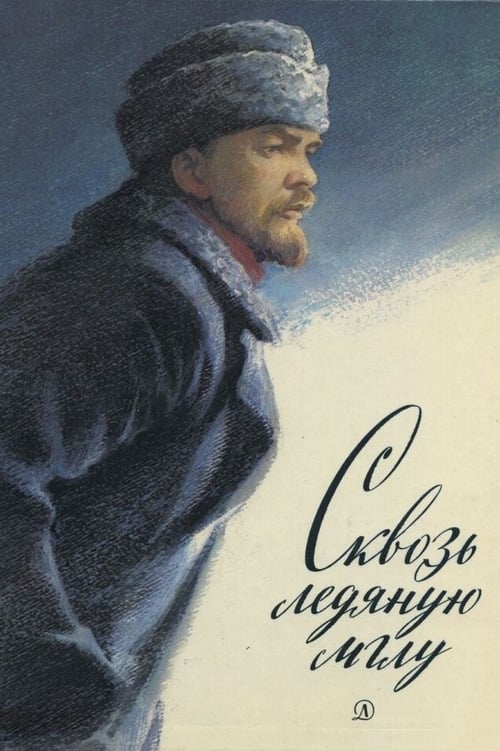
After the events of 1905, the proletariat slowly retreated with battle. The Lenin headquarters of the leadership of the revolution was moved to Finland. There Lenin and Krupskaya live illegally in safe houses. Vladimir Ilyich works on his articles, occasionally his associates visit him, sometimes he goes to the city for meetings with his party comrades — Gorky, Kalinin, Krasin, and others. By all possible means, Lenin directs the activities of the Bolsheviks in Russia...
Through Icy Haze
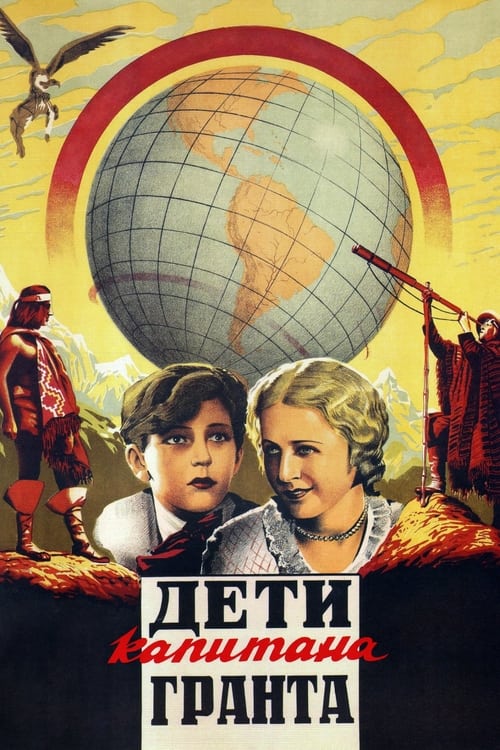
The son and daughter of a lost-at-sea captain recruit help to find him on the basis of an incomplete note found in a bottle, and encounter adventures in Patagonia, Australia, and New Zealand... Based on Jules Verne novel.
Capt. Grant's Family
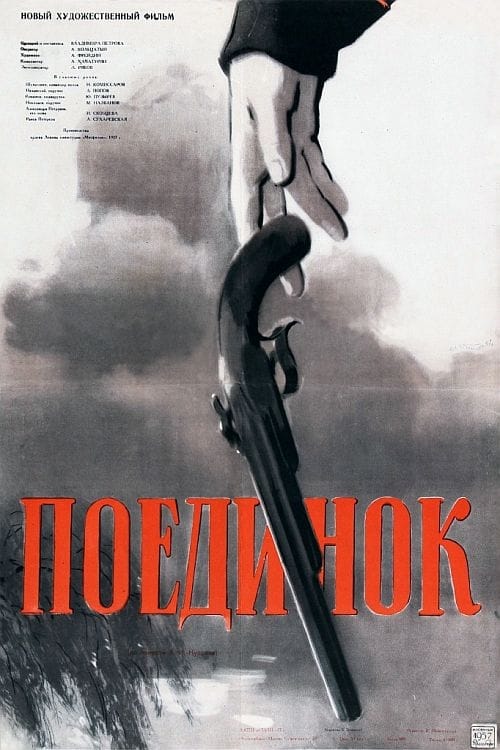
1896. The regiment, stationed in a small town, is bored, drunk, languishing in soullessness. Lieutenant Romashov falls in love with the captain's wife Shurochka. Society is abuzz on the subject. A quarrel arises between the captain and the lieutenant.
Duel
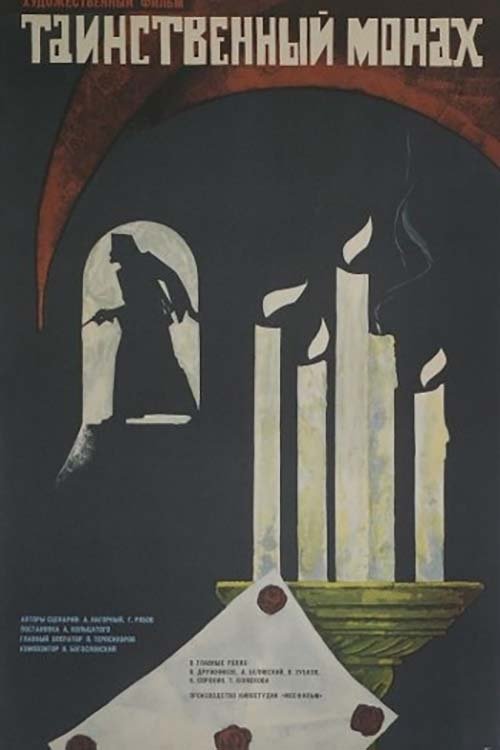
Ukraine, 1920. Two White Guards are escaping from Red Army captivity - Vorontsov and Stronsky. They get to the monastery, where a White Guard detachment is hiding under the guise of monks. Vorontsov leads it and waits for a signal to move to the settlements occupied by the Red Army soldiers. He does not suspect that his friend, the “former journalist” Stronsky, is a security officer...
The Mysterious Monk

Four love stories connected by newsreels of the late 60s. Each short story begins with an epigraph taken from the Song of Songs of the Old Testament. The stories are interconnected by documentary shots and numerous interviews taken on the streets from passers-by who are asked the same question: “what does it mean to love?”.
To Love

Growing up in a Ukrainian peasant family, knowing all hardships of serf life, young artist and poet Taras Shevchenko in the years of study clearly identifies the meaning of true art, which is to serve the interests of the people. The poems of Shevchenko are imbued with love for the common people. Fiery freedom-loving creativity of Taras Shevchenko is known throughout Russia. Nicholas I exiles the poet to the distant Caspian fort where he is to serve as an ordinary soldier and is banned from writing or drawing. In the poet's difficult days he has the support of Ukrainian soldier Skobelev, Polish revolutionary Sierakowski, captain Kosarev and the commandant of the fortress, Uskov. For the sake of his release Chernyshevsky and Dobrolyubov are hard at work. And so, the sick and aged Shevchenko is finally free. Together with Chernyshevsky and Dobrolyubov, he dreams of a bright future of the motherland, when the Russian and Ukrainian peoples throw off the chains of slavery.
Taras Shevchenko
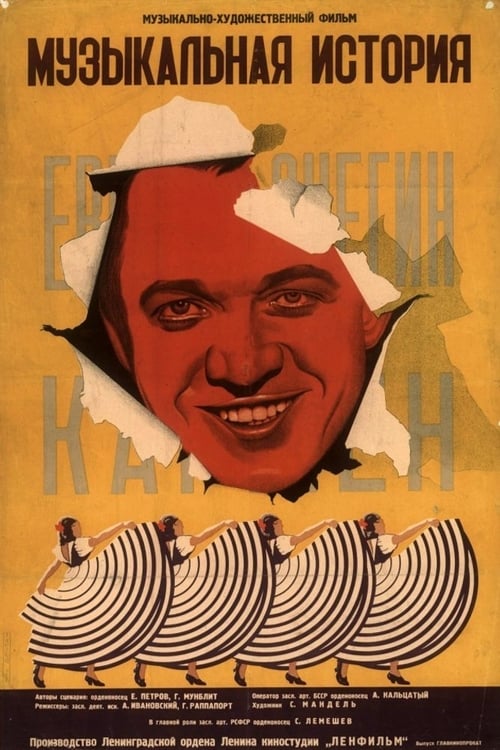
Talented cabbie with aspirations as a singer spends afterhours practicing with an amateur opera company, ignoring his sweetheart, the femme cab dispatcher.
Musical Story

October 1917. Russian and German soldiers, exhausted by three years of war, began to fraternize. But officers' bullets shot the fraternizers. The survivors - Ilya, Matvey, nurse Olga and German soldier Jakob - swore in front of the fallen soldiers to reach St. Petersburg and achieve peace for all.
Soldiers Were Walking
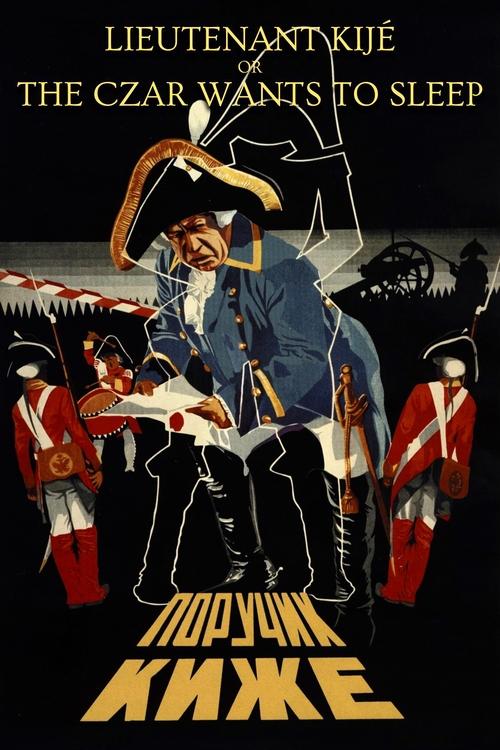
A copying error by a military scribe turns the Russian words "the lieutenants, however" into what looks like "lieutenant Kizhe". The Tsar reads the error, and wants to meet this (non-existent) lieutenant. The courtiers, eager to avoid the wrath of the temperamental Tsar, create a Kizhe to serve as their royal scapegoat.
Lieutenant Kizhe
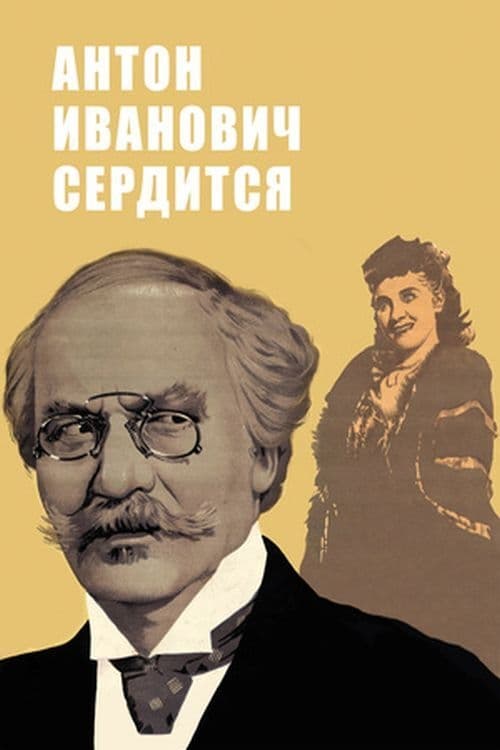
Anton Ivanovich Voronov is a highly respected professor at the Moscow Conservatoire, who places the music of Bach above everything else and regards it as the ultimate yardstick by which other musical accomplishments must be measured. His daughter, Serafima, is an aspiring singer with great potential, and her father’s anger is aroused when she begins singing in the operetta composed by Aleksei Mukhin, thus abandoning what he considers the higher calling of opera. Mukhin’s work, however, demands a high level of ability from his soloist, and Anton Ivanovich is persuaded of the legitimacy of operetta as a musical genre when, in a dream, he is visited by Johann Sebastian Bach himself, who tells him that ‘people need all kinds of music’.