Directing
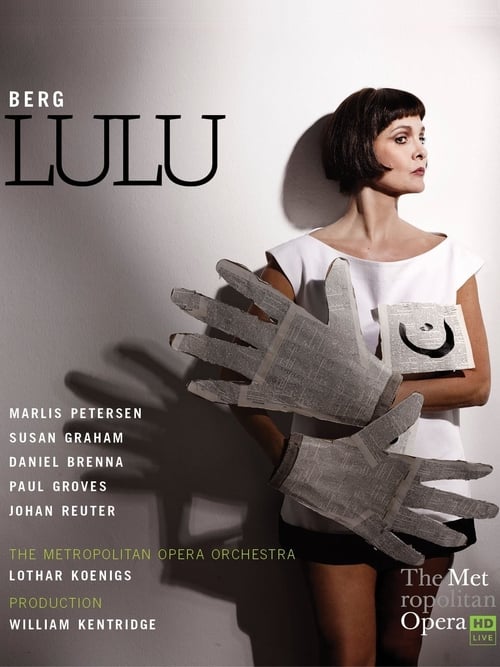
William Kentridge’s multi-layered production of Berg’s masterpiece stars charismatic soprano Marlis Petersen in the title role—the enigmatic and alluring woman who is equal parts femme fatale, innocent girl, and abused victim. The men around her, whose lives she forever alters, are Johan Reuter as newspaper publisher Dr. Schön; Daniel Brenna as his composer son, Alwa; Paul Groves as the Painter; and Franz Grundheber as Schigolch. Susan Graham sings Countess Geschwitz, and Lothar Koenigs conducts Berg’s landmark score.
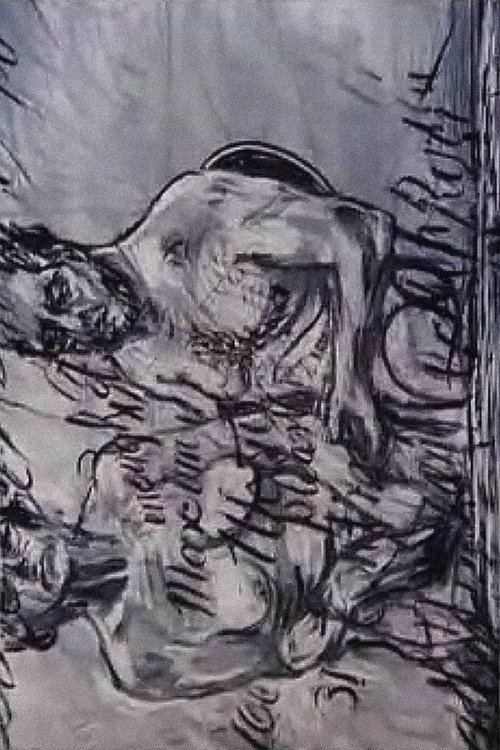
Charcoal animation, taken from from Point of View: An Anthology of the Moving Image (2003).
William Kentridge (1955) was inspired in this case by the novel by Italo Svevo The Conscience of Zeno (1923). Kentridge concentrates on the main character whose fears and interior torments reflect the social violence and the brutality of the First World War. Through Zeno, the artist explores the development of notions of history and belonging as well as the way in which our identities are defined by social and political changes. Unlike traditional animated cinema based on thousands of drawings, Kentridge composes his work using a small series of drawings which are successively erased, redrawn and photographed throughout the various stages of creation, which he then mixes with paper cut-outs and archive images. This technique, which he has made his own, thus perfectly illustrates the process of memory which erases, alters and gives rise to multiple images.
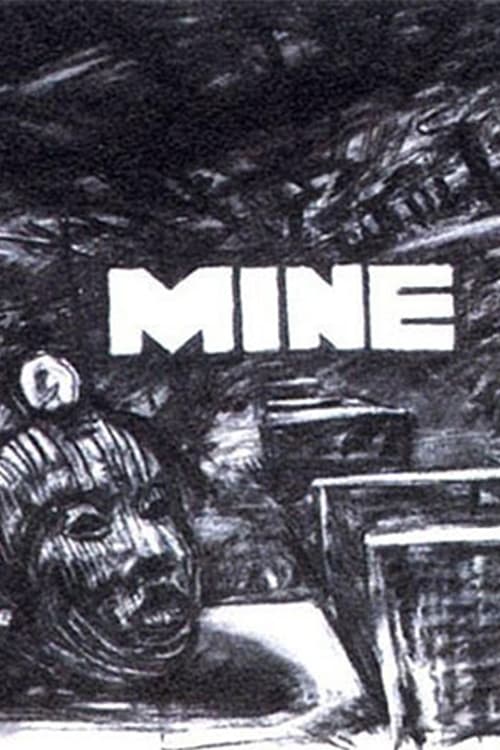
A journey into the mines provides a visual representation of a journey into the conscience of Kentridge's invented character, Soho Eckstein, the white South African property owner who exploits the resources of land and black human labour which are under his domain. Throughout the film the imagery shifts between the geological landscape underground inhabited by innumerable black miners and Soho's world of white luxury above ground. When Soho, breakfasting in bed, pushes down the plunger of his cafetière, its movement is transformed into a rapid descent through the tray, through the bed and into the mine-shaft. Here the miners' world of overwhelming misery is depicted in claustrophobic tunnels where they are trapped digging, drilling and sleeping, embedded in rock. Above ground, Soho sits at his desk in his customary pin-stripe suit and punches adding machines and cash registers, creating a flow of gold bars, exhausted miners, blasted landscapes and blocks of uniform housing.
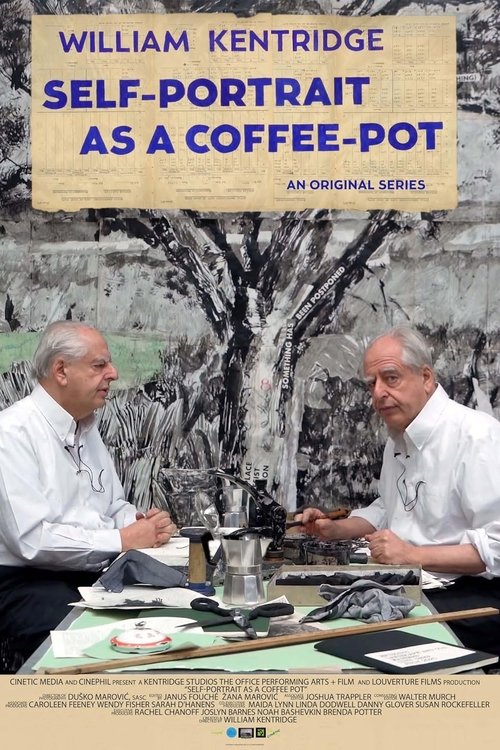
Short documentation about the South African artist William Kentridge and his very unique animated films.
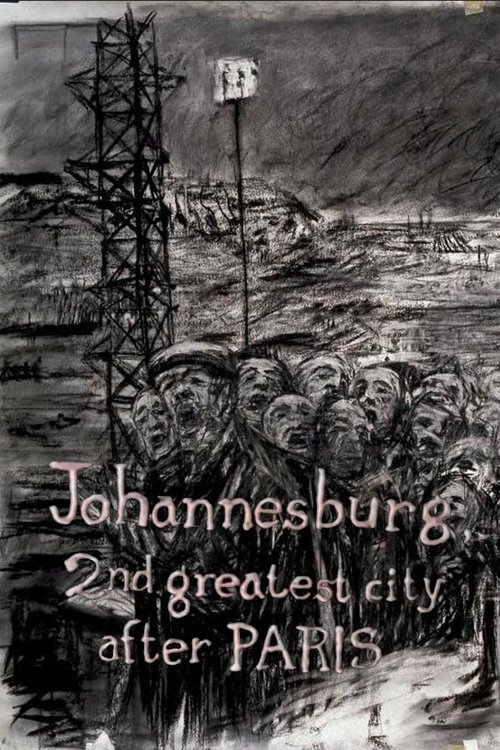
William Kentridge’s ironic tribute to his hometown, animated on the basis of 25 drawings, is the first film of his “Drawing for Protection” cycle, in which he unfolds the triangle between Johannesburg building tycoon Soho Eckstein, his wife, and the dreamer Felix Teitelbaum. In this film he introduces the central characters of his meta-narrative which, located in a South Africa of the last days of a crumbling Apartheid, becomes an allegorical reflection on socio-political power relations.
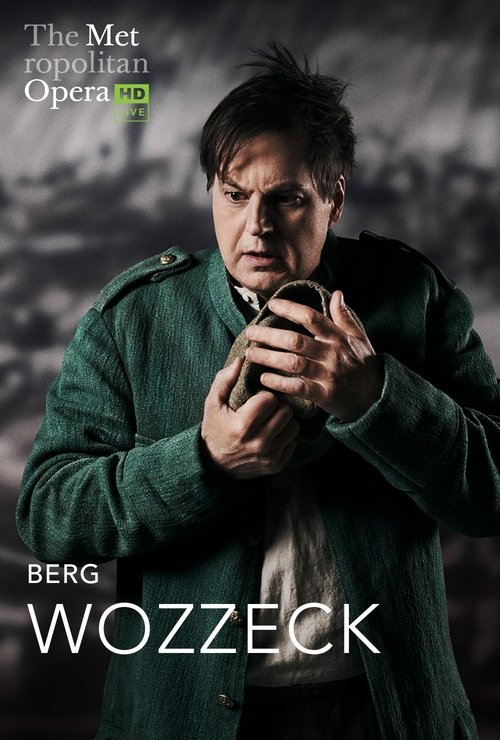
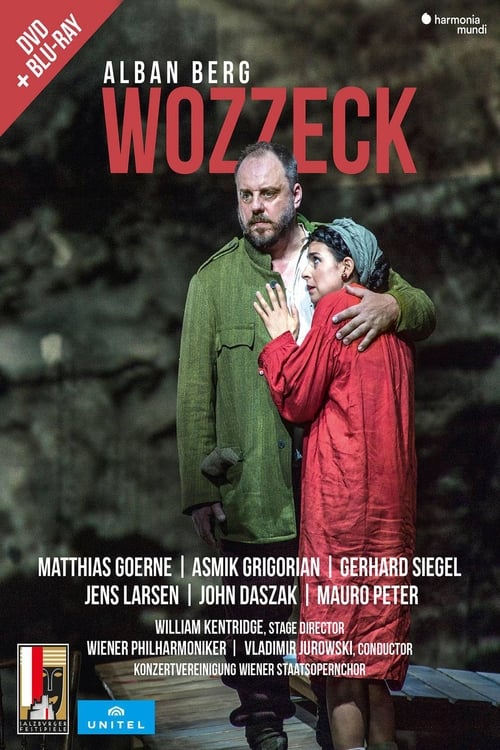
Berg’s 20th-century shocker stars baritone Peter Mattei in the title role, with Music Director Yannick Nézet-Séguin on the podium and soprano Elza van den Heever as the long-suffering Marie. Groundbreaking visual artist and director William Kentridge unveils a bold new staging set in an apocalyptic wasteland.
Pioneering artist William Kentridge chronicles his creative process during COVID. Interconnected episodes explore culture, history, politics, and profound truths through art-making, inviting viewers into his studio.
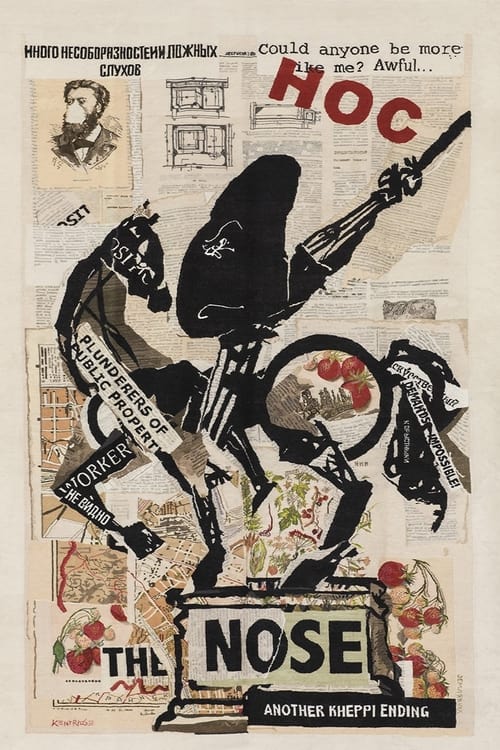
Acclaimed artist William Kentridge directed and designed this visually dazzling Met premiere production of Shostakovich’s satirical opera, adapted from the classic short story by Nikolai Gogol. Baritone Paulo Szot leads the cast as Kovalyov, the hapless bureaucrat whose nose has mysteriously gone missing. Alexander Lewis and Andrey Popov co-star, and Pavel Smelkov conducts.
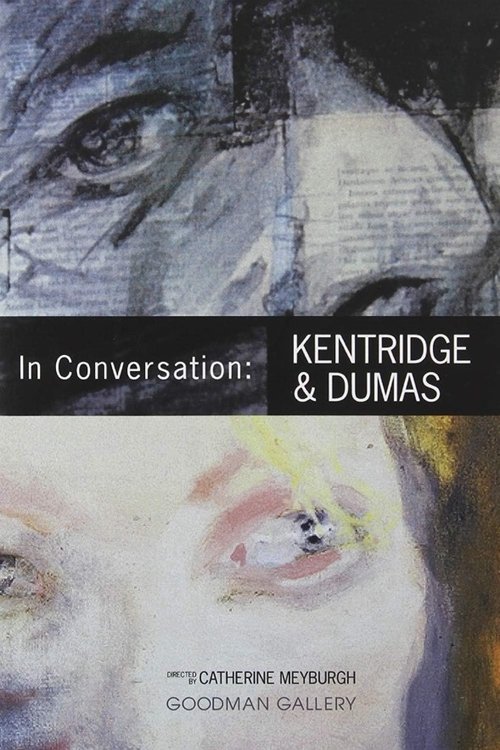
William Kentridge and Marlene Dumas – two of the most celebrated names in international contemporary art – come face to face in a series of frank, witty and intense discussions about their work and practice. The film follows them from the gentle ambience of a dinner conversation, to their studios – where we are given insight into the way that each artist works – to some of their finished works and installations. What emerges is how very differently these two highly successful South African artists approach image making. Dumas’ method is deeply intuitive – she often works on the floor as though embracing her paintings, pouring and dabbing paint to produce her remarkable portraits. Kentridge is intensely systematic, alternating gestural mark making with the repetitive action of drawing-filming-erasing for his animated films.
A study of a man's physical and mental limitations. In the 24 quite harsh and grueling fragments of the unfinished drama, a body and a mind are tested as far as they can be pushed before their owner goes over the edge. Is there just one thing that proves to be too much for Franz Woyzeck, or is it an accumulation of miseries and torments of a wretched existence? Woyzeck is perhaps not so much a bleak account of how miserable life can be as how much strength is required to deal with the daily vicissitudes of life and how delicate and fragile a balance the human psyche rests on.
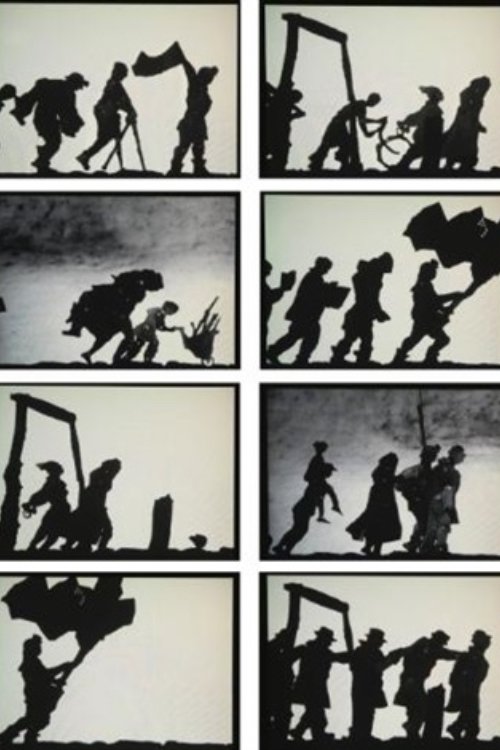
In KENTRIDGE’s cross-disciplinary, cross-media world of artistic creation, images are not merely background supporting characters for theatre or installations, but are seen as an important intermediary to understanding the world. Taking Plato’s ‘Allegory of the Cave’ as an example, he feels that the prisoners in the cave believed the shadows on the wall represented reality not because they were controlled by hallucinations, but because silhouettes projected onto walls by firelight were the beginning of mankind’s understanding of the meaning of the world.
With his video History of the Main Complaint (1996) serving as a backdrop, William Kentridge discusses how artists draw upon tragedy as subject matter for their work and how drawing itself can be a compassionate act.
Sobriety, Obesity and Growing Old picks up the narrative and themes begun in Kentridge's first film, Johannesburg the Second Greatest City after Paris, and follows the development of the relationships between his cast of invented characters, Soho Eckstein, his wife and her lover, Felix Teitelbaum. These relationships reflect, metaphorically, the changing political situation in South Africa at the time the film was made. Demonstrations and marches in opposition to the apartheid régime together with the governmental relaxation of most of the State of Emergency regulations and restrictions heralded the beginning of a change in the country's power structure (and white attitudes towards black African rights). Soho, a symbol of South African white power, develops the capacity for awareness, longing and love and the potential for guilt and repentance.
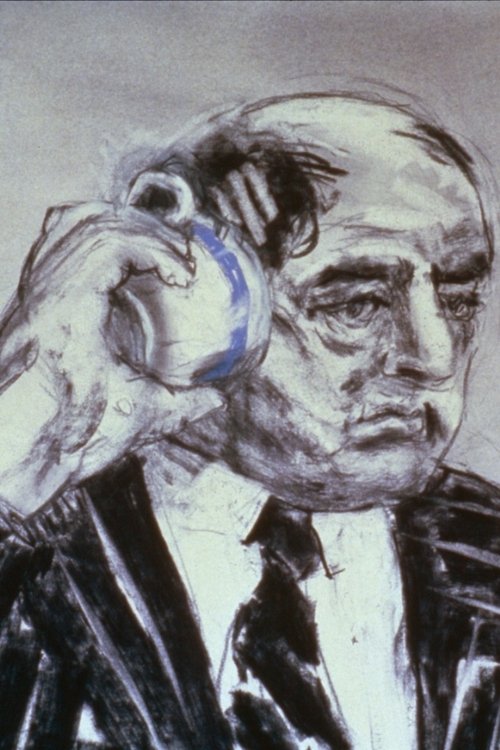
He developed a method of filmmaking that he dubbed “poor-man’s animation,” in which he photographed charcoal drawings and collages as he gradually adjusted them, as in the early films Johannesburg, 2nd Greatest City After Paris (1989) and Monument (1990).
Felix in Exile introduces a new character to the 'Drawings for Projection' series: Nandi, an African woman, who appears at the beginning of the film making drawings of the landscape. She observes the land with surveyor's instruments, watching African bodies, with bleeding wounds, which melt into the landscape. She is recording the evidence of violence and massacre that is part of South Africa's recent history. Felix Teitelbaum, who features in Kentridge's first and fourth films as the humane and loving alter-ego to the ruthless capitalist white South African psyche, appears here semi-naked and alone in a foreign hotel room, brooding over Nandi's drawings of the damaged African landscape, which cover his suitcase and walls. Kentridge has commented: 'Felix in Exile was made at the time just before the first general election in South Africa, and questioned the way in which the people who had died on the journey to this new dispensation would be remembered'.
Other Faces returns to the figure of Soho Eckstein, the industrialist and developer who is the key protagonist of the Drawings for Projection series. In this cycle of nine films created from 1989 through 2003, Kentridge addresses the doubling and contrary sides of the self, personified in the entrepreneur/capitalist Soho and his foil, the poet/ lover Felix. In this most recent work, pin-striped Soho Eckstein moves through a series of collisions of circumstances and recollection. In the film, the city of Johannesburg – inconstant, desperate, desiring, impenetrable – appears not so much as context as it does subject, in images of streets, facades, landscapes, and people. Familiar and recent attributes of the city appear, with one image not just suggesting another image but indicating a connection to displaced emotions and displaced histories. There are references to the street corner civil wars of daily life, and to the xenophobic violence of the last few years.
Drawing, literally, from the story of Daniel and Belshazzar, William Kentridge's film Weighing… and Wanting re-examines the legacy of Belshazzar's message in post-apartheid South Africa. While the political climate shared by Belshazzar's kingdom and apartheid-era South Africa is striking – in both, a ruling civilization relegates whole populations to subhuman status – Kentridge sets the scene of his film after the South African rule of oppression has been replaced by the ascent of the African National Congress. Left in the frame of apartheid's collapse is Kentridge's charcoal creation, Soho Eckstein, a former apartheid profiteer and businessman, contemplating the works of his own hand in the dissolution of love and in the building of industry.
A Kafka comedy in which simple office objects first escape from and finally overwhelm a middle-aged functionary.