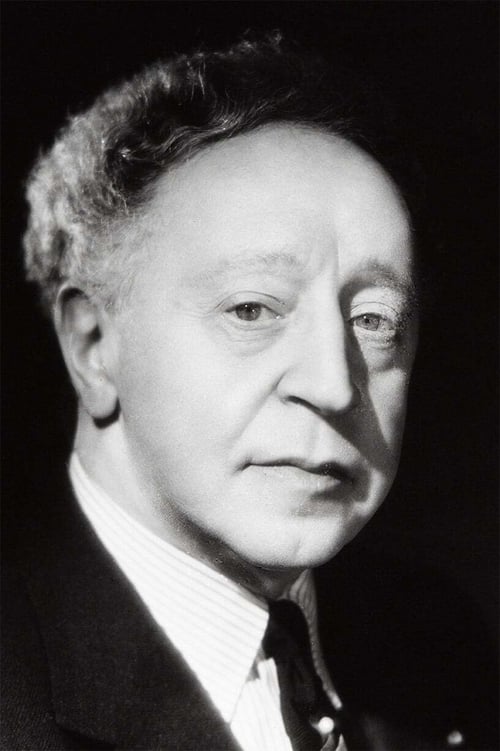
Arthur Rubinstein
Acting
Biography
Arthur Rubinstein (Polish: Artur Rubinstein; 28 January 1887 – 20 December 1982) was a Polish-American pianist. He is widely regarded as one of the greatest pianists of all time. He received international acclaim for his performances of the music written by a variety of composers and many regard him as one of the greatest Chopin interpreters of his time. He played in public for eight decades. Artur Rubinstein was born in Łódź, Congress Poland (part of the Russian Empire for the entire time Rubinstein resided there) on 28 January 1887, to a Jewish family. He was the youngest of seven children of Felicja Blima Fajga (née Heiman) and Izaak Rubinstein. His father owned a small textile factory. Rubinstein's birth name was to be Leo, but his eight-year-old brother claimed that "His name must be Artur. Since Artur X (a neighbour's son) plays the violin so nicely, the baby may also become a great musician!". Thus, he was called Artur, although in English-speaking countries, he preferred to be known as Arthur Rubinstein. His United States impresario Sol Hurok, however, insisted he be billed as Artur, and records were released in the West under both versions of his name. At age two, Rubinstein demonstrated absolute pitch and a fascination with the piano, watching his elder sister's piano lessons. By the age of four, he was recognised as a child prodigy. His father had a predilection for the violin and offered Rubinstein a violin; but Rubinstein rejected it because he thought his instinct was for harmony and polyphony. The Hungarian violinist Joseph Joachim, on hearing the four-year-old child play the piano, was greatly impressed, telling Arthur's family, "This boy may become a very great musician—he certainly has the talent for it... When the time comes for serious study, bring him to me, and I shall be glad to supervise his artistic education." On 14 December 1894, seven-year-old Arthur Rubinstein had his debut with pieces by Mozart, Schubert and Mendelssohn. When he became ten years of age, Rubinstein moved to Berlin to continue his studies, and gave his first performance with the Berlin Philharmonic in 1900, at the age of 13. Joseph Joachim recommended Karl Heinrich Barth as the boy's piano teacher. As a student of Barth, Rubinstein inherited a renowned pedagogical lineage: Barth was himself a pupil of Liszt, who had been taught by Czerny, who had in turn been a pupil of Beethoven. In 1904, Rubinstein moved to Paris to launch his career in earnest, where he met the composers Maurice Ravel and Paul Dukas and the violinist Jacques Thibaud. He also played Camille Saint-Saëns' Piano Concerto No. 2 in the presence of the composer. Through the family of Juliusz Wertheim, whose understanding of Chopin's genius inspired Rubinstein, he formed friendships with the violinist Paul Kochanski and composer Karol Szymanowski. ... Source: Article "Arthur Rubinstein" from Wikipedia in English, licensed under CC-BY-SA 3.0.
Known For

The best in the performing arts from across America and around the world including a diverse programming portfolio of classical music, opera, popular song, musical theater, dance, drama, and performance documentaries.
Great Performances
The Dick Cavett Show has been the title of several talk shows hosted by Dick Cavett on various television networks.
The Dick Cavett Show
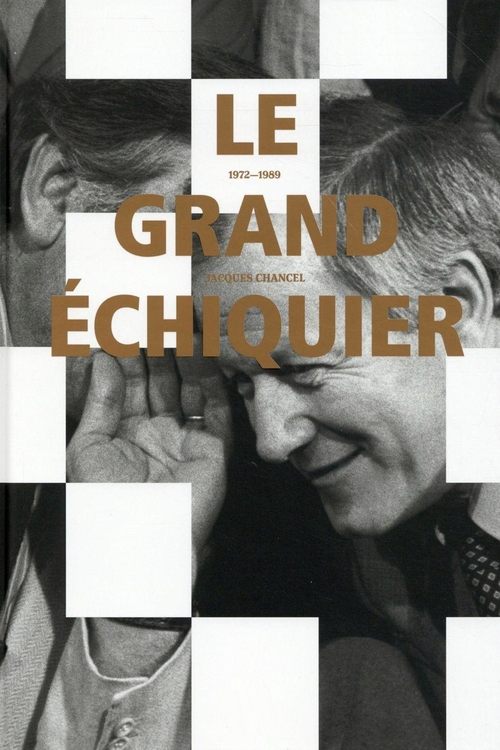
Le Grand Échiquier is a French variety television program created and presented by Jacques Chancel. It aired at 8:30 pm on the first channel of the ORTF from January 12, 1972 to July 12, 1972, then on the second color channel of the ORTF from September 1972 to December 1974, and finally on Antenne 2 from January 1975 to December 21, 1989. The program returned to France 2 on December 20, 2018 and is hosted by Anne-Sophie Lapix.
Le Grand Échiquier
No description available.
Das Sonntagskonzert
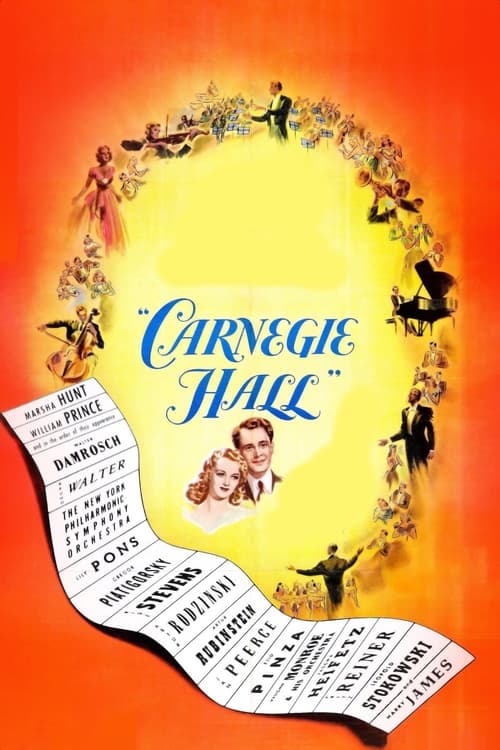
A young Irishwoman comes to the United States to live and work with her mother as a cleaning lady at Carnegie Hall. She becomes attached to the place as the people she meets there gradually shape her life. The film also includes a variety of performances from some of the foremost musical artists of the times: conductors Bruno Walter & Leopold Stokowski, solists Arthur Rubinstein & Jascha Haifetz, singers Lily Pons & Jan Peerce and bandleader Vaughn Monroe among many others.
Carnegie Hall

Lisa, a fashion photographer, has an affair with a married man. They both know that the relationship forces them to have fun. When he goes through a delicate family situation caused by his daughter's adventure with a much older man, Lisa understands how much she is in love and how little she can expect from him.
The Sultans
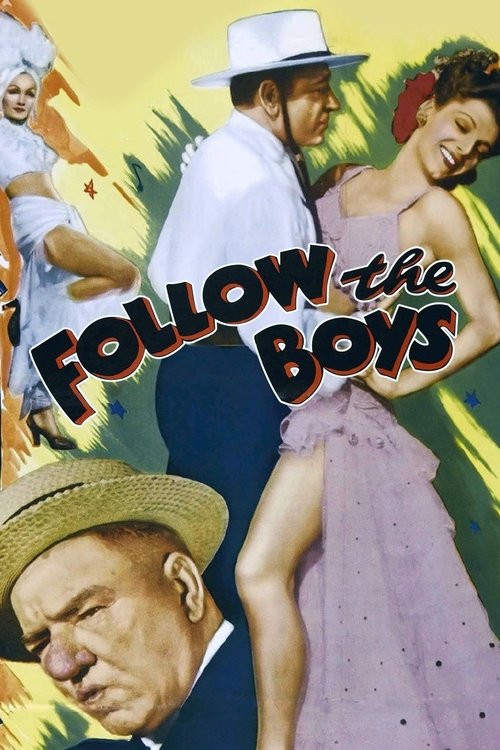
During World War II, all the studios put out "all-star" vehicles which featured virtually every star on the lot--often playing themselves--in musical numbers and comedy skits, and were meant as morale-boosters to both the troops overseas and the civilians at home. This was Universal Pictures' effort. It features everyone from Donald O'Connor to the Andrews Sisters to Orson Welles to W.C. Fields to George Raft to Marlene Dietrich, and dozens of other Universal players.
Follow the Boys
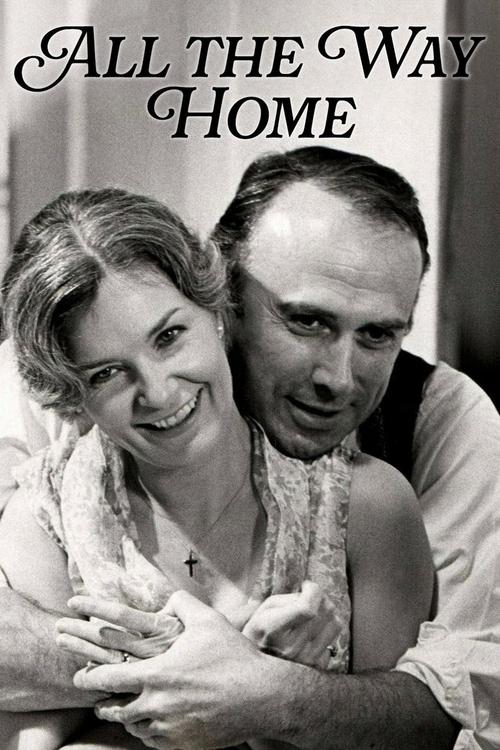
Jay Follet is suffering a mid-life crisis while his wife, Mary, is expecting their second child. When Jay takes his family to visit his 103-year-old grandmother, he begins to realize that life is passing by too quickly. He turns more and more toward alcohol to escape from reality. When Jay doesn't come home one night, Mary learns that he was in an accident and waits anxiously for his return. Screen adaptation of Tad Mosel's 1960 Pulitzer Prize-winning play based on James Agee's Pulitzer Prize-winning autobiographical novel A Death in the Family.
All the Way Home

A socialite pretends to be poor and blind in her plan to help a blinded pianist.
Night Song
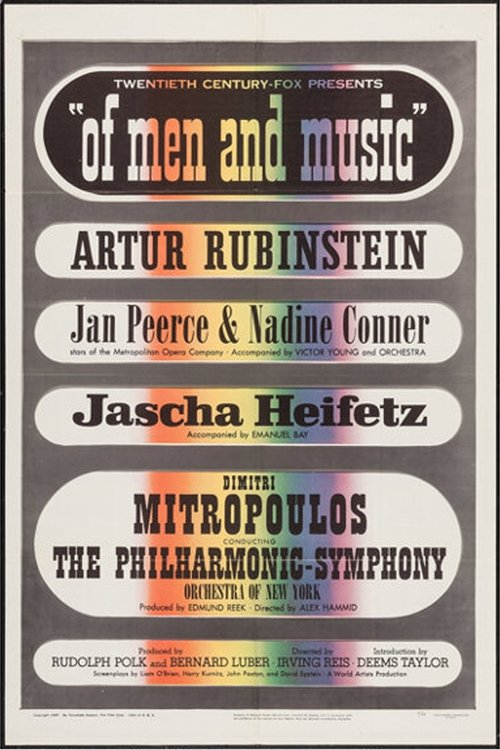
A documentary featuring musicians including Artur Rubinstein, Jan Peerce-Nadine Conner, and Jascha Heifetz.
Of Men and Music
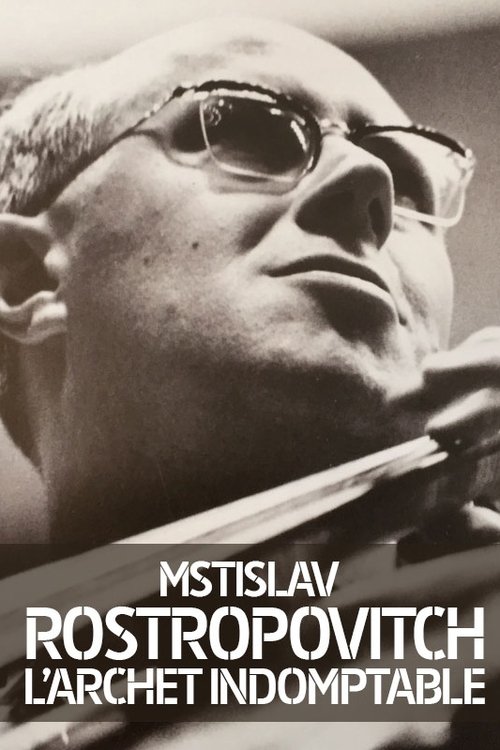
The Indomitable Bow is a unique portrait of Mstislav Rostropovich, a formidable personality as well as a complex, deeply political musician constantly engaged in a whirlwind of activities. Including unreleased documents, archive films, interviews and concert performances from this key figure of the 20th century, The Indomitable Bow is a remarkable testimony of the life and work of the legendary Slava
Rostropovich: L'archet Indomptable
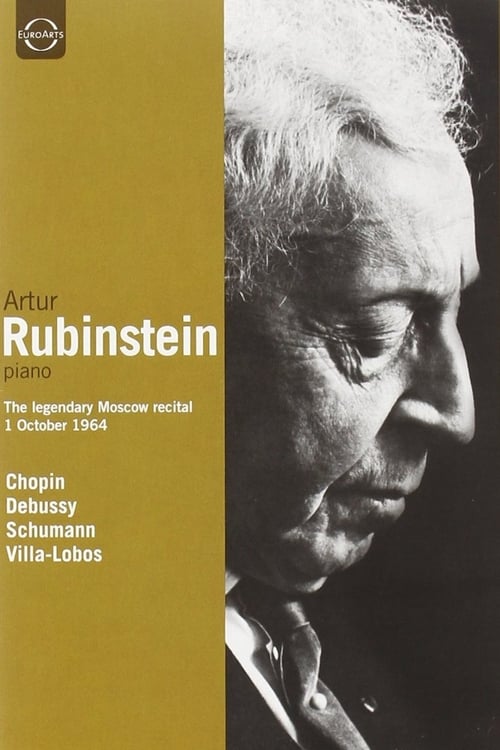
Arthur Rubinstein's 1964 recital in the Great Hall of the Moscow Conservatory, filmed and recorded by Soviet television and preserved in its archives, in a program of work of Chopin and — in encores introduced from the stage by Rubinstein — Schumann, Chopin, Debussy, and Villa-Lobos.
Artur Rubinstein: The Legendary Moscow Recital
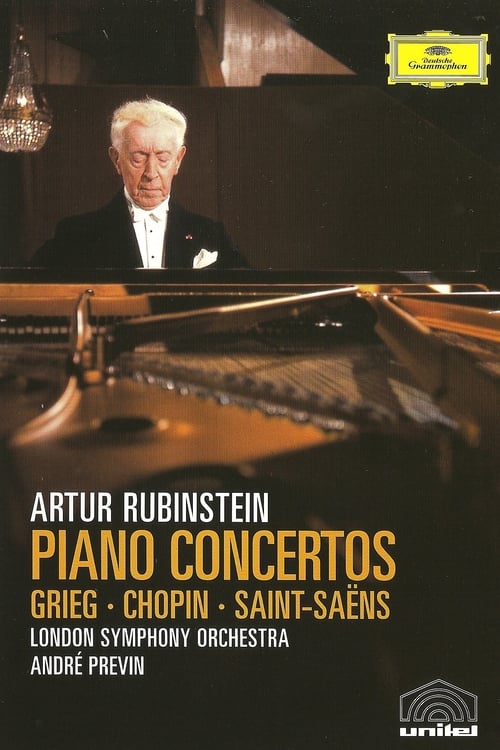
Arthur Rubinstein performs Grieg's Piano Concerto in A minor, Op. 16, Chopin's Piano Concerto No. 2 in F minor, Op. 21, and Saint-Saens Piano Concerto No. 2 in G minor, Op. 22 with Andre Previn at the London Symphony at Fairfield Hall, Croydon, England.
Artur Rubinstein - Piano Concertos
Documentary about Polish-American pianist, Arthur Rubinstein.
Arthur Rubinstein: The Love of Life
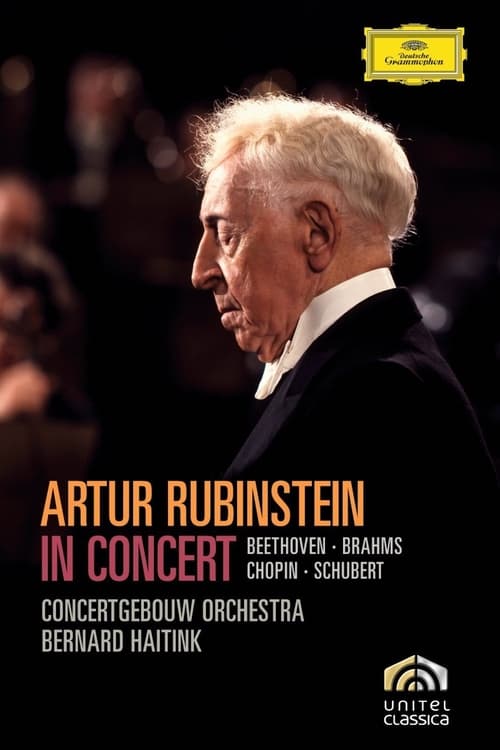
Live 1973 concert performances by celebrated Polish-American virtuoso concert pianist Arthur Rubinstein, with the Concertgebouw Orchestra under conductor Bernard Haitink. Filmed in August 1973 at the Concertgebouw in Amsterdam, the performances include Beethoven's Third Piano Concerto, in C minor, op. 37; and Brahms's First Piano Concerto, in D minor, op. 15. These are followed by four short pieces for solo piano, by Schubert, Brahms, and Chopin. The 2008 DVD release by Deutsche Grammophon also includes a short documentary, "Rubinstein at 90", an interview with Robert MacNeil, filmed at Rubinstein's home in Paris in 1977.
Rubinstein in Concert
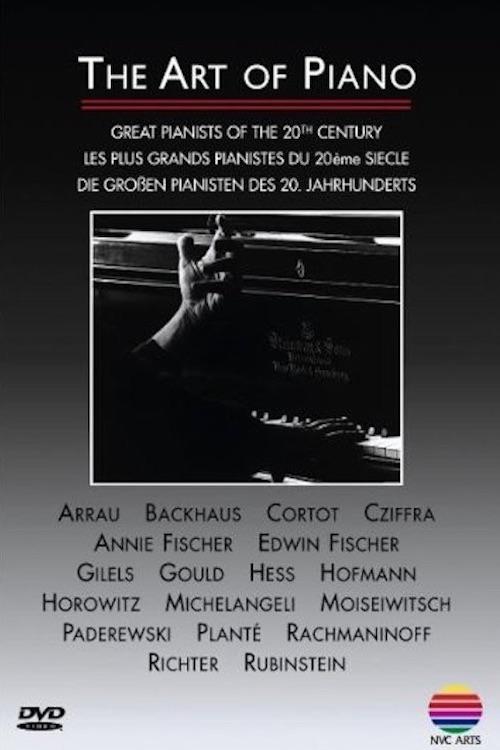
This is a film that encapsulates the essence of a great pianistic age that married virtuosity and musicianship with the most thrilling aspect of individual showmanship.
The Art of Piano - Great Pianists of 20th Century
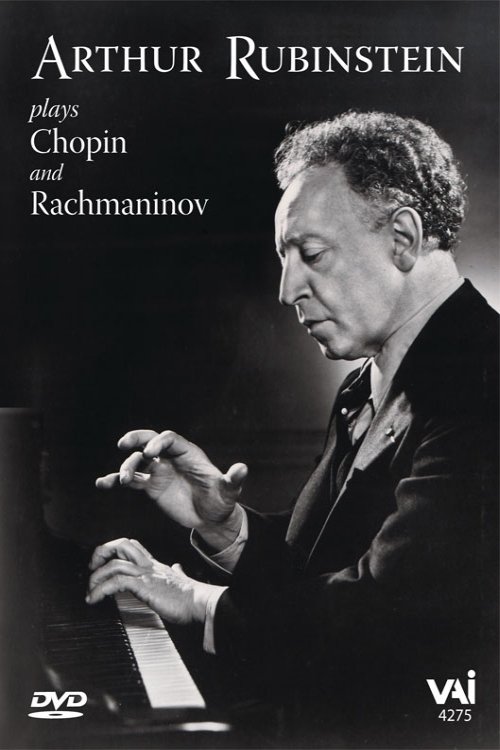
In the intimate setting of his home, one of the most celebrated pianists of the 20th century performs an all-Chopin program, with the Mazurka in C Sharp Minor, Op. 30, No. 4; Scherzo in C Sharp Minor, Op. 39; Nocturne in F Sharp Major, Op. 15, No. 2; and Polonaise in A Flat Major ("Grand Polonaise"), Op. 53. Augmenting this 1950 film are two 1956 Producer's Showcase "Festival of Music" performances: a reprise of the A-Flat Polonaise and Rachmaninov's Rhapsody on a Theme of Paganini. "Admirers of the legendary Arthur Rubinstein (1887-1982) will covet this ... black-and-white salon recital done in Hollywood style, with unidentified guests - including the pianist's wife Eva - caught in medias res, with Rubinstein's playing the last fifteen bars of the Prelude in F# Minor, uncredited. Rubinstein then asks permission to play a mazurka, the piece most representative of Chopin's national character....
Arthur Rubinstein Plays Chopin and Rachmaninov
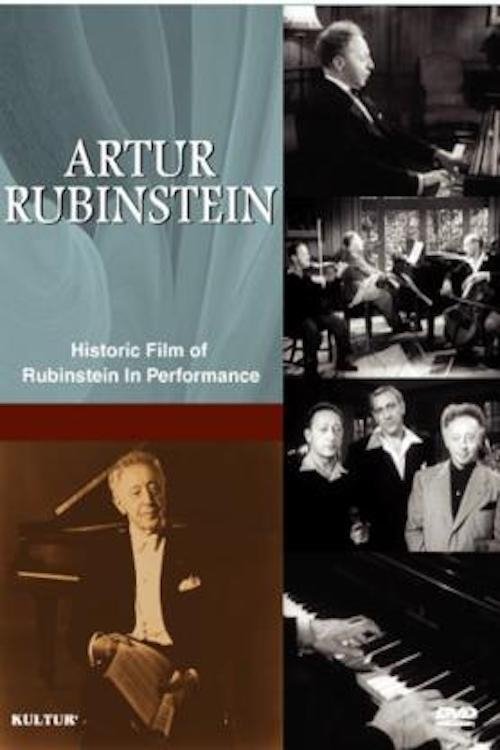
This historic film captures the legendary pianist Artur Rubinstein in rare performance film footage. The first portion of the program features Rubinstein playing solo works. The next segment of the program takes us into his home, with the master playing a program of Chopin. The concluding portion of the film is the result of LIFE Magazine's famous photographic story on the great soloists Rubinstein, Jasha Heifetz and Gregor Piatigorsky in rehearsal together. It is an intimate study of genius at work.
Rubinstein: In Performance
No description available.
Villa-Lobos - O Índio de Casaca

Documentary film based on unique found footage shot in the 1920s by count August Zamoyski. A valuable insight into Polish artistic life between the world wars.