Acting
No description available.
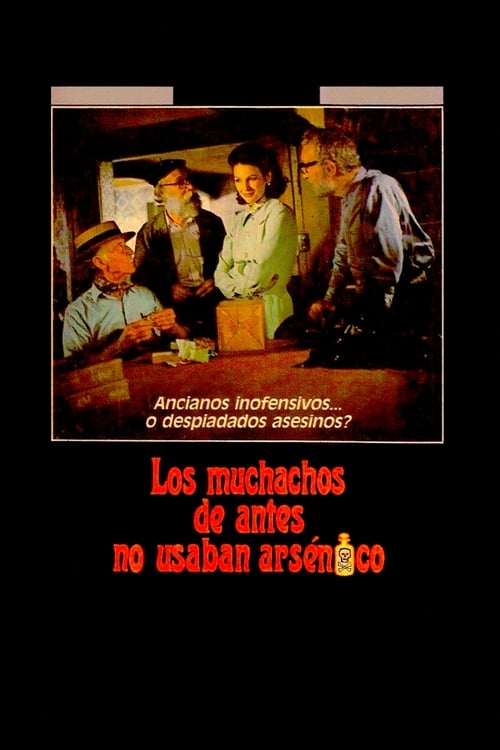
A once prominent family fight each other over the inheritance of a run down mansion. Motivated by individual greed, they turn on one another until they unite to subdue a stranger prone to violence. Outwardly the family retains respectability and their name is not sullied, but irreparable harm is done to the unit and mutual trust is shattered in the wake of the events that transpire.
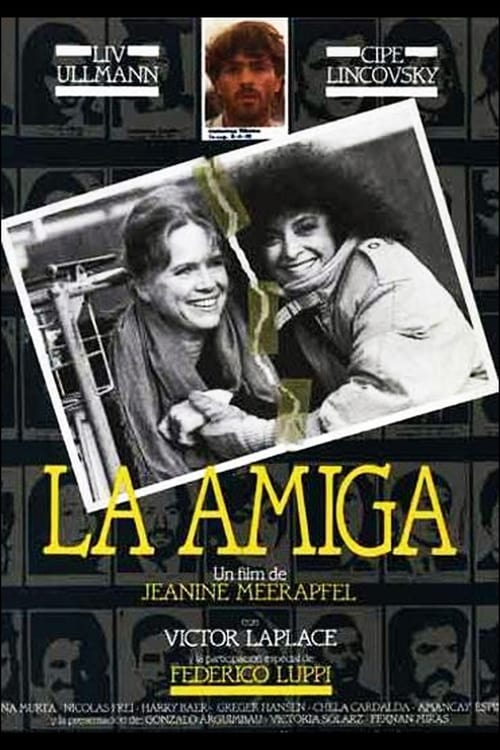
Since childhood, Raquel and Maria have been close friends. Now all grown-up, Raquel has fulfilled her dream of becoming an actress, while Maria has married a handyman, given birth to three children and runs the family household. In the wake of the Argentine military coup of 1976, Maria's oldest son Carlos is abducted. Desperate, Maria turns to her prominent friend for help. Yet the more Raquel gets involved in the search for Carlos, the more she becomes herself a target of the junta. Finally, she flees from Argentina to Berlin. Meanwhile Maria joins a group of women who investigate the fate of their disappeared relatives. In 1983, after the fall of the dictatorship, the two friends meet again.
Leopoldo Torre Nilsson, at the age of 22, made his directorial debut with this little-known auteur short film, based on one of his short stories, which contains the seeds he would develop in future works: loneliness, the conflicts and morals of society at that time, its loss of identity, and literary themes. Although Torre Nilsson himself used to define "The Wall" as "a sin of youth," it already reveals a different kind of cinema, with a certain expressionist touch, a reflection of his literary restlessness and an early and natural rejection of the commercial vision of cinema at that time, a rejection he would maintain throughout his career, in which he would crash against another wall, that of censorship, more than he would have liked.
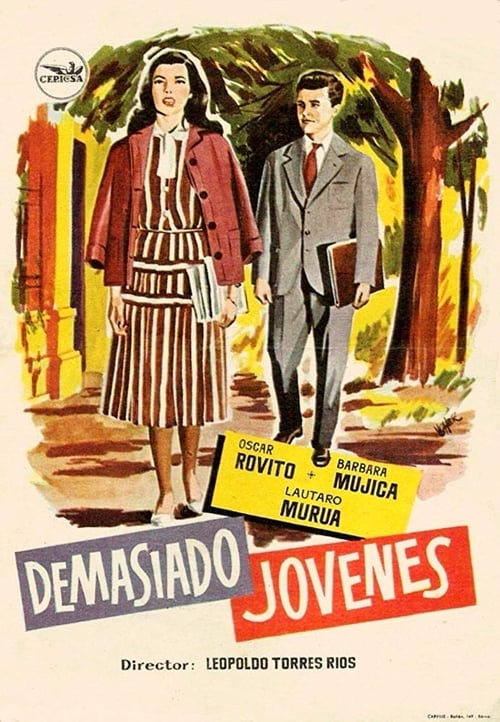
The love between two teenagers awakens.
A woman tries to prove his son's innocence, a taxi driver who is accused of murder.
When the Germans invade Poland during World War II, a family of Jews seeks refuge in a well. Based on real events, the three survivors moved to Buenos Aires in 1952.
Argentinian Drama An avant-garde young man rents a room from an older couple in Argentina. As his eccentricities become increase, they come to grate on his conservative landlords, who try to control his behavior more.
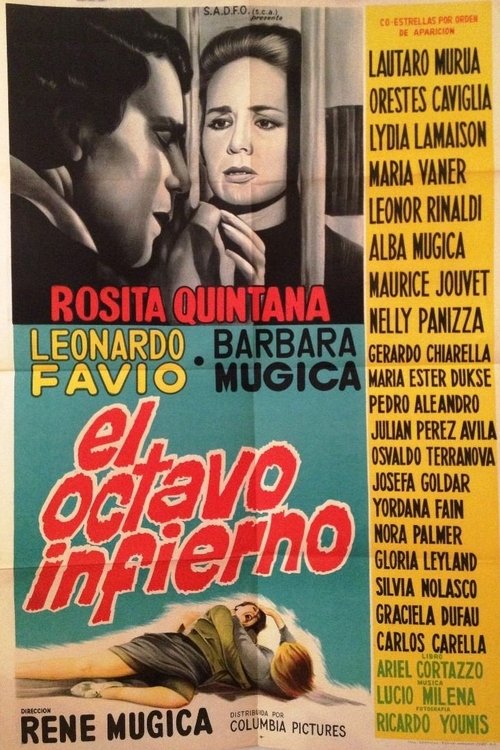
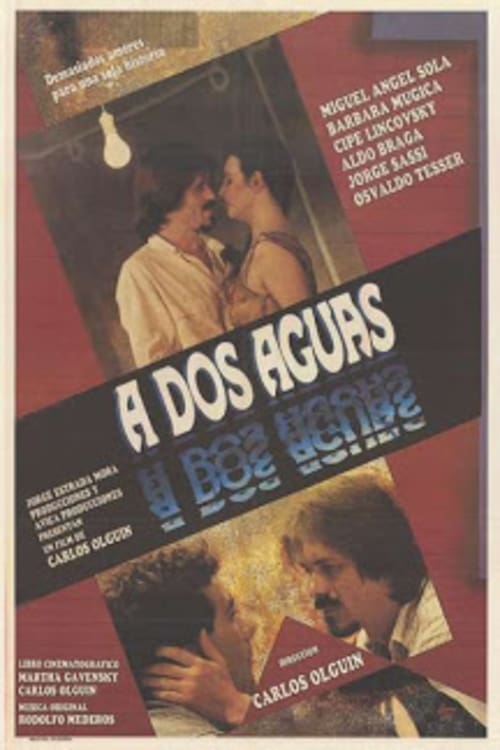
Returning from Switzerland, a young investigator meets María, his father's new wife. They immediately feel an irresistible attraction, which he tries to overcome by mixing it up with another woman.
The failure of Budiño Ramon, who plans first murder of his father and is recognized after unable to carry it out, is due largely to the general attitude of a society that tolerates no dramatic gestures. However, the inadequacies of radical class, beliefs, feelings, profession and memory also plays a leading role in the drama.
A journey through memory, of the experiences of Basques who emigrated to Argentina, including characters such as Juan, María, Pedro, Iñaki, Micaela, Ana and Pablo.
A depressed son sends voice mesagges to her mother.
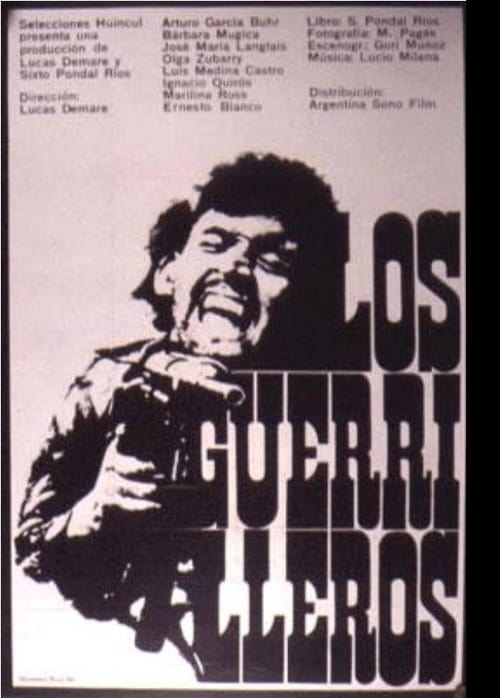
A group of youngsters, encouraged by their teacher, starts with guerrilla actions.
A young teen has been raised by a despotic mother overcome with religious zeal and a father who rules over the household with a heavy, iron hand. Forcibly kept innocent of the sexual nuances of some adult relationships, she is not too clear on her rights, his intentions, or the consequences when her father's best friend starts to lust after her.
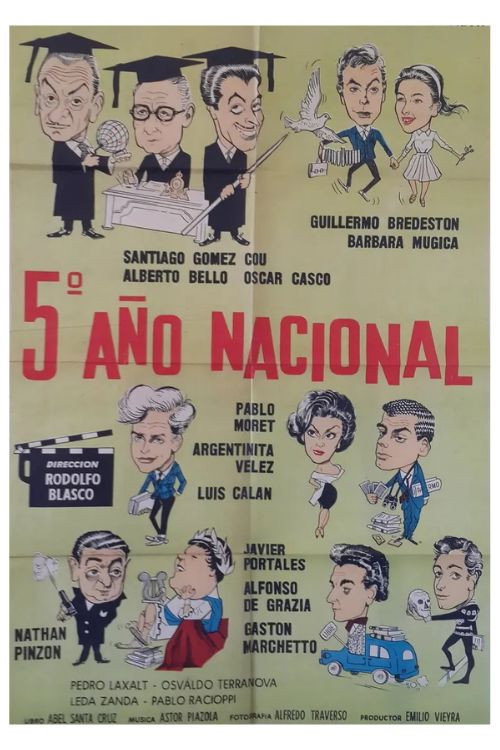
The adventures and misfortunes of high school seniors.
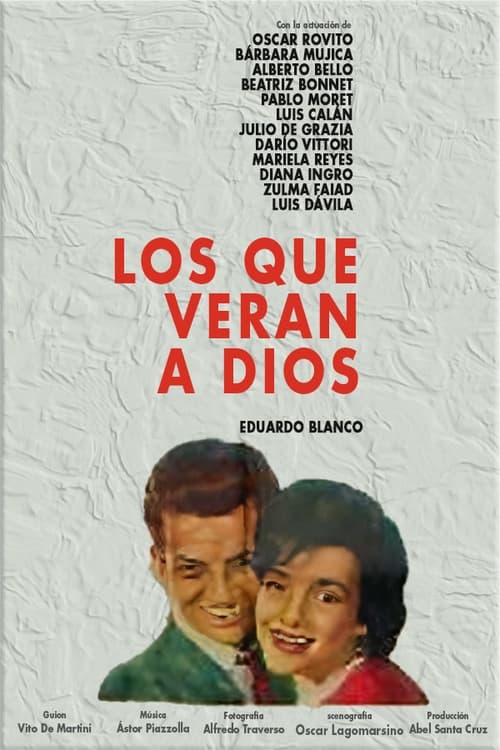
A young married couple chooses to abort due to lack of financial resources.
Mara Ordaz, a former film star who lives in an isolated mansion with her husband, her doctor and her money manager, decides to sell the house and return to Buenos Aires; but the three men do not agree with her decision.