FEEL IT.STREAM
Elfriede Jelinek

Elfriede Jelinek

Writing

Biography

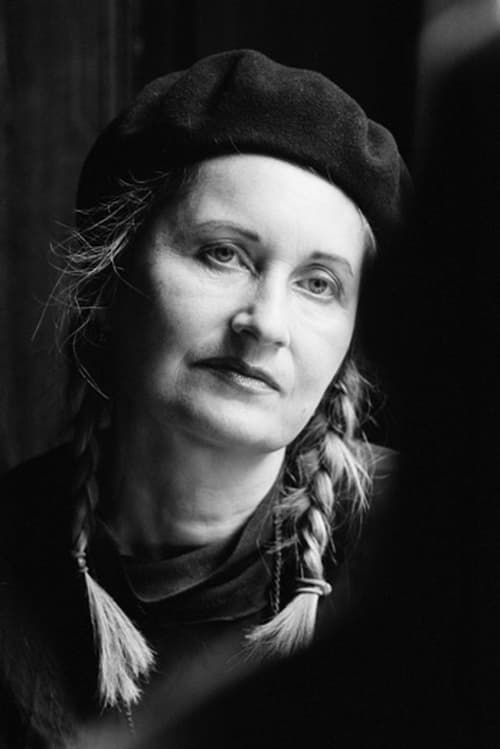
Elfriede Jelinek is an Austrian playwright and novelist. She was awarded the Nobel Prize in Literature in 2004. Jelinek's output has included radio plays, poetry, theatre texts, polemical essays, anthologies, novels, translations, screenplays, musical compositions, libretti and ballets, film and video art. She has also appeared in a couple of feature films. She is probably best known for her novel "Die Klavierspielerin/The Piano Player" published 1983.
Known For

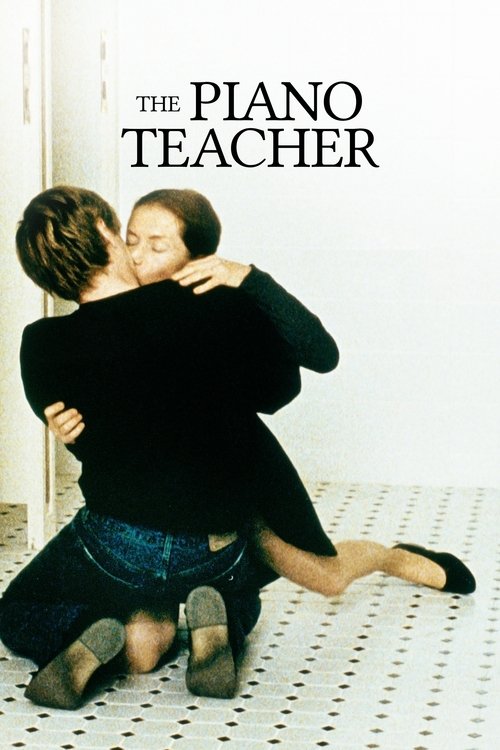
The Piano Teacher
7.3

Erika Kohut, a sexually repressed piano teacher living with her domineering mother, meets a young man who starts romantically pursuing her.

The Piano Teacher

2001
No image
N/A

No description available.

NeXt

1994
Malina
6.2

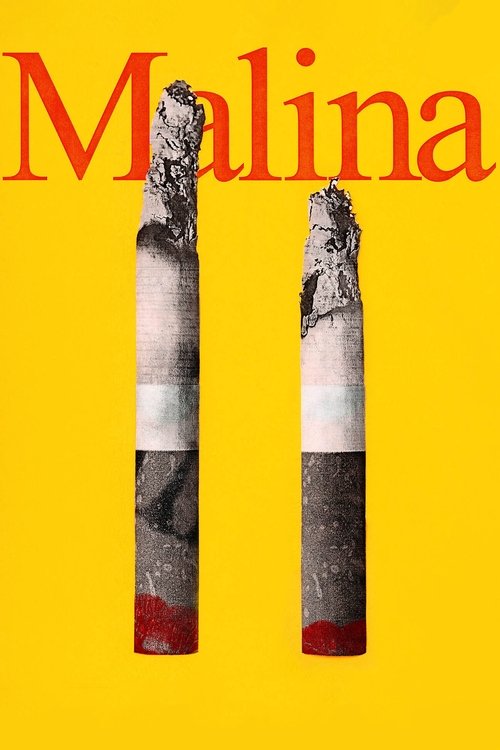
An unusual story of a triangular relationship in Vienna. A woman shares an apartment with a man named Malina. The woman meets Ivan and falls under his spell. It will be her last great passion. Her feelings are so strong and all-encompassing that Ivan can neither understand nor return them.

Malina

1991
Women as Lovers
N/A

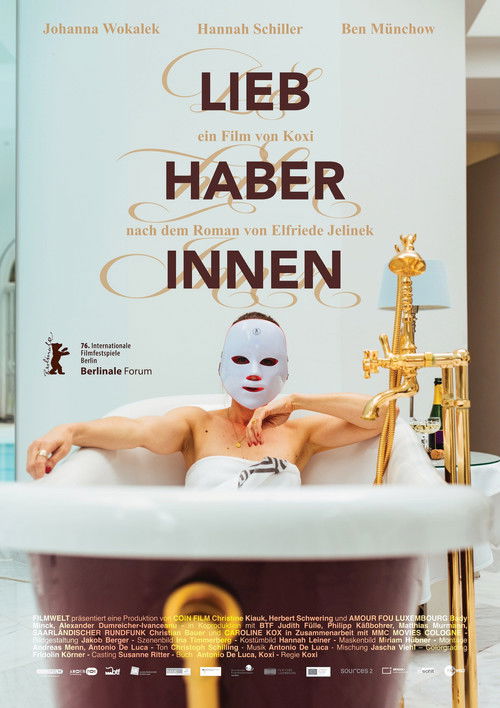
Although hostess Brigitte and life-loving schoolgirl Paula only meet in person once, their fates and lives are closely intertwined.

Women as Lovers

2026
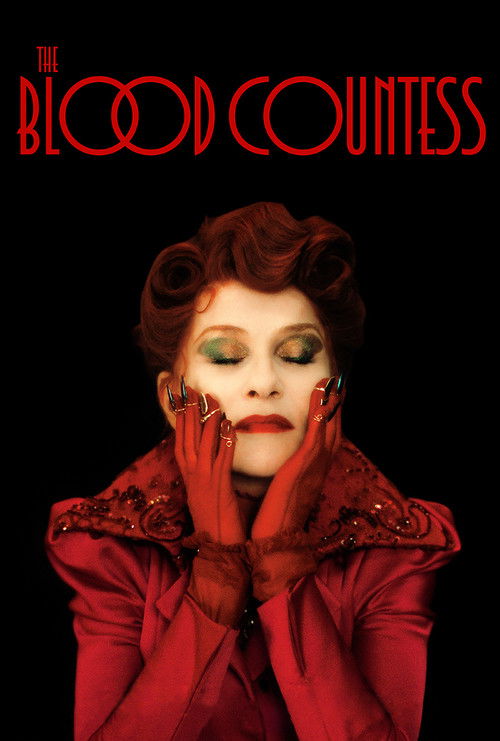
The Blood Countess
N/A

The Blood Countess and her maid embark on a quest for the red elixir of life and a book that threatens the vampire realm. Hot on their heels are a police inspector, two vampirologists, a vegetarian nephew and his therapist.

The Blood Countess

2026
Elfriede Jelinek: Language Unleashed
7.1

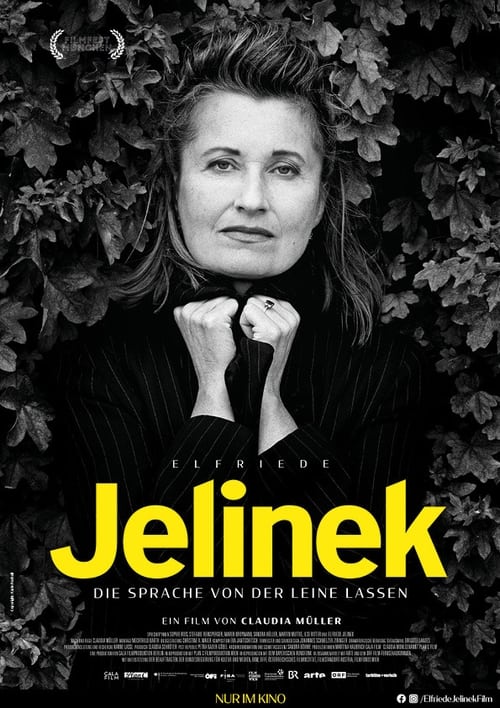
Wunderkind, scandalous author, traitor to the fatherland, fury of the theater, feminist, fashion-lover, communist, pessimist, language terrorist, rebel, enfant terrible, nest fouler, brilliant, vulnerable artist, Nobel laureate. This film about Elfriede Jelinek, who in 2004 became the first Austrian author to receive the Nobel Prize for Literature, focuses on her artistic approach to language. The montage of archive material with voiceovers and interviews, some of them recently recorded, is told from Jelinek’s point of view.

Elfriede Jelinek: Language Unleashed

2022
The Excluded
6.0

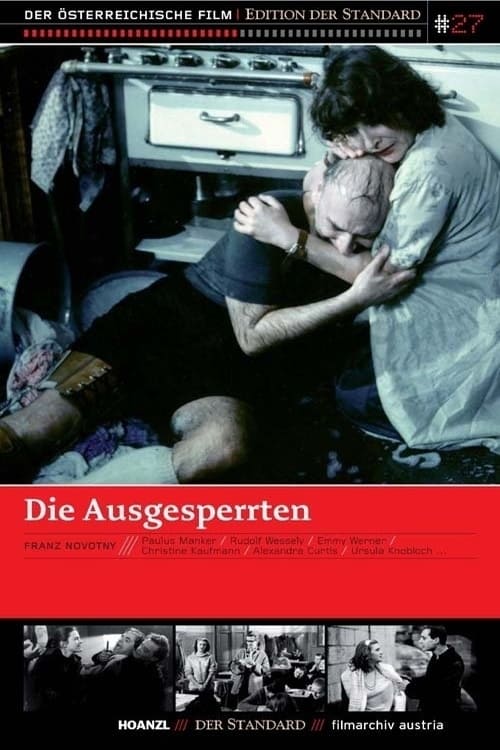
Die Ausgesperrten revolves around an unlikely group of 4 youths in Vienna who band together, each for different reasons, to mug people. Two are fraternal twins, the third a blue-collar worker, the fourth the privileged daughter of wealthy parents who "needs a little dirt in her life". The story provides penetrating insights into the Austria of the 50s, in which some enjoyed the benefits of the "Economic Miracle", while others were shut out. It repeatedly references Austria's Nazi past and the numerous ways in which it influences the present despite the conspiracy of silence which surrounds it.

The Excluded

1982
Foreigners Out! Schlingensief's Container
6.7

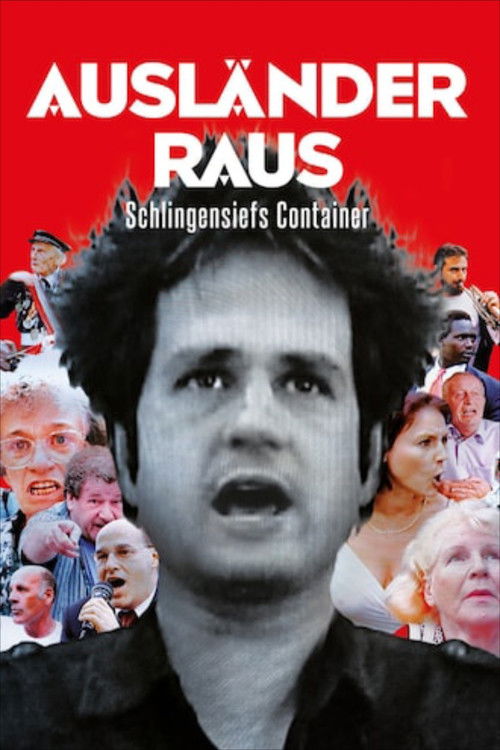
FOREIGNERS OUT! SCHLINGENSIEFS CONTAINER is a thrilling, insightful, funny chronicle and reflection of one of he biggest public pranks and acts of art terrorism ever committed. Austria 2000: Right after the FPÖ under Jörg Haider had become part of the government, the first time an extreme right wing party became state officials after WW2, infamous German shock director Christoph Schlingensief showed a very unique form of protest. Realising public xenophobia and the new hate politics in the most drastic ways possible, he installed a public concentration camp right in the middle of Vienna's touristic heart, right beside the picturesque opera where hundreds of tourists and locals pass by daily. And it was no concentration camp you had ever feared to return from the old times, but one that cynically reflected our new multimedia culture. Satirising reality TV shows, "Big Brother" especially, a dozen asylum seekers were surveilled by a multitude of cameras, could be fed and watched by.

Foreigners Out! Schlingensief's Container

2002
Valie Export - Icon and Rebel
5.0

She is the godmother of performance art. With her shocking public actions she created in the late 60s images that have burned into the general visual memory until today. The life and work of the Austrian artist Valie Export exemplify a development in art history in which women sought and found new ways and means of expression. Her work provides a feminist counterpart to the Viennese actionism of her time, which has influenced numerous artists of subsequent generations. The innovative diversity of her artistic approaches makes Valie Export an icon of 20th century art history.

Valie Export - Icon and Rebel

2015
Kein Licht
N/A

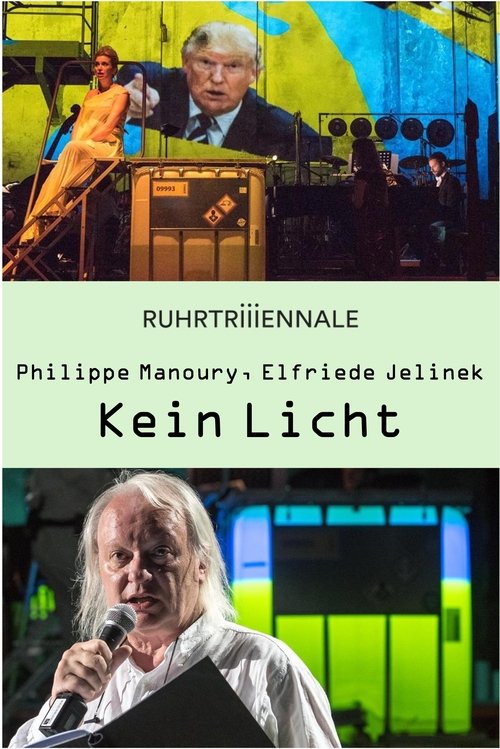
Two particles wander through space. Two particles? Perhaps they are also two musicians: the first and second violins. An absurd scenario. Voices A and B speak to each other, but they can't hear each other ... Without the words Fukushima or nuclear power being mentioned even once, “Kein Licht. (2011/2012/2017)” depicts a ghostly world after the nuclear disaster. The text by Elfriede Jelinek becomes the libretto of a world premiere musical performance at the Ruhrtriennale. Frenchman Philippe Manoury is composing a new musical theater work for actors, singers and a musical ensemble. The special feature: The music itself also becomes an uncontrollable element. Together with director Nicolas Stemann, Manoury is developing a new form in which pre-composed orchestral and electronic score modules are combined with live electronics that intervene in the modulation of the singers and actors - in real time. Music is verbalized and language is musicalized.

Kein Licht

2017
Chance 2000 - Abschied von Deutschland
N/A

Using rich archive material, this documentary looks back at Christoph Schlingensief and his cross-border art project for the 1998 Bundestag elections.

Chance 2000 - Abschied von Deutschland

2017
The Children of the Dead
4.7

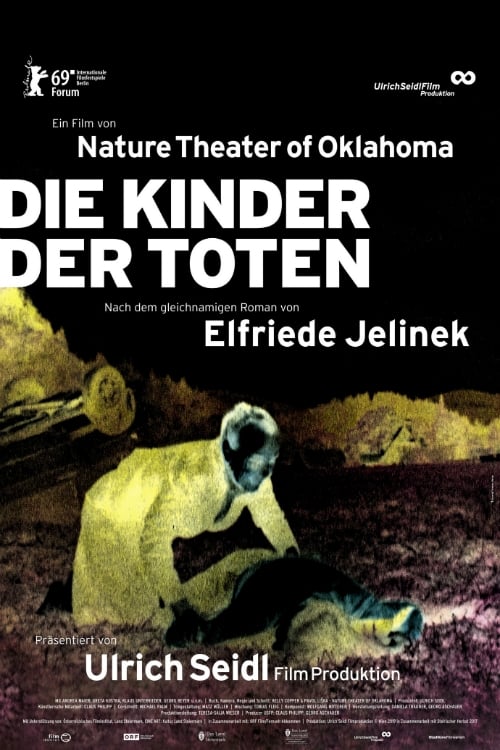
Tourism is booming at the Pension Alpenrose. After a dying in an accident, Karin returns as one of the undead. In a cinema owned by a Nazi widow where the past is mourned, she brings the dead back to life.

The Children of the Dead

2019
Elfriede Jelinek. News from Home 18.8.88
N/A

“Writer Elfriede Jelinek has repeatedly made statements about her television-watching habits. She watches a great deal, a wide variety of what is broadcast, though rarely for pleasure or the purpose of gaining knowledge. On the contrary, the TV program is one of her favorite objects of study. Three separate times on a particular day, while sitting in a comfy TV chair, she commented on Austrian TV news for VALIE EXPORT.” – Brigitta Burger-Utzer

Elfriede Jelinek. News from Home 18.8.88

1988
No image
N/A

About the film: Between 1975 and 1977, national broadcaster ORF produced ten portraits of individual Austrian regions, commissioned from promising authors and filmmakers. Elfriede Jelinek, a declared cineaste, wrote her first screenplay with Ramsau am Dachstein. The film, directed by Claus Homschak, takes an unflinching look at Styrian rural and peasant life. Jelinek's text, which is partly spoken on screen by the author herself, deconstructs piece by piece those myths of naturalness that form the basis for the success of the tourist industry. The appeal to give things and circumstances back their history is immediately implemented by Jelinek herself in her interview with the old field hand Josefa.

Ramsau am Dachstein

1976
What the Night Speaks – a Story
N/A

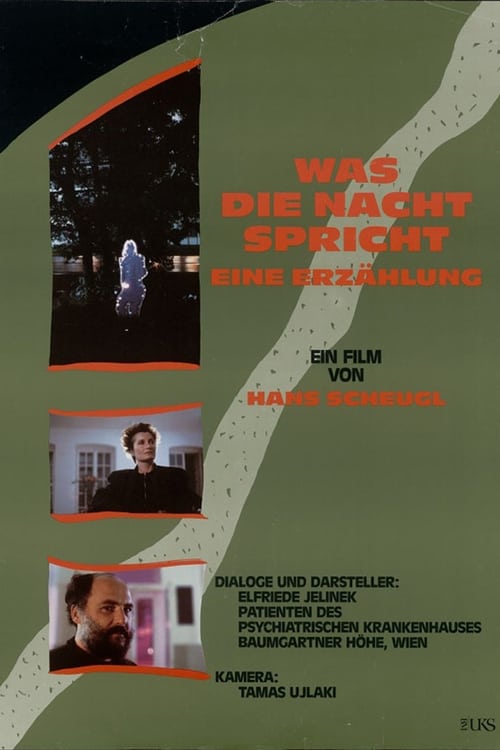
Two women communicate in a language of art, working men in a pub speak in their Viennese idiom, patients of a psychiatric hospital arrive at speech through improvisation – all these diverging portrayals do not merge into one another but communicate by their proximity.

What the Night Speaks – a Story

1987
Elfriede Jelinek: Nobel Prize Lecture
N/A

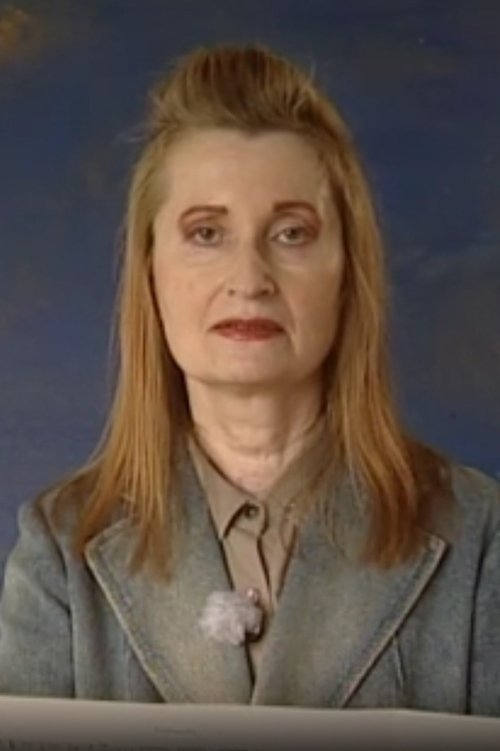
Elfriede Jelinek’s Nobel Lecture. Pre-recorded, and shown on video on 7 December 2004, in Börssalen at the Swedish Academy in Stockholm.

Elfriede Jelinek: Nobel Prize Lecture

2004
No image
N/A

Two friends, two Viennese, two poets, two unusual women. They have known each other for 30 years. Elfriede Jelinek is the better known of the two, the great author with her analytical mind and her social commitment against the whole "politician's docks." The now deceased lyricist Elfriede Gerstl remains rather tender with her poetry, although her poems do not miss a certain amount of sharpness, albeit ironically packed. When the two Elfrieden sit in their Viennese coffee house and drink the little brown, they usually talk about clothes, they talk about the fashion that Elfriede Gerstl has just collected again.

Elfriede & Elfriede

2004