Arkaitz Basterra Zalbide
Directing
Known For
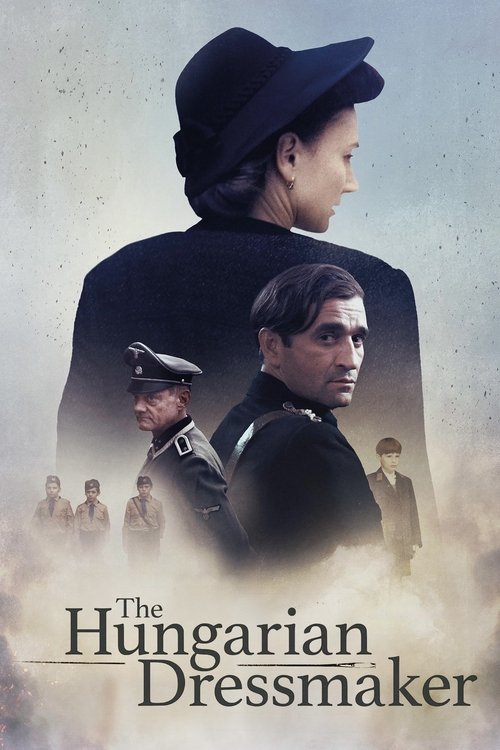
Ema & Death’s-Head deals with the precarious border between humanism and the protection of one’s own life in situations when one excludes the other. Marika Sándorfi is hiding a Jewish boy during the dramatic era of the First Slovak State on the Slovak-Hungarian border. Šimon Holan, the boy in hiding, has a special ability to survive thanks to dreaming and a child’s fantasy.
The Hungarian Dressmaker
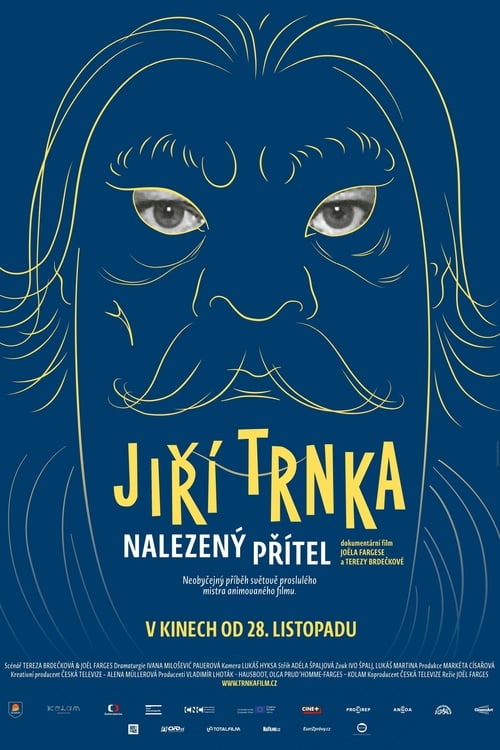
A story of an extraordinary artist who has unintentionally signed a deal with a devil. Jiří Trnka was one of the biggest Czech artists of the 20th century and one of the founders of the puppet animation. His work demonstrated the world that communist society can provide better conditions for extraordinary artistic creations. The ideological clash between West and East didn’t leave children and their stories apart from their struggle in ideological and political positions.
Jiří Trnka: A Long Lost Friend
After being one of the most successful filmmakers in Europe in the sixties, Vojtech Jasny (Czech Republic, 1925) lives in a small apartment in New York. For Jasny, life and cinema are inseparable concepts. By visiting friends who still live in Life and Film Jasny first person will have their own history and some decisive events in his life: the Nazi invasion and subsequent Soviet invasion of Czechoslovakia, exile and his arrival in New York years later.
Life and Film: The Labyrinthine Biographies of Vojtech Jasny

A Kafkaesque documentary over ten years in the making that sheds light on the absurdity of a bureaucratic system, set within the never-ending process of renovation of the Slovak National Gallery.
Hanging Without Walls
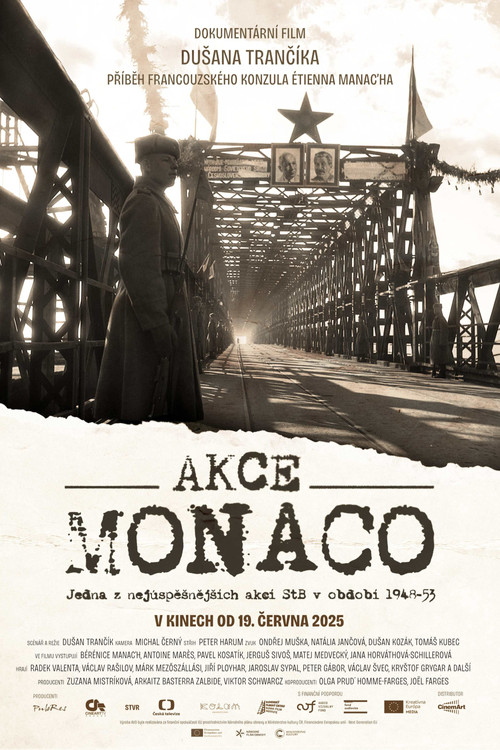
No description available.
Akce Monaco
In March of 2003, a young Basque poet and four friends-three musicians and an artist-came to New York City almost by chance, to do a half dozen bilingual poetry evenings, with music. "The six or seven hundred thousand Basque speakers in the world today "can fit into a New York neighborhood," the poet, Kirmen Uribe, says in AGIAN / MAYBE. "So what does a community that fits into a neighborhood have to offer the world? Or in that city that's the center of the world, what can it offer?" What the five discovered there surprised them. AGIAN / MAYBE shows how something that seemed to begin in New York in 2003 in fact had its origins long before. AGIAN / MAYBE is a ping-pong contemplation, with music, of the five histories behind the whole, and makes a guess of its own at possible outcomes.