Mojtaba Mirtahmasb
Directing
Biography
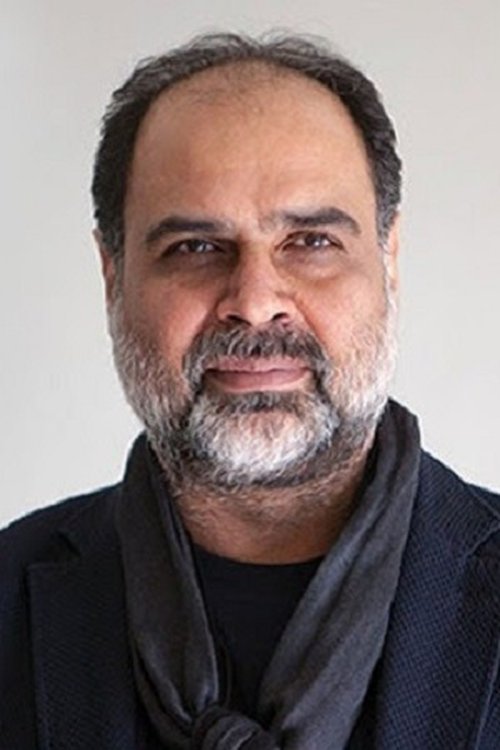
Mirtahmasb was born in Kerman, Iran in 1971. From 1992 until 1995 he attended the University of Art “Mojtame’-e Daneshgahiyeh Honar” in Tehran, studying Visual Art and Handicrafts. At school he was primarily interested in Shiite Rituals and Ceremonies, but also studied photography and filmmaking. After graduating he directed nine documentaries for the Islamic Art and Material Culture of Iranian Shiism in 1996 and 1997. The subjects of these films included calico making, the art of glazing, enamel work, Islamic tile work and Islamic needle work. During this period he also directed three short videos during his military service called The Story of Khoramshahr, Motherland and Stars. He has worked with Iranian film directors Kambozia Partovi, Mohsen Makhmalbaf and Siddiq Barmak. In the Fall of 2011 Mirtahmasb and five other Iranian filmmakers were arrested by Iranian authorities for their participation in the BBC Persian's documentary on Supreme Leader Ali Khamenei. The Iranian Intelligence Minister accused the six filmmakers of "anti-national missions for the British Intelligence service's centre for psychological and secret operations, also known as the BBC." He was released in December 2011. In December 2012 This Is Not a Film was shortlisted as one of 15 films eligible for Best Documentary Feature at the 85th Academy Awards. -Wikipedia
Known For

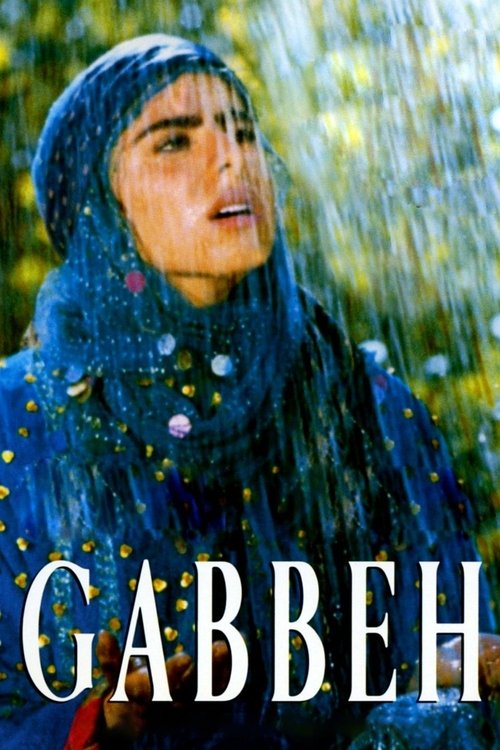
An elderly couple go about their routine of cleaning their gabbeh, while bickering gently with each other. Magically, a young woman appears, helping the two clean the rug. This young woman belongs to the clan whose history is depicted in the design of the gabbeh, and the rug recounts the story of the courtship of the young woman by a stranger from the clan.
Gabbeh

Renowned Iranian director Jafar Panahi received a 6-year prison sentence and a 20-year ban from filmmaking and conducting interviews with foreign press due to his open support for the opposition party in Iran's 2009 election. In this film, which was shot secretly by Panahi's close friend Mojtaba Mirtahmasb and smuggled into France on a USB stick concealed inside a cake for a last-minute submission to Cannes, Panahi documents his daily life under house arrest as he awaits a decision on his appeal.
This Is Not a Film

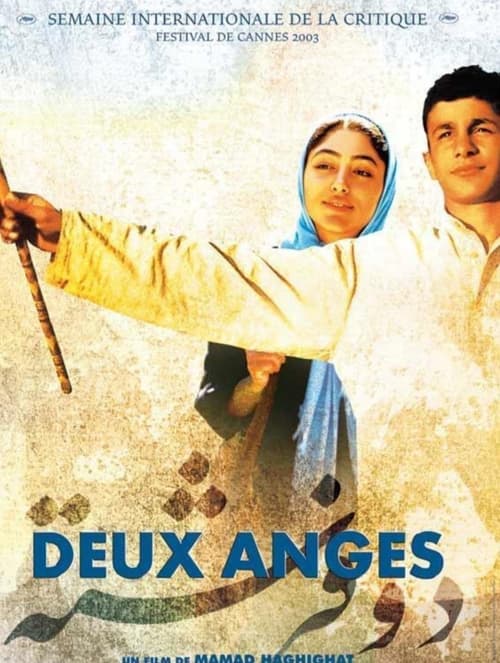
In a small religious town in Iran, Ali After a fight with his father, escapes to the desert where he hears music for the first time in his life: a shepherd who plays Ney. From that moment his life changes forever.
Two Angels

A girl reaches the age of nine and is supposed to act as a grown woman according to her family. A girl participates in a bike race against the will of her husband. An elderly woman decides she wants to buy all the things she always wanted but could never get.
The Day I Became a Woman

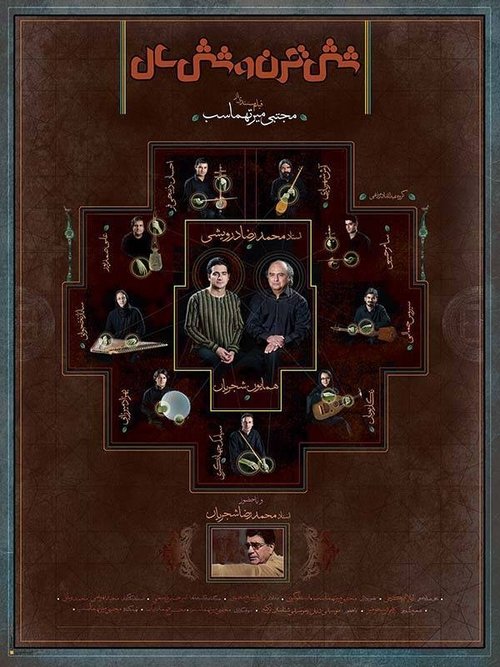
Six Centuries and Six Years is a documentary by Mojtaba Mir Tahmasb. In this documentary, a group of musicians try to retrieve and reread the ballads attributed to Abdul Qader Maraghi, the most prominent musician, theorist, writer and poet of six hundred years ago, based on ancient books and treatises from the history and culture of Iran.
Six Centuries and Six Years
Documentary showing the life of children of the Afghan villages bordering Iran, and how their life and culture were affected by Taliban regime.
Afghan Alphabet

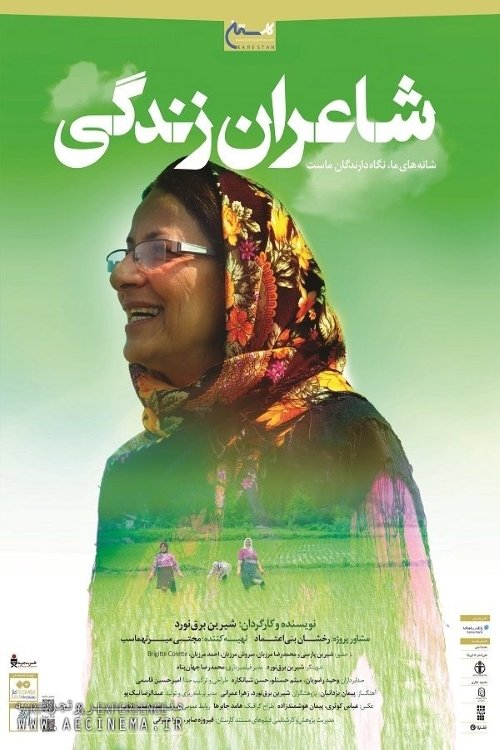
A poetic portrayal of the life of Shirin Parsi - rice farmer, environmentalist, and social activist.
Poets of Life

"Lady of the Roses" is the name of the living memory of "Shahindokht Industrial". A lady who went to Laleh-e-Zar region of Kerman before the revolution and replaced flowers with poppies and roses with opium, and reached a point where "Gulab Zahra" changed the agricultural destiny of a region. We hear this story from Homayoun Sanati, Shahin Dokht's wife, three years after his death. The man who is the founder of "Franklin Publications", "Offset Printing House", "Pars Paper Making" and in general one of the rare figures of Iranian culture, industry and management.
Lady of the Roses

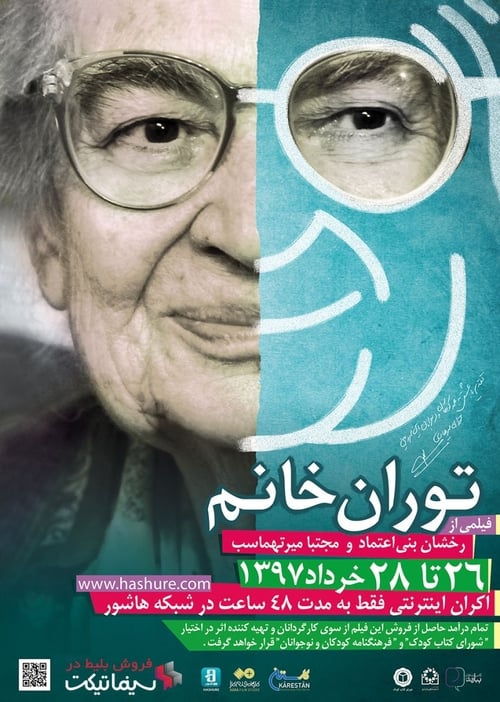
Touran Mirhadi (Khomarloo) is the founder of Farhad School, the Children's Book Council, and the Encyclopedia for Young People. She was also actively involved with close to 20 other institutions dealing with child development and education and supported the formation of dozens of others. She is known as the preeminent architect of childhood institution and the mother of modern education in Iran. This film follows the efforts and preoccupations of Ms. Touran Mirhadi in the last four years of her life. It shows how she strove to enrich the field of child education in Iran to the age of 89, always maintaining that peace was to be cultivated at childhood.
Touran khanom

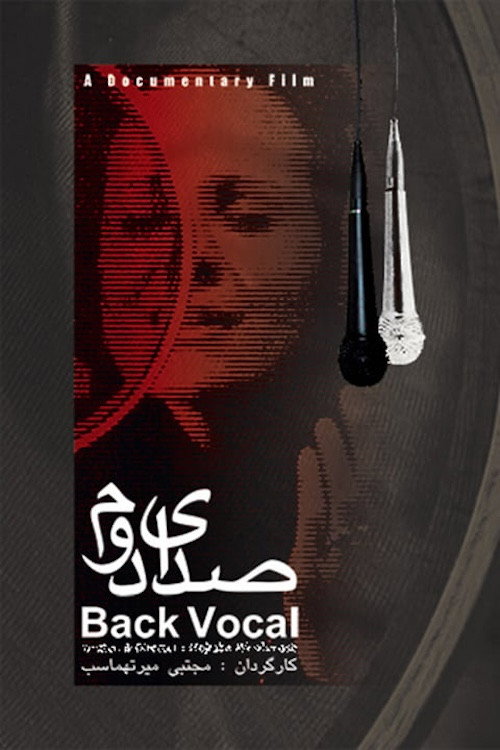
Back Vocal tells the story of women singers, whose unaccompanied singing is forbidden by religious laws of the country, but who nonetheless try to remain active; even if that means taking the second seat. I knew from the beginning that such a film would not get permission to be screened, so I never applied for a permit.