Philip Saville
Directing
Biography
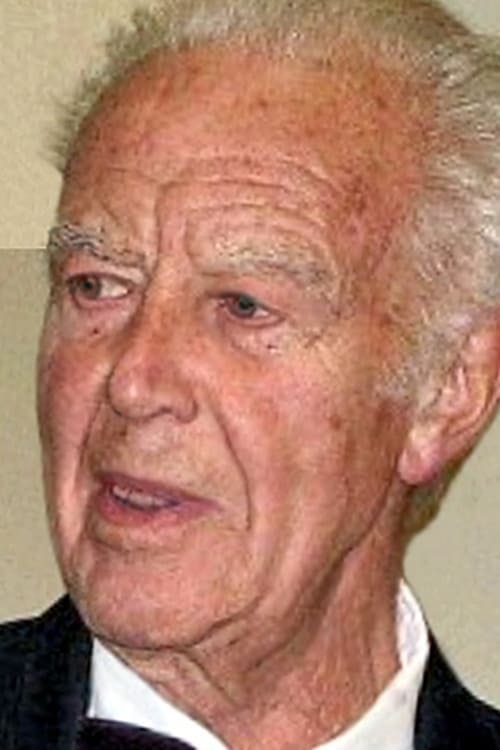
Philip Saville (sometimes credited as Philip Savile, born 28 October 1930, London) is a British actor who turned to television direction and screenwriting in the late 1950s. During the 1960s he directed several important television plays, such as Harold Pinter's A Night Out (1960) for ABC's Armchair Theatre anthology series, and the lost Madhouse on Castle Street (1963) for the BBC. The later production became famous as the first acting appearance of the American folk singer Bob Dylan, whom Saville had flown over to the UK specifically to take part in the play. Other notable programmes on which Saville worked included Out of the Unknown (1965) and the Boys from the Blackstuff (1982) for which Saville received a BAFTA to add to his earlier BAFTA for Hamlet. In film Saville directed The Fruit Machine (1988, released as Wonderland in the USA), Metroland (1997) and The Gospel of John (2003). Saville has been called one of the UK's top 100 directors of all time. He is active in film and television as of 2006, and has a masterclass studio in London specializing in dramatic improvisation. Philip Saville has recently completed a special documentary on Harold Pinter Pinter's Progress for Sundance international television channels and UK's Sky Arts. Saville is currently developing further arts programming with Sundance and British TV company 3DD Productions including Discovering Hamlet now in production. Description above from the Wikipedia article Nina Axelrod, licensed under CC-BY-SA, full list of contributors on Wikipedia.
Known For

Play for Today is a British television anthology drama series, produced by the BBC and transmitted on BBC1 from 1970 to 1984. During the run, more than three hundred programmes, featuring original television plays, and adaptations of stage plays and novels, were transmitted. The individual episodes were between fifty and a hundred minutes in duration.
Play for Today

A BBC television anthology series featuring productions of classic and contemporary stage plays usually broadcast on BBC1. Each production featured a different work, often using prominent British stage actors in the leading roles. The series was transmitted from October 1965 to September 1983.
BBC Play of the Month

An anthology series of television plays which aired on BBC1 from October 1964 to May 1970. The plays were usually written for television, although adaptations from other sources also featured.
The Wednesday Play

A one-hour anthology television series of one-off contemporary and classic dramas produced by the BBC.
Playhouse

Series of single made-for-television dramas.
Screen Two

ITV Playhouse is a British comedy-drama TV series that ran from 1967 to 1983, which featured contributions from playwrights such as Dennis Potter, Rhys Adrian and Alan Sharp. The series began in black and white, but was later shot in colour and was produced by various companies for the ITV network, a format that would inspire Dramarama. Actors appearing in the series included Leslie Anderson, Gwen Nelson, Ricky Alleyne, Pat Heywood, Michael Elphick, Ian Hendry, Edward Woodward, Margaret Lockwood, Jessie Matthews and Lloyd Peters.
ITV Playhouse

Anthology series of dramatic works.
ITV Saturday Night Theatre

Out of the Unknown is a British television science fiction anthology drama series, produced by the BBC and broadcast on BBC2 in four series between 1965 and 1971. Each episode was a dramatisation of a science fiction short story; some were created for the series, but most were adaptations of already published stories. The first three years were exclusively science fiction, but that genre was abandoned in the final year in favour of horror and fantasy. A number of episodes were wiped during the early 1970s, as was standard procedure at the time.
Out of the Unknown

Churchill's People is a British anthology series based on A History of the English-Speaking Peoples, Winston Churchill's four-volume history of Britain and its former colonies. 26 episodes were produced by the BBC and initially broadcast from 30 December 1974 to 23 June 1975.
Churchill's People

Anthology drama series.
Screen One

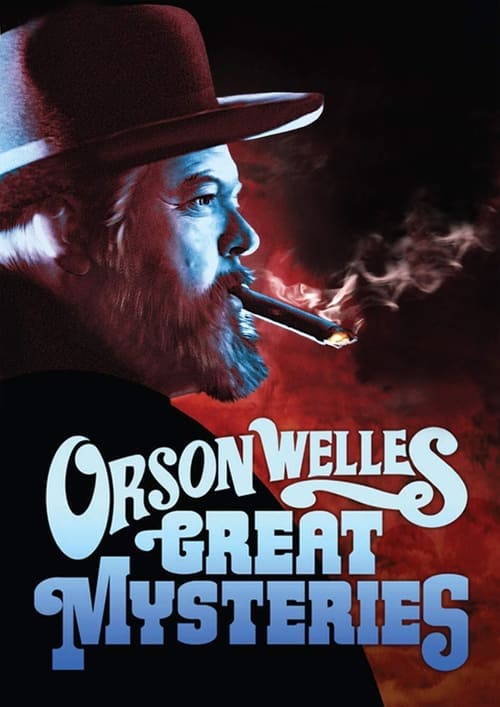
Orson Welles’ Great Mysteries is a British television anthology series produced by Anglia Television for the ITV network and broadcast between 1973 and 1974. The series presents standalone adaptations of classic mystery, crime, and supernatural stories drawn from literary sources including Dickens, Conan Doyle, Wilkie Collins, Balzac, Maugham, O. Henry, and others. Each episode is framed by original introductory and closing sequences performed by Orson Welles, who serves as the series’ host and sole recurring on-screen presence. These segments, written and directed by Welles (uncredited), function as stylized narrative framing devices rather than dramatic participation in the stories themselves. The dramatic content of each episode is performed by separate casts and directors, with no continuing characters or serialized narrative, establishing the series as a unified television anthology rather than a collection of standalone films.
Orson Welles' Great Mysteries
Armchair Mystery Theatre is a 60-minute United Kingdom television anthology mystery series. Thirty-four episodes aired from 1960-65. It was hosted by Donald Pleasence and produced by Leonard White.
Armchair Mystery Theatre

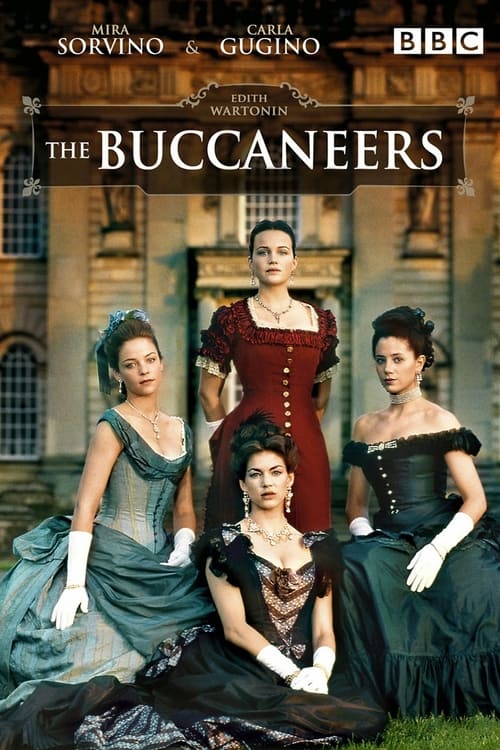
Because of their "new money" background, four American girls have difficulty breaking into the upper-crust society of New York. Laura Testvalley, the governess of one of the girls, suggests a London season and thus the young women set sail for England and the unsuspecting English aristocracy. In England, all the girls soon find eligible husbands and the youngest girl, Nan, seems to land the best husband of them all: the handsome and very wealthy Julius, Duke of Trevennick. The girls soon discover that English upper-class men are not at all what they expected and hoped for.
The Buccaneers

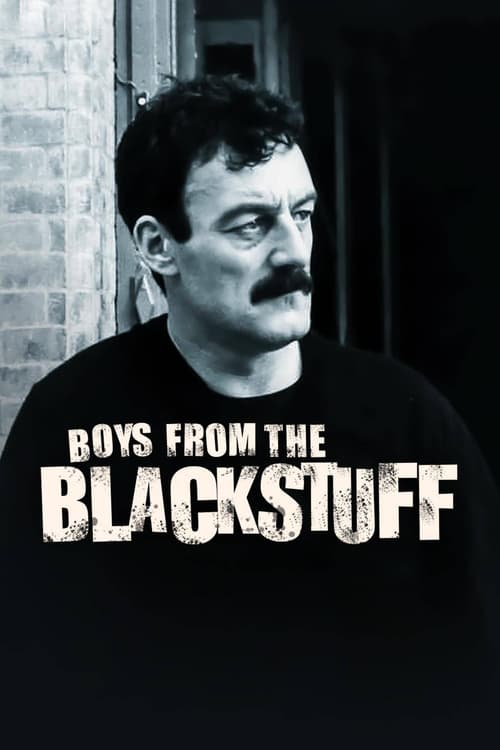
Alan Bleasdale's five-part series relates the further experiences of unemployed Liverpudlian tarmac layers Dixie, Chrissie, Loggo and Yosser, and their revered older friend, retired longshoreman and union leader, George Malone. As they struggle to make ends meet in a depressed economy, and to hold together their financially battered families, they are harrassed by the petty bureaucrats of the DHSS. But the lumbering investigational juggernaut is, both comically and tragically, guided by drivers with only a provisional license.
Boys from the Blackstuff

Armchair Theatre is a British television drama anthology series of single plays that ran on the ITV network from 1956 to 1974. It was originally produced by Associated British Corporation, and later by Thames Television from mid-1968.
Armchair Theatre

In 1901, a middle-class schoolboy whose parents are working abroad spends his summer in Bedfordshire with his great-uncle Silas. Though sixty years old, Silas relishes life—he’s a womaniser, drinker, and a poacher. At the prompting of his long-suffering housekeeper, Mrs Betts, he takes on the occasional odd job.
My Uncle Silas

Count Dracula is a British television adaptation of the novel Dracula by Bram Stoker. It first aired 22 December 1977. It is among the more faithful of the many adaptations of the original book. Louis Jourdan played the title role.
Count Dracula

Ruth Patchett has it all: a large, warty body, a standard suburban home, a couple of unruly children, a dog, a cat and a guinea pig. She also has Bobbo, her unfaithful accountant husband who resents her very existence. Bobbo wants, and is wanted by, romance novelist Mary Fisher, who lives in a lighthouse by the sea. When Bobo leaves Ruth for Mary, Ruth decides that Mary doesn't know the first thing about love, and she's gonna teach her.
The Life and Loves of a She-Devil

The only child in a wretchedly poor family in the Danish village of Odense, Hans Christian Andersen lives in a fantasy world. His hand carved dolls and puppets, his father's bedtime stories, and his own natural flair for fantastic tales brings the child temporary escape. It takes him all the way to Copenhagen where, he's been told, dreams can really come true.
Hans Christian Andersen: My Life as a Fairytale

A word for word depiction of the life of Jesus Christ from the Good News Translation Bible as recorded in the Gospel of John.