Acting
Tatort is a long-running German/Austrian/Swiss crime television series set in various parts of these countries. The show is broadcast on the channels of ARD in Germany, ORF in Austria and SF1 in Switzerland.
Polizeiruf 110 is a long-running German language detective television series. The first episode was broadcast 27 June 1971 in the German Democratic Republic, and after the dissolution of Fernsehen der DDR the series was picked up by ARD. It was originally created as a counterpart to the West German series Tatort, and quickly became a public favorite.
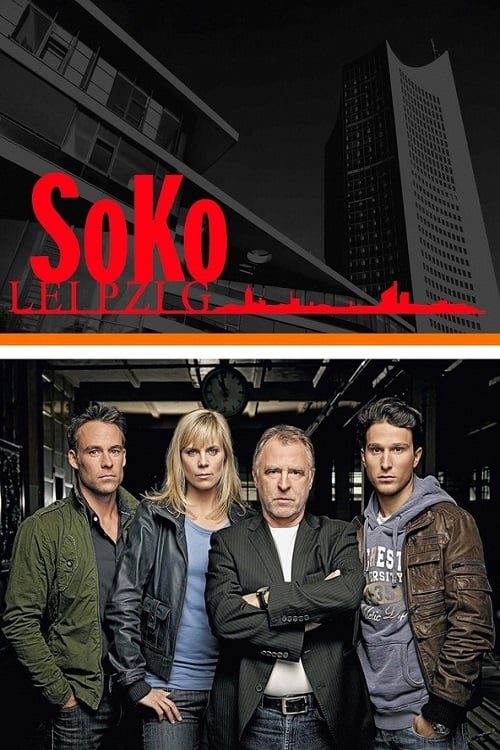
SOKO Leipzig is a German police procedural television programme, a spin-off of the earlier German police programme SOKO 5113. It was first broadcast on 31 January 2001, on German television channel ZDF. On 12 November 2008, the first part of a two-part crossover between SOKO Leipzig and British police procedural The Bill was aired, with the same version being shown on both ZDF and British television channel ITV1.
The original season follows the life of the unsophisticated but good-natured Lisa Plenske, and her incongruous job at the ultra-chic Berlin fashion house Kerima Moda; while the second season revolved around Lisa's ham-fisted but sly half-brother Bruno and junior designer Hannah Refrath.
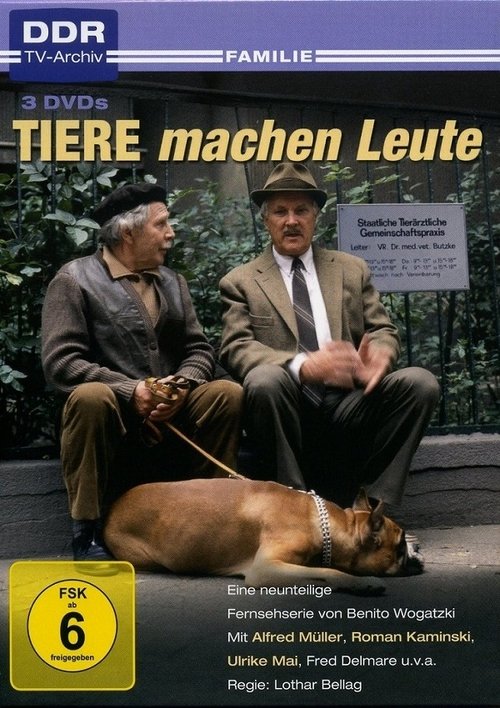
The exciting stories about the cheeky chimpanzee Charly, who finds a new home with a Berlin vet family.
Der Staatsanwalt hat das Wort was an East German television series.
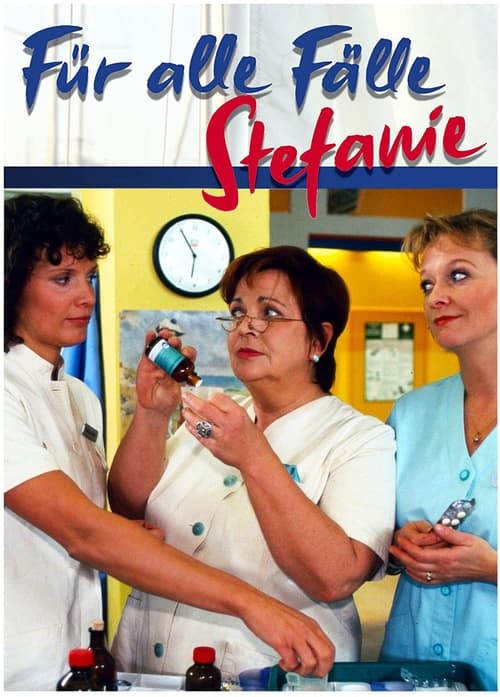
Für alle Fälle Stefanie is an German medical drama television series created by Werner Krämer that aired on Sat.1 from May 15, 2005 to August 29, 2005. It was produced by Novafilm Fernsehproduktion. Für alle Fälle Stefanie follows the professional and personal life of nurse Stefanie Engel, then Stephanie Wilde and for a short time Fanny 'Stephanie' Stephan. The show was a giant success for the network and had around seven, in later years, five million viewers on a weekly basis. It won the Goldene Kamera award in 1997 and the Bavarian TV Award in 1996.
Marienhof is a German soap opera, first shown on October 1, 1992 on German TV channel, Das Erste. It started as a weekly series, before becoming a daily program on January 2, 1995. The show was canceled in February 2011 and aired its last episode on June 15, 2011. In the 90s, the Marienhof became a huge success in Finland and remained a fan favorite until it was canceled to license problems. Over the years, the show became known for tackling several social issues, such as homosexuality, homelessness, private bankruptcy, rape, drug abuse, AIDS, child abuse, suicide, cancer, adultery and murder. The show focuses on the everyday life of the residents of the Marienhof, a fictional suburb in Cologne.
No description available.
Love, intrigue, favouritism and corruption at the Dresdner Hof.
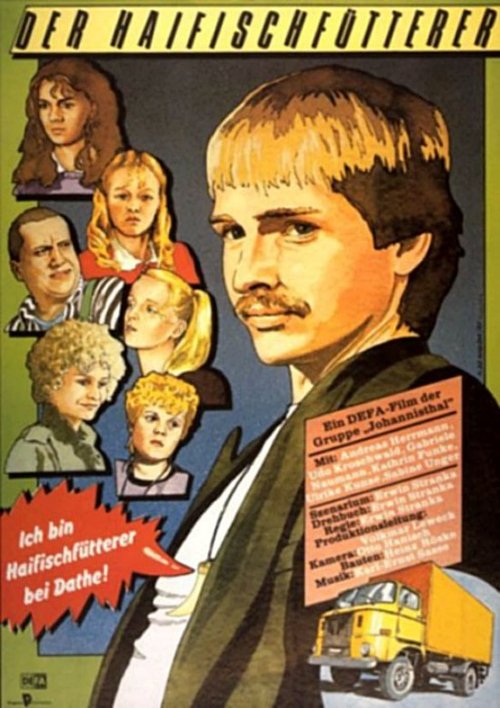
The furniture mover Stefan is on the verge of serving his time in the military. He has always been a guy with distinctive civil courage who cannot stand injustice. Now he has ten days left in which he plans to make a lot of decisions, not least the decision with which woman he wants to spend his life. Stefan is picky, however, and none of them seems good enough for him.
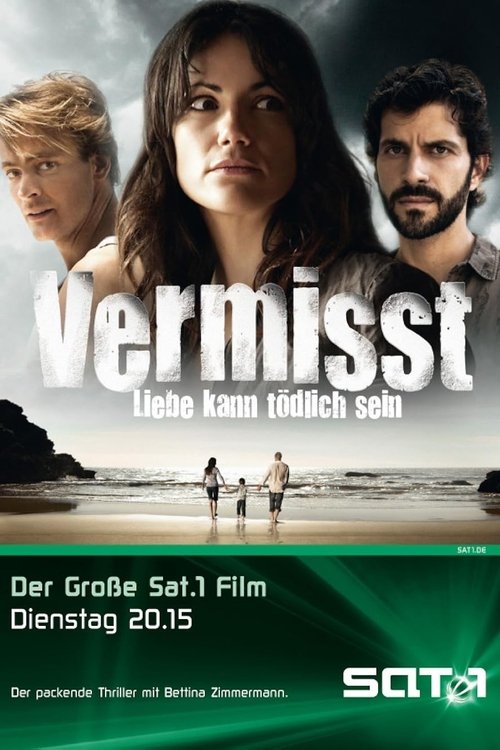
Claudia, with her son and his new partner, undertake an idyllic holiday in the Greek islands. Ominous clouds the relationship of the couple when, after an argument, he disappears into the night. Claudia then began a desperate search for her boyfriend ...
For decades, "Soups Hansen" was on everyone's lips, but now threatens the old-established operation of the end. The reasons for the decline are homemade: in modern times the tastes have changed, the soup of the idiosyncratic manufacturer unfortunately not. The bank wants to save the traditional house, but the new loan is subject to one condition: company boss Theo Hansen must hand over the business to his son, who now cooks his own soup ... Edzard Onneken staged this comedy with GĂĽnther Maria Halmer in the role of aging patriarch who can not let go.