Editing
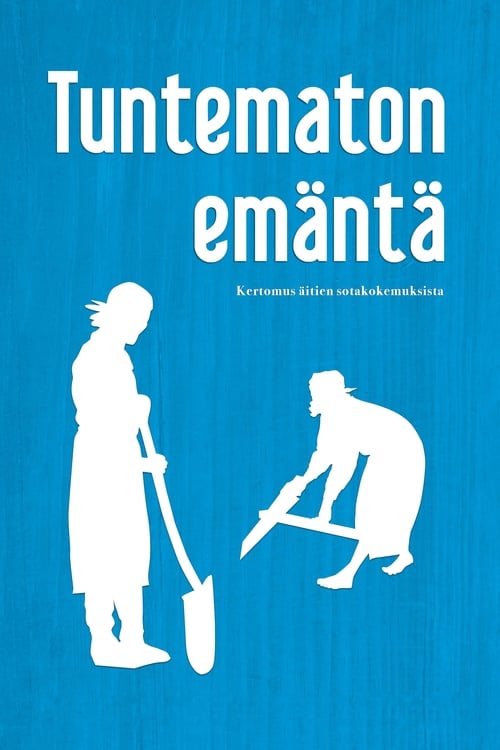
The Unknown Woman is a documentary film scripted and directed by Elina Kivihalme. It depicts the reality of Finnish agriculture and forestry during the war years, when the home front relied entirely upon the work and endurance of the women. All farm work, caring for the children, woodcutting and other forestry operations were undertaken by the civilians, as the men in their prime were on the front.
No description available.
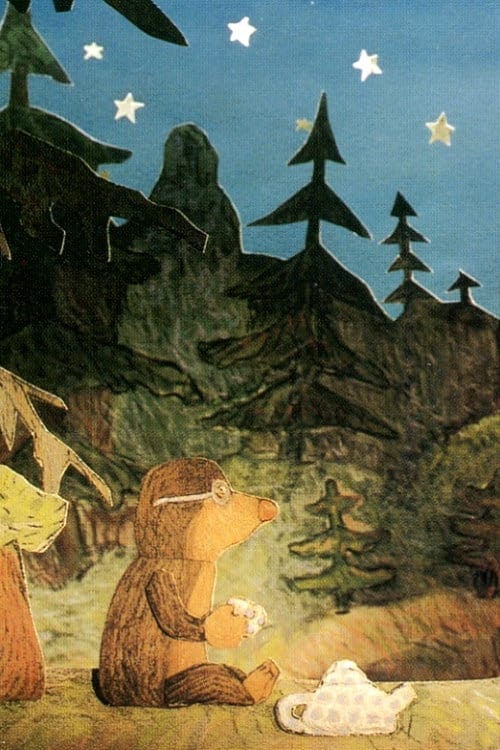
A small mole is looking for a fallen star in the night forest where everyone else seem to have already found their own treasures.
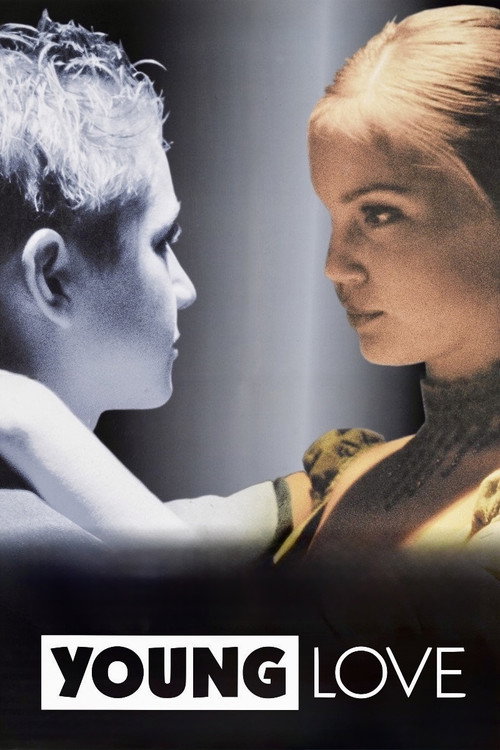
Jukka, 13, is coached in photography by his openly gay art teacher. With his dead father's old camera, Jukka sees Johanna, a beautiful girl in her early twenties being physically abused by her stepfather. With the help of the local fire department, Jukka comes to her rescue. He quickly befriends the girl who works in a nearby supermarket, claims to become her manager and enters her in a beauty contest.
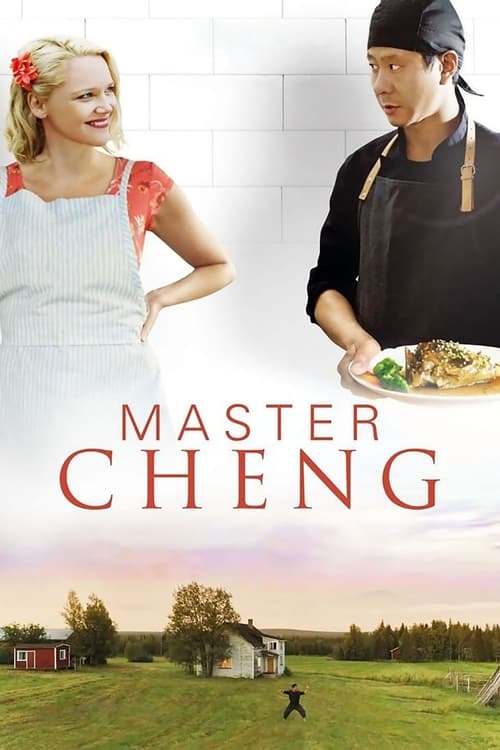
Cheng, 45, a restaurant owner from China, has travelled with his young son halfway around the world to a remote village in Finland. His wife died recently in an accident, and Cheng wanted to have a break from everything by traveling with his son to see an old Finnish friend who lives on a farm in the countryside of Finland. It’s the most remote place Cheng can imagine with endless forests, thousands of lakes, a country with entire population of one-fifth of Cheng’s home town, Shanghai.
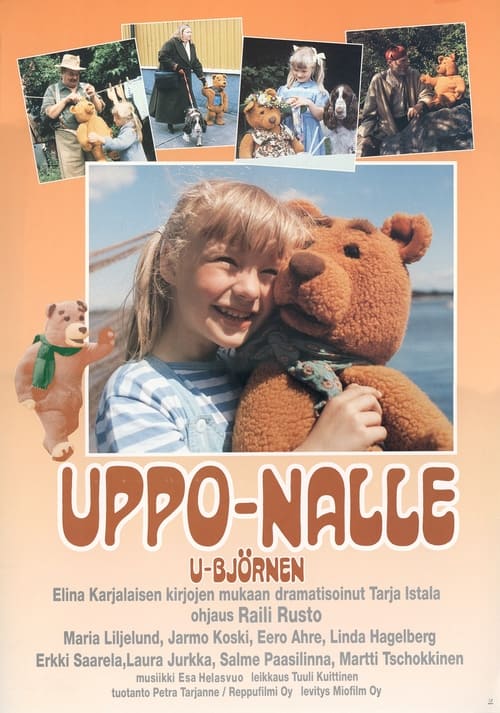
Little girl finds a teddy bear from the seashore. Reeta and Teddy Uppo form a deep friendship with each other, but what happens when Uppo meets an old hermit?
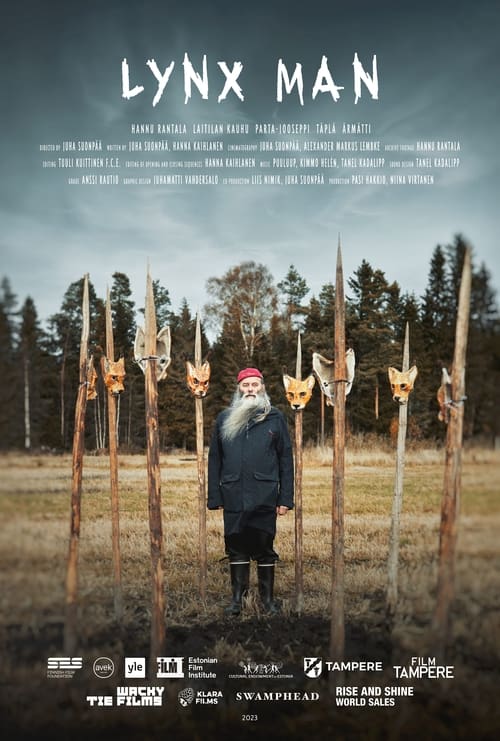
A Finnish equivalent of Werner Herzog’s Grizzly Man, Hannu has a love and connection to nature that surpasses most. It is the rare lynx in particular that has bitten into Hannu’s heart – so much so that he actually claims to be able to speak its language. So when a dead lynx turns up in his forest, he dons an animal mask, crawls down on all fours and sniffs out the mystery through the mire and thicket. With hauntingly beautiful footage captured by hidden cameras throughout the forest, ‘Lynx Man’ paints a colourful and vivid twilight picture of the natural world around us – and of man’s impact on it. For no matter what Hannu does to live in harmony with the animals, he cannot hide from belonging himself to the species that is the lynx’s worst enemy. It makes sense that most of Juha Suonpää’s atmospheric film takes place in the twilight between dream and reality. Here, the vast forests come alive in Hannu’s hypnotic Night Vision footage of the nocturnal life of the lynx.
The fate of a culture lies on the shoulders of few determined individuals.
In a small village in Eastern Finland in 1918, Patrick, who has taken care of the chaplain, teacher and physician, has been filled with loneliness and brutal spirit of work for five years.
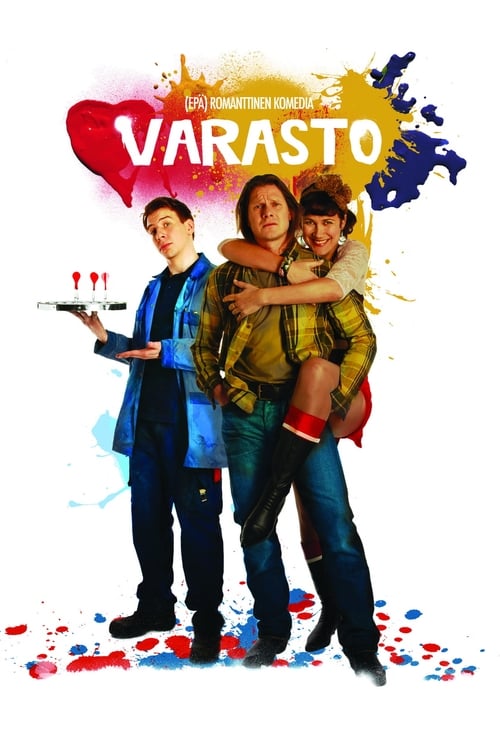
Antero Rousku is a storeman in a paint store. His job requires raw muscle power, mixing paints and carrying house repair materials around to earn his daily bread. But the basic salary is not enough for Rousku. He also sells a lot of stuff on the side from the storeroom directly to Jylhäkorpi, a frequent visitor, bypassing company bookkeeping. Rousku's colleague in the cellar storeroom is Raninen whose life consists of work, quarreling with his wife, and lottery. Raninen wants to win the main prize but he wants to have the right numbers in exactly the order in which they appear from the lottery machine. Raninen is not the sharpest pencil in the pencil box. Rousku's freedom is threatened by his relationship to the saleswoman Karita. Rousku wants to keep a distance to the woman except in bed. Karita has decided otherwise.
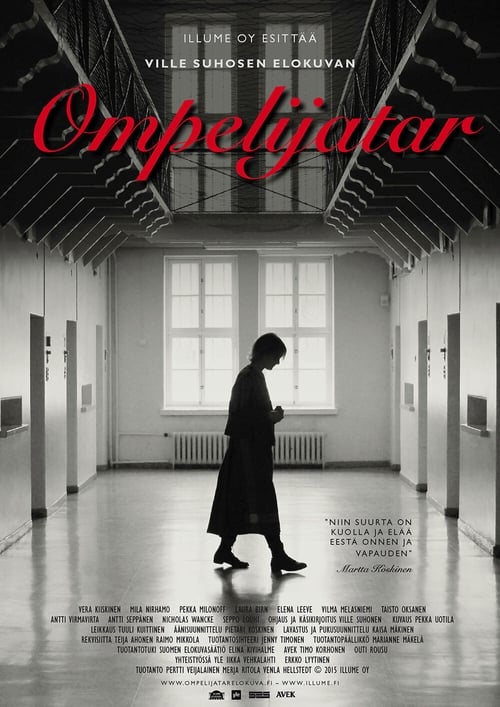
A documentary film about Martta Koskinen, the last executed woman in Finland during the war in 1943. Martta was a Seamstress who lived in Helsinki during the Second World War. She was one of the post-civil war (in 1918) generation for whom the war had meant a disappointment in the system and failure in unity of the Finnish nation. The legacy of the civil war had left systems of persecution in place for those with socialist ideals. Martta and her fellow revolutionaries were determined to continue the resistance movement although they knew that at worst it could cost their lives. Martta was imprisoned twice before she was shot. She was an idealist, whose seemingly harmless, naive beliefs in peace and justice were the most dangerous traits a person could have at the time.
Baby Girl, 30, a poet with a bachelor's degree in arts, is anguished because of her relationship with Pirkka, a relatively smart, young man. Baby Girl's parents, Eila and Rampe, do their best to become friends with Pirkka and his elegant mother. Through coincidence and error Eila occupies her summerhouse neighbors' empty luxury villa. When Pirkka's mother drops by, Eila lies that she and Rampe own the fancy house. The showing off and lying escalate when Eila's mother and sister show up. The real owners of the house, an upper-class couple, Thomas and Monica, are driven away to Eila and Rampe's modest cottage.
Ricky Rapper is a ten year old boy who lives with his aunt Serena and likes to play drums and rap. His aunt breaks her leg, leading to cousin Fanny moving in to take care of the household. Fanny is very strict and that means no more drums for Ricky. With the help of his downstair neighbor Nelly, Ricky seeks to restore the normal order to the apartment.
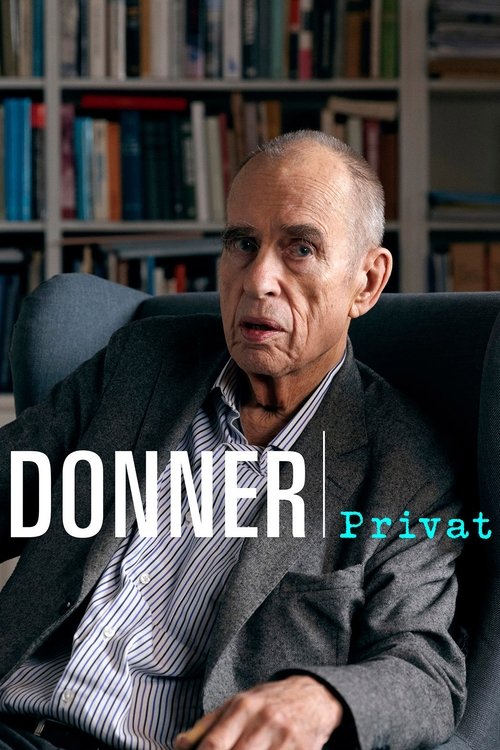
Jörn Donner’s entire production can be considered as a self-portrait, a life-spanning performance. Whilst others have painted one image or another of Donner, John Webster’s interpretation differs in that it pulls most of its material from Donner’s last-intended interview in December 2019, and an immense never-before-seen collection of photographs from albums simply labelled “Donner – Privat”. As a result, the film morphs into an epilogue of sorts, of Donner’s life story.
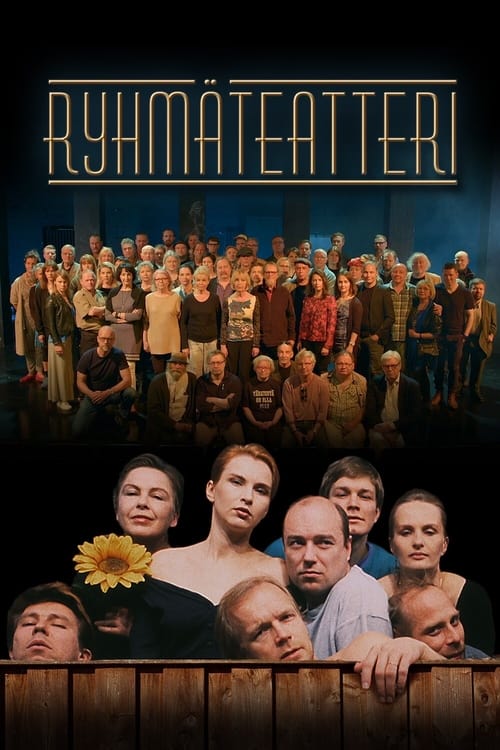
Documentary on the history of Ryhmäteatteri theatre company.
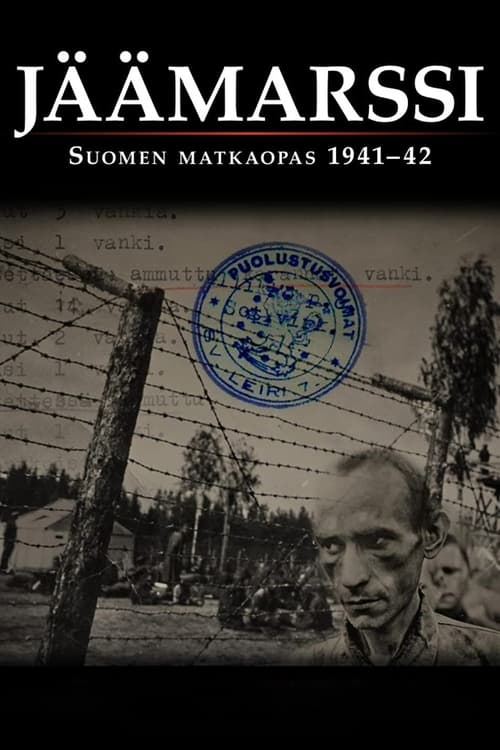
During the Continuation War, there were dozens of POW camps in Finland. About the third of 70,000 prisoners died during the first year of war. Most of the archives of the camps were destroyed and the majority of the war crimes were never revealed.
"Himmlers Kantele Player" - about Finnish student, who decides to leave University of Sorbonne and walk from Paris to Helsinki in the spring of 1935. On his way, in Germany, he meets Heinrich Himmler, who is attracted by a traditional Finnish instrument, kantele. Himmler employs Yrjö as researcher to the Ahnenerbe institute to find the Aryan roots from the runic singing culture of Finnish Carelia.
War and famine drive the inhabitants of the snowy forest into desperate and macabre deeds.
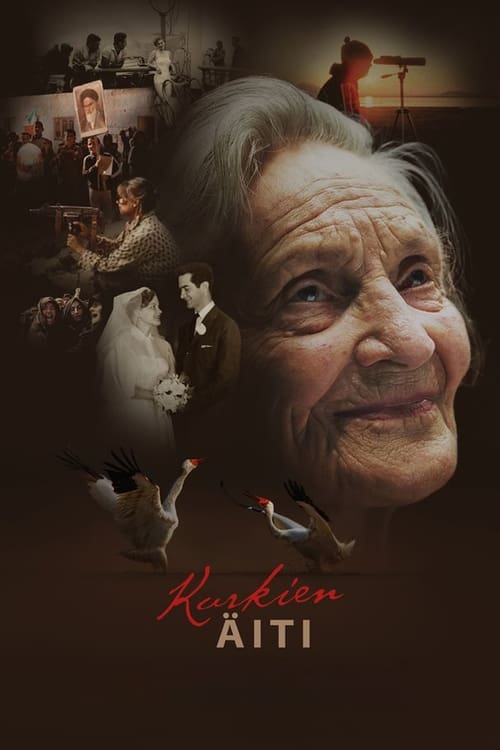
Over 90 years old Ellen Vuosalo has lived many lives. First as a Finnish immigrant in Canada, then as a zoology student in California and finally as a mother of snow cranes in Iran. Iiris Härmä's Mother of Snow Cranes tells the story of an incredible woman's extraordinary life, from love to tragedy to revolution. It is a story about nature, humanity, and the role of women in both the West and Iranian culture. Or as Ellen herself says " What a life! What a world!"