Marina Goldovskaya
Directing
Biography
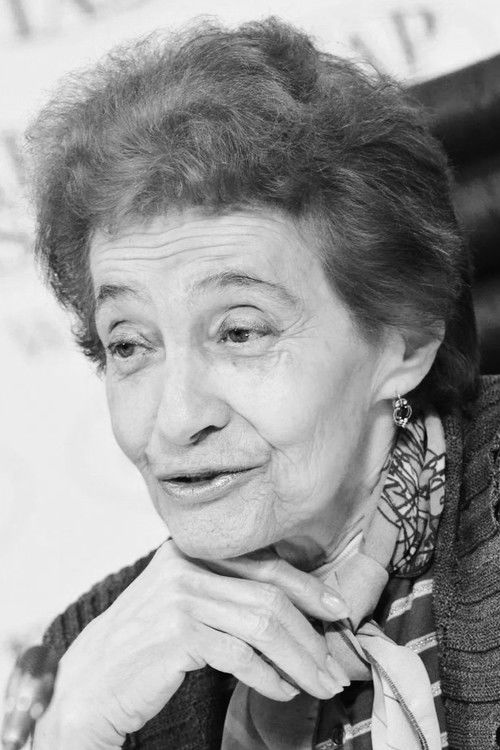
Marina Goldovskaya was a Russian-American documentary filmmaker and cinematographer born in Moscow. She was he first woman to graduate as a cinematographer from the Gerasimov Institute of Cinematography.
Known For

This exhibition focuses on Jonas Mekas’ 365 Day Project, a succession of films and videos in calendar form. Every day as of January 1st, 2007 and for an entire year, as indicated in the title, a large public (the artist's friends, as well as unknowns) were invited to view a diary of short films of various lengths (from one to twenty minutes) on the Internet. A movie was posted each day, adding to the previously posted pieces, resulting altogether in nearly thirty-eight hours of moving images.
365 Day Project
Reveals the history of camerawomen around the world, celebrating not only the survival of pioneer women in a male-dominated field, but a new generation of camerawomen's visions.
Shooting Women

There was no Soviet actor who could claim a greater popularity than Raikin. He was allowed the impossible: to be a satirist. Even during the height of government approved Anti-Semitism, Raikin was a figure to be reckoned with. He was known and beloved by all, his razor-sharp wit admired - and feared. In fact, president Putin met his future wife at a Raikin show. The film follows Raikin to his shows, on stage, and backstage, during rehearsals, at rest, and during conversations with his friends, including legendary Soviet jazz singer Leonid Utesov, film director Yuli Raizman, the poet Bella Ahmadullina, and the American film director George Kukor.
Arkadiy Raykin

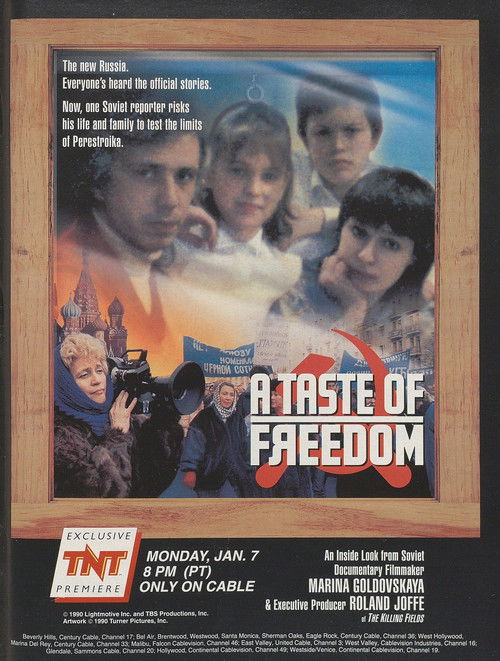
Covers six weeks of the lives of Sasha Politkovsky, a prominent TV journalist, and his family. Chronicles the events of 1990 as glasnost and perestroika lift the lid of totalitarianism in the Soviet Union.
A Taste of Freedom
Reveals the courageous lives of pioneer camerawomen from Hollywood to Bollywood, from war zones to children’s laughter, in a way that has never been seen before. Based on a book by Alexis Krasilovsky, the film tells the stories of camerawomen surviving the odds in Afghanistan, Australia, Canada, China, France, Germany, India, Iran, Mexico, the U.S. and other countries, as well as exploring their individual visions.
Women Behind the Camera

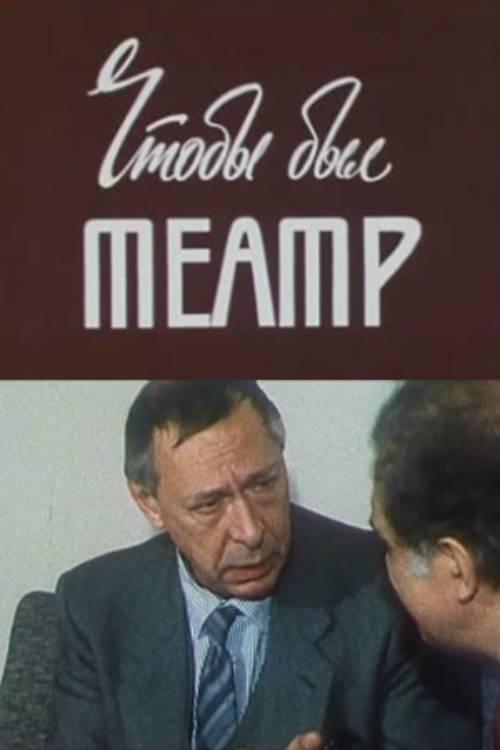
Oleg Yefremov was one of the most beloved actors and directors in Russia. He was the founder of the Sovremennik (Contemporary) Theatre and later became the artistic director of the Moscow Art Theatre. The film shows him in a moment of extreme dramatic tension: Yefremov has decided to split the repertory company into two. His aim is to re energize a stagnant group of actors and move them away from an artistic "dead end". The company, split into supporters and detractors discusses the situation on very heated terms. The situation mirrors the overall climate of a country and a society shaken by the changes brought about by perestroika.
Oleg Efremov. For The Theater To Be...

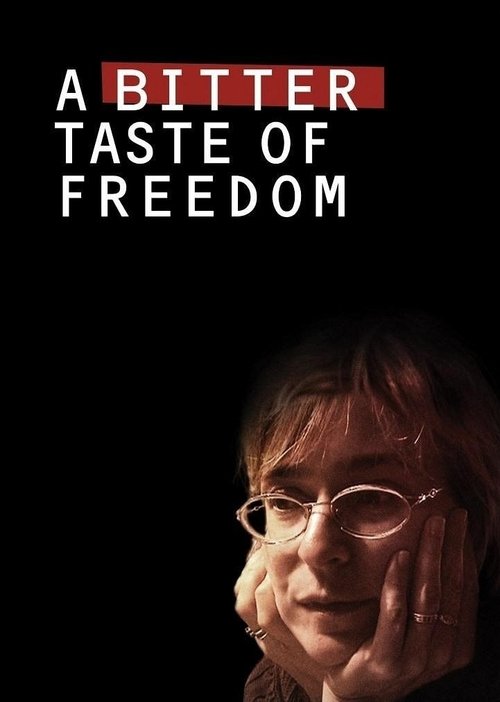
In her quest to uncover the wrongdoings of the Russian authorities, Anna Politkovskaya inspired awe in some and fear in countless others. At age 48 she was assassinated for simply doing her job. This documentary is based on Anna's conversations with filmmaker Marina Goldovskaya, Anna's former university professor and personal friend. Shot over a period of 20 years, this exclusive footage creates an incredible story of a woman who consciously gave her life for her convictions.
A Bitter Taste of Freedom

The film is about Yuri Zavadsky, his work as the chief director of the Moscow Theater. The Moscow City Council and the last performance of the master - "Petersburg Dreams" (based on Dostoevsky's novel "Crime and Punishment").
Yuri Zavadsky

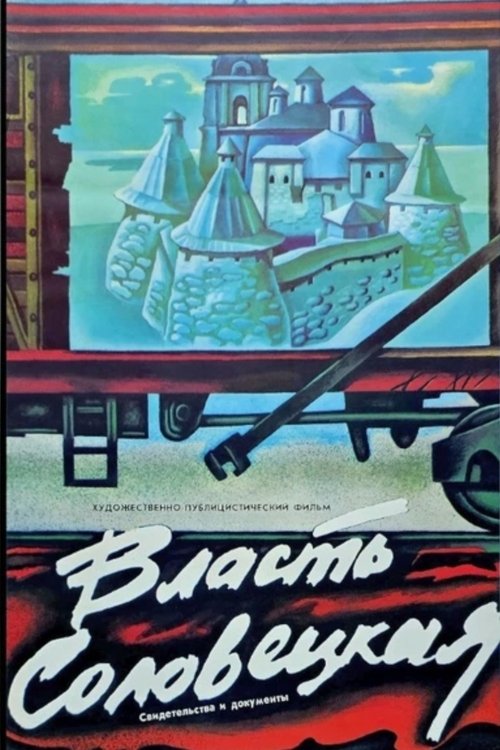
"Solovky Power" is a documentary about the first Soviet labor camp created by Lenin in 1923. Solovky was established in a complex of ancient monasteries on a cluster of islands off the remote White Sea coast. Though its name derives from the Russian word for nightingale, the title of the film echoes the term 'Soviet power', stressing the fact that from the very beginning the Soviet penal colonies were a world unto themselves.
Solovky Power

The characters in this film all lived in the same building: the Knights' House, at 35 Arbat Street in Moscow. Built at the beginning of the century for a few privileged families, this sumptuous residence will become after the revolution a collective apartment building. Like millions of Russians, those who lived together in this building were marked by the trials and tragedies of history. Marina Goldovskaya went in search of the former inhabitants, now dispersed. They speak to us with modesty and emotion about their memories, their secret garden and... their neighbors at 35 Arbat Street.
The House on Arbat Street

About the behavior of a three-year-old child in the family - for 20 days, the film crew observed the process of learning about the world around the baby. The film was shot with a hidden camera.
Deniska-Denis

When the turmoil of contemporary Russia was settling in the 90th and everyone's existence was starting to resemble some kind of normality, we were wondering what life was like for the generations of Russians who grew up in the midst of oppression,... suffering through wars and revolutions and who during the culmination of their lives, experienced a new world of freedom and democracy and... turmoil. What was it like to go to School in Moscow in the beginning of the thirties? What happened to the students once they graduated and faced the realities of life and how did they... normal, down-to-earth people... weather the storms of their existence?
The Children of Ivan Kuzmich

The history of Russian poetry contains a tragic episode: the tragic fate of the legendary Marina Tsvetaeva, who returned to the USSR shortly before the start of World War II, then committed suicide in 1941. The fate of her sister, Anastasia - also a poet - is lesser known, despite the fact that she, too, had a life as interesting and nearly as tragic. This video-portrait of Anastasia Tsvetaeva, shot when she was over 90, is a fascinating glimpse into the life of a woman who saw history unfolding. Despite her advanced years, she maintains a bright wit, a charm, and a joie de vivre, evident as she recounts her memories.
I Am 90, My Steps Are Light
An extraordinary foray into the many worlds of a renowned artist, opera and theatre director, activist, and professor. Art and Life: Finding the Thread offers a unique perspective on the human experience. Shot over the course of six years, Marina Goldovskaya's inquisitive lens moves effortlessly between the intimate and public worlds occupied by Peter Sellars, carrying on a thought-provoking dialogue which stays with the viewer long after the last images have faded from view.
Peter Sellars: A Portrait
Pushkin and Puschin met at the Tsarskoye Selo Lycee. After the Decembrist revolt of 1825, Puschin was exiled to Siberia while Pushkin was allowed to return and later supported the Tsar. Despite the distance, their friendship endured through letters and poetry.
Pushkin and Pushchin

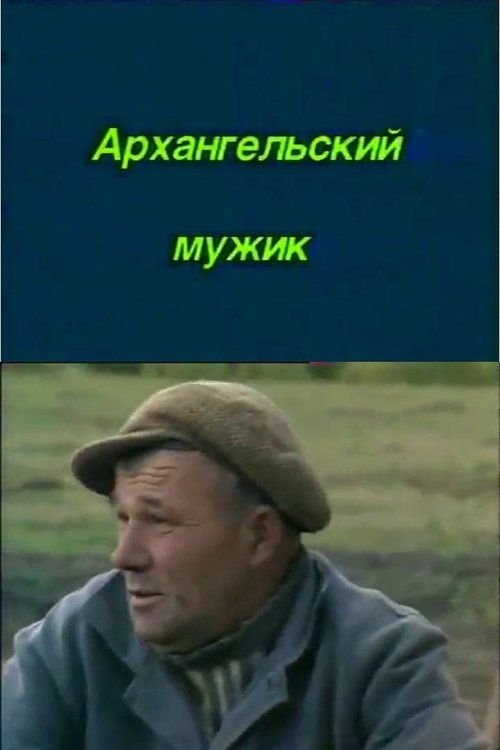
Using the example of the family of Nikolai Stepanovich Sivkov, who lives on the Krasnaya Gorka farm in the Arkhangelsk region, the film tells about the difficult problems of implementing a family contract in rural areas. The film touches on the issues of rural labor organization, the place of commodity-money relations in the socialist economy, family work, the meaning, value and costs of self-employment in our society.
The Arkhangelsk Peasant

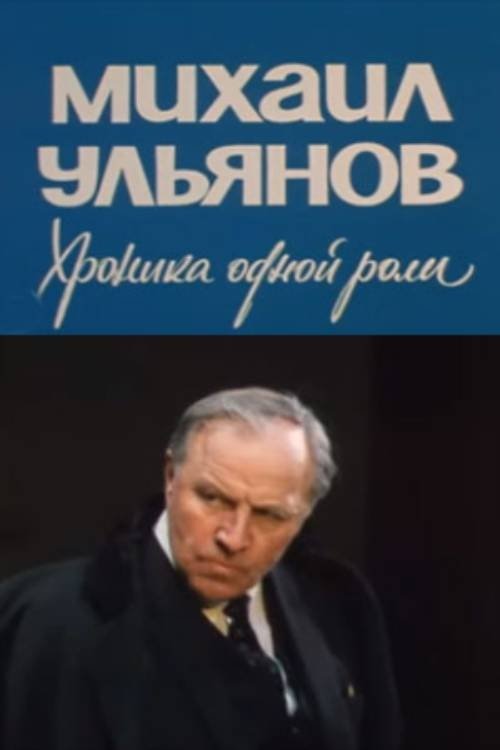
The film's plotline was the rehearsals of the play "Brest Peace" based on the play of the same name by M.Shatrov at the Yevg.Vakhtangov State Academic Theater, which made it possible to see M. Ulyanov at work on the role of V.I.Lenin, to trace the birth of the image, to see the manifestation of his character.
Mikhail Ulyanov. A Chronicle of One Role
A 1978 travelogue showing the performances of the Soviet Jewish Theater on tour throughout the United States. The actors sing and dance and recite Yiddish poetry to a most enthusiastic American public.
Tumbalalaika in America

Over twenty years, the Russian documentary filmmaker Marina Goldovskaya interviewed pioneers of American documentaries, such as Richard Leacock, Robert and Anne Drew, Albert Maysles, D.A. Pennebaker, Jonas Mekas, among others. In long conversations, they discuss the elaboration of titles that are now fundamental to the genre’s world history, commenting on the introduction of new light and portable cameras that allowed the advent of Cinema Verite, in addition to sharing the fundamentals and principles of the art of capturing life. The sum of these parts corresponds to a singular opportunity of re-encounter with the thinking of these masters, even those that have already passed away.
The Art of Observing Life

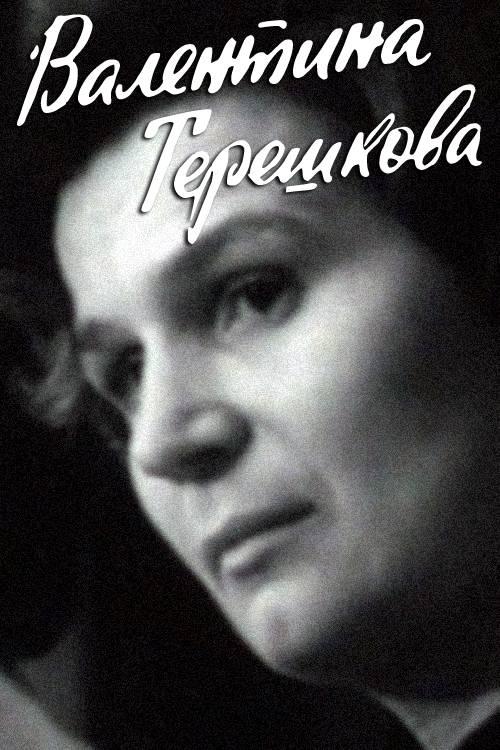
Valentina Tereshkova's journey from a peasant girl to the first woman in space. After factory work and technical studies, her parachuting hobby led to joining the cosmonaut program, making her a Soviet hero.