FEEL IT.STREAM
Jill Haworth

Jill Haworth

Acting

Biography

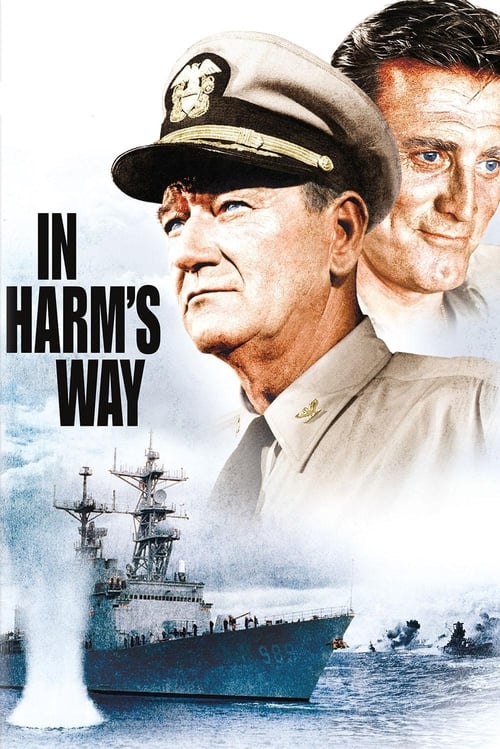
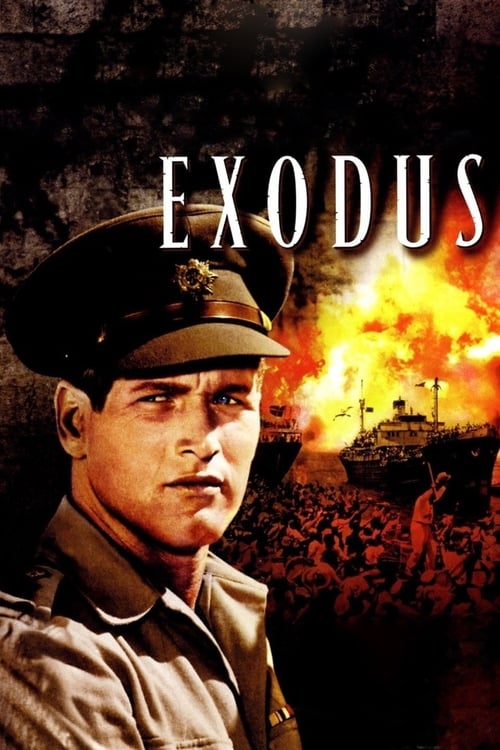
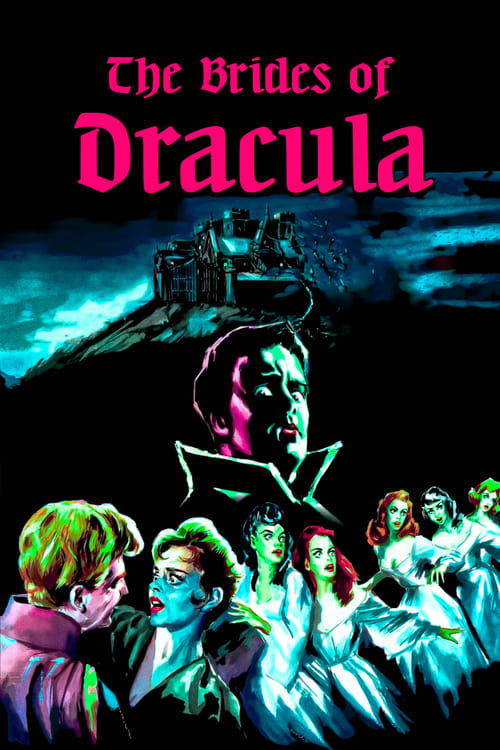
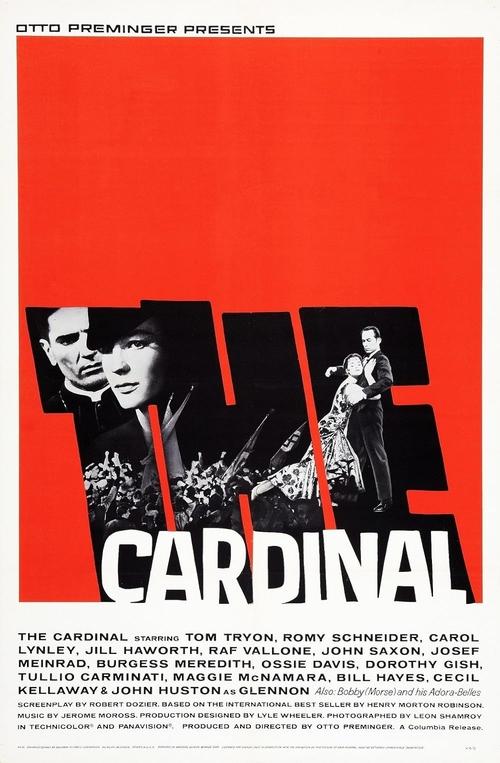
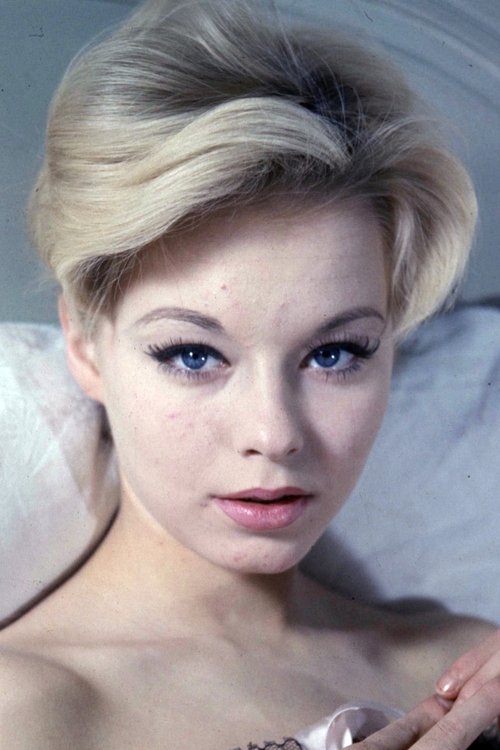
Valerie Jill Haworth (15 August 1945 – 3 January 2011) was an English-American actress. She appeared in films throughout the 1960s, and started making guest appearances on television in 1963. She originated the role of Sally Bowles in the musical Cabaret on Broadway in 1966. Haworth was born in Hove, Sussex, to a textile magnate father and a mother Nancy who trained as a ballet dancer. She was named Valerie Jill in honour of the day she was born, Victory over Japan Day or V.J. Day. She took ballet lessons at the Sadler's Wells Ballet School to escape from an unhappy home when her parents separated in 1953. Later she attended the Corona Stage School. Haworth's first film appearance was in the remake of The 39 Steps (1959), directed by Ralph Thomas, when she had a non-speaking part as a schoolgirl. Next she played another schoolgirl in The Brides of Dracula (1960), directed by Terence Fisher. Otto Preminger was seeking a new fresh face for the role of Karen Hansen, an ill-fated Jewish-Danish refugee girl in love with Dov Landau (Sal Mineo), for his film Exodus (1960). He travelled to Britain and Germany, with his fiancée Hope Bryce, searching for a girl to cast in the role. After looking at hundreds of girls, Preminger spotted a photo of Haworth in a modelling magazine for the Corona Theatre School. Haworth went to the three auditions in order to get out of school. She was only 15 years old when she was cast as Karen Hansen in her first credited role in a feature film. Haworth appeared in the 31 July 1960 issue of Parade magazine. She and Mineo appeared on the front cover of the 12 December 1960 issue of LIFE, part of a photo essay by Gjon Mili. Under contract to Preminger (for five years), she also worked with him in The Cardinal, (1963) as Lalage Menton, and In Harm's Way (1965), as Ensign Annalee Dorne, a Nurse Corps officer who, while engaged to Ensign Jeremiah Torrey (Brandon deWilde), commits suicide after being raped by Captain Paul Eddington, Jr. (Kirk Douglas). Haworth liked working with De Wilde, Patricia Neal, and Douglas, but called John Wayne "the meanest, nastiest man with the worst attitude I ever worked with." Wayne's other costars didn't share her opinion. Preminger insisted that she live in New York City to become Americanized, but he did not want her to live in Los Angeles for fear she would just be a "starlet a-go-go". She was approached to play the titular character Dolores "Lolita" Haze in Lolita (1962) with James Mason, but because Preminger held her contract, he vetoed the idea. Mineo and Haworth were also considered for the film David and Lisa (1962), but once again Preminger refused permission. Preminger let her make three French films; Les Mystères de Paris (as Fleur de Marie; 1962), Because, Because of a Woman (as Cécilia; 1963), and Ton ombre est la mienne (as Sylvie "Devi" Bergerat; 1963). Haworth co-starred alongside David McCallum in the Outer Limits episode, "The Sixth Finger" (1963). Haworth visited Mineo in Utah in November 1962 and had a nonspeaking role as an extra in The Greatest Story Ever Told (1965). ... Source: Article "Jill Haworth" from Wikipedia in English, licensed under CC-BY-SA.
Known For

Bonanza
7.5

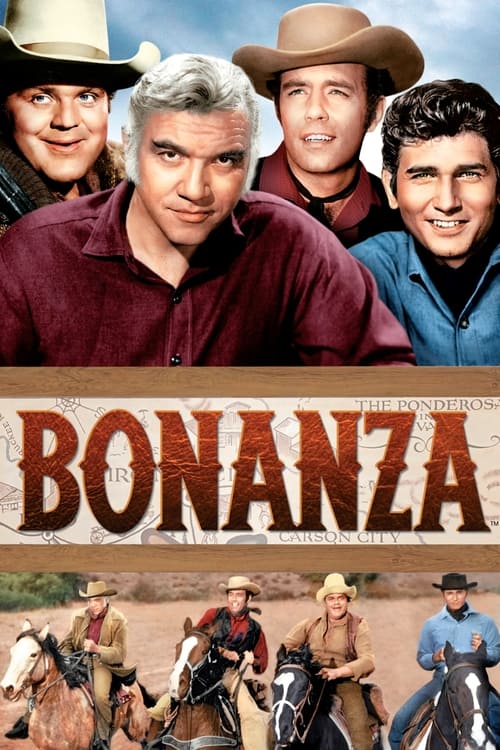
The High-Sierra adventures of Ben Cartwright and his sons as they run and defend their ranch while helping the surrounding community.

Bonanza

1959
Mission: Impossible
7.6

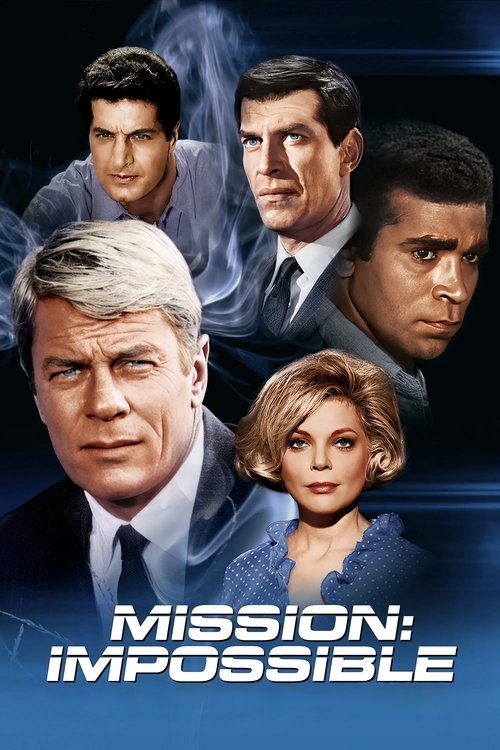
Mission: Impossible is an American television series that was created and initially produced by Bruce Geller. It chronicles the missions of a team of secret government agents known as the Impossible Missions Force. In the first season, the team is led by Dan Briggs, played by Steven Hill; Jim Phelps, played by Peter Graves, takes charge for the remaining seasons. A hallmark of the series shows Briggs or Phelps receiving his instructions on a recording that then self-destructs, followed by the theme music composed by Lalo Schifrin. The series aired on the CBS network from September 1966 to March 1973, then returned to television for two seasons on ABC, from 1988 to 1990, retaining only Graves in the cast. It later inspired a popular series of theatrical motion pictures starring Tom Cruise, beginning in 1996.

Mission: Impossible

1966
Tony Awards
N/A

The Antoinette Perry Award for Excellence in Theatre, more commonly known as a Tony Award, recognizes achievement in live Broadway theatre. The awards are presented by the American Theatre Wing and The Broadway League at an annual ceremony in New York City. The awards are given for Broadway productions and performances, and an award is given for regional theatre.

Tony Awards

1956
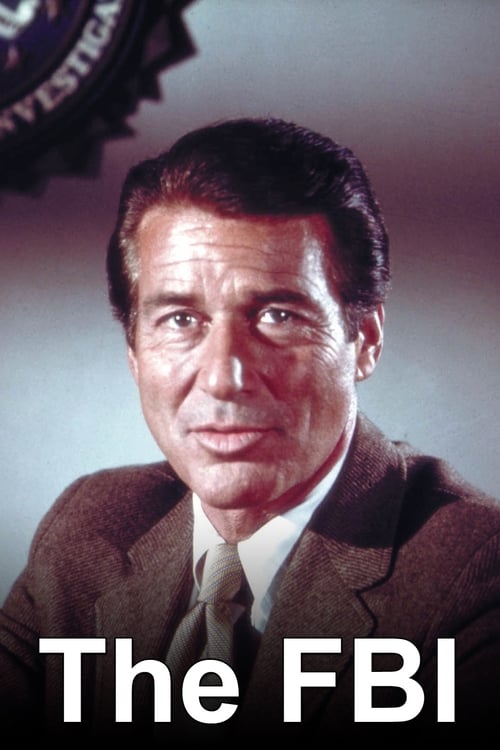
The F.B.I.
5.6

The F.B.I. is an American television series that was broadcast on ABC from 1965 to 1974. It was sponsored by the Ford Motor Company, and the characters almost always drove Ford vehicles in the series. Alcoa was co-sponsor of Season One only.

The F.B.I.

1965
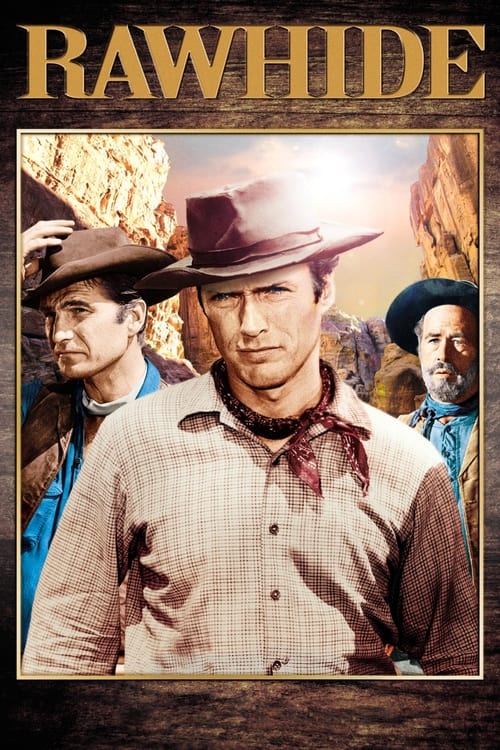
Rawhide
7.2

The tale of trail boss Gil Favor and his trusty foreman Rowdy Yates as they drives cattle across the old west. Along the way they meet up with adventure and drama.

Rawhide

1959
Burke's Law
6.3

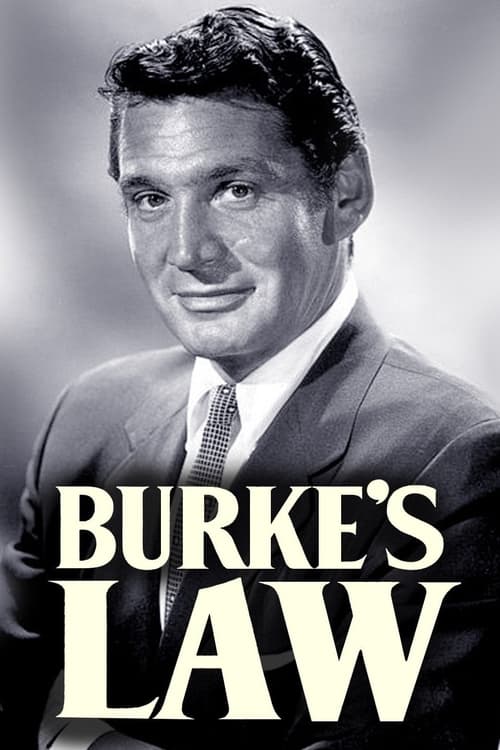
Burke's Law is an American detective series that ran on ABC from 1963 to 1965 and was revived on CBS in the 1990s. The show starred Gene Barry as Amos Burke, millionaire captain of Los Angeles police homicide division, who was chauffeured around to solve crimes in his Rolls-Royce Silver Cloud II.

Burke's Law

1963
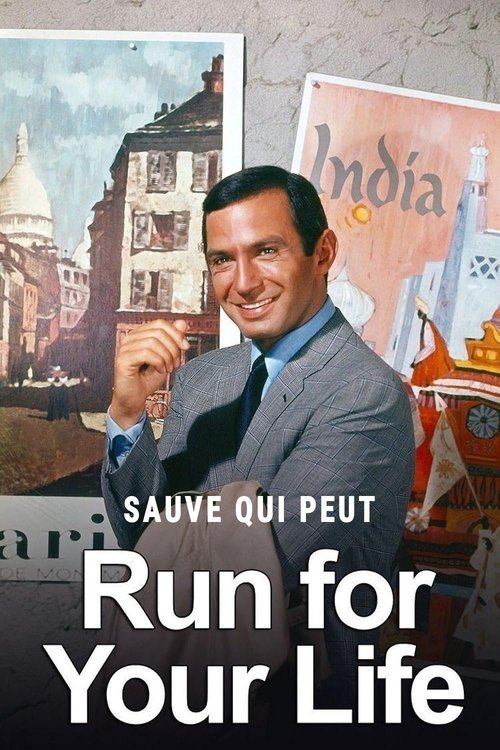
Run for Your Life
7.1

Run for Your Life is an American television drama series starring Ben Gazzara as a man with only a short time to live. It ran on NBC from 1965 to 1968. The series was created by Roy Huggins, who had previously explored the "man on the move" concept with The Fugitive.

Run for Your Life

1965
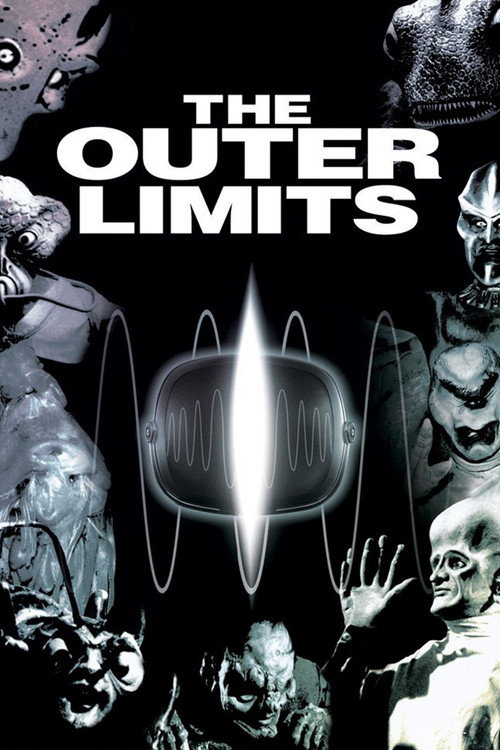
The Outer Limits
7.8

The Outer Limits is an anthology tv series of self-contained sci-fi-horror stories, sometimes with a plot twist at the end.

The Outer Limits

1963
Baretta
6.5

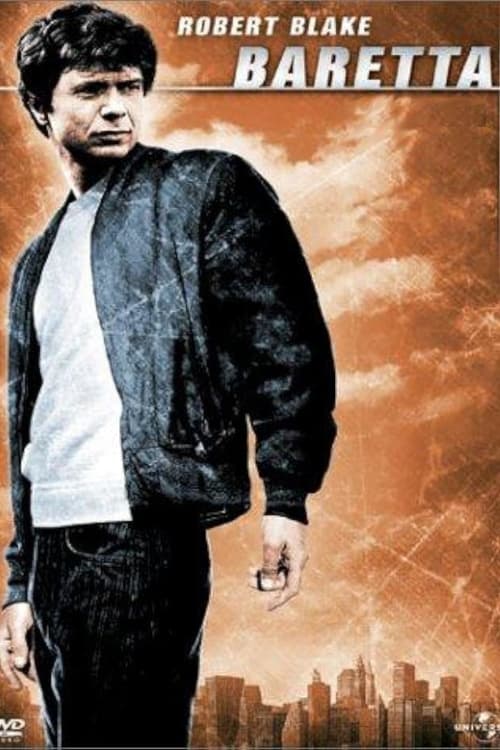
Baretta is an American detective television series which ran on ABC from 1975 to 1978. The show was a milder version of a successful 1973–74 ABC series, Toma, starring Tony Musante as chameleon-like, real-life New Jersey police officer David Toma. While popular, Toma received intense criticism at the time for its realistic and frequent depiction of police and criminal violence. When Musante left the series after a single season, the concept was retooled as Baretta, with Robert Blake in the title role.

Baretta

1975
Vega$
7.0

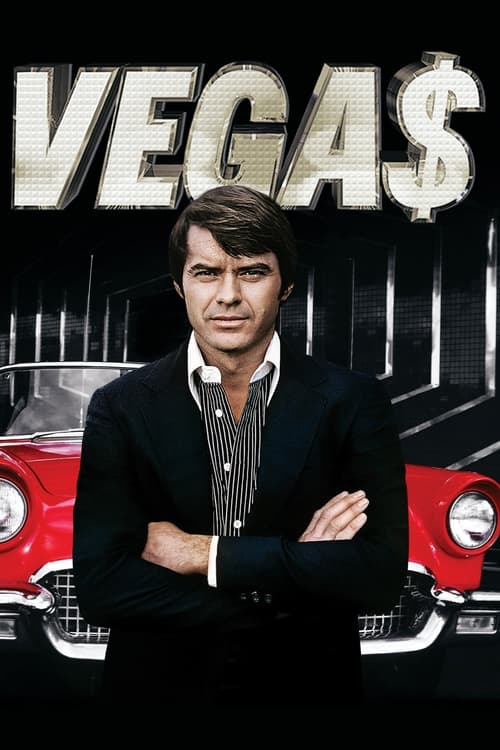
Vega$ is an American detective television drama series that aired on ABC between 1978 and 1981. It was produced by Aaron Spelling. The series was filmed in its entirety in Las Vegas, Nevada. It is believed to be the first television series produced entirely in Las Vegas. The show stars Robert Urich as private detective Dan Tanna, who drove around the streets of Las Vegas in a red 1957 Ford Thunderbird solving crimes and making Las Vegas a better place for residents and tourists alike.

Vega$

1978
12 O'Clock High
7.2

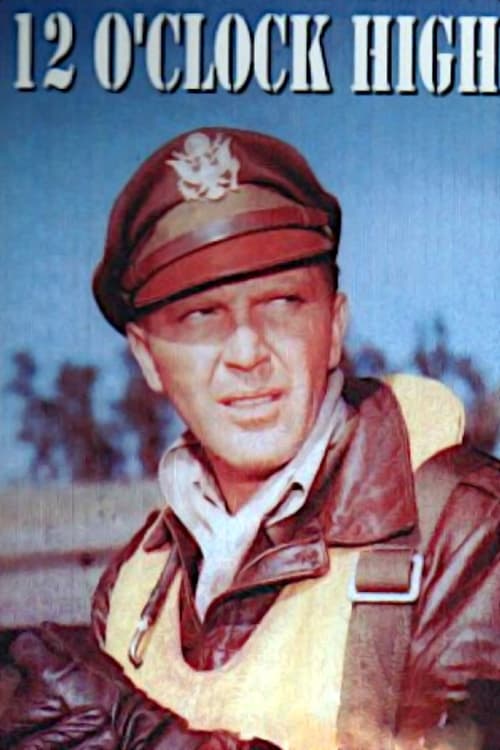
This series chronicles the adventures--in the air and on the ground--of the men of the 918th Bombardment Group of the U.S. Eighth Air Force. First commanded by irascible General Frank Savage--and later by Colonel Joe Gallagher, the son of a Pentagon General--the Group is stationed in England, and flies long-range bombing missions into German-held Europe.

12 O'Clock High

1964
The Rogues
8.0

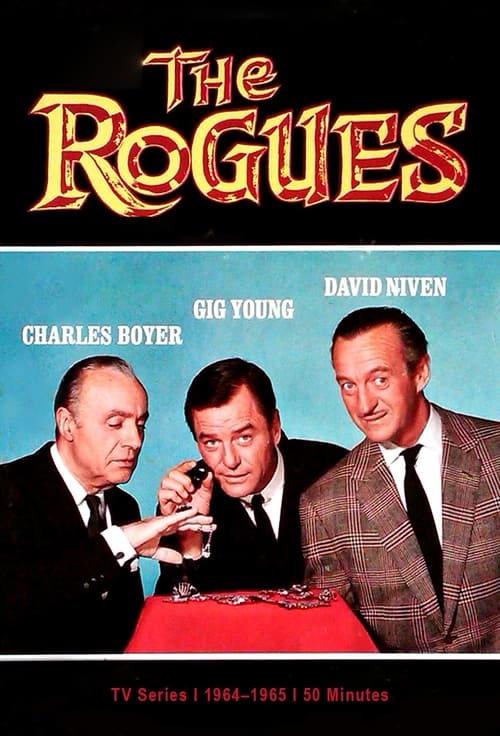
The Rogues is an American television series that appeared on NBC from September 13, 1964, to April 18, 1965, starring David Niven, Charles Boyer, and Gig Young as a related trio of former conmen who could, for the right price, be persuaded to trick a very wealthy and heinously unscrupulous mark. Although it won the 1964 Golden Globe award for Best Television Series, the show was cancelled after one season consisting of thirty episodes.

The Rogues

1964
Cinépanorama
8.7

No description available.

Cinépanorama

1956
In Harm's Way
6.6

A Naval officer, reprimanded after Pearl Harbor, is later promoted to Rear Admiral and gets a second chance to prove himself against the Japanese.

In Harm's Way

1965
No image
6.0

The Long, Hot Summer is an American drama series that was broadcast on ABC-TV for one season from 1965-1966. Created by Dean Riesner, The Long, Hot Summer was based on the novel The Hamlet by William Faulkner, the short story "Barn Burning", and the 1958 film of the same name.

The Long, Hot Summer

1965
Exodus
6.7

Ari Ben Canaan, a passionate member of the Jewish paramilitary group Haganah, attempts to transport 600 Jewish refugees on a dangerous voyage from Cyprus to Palestine on a ship named the Exodus. He faces obstruction from British forces, who will not grant the ship passage to its destination.

Exodus

1960
The Cardinal
6.6

A young Catholic priest from Boston confronts bigotry, Nazism, and his own personal conflicts as he rises to the office of cardinal.

The Cardinal

1963
The Most Deadly Game
7.0

The Most Deadly Game is an American drama television series

The Most Deadly Game

1970
The Psychiatrist
7.5

The Psychiatrist is an American television series about a young psychiatrist with unorthodox methods of helping his patients. Roy Thinnes played the title role of Dr. James Whitman. Luther Adler co-starred as Dr. Bernard Altman, the older psychiatrist with whom Whitman worked. Two episodes of the short-lived series, "The Private World of Martin Dalton" and "Par for the Course," were directed by Steven Spielberg. The regular hour long series ran from February 3, 1971 to March 10 of the same year. The pilot for the series, a made for TV movie called The Psychiatrist: God Bless the Children, aired on December 14, 1970. Actor Pete Duel was at the center of this 90 minute drama, as Casey Poe, a former drug addict who, after finishing a two year prison sentence, must battle his own personal demons, as well as the prejudices of others, in order to reenter society. Dr. Whitman is the psychiatrist who must break through Poe's resistance in order to help him form a new life for himself. Duel received much praise for his performance and reprised his role in the first regular episode of the series, "In Death's Other Kingdom." The Psychiatrist was an element in the wheel series Four in One, which NBC aired in the 10 PM Eastern time slot during its 1970-71 series. The Psychiatrist was the final series of the four to air, following the first-run conclusions of the other three components, McCloud, Night Gallery, and San Francisco International Airport. After all four series had completed their initial six-episode runs, reruns of the four were interspersed with each other until the end of the summer. Of the four elements, McCloud was picked up as one element of a new wheel-format series, the NBC Mystery Movie, and Night Gallery was picked up as a stand-alone series, while San Francisco International Airport and The Psychiatrist were cancelled with no further episodes ordered beyond the original six.

The Psychiatrist

1971
The Brides of Dracula
6.7

A young teacher on her way to a position in Transylvania helps a young man escape the shackles his mother has put on him. In so doing she innocently unleashes the horrors of the undead once again on the populace, including those at her school for ladies. Luckily for some, Dr. Van Helsing is already on his way.

The Brides of Dracula

1960