Kunio Watanabe
Directing
Biography
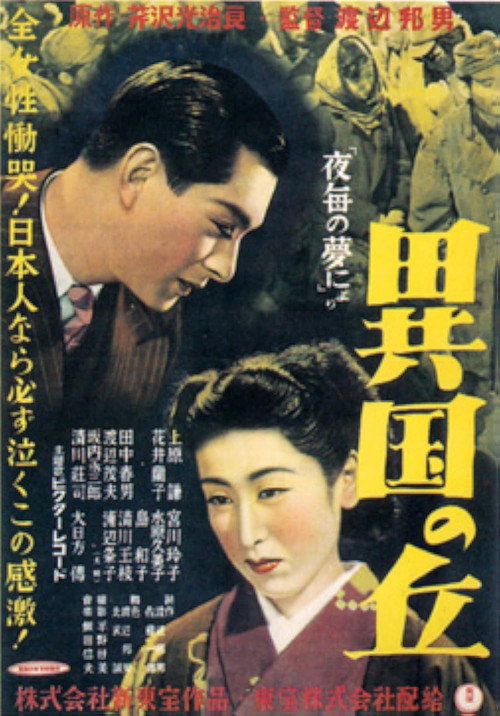
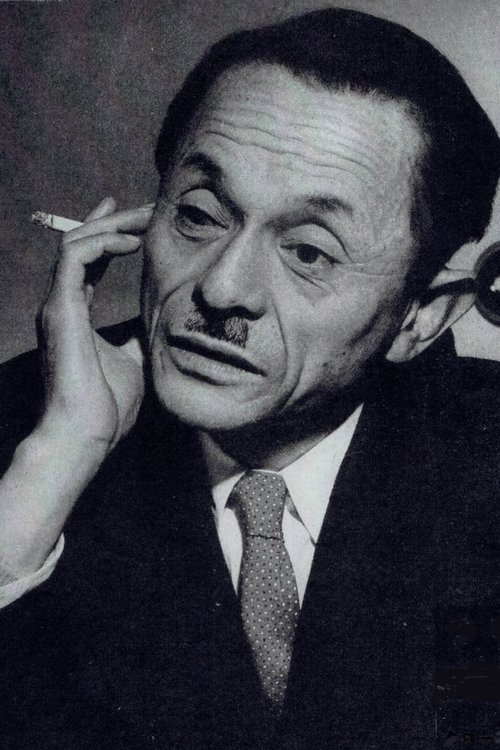
Kunio Watanabe was born on June 3, 1899 in Mishima, Shizuoka, Japan. He was a director and writer, known for Ikoku no oka (1949), Rajo no urei (1950) and Onna Sanshiro (1950). He died on November 5, 1981.
Known For

No description available.
姿三四郎

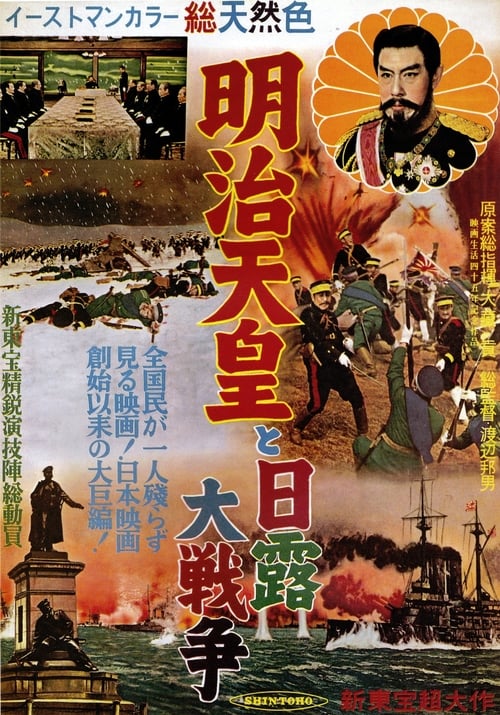
Meiji Tenno portrays the buildup to the Russo-Japan War. In addition to showing the political events that led to war, it also shows the era from the story of a farm family in rural Japan that sends their son off to war. As such, it could be considered an anti-war movie, showing how, while war is devised by governments, the people do not really understand what war is, and its combatants often do not know what they are fighting for.
Emperor Meiji and the Great Russo-Japanese War

During the 1200's, legendary Buddhist monk Nichiren returns from his studies to lead Japan out of moral crisis and prepare to fight Mongol invaders by creating a new form of Buddhism. He runs afoul of the existing Buddhist sects and their government supporters and is persecuted. Can Nichiren persevere before the Mongol fleet reaches Japanese shores?
Nichiren and the Great Mongol Invasion

The story of Sanshiro Sugata, a young man who wants to learn the new art of judo. A wise teacher reveals to Sanshiro that judo is not merely a means of combat nor a demonstration of physical skill, but an art which reveals the artist to himself. This is a remake of Akira Kurosawa's films "Sanshiro Sugata" and "Sanshiro Sugata Part II"
Dawn of Judo
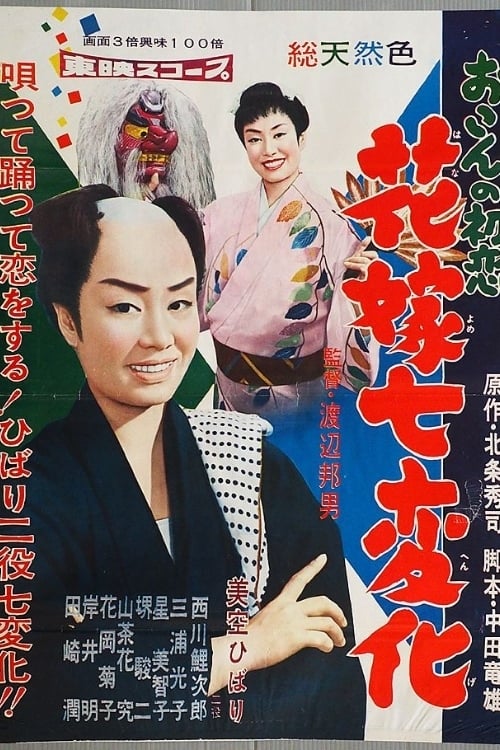
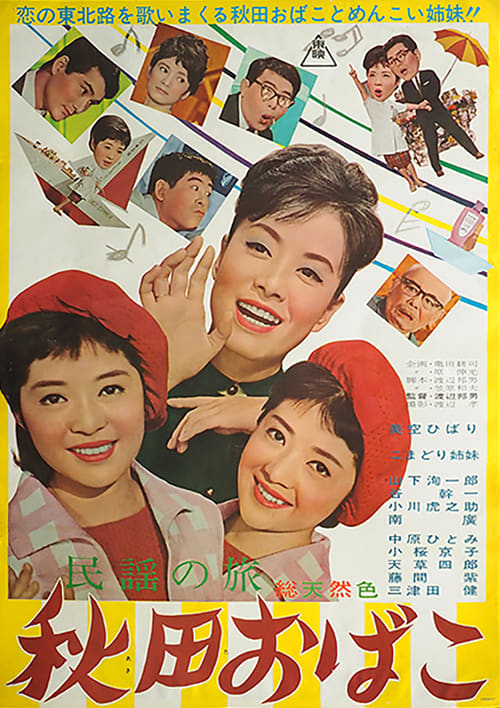
Hibari Misora plays a singing guide, who is secretly in love, her fortunes turn for the worse when a gangster’s henchman hears her singing and takes a liking to her beautiful voice. The trouble starts when her family borrows money from the gangsters, setting off a series of incidents which lead to tragedy.
Hibari's Tale of Pathos

The beautiful daughter of a merchant with a penchant for danger proves to be too much to handle for her worried father. Disguising herself as a man and changing her name, she heads for the capital...
Tomboy Samurai
Song of the White Orchid was a co-production of Toho and Mantetsu, the railway that served the colonial region of Manchuria, and the first film in the Kazuo Hasegawa/Shirley Yamaguchi (Ri Koran) “Continental Trilogy.” Handsome Hasegawa (representing Japan) runs up against an impertinent Yamaguchi (representing the continent); not surprisingly, in the course of the film the woman comes around and realizes the benevolent intentions of the Japanese. In Song of the White Orchid Yamaguchi leaves Hasegawa, who plays an expatriate working for the railway, because of a misunderstanding. She joins a communist guerilla group plotting to blow up the Manchurian railway. Learning of the subterfuge that led to the misunderstanding, she renews her faith in Hasegawa—and by extension Japan—and tries to undermine the plot.
Song of the White Orchid

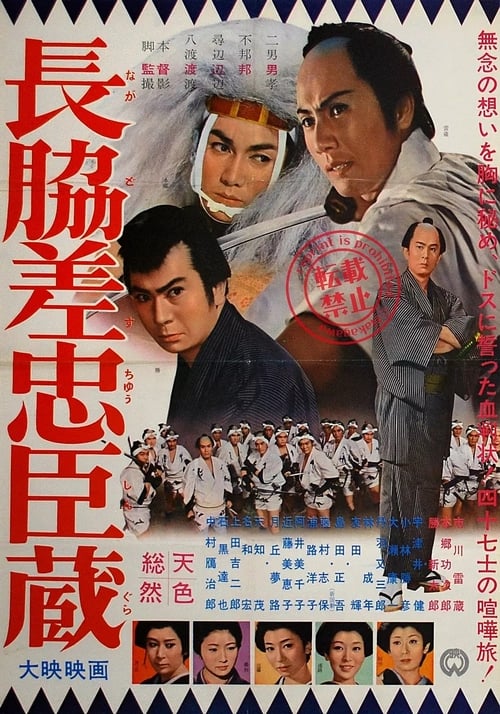
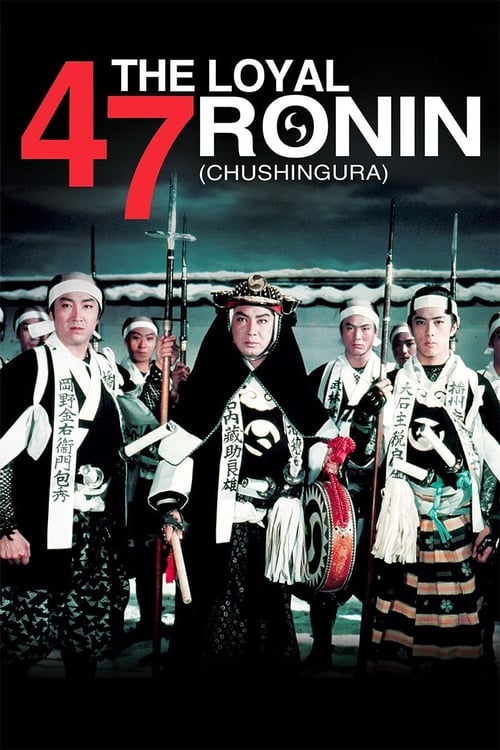
Japan, 1701. A group of samurai become rônin after their lord is forced to commit seppuku for assaulting a court official, who will become the target of a merciless revenge.
The Loyal 47 Ronin

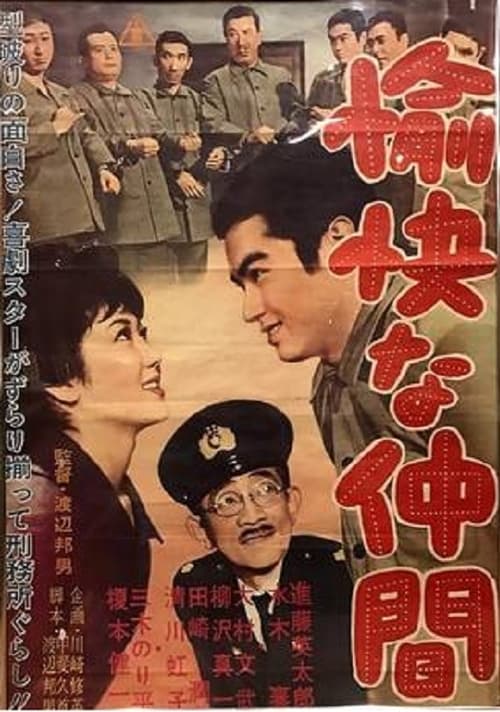
A spectacular comedy with a star-studded cast that depicts unusual trials and unexpected verdicts regarding the five deadly sins: the crime of beauty, the crime of a terrifying wife, the crime of taking the wrong course, the crime of seducing, and the crime of killing with laughter.
Nonki saiban

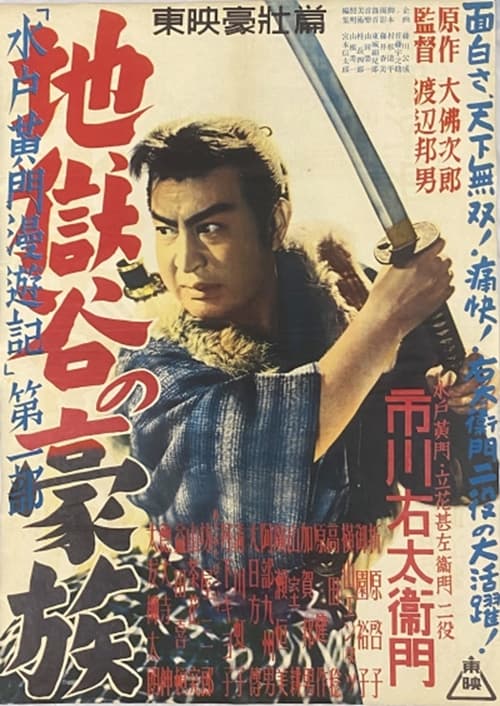
Daiei Film Company's three biggest stars shine in this exciting story about Vice-Shogun Mito Komon's journey to the land of the Ainu. As the shogun's uncle, Lord Mito traveled about the nation seeking to make sure that corruption and injustice did not go unpunished. Traveling together with his two faithful bodyguards Kaku and Suke, they board ship for a voyage to the far northern island of Ezo (modern day Hokkaido) where the indigenous people called "Ainu" live. Somewhat like American Indians, the Ainu had their own culture which had not been subjugated by the Matsumae clan, rulers of the vast island. A revolt is brewing within the leadership of the Ainu, which threatens to destroy their peaceful lives. The elder lord and his retinue are the only ones who can stop this reign of terror!
Mito Komon’s Journey to Ezo

Koharu, a flamboyant geisha, unexpectedly wins a trip to Sado Island in a TV contest. She is accompanied by three people. Koharu had been dreaming of a handsome young man, but when she gets into the first-class car, she meets Tashiro, a pretentious young man with rimless glasses, Sugimura, who has a mean look in his eyes, and Ryuta, a young man she had a scuffle with in a boxing match the other day and hated. After countless misunderstandings, Koharu vows to defeat Tomoe-gumi's leader, Yamada's gang...
The Prickly-Mouthed Geisha Goes to Sado

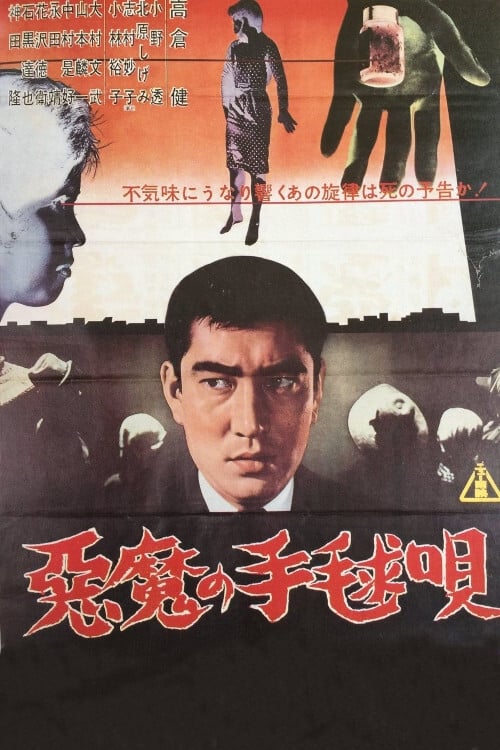
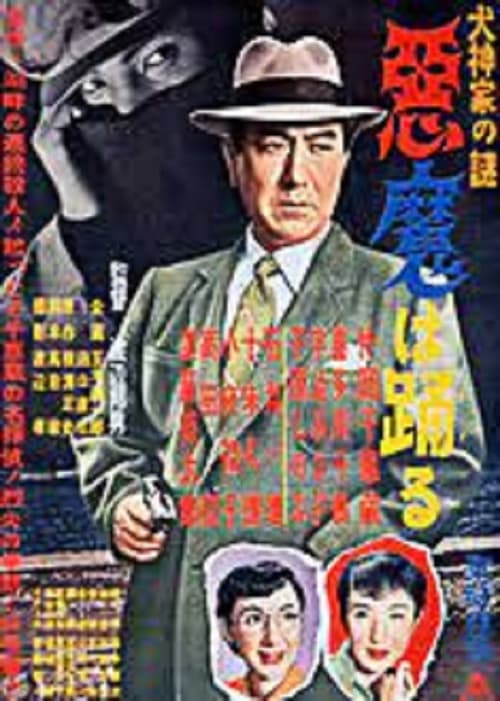
1961 Toei adaptation of Yokomizo's novel.
Devil's Nursery Rhyme

1962 Japanese movie
South Pacific Waves Are High

A geisha helps a runaway who looks just like her.
The Prickly Mouthed Geisha and the Girl of Osaka

The third installment in the Shacho Series.
Three Generations of Company Presidents

A touching drama about a love triangle between a young architect, Koroku, and two women, Ranko and Teruko. Ranko comes from a wealthy family and is offering to repay Koroku’s family debts in exchange for marriage, but Koroku is in love with his landlord’s daughter, Teruko. Things are further complicated when the wicked Tsugawa takes interest in both women, for his own marriage.
365 Nights

A 1943 film.
音楽大進軍

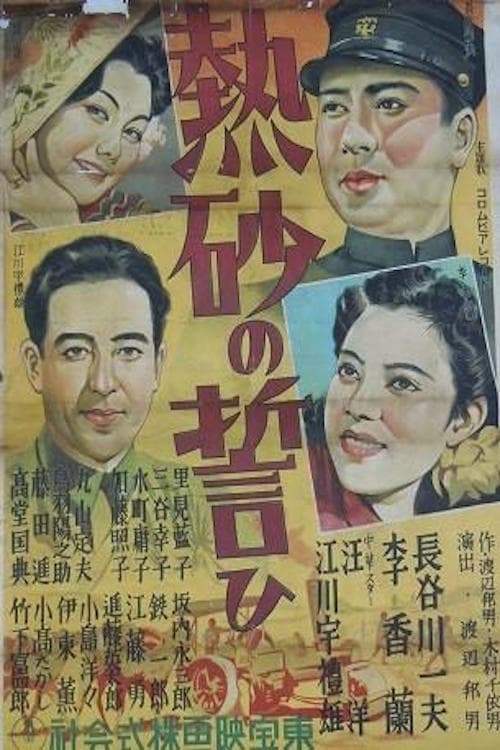
A Japanese army engineer (Hasegawa) on the mainland must put his personal feelings for a beautiful Chinese woman (Ri) aside if he is to succeed at building a highway through the "bandit"- (aka anti-Japanese militia-) infested hinterlands.
Oath on the Burning Sands

Scammer Horikawa Shinbei hopes to make a quick buck using Namie, a stripper under his control.
Morishige is a Fake Gentleman

No description available.