Jonathan Stedall
Directing
Biography
Early career included work as a stage manager in Rep at The Grand Theatre, Croydon; assistant film editor at Pinewood film studios; floor manager at TWW and ATV. Author aged twenty-five. Author aged twenty-five. In 1961/63 made first films at TWW (Television Wales and the West) with John Betjeman and Gwyn Thomas. Joined BBC Television as producer/director in 1963 at the advent of BBC2. In 1968 won British Film Academy (now BAFTA) Robert Flaherty Award for In Need of Special Care – a film about a Camphill school in Scotland for children with special needs (same film nominated for British Film Academy 'United Nations Award', along with its sequel about Botton Village – a Camphill community in Yorkshire for adults with special needs). Nominated by BAFTA and by The Broadcasting Press Guild for 1985 series with Alan Whicker – Living with Uncle Sam. Independent documentary film-maker since 1990.
Known For

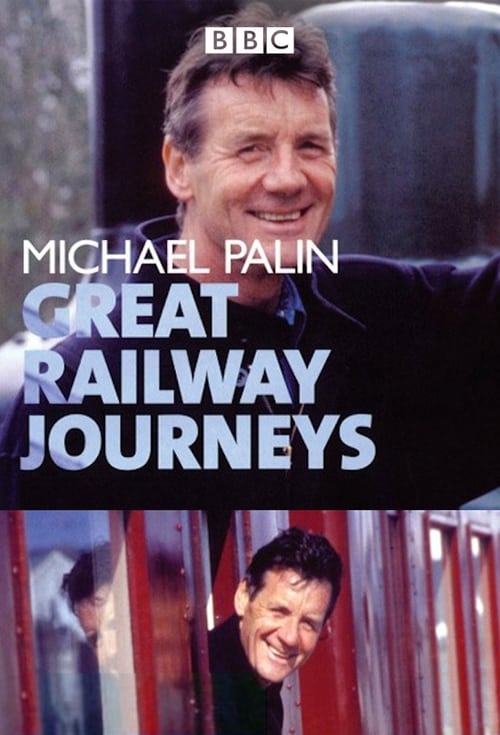
Great Railway Journeys, originally titled Great Railway Journeys of the World, is a recurring series of travel documentaries produced by BBC Television. The premise of each programme is that the presenter, typically a well-known figure from the arts or media, would make a journey by train, usually through a country or to a destination to which they had a personal connection. There were four series broadcast on BBC Two between 1980 and 1999, with the shorter series title being used for all but the first. In 2010 a similar series also aired on BBC Two, Great British Railway Journeys.
Great Railway Journeys

A monthly series of highly personal documentary films in which individuals are given a platform to discuss issues close to their heart.
One Pair of Eyes

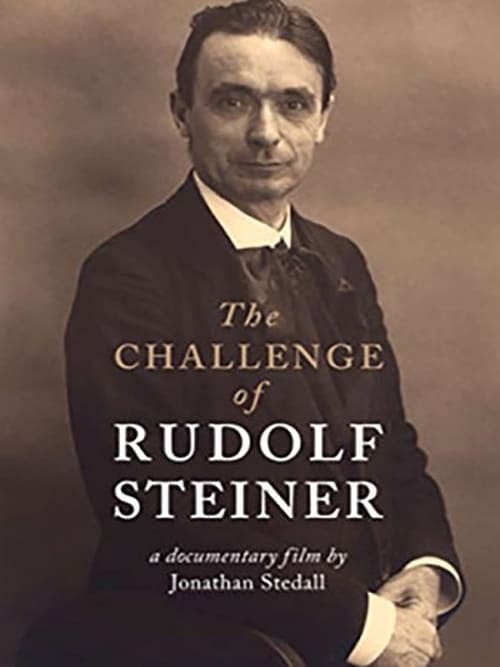
Documentary that tells the story of Steiner’s remarkable life (1861-1925), as well as exploring the influence of his ideas and insights on a whole range of contemporary activities – education, agriculture, medicine, social and financial issues, and the arts. PART ONE describes Steiner’s childhood as the son of a humble railway official, growing up in the Austrian countryside, and his student years in Vienna towards the end of the 19th century. Hugely influenced by Goethe’s scientific writings, he was gradually able to reconcile the powerful spiritual experiences he had had since childhood with his interest in science and philosophy. PART TWO looks initially at the subject of reincarnation and karma, with film at a prison in South Wales, at Ruskin Mill in Gloucestershire – a college for disadvantaged youngsters. In the USA there are scenes at a biodynamic winery in California. Also featured are examples of Waldorf educational ideas being introduced into mainstream schooling.
The Challenge of Rudolf Steiner

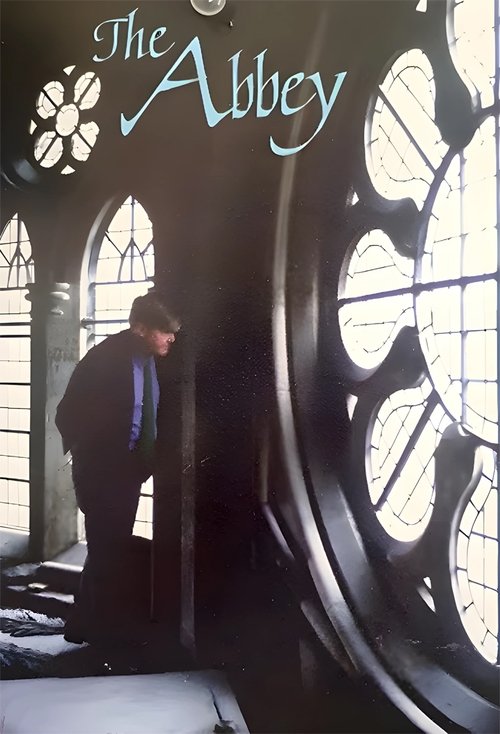
In this captivating and insightful documentary, Alan Bennett takes on the role of a guide to Westminster Abbey. He unveils a side of history that is lesser-known yet intriguing, and is granted entry into the unseen corners and secret chambers that remain hidden from the eyes of tourists.
The Abbey with Alan Bennett

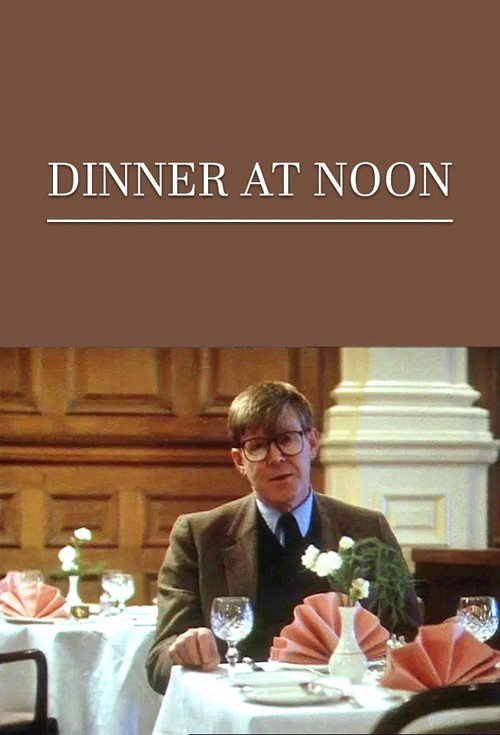
Writer Alan Bennett visits a hotel in the north of England, observes the guests, and reminisces about his experiences of staying in boarding-houses as a child.
Dinner at Noon
Alan Bennett's personal overview of art, filmed in the atmospheric location of a Leeds art gallery.
Portrait or Bust

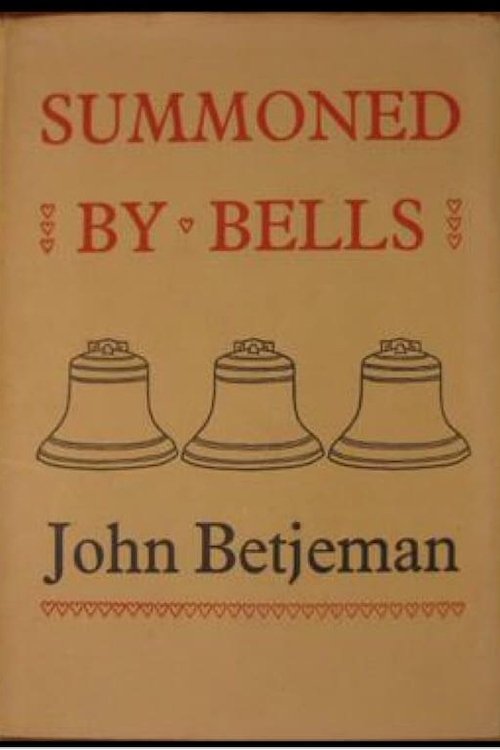
To mark his 70th Birthday, the Poet Laureate, Sir John Betjeman, recalls key moments from his childhood and adolescence.
Summoned by Bells
This short film introduces some of the fundamentals of Waldorf education. Originally produced for the Steiner Schools Fellowship.
Rudolf Steiner Waldorf Education: An Introduction
A two-part BAFTA-winning documentary examining the Camphill movement’s work helping people with learning disabilities, first focusing on its school outside Aberdeen, then on Botton Village, in North Yorkshire, a community for adults with special needs.
In Need of Special Care

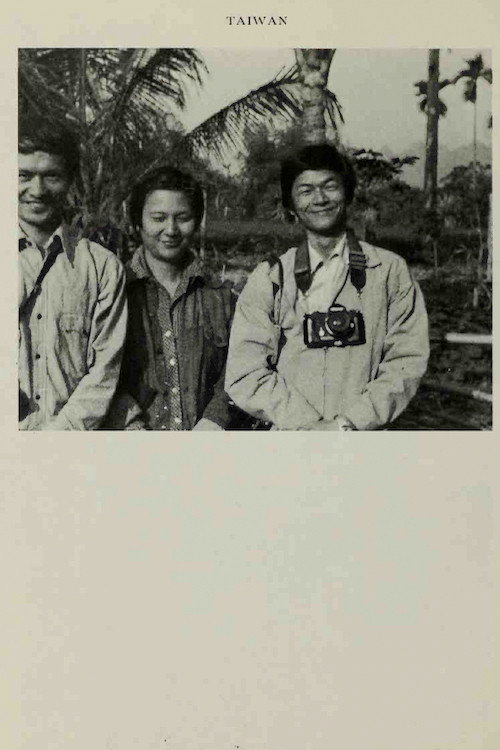
In this landmark 1977 documentary, narrator Ronald Eyre journeys to Taiwan to explore the vibrant and complex world of Chinese folk religion. Facilitated by the pioneering team behind ECHO Magazine—Linda Wu (吳美雲), Huang Yong-song (黃永松), and Yao Meng-chia (姚孟嘉) —the film captures a rare and precious glimpse of 1970s Taiwan, a time when ancient spiritual traditions remained deeply woven into the fabric of daily life. From the thunderous temple festivals and the mystical trances of spirit mediums to the quiet ancestral rites in family halls, "A Question of Balance" examines how the pursuit of the "Way" (the Tao) provides a sense of cosmic harmony amidst a modernizing society. It stands as a definitive visual record of a vanishing era, showcasing the enduring power of Taoist belief and its diverse pantheon of deities.