Writing
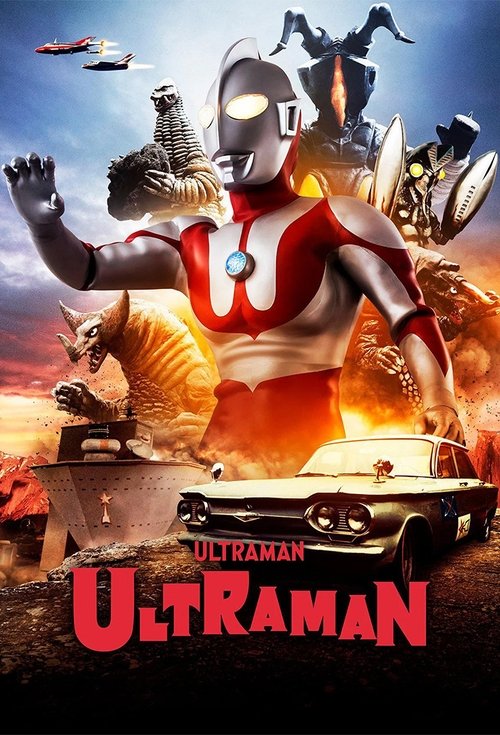
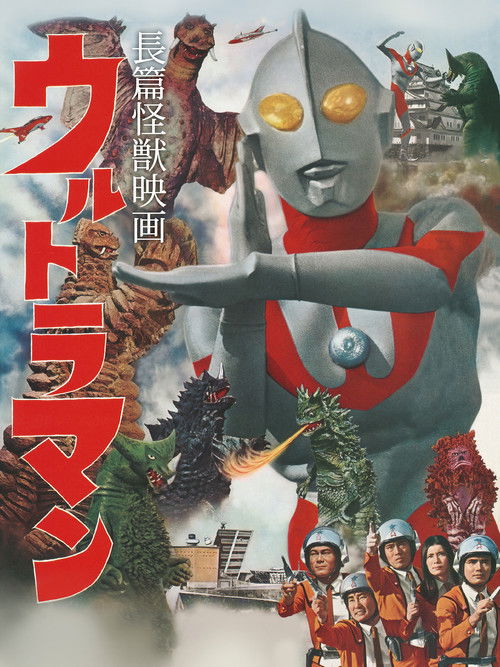
Hayata is a member of the Science Patrol, an organization tasked with investigating bizarre anomalies. He is mortally wounded when accidently encountering an alien being from Land of Light, who grants Hayata new life as the two are merged into one. Now, whenever a threat arises that is too great for the Science Patrol to handle, Hayata activates the beta capsule and becomes the hero known as Ultraman.
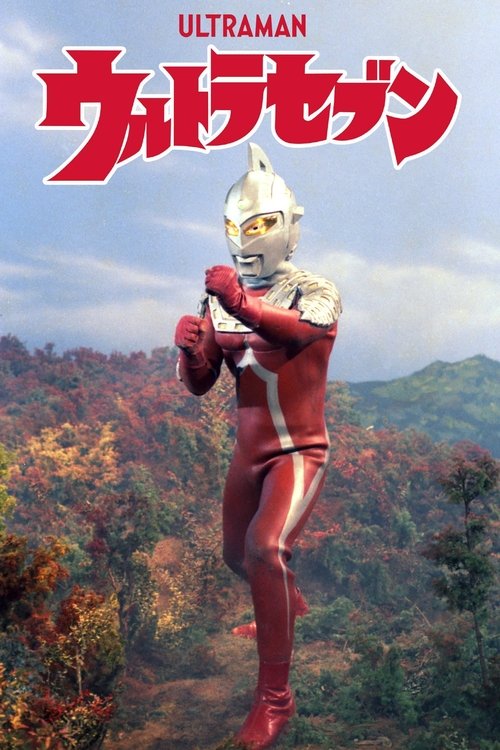
In the not-too-distant future, the Earth finds itself constantly under attack from extraterrestrial threats. The Terrestrial Defense Force establishes the Ultra Garrison, a team of six elite members who utilize high-tech vehicles and weaponry. Joining their fight is the mysterious Dan Moroboshi, secretly an alien from the Land of Light in Nebula M-78, who transforms into his true form in times of crisis, Ultraseven.
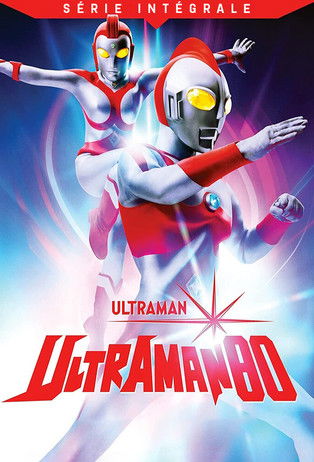
Takeshi Yamato, a twenty-two-year-old young man lives a double life. During the daytime, he is a rookie but popular science teacher at a junior high school in Tokyo. But after school and on Sundays he works as a member of the elite UGM (Utility Government Members).
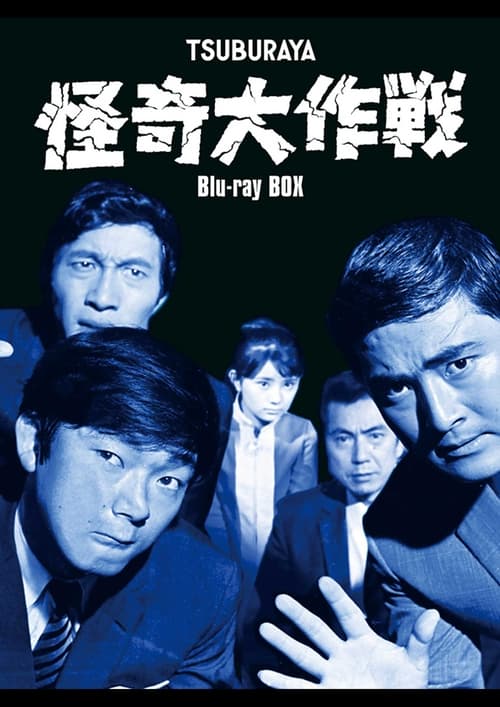
Advancements in science and the unchanging human psyche have given rise to new forms of terrifying crimes as the Science Research Institute (SRI) investigates various strange phenomena in Japan.
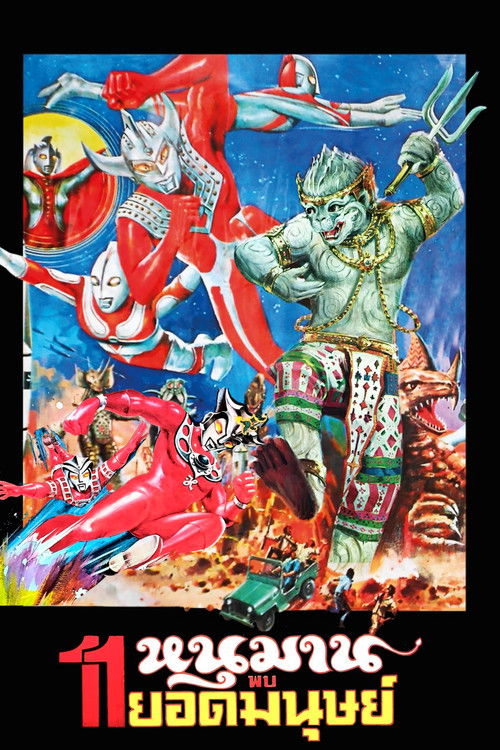
After a valiant Thai boy is brutally murdered by a gang of archeological looters, his soul is joined with the Hindu god Hanuman, who teams up with Ultraman and his brethren against familiar Ultra-foes unleashed by a weather control experiment gone awry, in this influential Thai-Japanese co-production.
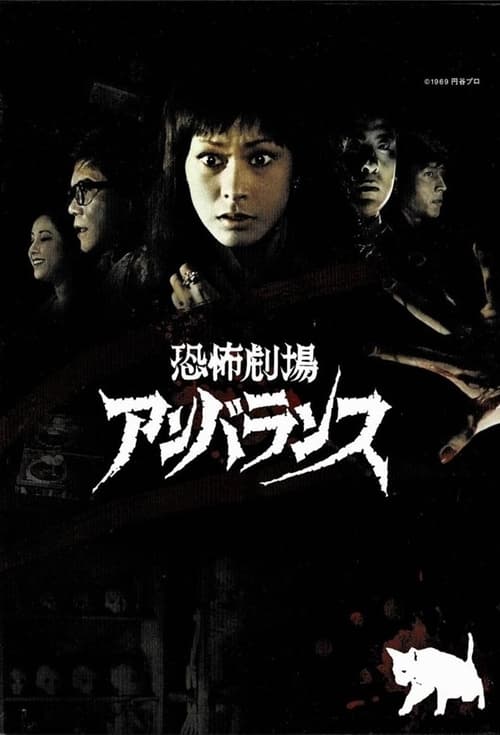
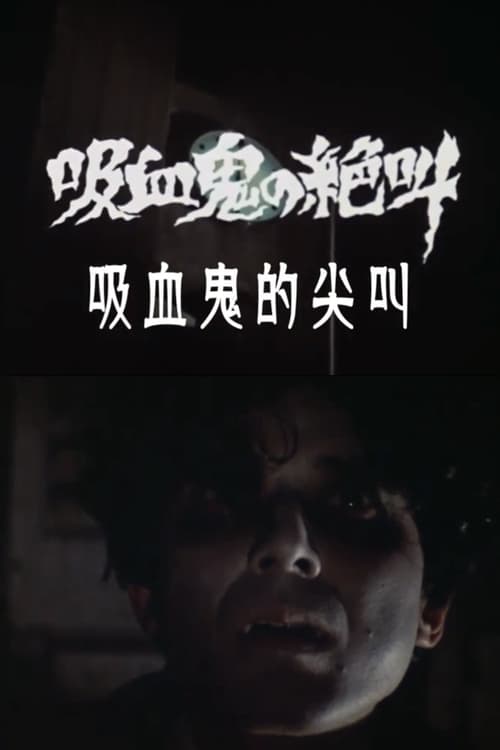
Horror Theater Unbalance is a 1973 Japanese Anthology television series created by Tsuburaya and Fuji TV to air on the Fuji TV network on Monday Nights for 13 episodes. Originally started in production in 1969, it was shelved and took years for its airing debut to begin its broadcast, before production was eventually completed at the end of 1972. It was then aired on Fuji TV in 1973.
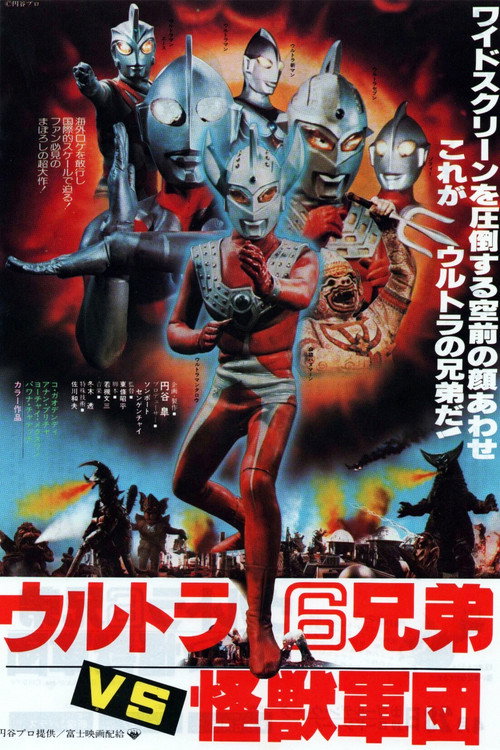
A young boy named Kochan is given the ability to transform into Hanuman after he was murdered, and now he and the 6 Ultra Brothers must fight against five monsters who were awakened from the destruction of a rocket test site.
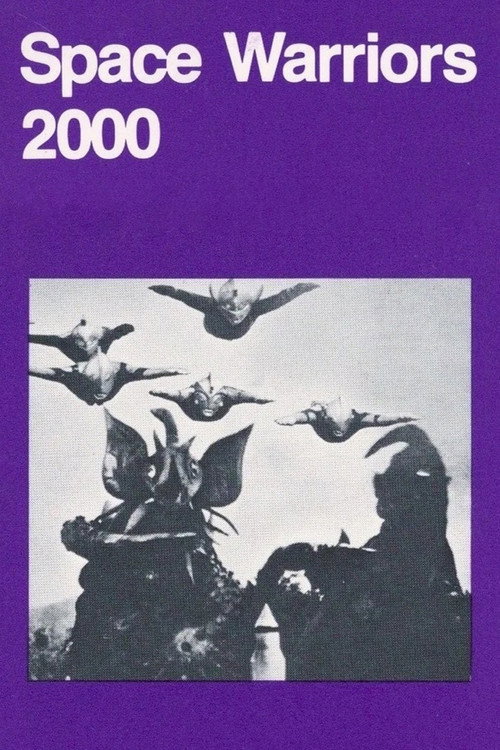
A reissue of the film "Hanuman and the Seven Ultramen" but with a condensed version of the 1984 film "Ultraman Zoffy" as the first half of the film. The Seven Ultramen portion in the second half is a shortened version of the original film which removes several characters. The film would be further re-edited in the U.S. as "Space Warriors 2000".
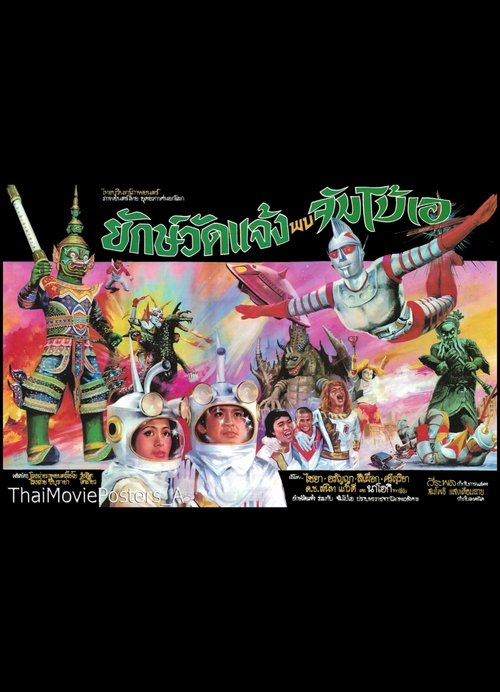
When the aliens steal the Suriyatras diamond and combine it with the power of the sun to make a beam that can destroy the Earth. A robot and an ancient god must join forces to fight the alien invaders to get the diamond back. This film was the first collaboration between Tsuburaya Productions of Japan and Chaiyo Productions of Thailand. Based on the final episode of the Jumborg Ace TV series
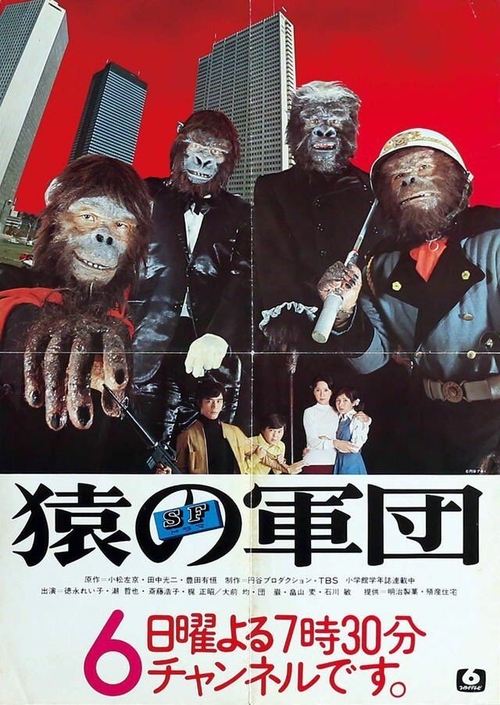
A female scientist and two children are accidentally transported into a future dominated by primates.
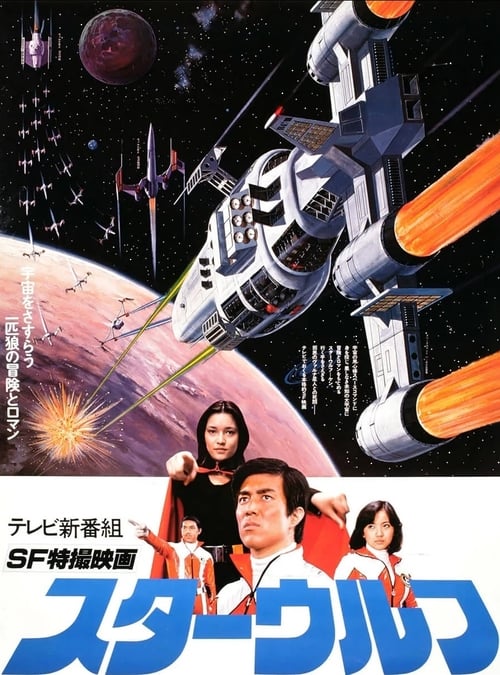
Ken, a member of the marauding group from the planet Varna known as the Wolf Attackers, and particularly feared for his combat prowess as 'Star Wolf', becomes a hunted traitor after shooting his comrades to save a mother and child.
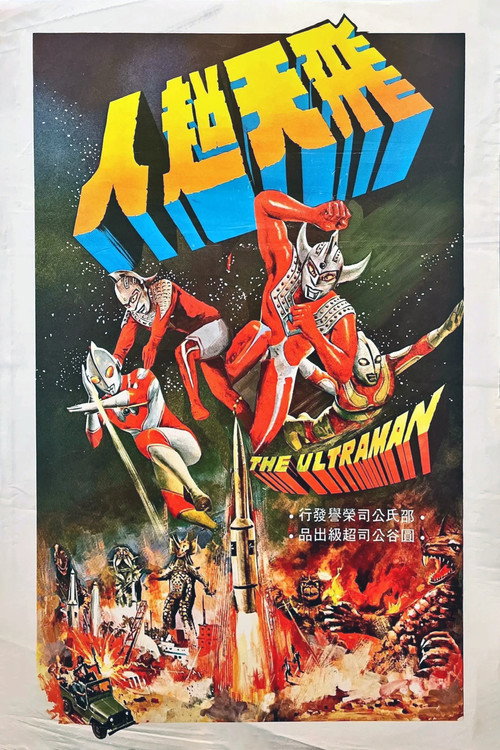
After being killed by a gang of bandits who desecrate a Buddha statue, a young boy named Ah Kuo is revived by Ultramen and becomes a new Ultraman. Together, the Ultramen battle an army of monsters who are awakened by a failed rocket test.
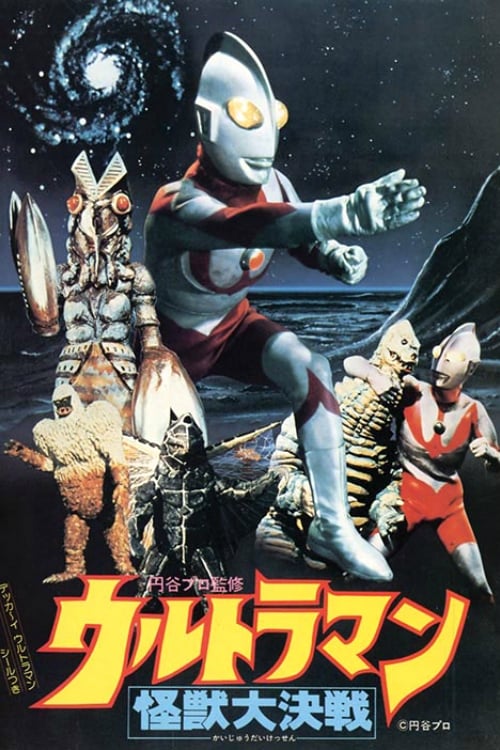
A 1979 Japanese tokusatsu kaiju film produced by Tsuburaya Productions, consisting of re-edited material from the original television series Ultraman. Ultraman: The Great Decisive Battle was the 1st movie of the third Showa phase (Jissouji's Ultraman being first and Ultra Brothers vs. The Monster Army being second) and because of this Tsuburaya decided to make this a reunion of the last 12 Ultras (aside from Ultraman 80 which hadn't come out yet). Tsuburaya decided to give this a different tone than Jissouji's Ultraman, having more new scenes and appealing to the all-Ultra fan.
The film consists of re-edited material from the original television series Ultraman. Episodes 1, 8, 26, and 27 were used for the film. They were narrated by Hikari Urano as an "Ultraman Documentary". Allegedly only one new scene was shot, and that some parts of the movie where shot in black and white for unknown reasons. The movie screened at the same time as the Toho movie King Kong Escapes.
A child finds a magic statue in a cave. This is a Thai idol that protects the world from an invasion by extraterrestrial giants. Edited from the Tsuburaya-Chaiyo co-production Jumborg Ace & Giant (1974), combining the special effects footage with newly shot drama scenes featuring a Taiwanese cast to create a loose adaptation of the original story that jettisons the connections to Tah Tien (1973) and Jumborg Ace (1973).
No description available.
"In the hands of a small boy of pure heart, a space warrior doll magically comes to life and flies to join other warriors of the Galaxy Council. In outer space they battle hideous alien monsters who are bent on destroying the planet Earth." - Cinema Shares Trade Description. An English re-edit of "Hanuman and the Eleven Ultramen" (หนุมาน พบ 11 ยอดมนุษย์, 1984). Hanuman and the Eleven Ultramen is a reissue of Hanuman and the Seven Ultramen (1974) that uses footage from "ULTRAMAN ZOFFY" (1984)
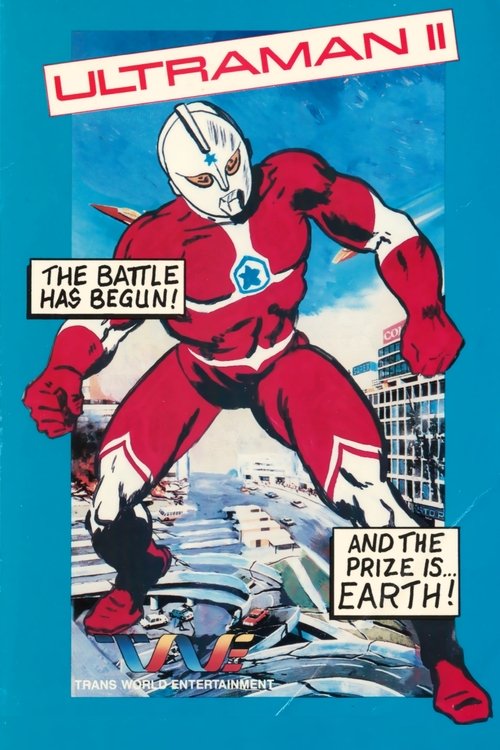
When, prehistoric monsters attack the earth, Commander Adams is asked to head up a paramilitary scientific team, which he agrees on the condition that he is provided with the general's new high-tech space craft. Glen, the creator of the craft, insists on being part of the team, as does a bumbling fool named Marconi. Biologist Lieutenant Ann Johnson comes on as a surprise to these two chauvinists, and finally, Lieutenant Harris, who has been appointed the host of Ultraman, joins the team upon his arrivial.
A middle-aged office worker, Masao Okada (Eiji Okada), discovers that his worsening illness is terminal cancer. Shaken and resigned, he meets a mysterious man, Suzuki (Haruo Tanaka), who knows every detail of his life. Also a dying patient, Suzuki proposes a “game”: two men with little time left will live in suspense, wondering when and how the other might kill, using paranoia as a way to escape the greater fear of death. Directed by Yasuharu Hasebe and based on a story by Kyotaro Nishimura, this short TV film from "Horror Theater Unbalance" blends psychological dread with social reflection. Alongside Okada’s fragile romance with nurse Akiko (Masumi Harukawa), the story introduces a nihilistic subplot where a reckless young couple (Renji Ishibashi among them) engage in a fatal dare that ends in self-destruction — echoing the era’s sense of emptiness and contrasting Okada’s struggle to find meaning in the face of death.