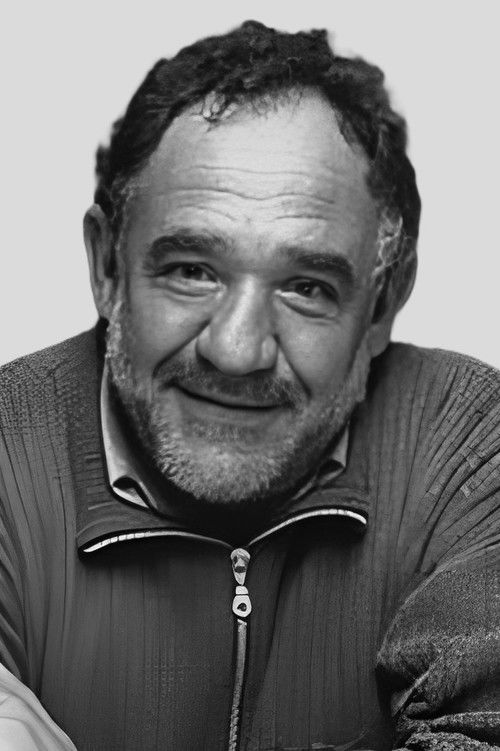
Francisco Algora
Acting
Known For
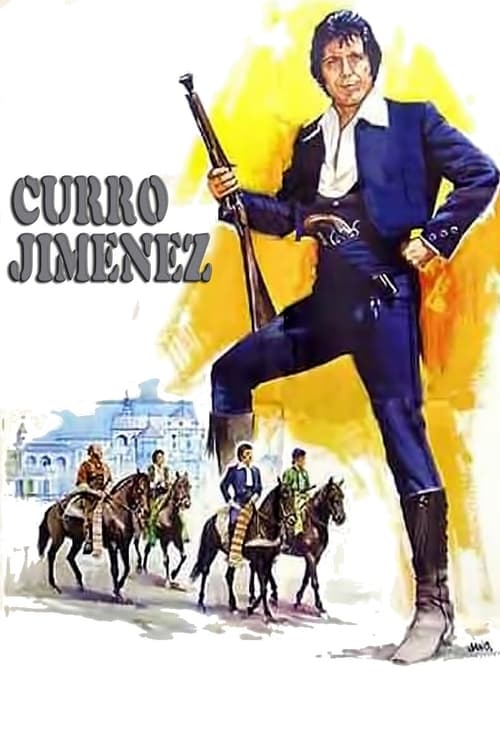
Curro Jiménez was a successful Spanish TV series that aired on TVE1 from 22 December 1976 to 1979. Its main theme was Andalusian "bandolerismo" in the 19th century, located in the Ronda mountains. The main characters were four bandits, Curro Jiménez
Curro Jiménez
No description available.
Crónicas urbanas

A workshop employee decides to take advantage of a long weekend to go to Torremolinos to have fun and chat up foreign tourists.
Foul Play
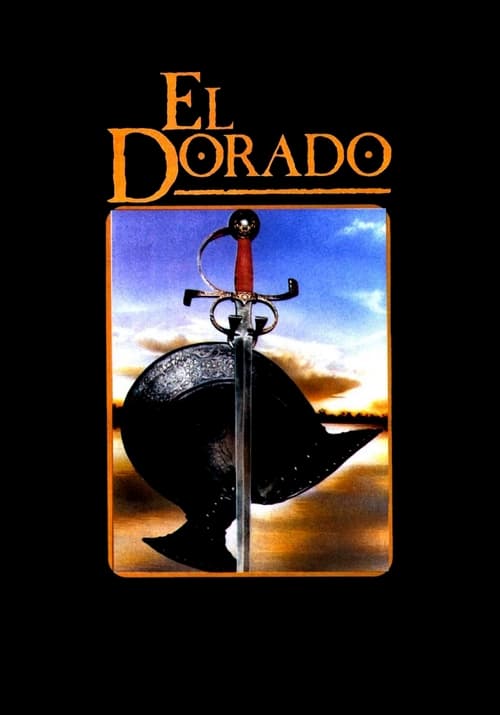
The story of an expedition down the Orinoco and Amazon rivers in 1560 by Spanish soldiers searching for the fabled city of gold, El Dorado.
El Dorado
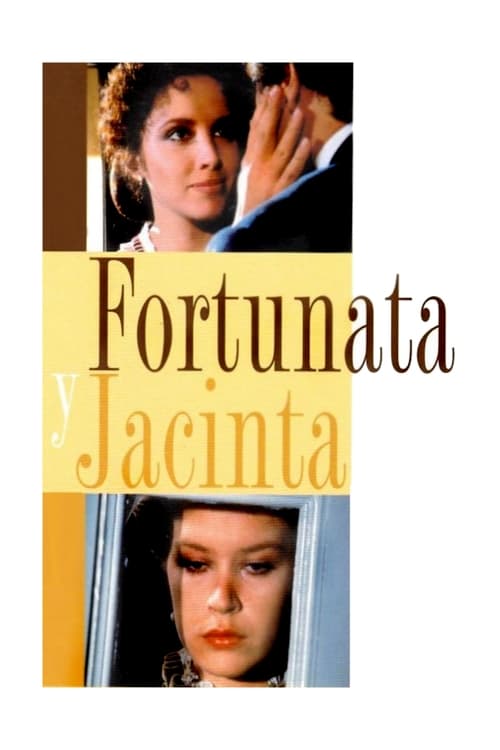
The aristocrat Juan de Santa Cruz meets Fortunata, a girl of humble origins, and a passionate love arises between them; but his mother decides to marry him to her niece Jacinta.
Fortunata and Jacinta
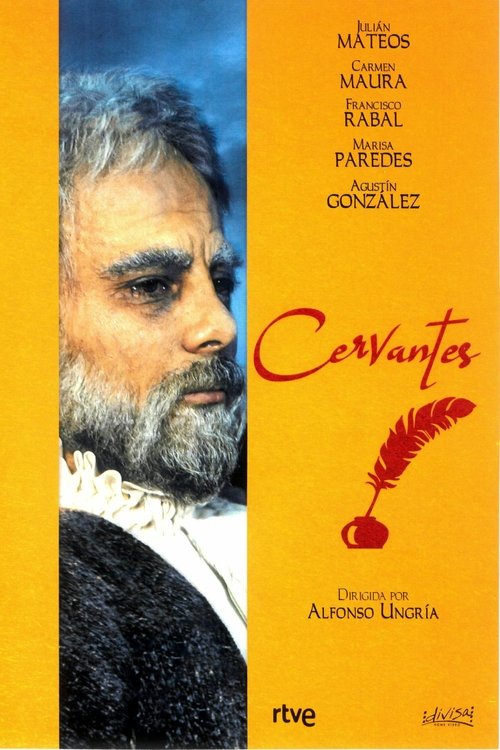
The life of Miguel de Cervantes, writer of the iconic novel Don Quixote of La Mancha.
Cervantes
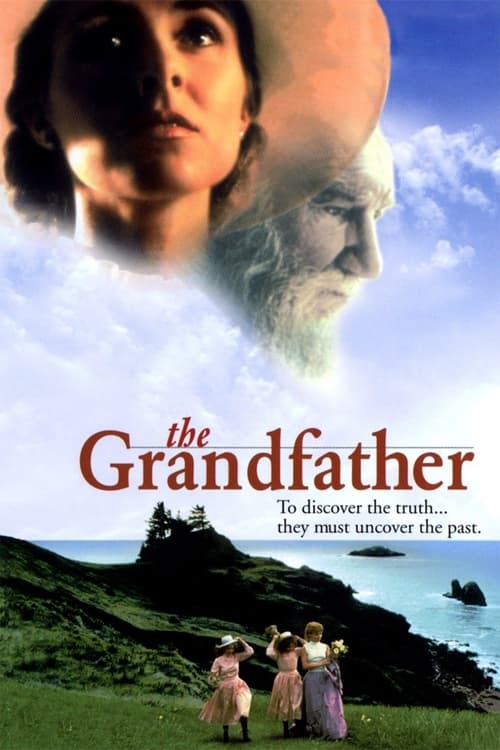
After his son dies, an elderly man comes back to Spain from the US and hopes to find out which of his granddaughters is true, and which one is bastard.
The Grandfather

A tremendous congestion hits the Rome highway ring. The biggest traffic jam ever seen lasts more than 36 hours. At the beginning the people blocked in their cars react normally. But as more time passes, the more we witness personal dramas, hysteric reactions and other grotesque situations. All the episodes are linked as if in a single plot. Cars and their hosts are a microcosm of stories part of a larger universe: the congestion.
Traffic Jam
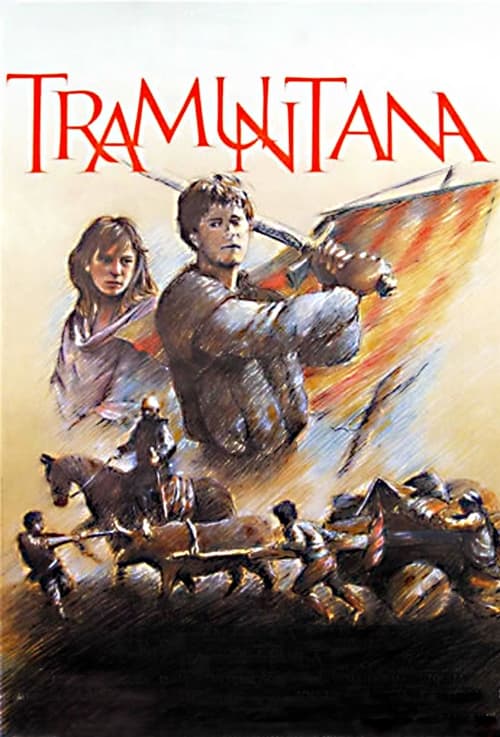
In the 13th century, desolation and misery lead the inhabitants of a village in the Pyrenees to emigrate to Burriana, in Valencia, a region considered to be the Promised Land. During the journey, love, hatred and suffering will jeopardize their arrival at their longed-for destination. At the same time, they will be involved in the war waged by King James I to reconquer these lands held by the Muslims. Reaching the end of the journey will be an odyssey.
Tramuntana
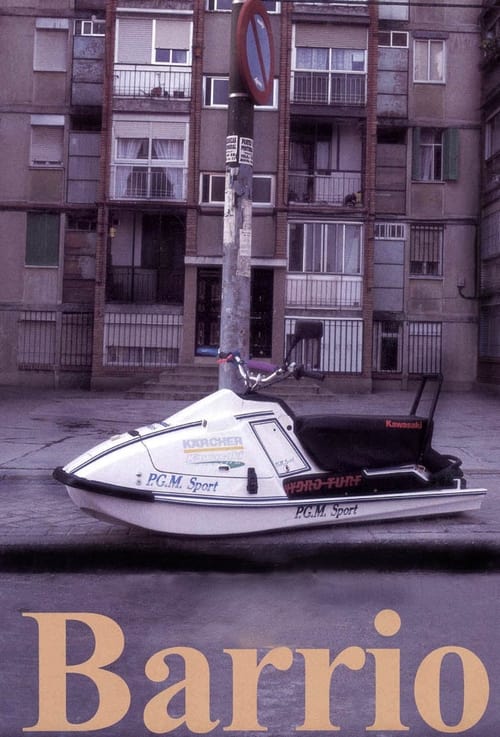
Bored 15-year-old school chums Rai Manu and Javi dream of sexual adventures and exotic resorts while the well-off population of Madrid flock to the beaches on a summer holiday. The youths hang around the concrete wasteland killing time by reading the sex classifieds and pushing their luck. They masturbate, thieve, fight with their families and get involved in a drug bust. Finally Rai, the most daring and restless of the trio - gets shot while trying to steal stereo gear from a car. Each adolescent faces a dreary home life but when they get together they enjoy each other's company to the full. The film is an engaging mixture of comedy drama and the pathos of life in a Madrid neighborhood.
Barrio
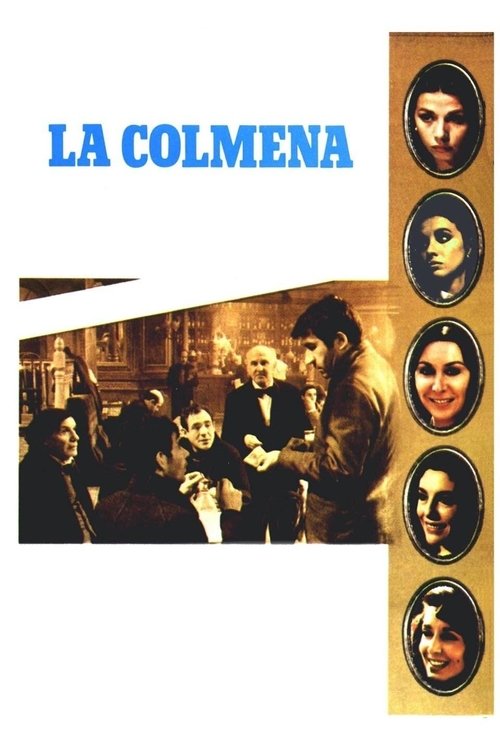
As in the novel of the same title from Camilo Jose Cela, "La Colmena" is a sad composition with the stories of many people in the Madrid of 1942, just the postwar of the spanish civil war. The main theme of the film is the contrast between the poets, surviving close to misery under the Franco's regime, and the winners of the war, the emerging class of the people that makes easy money with illegal business.
The Beehive

A group of homosexual friends tries to set up a gay club in a town in Andalusia, meeting the opposition of the chief who will use all his resources to try to prevent it.
Gay Club

A man and a woman hitch a ride in the dark and swap their sad tales of failed relationships.
Emanuelle - A Woman from a Hot Country
No description available.
El Obispo Leproso
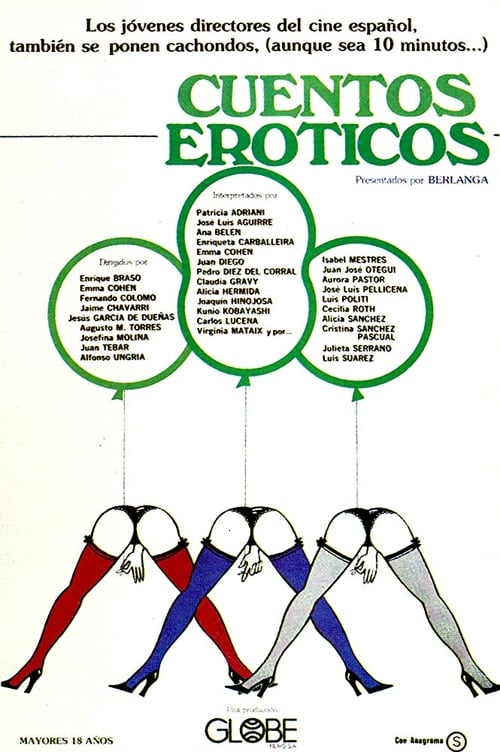
A set of nine stories whose central theme is eroticism. The different directors of the film deal from philosophical aspects to others that are almost pornographic, but always with a common denominator: sensuality.
Erotic Stories

Julia, an only child of an affluent, bank owning family living in Madrid, escapes from her family to get over her grief that her boyfriend has been imprisoned. Julia is a well educated woman, having studied in Switzerland and England, who wants to become a writer. Julia drives to a little village in Asturias called "Corralbos del Sella" and there she stays in a mansion "llendelabarca" of an old childhood friend "Pilara" she had spent many a happy summer with. Also living there is Pilara's mother in law Tia Gala, and her grandson Juanito. Julia's relationship with caretakers, teacher and priest makes Julia, a woman of the spanish capital, perhaps for the first time to not feel so alone.
You're the One
It is a surrealist comedy where reality and fantasy are mixed, it tells in a humorous tone the daily life and dreams of a 40-year-old film buff, played by Emilio Gutiérrez Caba.
No sé bailar
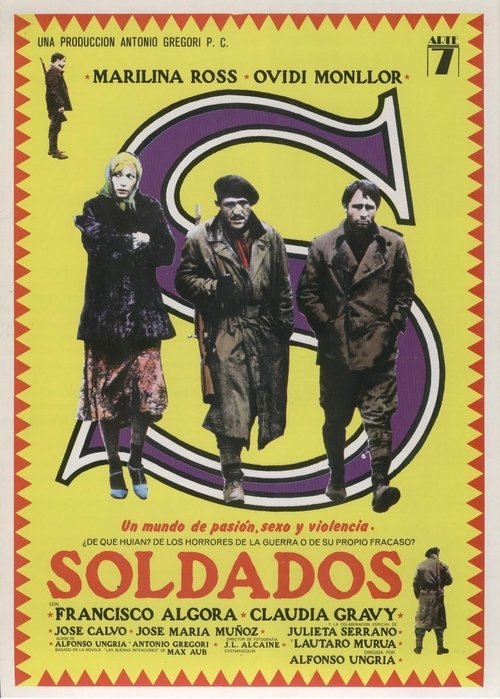
Dramatic portrait of men and women discouraged in the midst of the Spanish Civil War, after the odyssey of a group of Republican soldiers trying to reach the east coast to go into exile. Agustín must bear that his libertine father lives with the ironer Remedios, although she does not love him. She escapes and he goes to war; when they finally meet again, anxious amid bursts, it will be impossible to consummate their desires repressed for so long.
Soldados

This movie doesn't have any coherent plot. It's the portrait of the lives of different people in the hard years of post-war in Spain (the 40's), and how they manage to survive in a country desolated by the war. Like other films: La colmena or Roma (Fellini) it shows us lots of characters and some moments of their lives.
Merry-Go-Round c. 1950
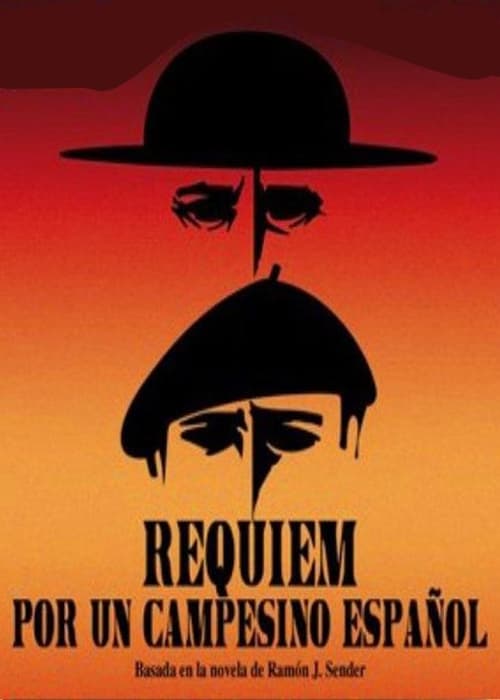
Hypocrisy and betrayal are the two dramatic pivots in this effective, emotionally gripping tragedy about the life and death of Paco (Antonio Banderas), a Spanish peasant who had been fighting against the feudal landowning system that kept farmers impoverished. Paco's life is told in flashbacks by a priest (Antonio Ferrandis) who is seen officiating at an anniversary mass attended by three wealthy landowners and no one else. The priest recalls Paco's baptism, his communion, his marriage ceremony and then his work for the peasants as he advocated and led them in a land-reform movement. The rest of the story will rest heavy on the priest's conscience, as he looks out at his empty church.