Acting
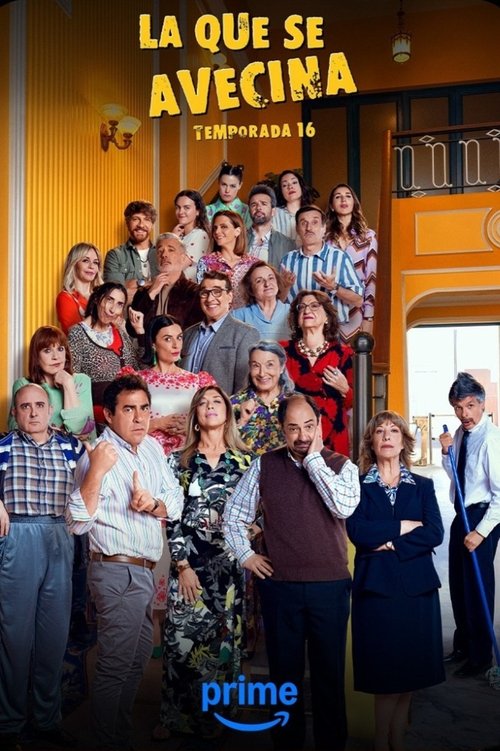
La que se avecina is a Spanish television comedy created by Alberto Caballero, Laura Caballero and Daniel Deorador. The TV-series focusing around the inhabitants of Mirador de Montepinar, a fictional building located on the outskirts of a big city. Both its storylines and cast are heavily based on Aquí no hay quien viva, which ended when Telecinco bought Miramón Mendi, the series production company. The episodes debuted on the Telecinco network, and were later rerun by the same network as well as cable/satellite channels FactoríaDeFicción and Paramount Comedy. The series debuted in 22 April 2007 and became popular thanks to its funny characters, witty script, use of catchphrases and capacity to integrate and poke fun at contemporary issues; the program presents a caustic satire of many of the 'types' found in Spanish society. The name of the show involves wordplay, as "vecina" is the Spanish word for neighbour.
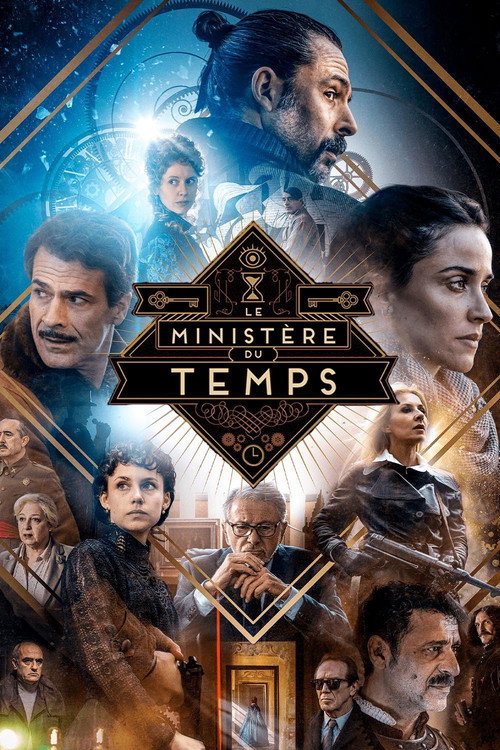
A soldier from the 15th century, a university student from the 19th century and a nurse from the present join the secret 'Department of Time', a secret department within the Spanish government with the ability to travel through time. Their mission is prevent changes in history.
No description available.
A group of patients meet at a prestigious psychologist's office. Apart from the day and time of the appointment, something else unites them all: all six suffer from OCD. But the plane bringing the doctor is unexpectedly delayed, which forces them to spend an endless wait until the doctor shows up. Will they be able to keep their manias, impulses, convulsions, obsessions and rituals at bay during the wait?
Comedy set in 1977, in which a renowned playwright (Alberto San Juan) tries to shoot a social protest drama starring a doldrums folk, former child star (Natalie Poza) and produced by a producer and shameless liar (Miguel Rellán). Inexperience, ambition, lack of means and the love-hate relationship with the star director shooting become a craze.
Just Santos, cabaret actor with a talent for imitation, receives the offer of a role in a movie that could change his life and his family.
A pack of werewolves known as the Hell Hounds wage a shadow war against a fanatical order of werewolf hunters called the Silver Bullets. The Hounds and the Bullets now roam the country appearing to the outside world as rival biker gangs.
In late September, Iñigo comes to Madrid to study psychology and stays at the home of his sister Esther, who lives with a porn story writer called Gabriel and that is not going through its best. The three start a relationships sneaking, but neither will find it easy to tell if it's a simple adventure or if they are living a love story.
Since he began to work, Domingo lives against the trend: he sleeps during the day, care for her younger sister in the afternoon and at night vacuums in a department store.
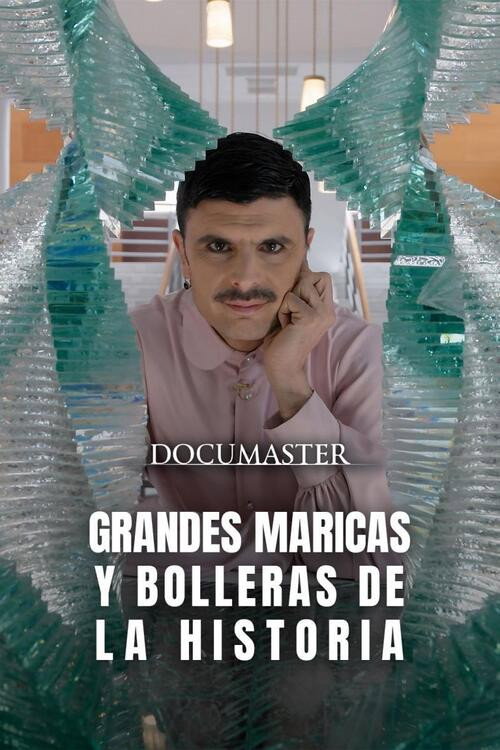
Rodrigo Cuevas serves as a guide in this museum of history's great gay and lesbian figures. Over the course of 90 minutes, the program approaches 16 historical figures from a queer perspective. Guests such as Bob Pop, Laura del Val, Valeria Vegas, Ángel Ruiz, María Peláe, and Ramón Martínez contribute their knowledge and viewpoints to highlight the sexual diversity—which history has hidden—of figures as diverse as Queen Christina of Sweden, Marlene Dietrich, Miguel de Molina, Chavela Vargas, Hans Christian Andersen, Jacinto Benavente, Leonardo Da Vinci, and Lili Elbe. Irony, humor, and an accessible, modern language are the defining features of an educational and original historical narrative. It is based on solid documentation and uses AI-generated images to recreate passages from the lives of these historical figures.