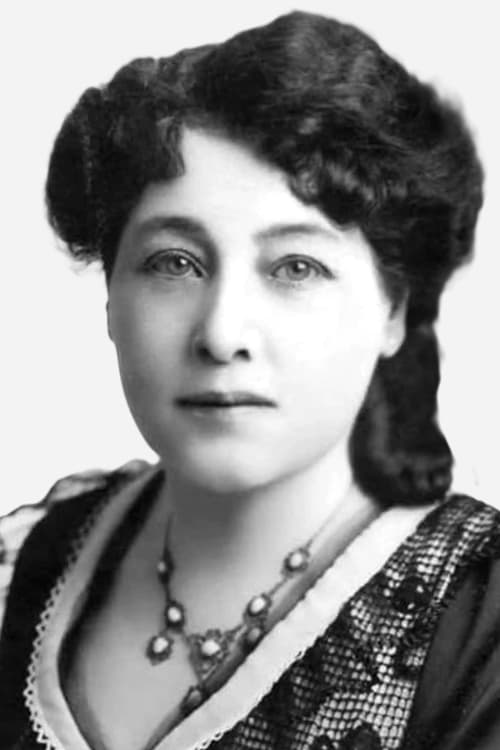
Alice Guy-Blaché
Directing
Biography
Alice Guy-Blaché (July 1, 1873 – March 24, 1968) is generally considered to be the world's first female director. French-born Alice Guy entered the film business as a secretary at Gaumont-Paris in 1896. The next year Gaumont changed from manufacturing cameras to producing movies, and Guy became one of its first film directors. She impressed the company so much with the output (she averaged two two-reelers a week) and quality of her productions that by 1905 she was made the company's production director, supervising the company's other directors. In 1907 she married Herbert Blaché, an Englishman who ran the company's British and German offices. The pair soon went to the U.S. to set up the company's operations there. In 1910 she set up her own production company in New York and built a studio in Fort Lee, New Jersey. After a period of critical and financial success, her company's fortunes declined and she eventually shut down the studio. Although she secured work directing films for several major Hollywood studios, she returned to France in 1922 after her divorce from Blache. She was never able to secure any directorial jobs there, and never made a film again. In 1964 she returned to the U.S. and lived in Mahwah, New Jersey - not far from where her original studios were - with her daughters, where she died in 1968.
Known For
No description available.
Cinépanorama
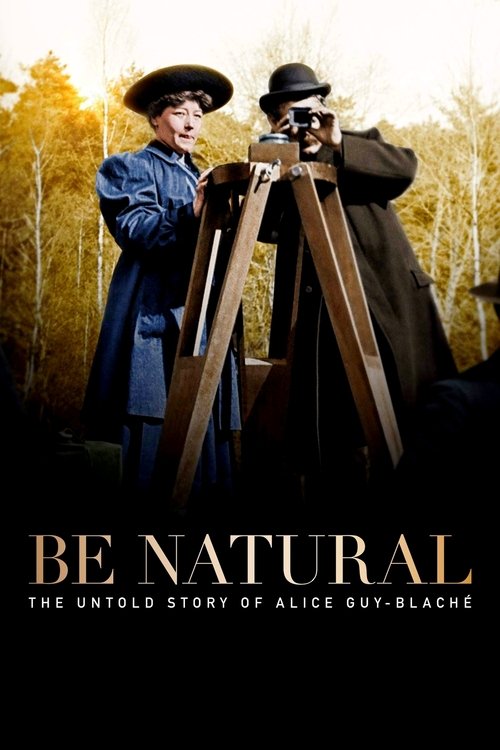
The epic life story of Alice Guy-Blaché (1873–1968), a French screenwriter, director and producer, true pioneer of cinema, the first person who made a narrative fiction film; author of hundreds of movies, but banished from history books. Ignored and forgotten. At last remembered.
Be Natural: The Untold Story of Alice Guy-Blaché
No description available.
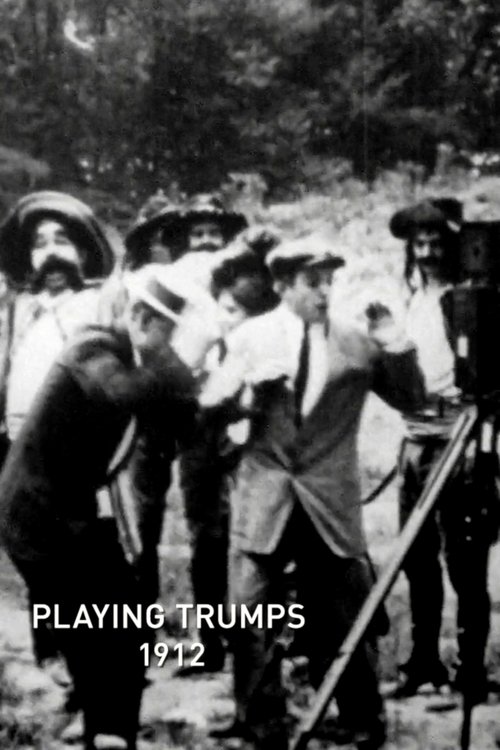
Playing Trumps
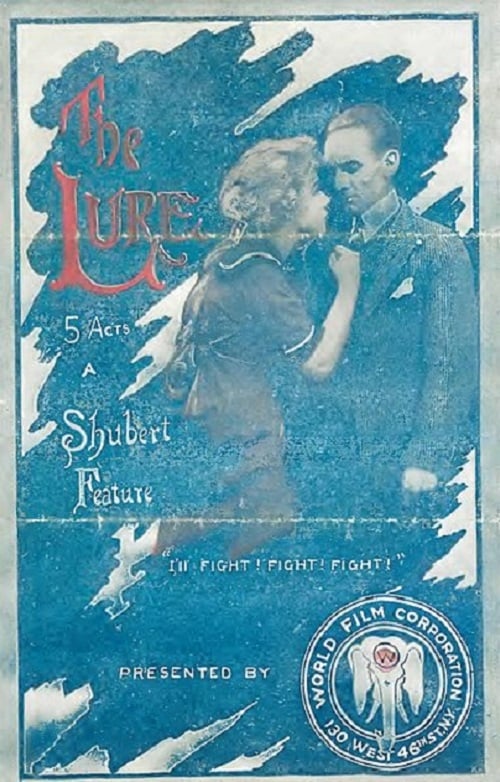
Charlotte Baker is drugged and taken to a brothel by Paul, her fiance, who in reality is a pimp. To find her, Charlotte's family contacts the celebrated detective Bob Macauley.
The Lure
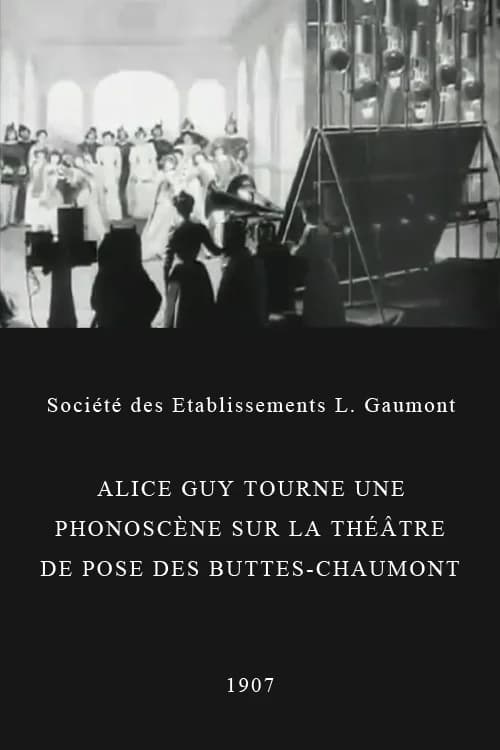
Behind-the-scenes footage showing Alice Guy directing an early sound film.
Alice Guy Films a 'Phonoscène' in the Studio at Buttes-Chaumont, Paris
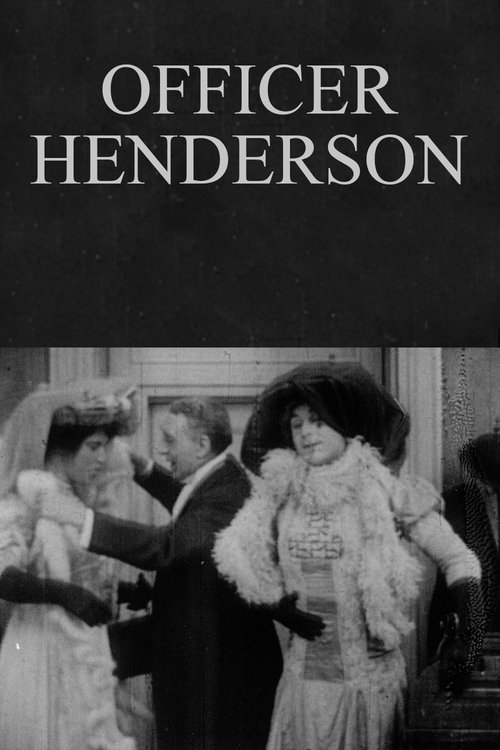
Two policemen are required to dress as women to catch pickpockets.
Officer Henderson

Impressionism and expression of a view, Mavy uses fragments of the ocean landscapes of Alice Guy's studies through fluctuations of bright nuances and an imitation of these tormented waves in the eyes of a modern camera
Imitation of Waves - Guy's Visions
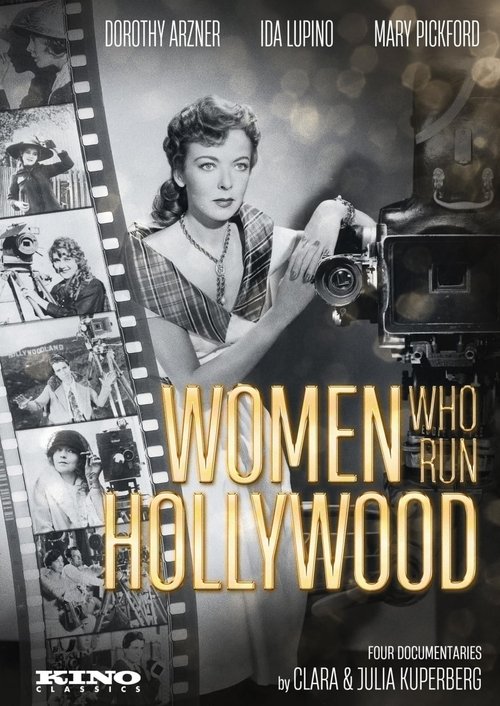
The first talkie was directed by Alice Guy, the first color film was produced by Lois Weber, who directed more than 300 films over 10 years. Frances Marion wrote screenplays for the Hollywood Star Mary Pickford and won two Oscars, Dorothy Arzner was the most powerful film director in Hollywood. And what do all of them have in common? They are all women and they have all been forgotten. Incredibly, it also took until 2010 for the first woman, Kathryn Bigelow, to win the Oscar for Best Director. Even if underrepresented women have always played a big part in Hollywood and it is this part of the film history left untold that this documentary sets out to uncover.
The Women Who Run Hollywood
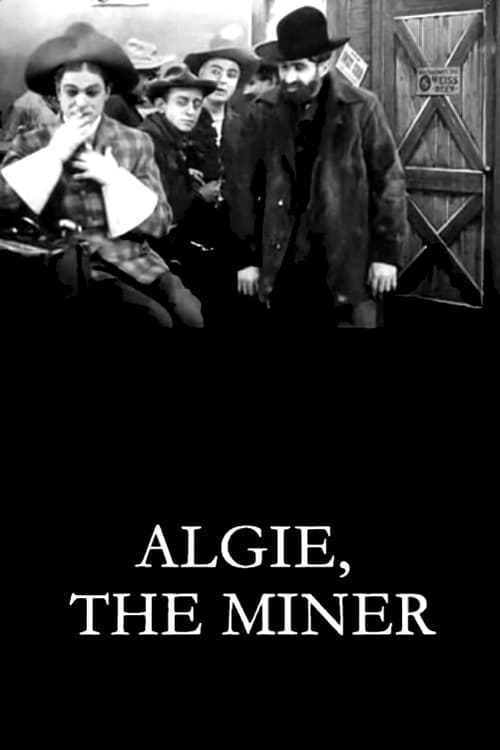
When Algie Allmore asks to marry Clarice, the young woman's father gives him one year to prove that he's a man.
Algie, the Miner
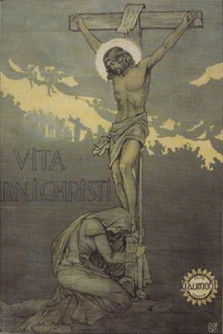
The stations of Christ's life are segmented into a series of performative tableaux.
The Birth, the Life and the Death of Christ
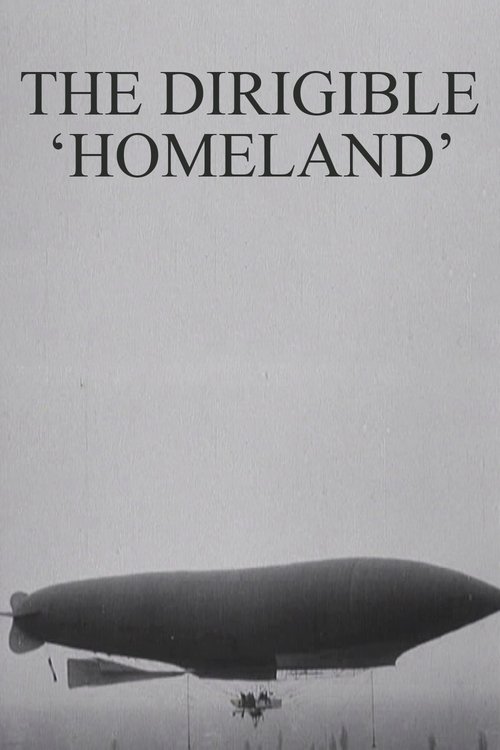
A short film about a dirigible.
The Dirigible 'Homeland'
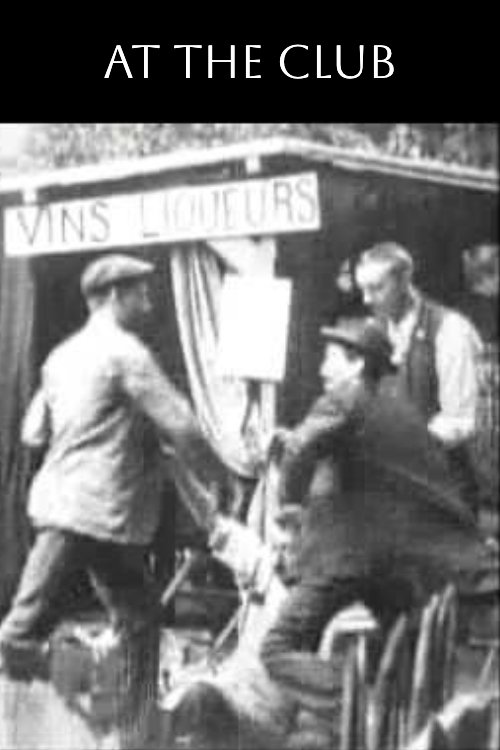
Some men get into hijinks at a sidewalk cafe. There is no known credited director for this film, although the attribution usually goes for Alice Guy.
At the Club
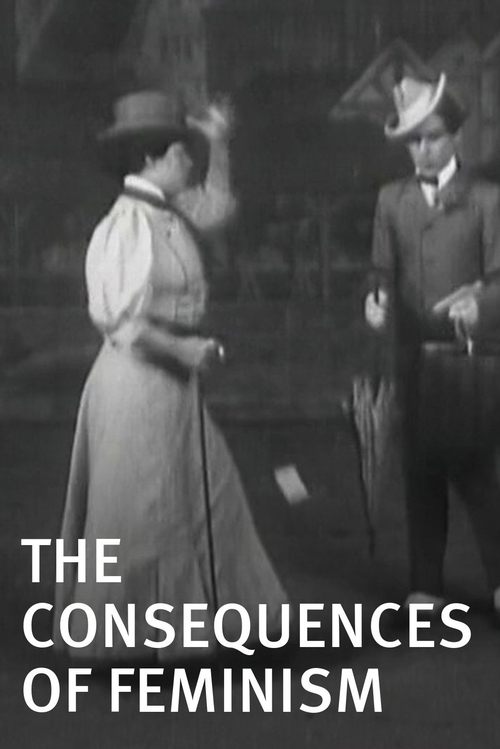
It's a society in which gender roles are switched. Will men stand to be unequal?
The Consequences of Feminism
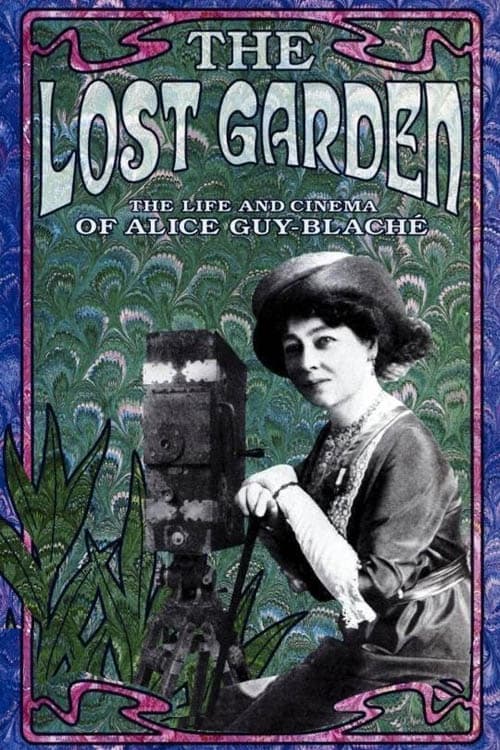
A biodoc about the first female filmmaker and her relative disappearance from the history of cinema after directing, producing, and writing more than 700 films.
The Lost Garden: The Life and Cinema of Alice Guy-Blaché

A brief fantasy tale involving a strange fairy who can produce and deliver babies coming out of cabbages. Note: This is a LOST film; the existing film of the same name is the remake from 1900.
The Cabbage-Patch Fairy
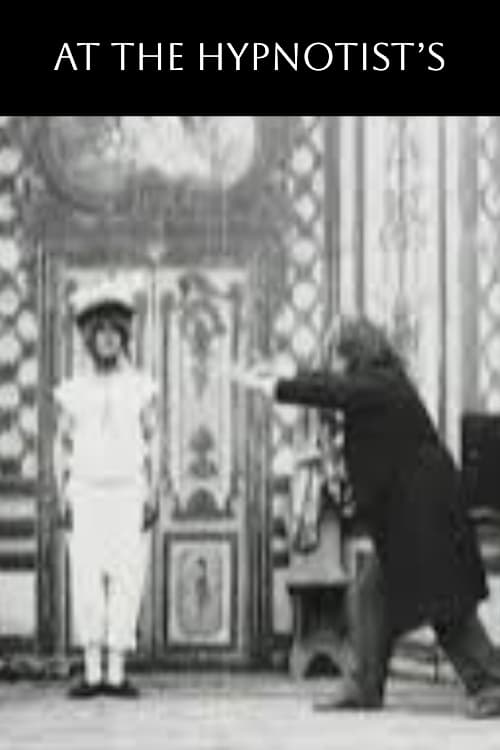
A hypnotist tricks his patients. There is no credited director for this film, although three different persons get attributed, Gaston Breteau, Alice Guy or Georges Hatot.
At the Hypnotist's
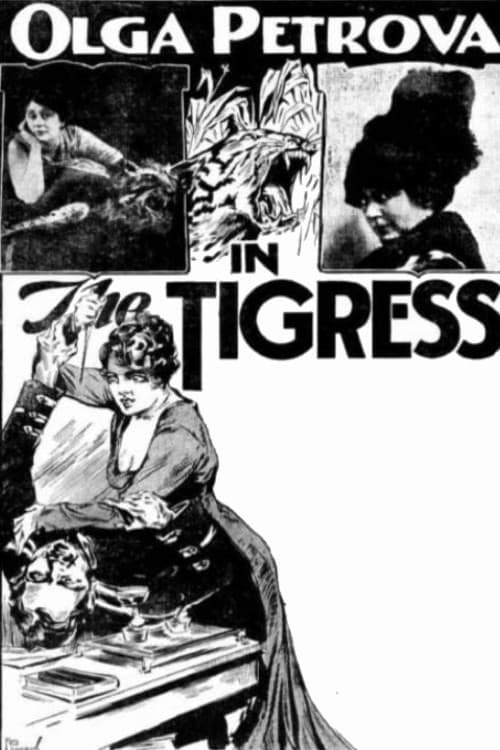
Heroine Stella is not a "tigress" at all, but instead a loving wife and mother. All this changes when the despotic and rapacious Governor of Euturia, whose sexual overtures have been spurned by Stella, orders that her husband be executed and her child kidnapped.
The Tigress
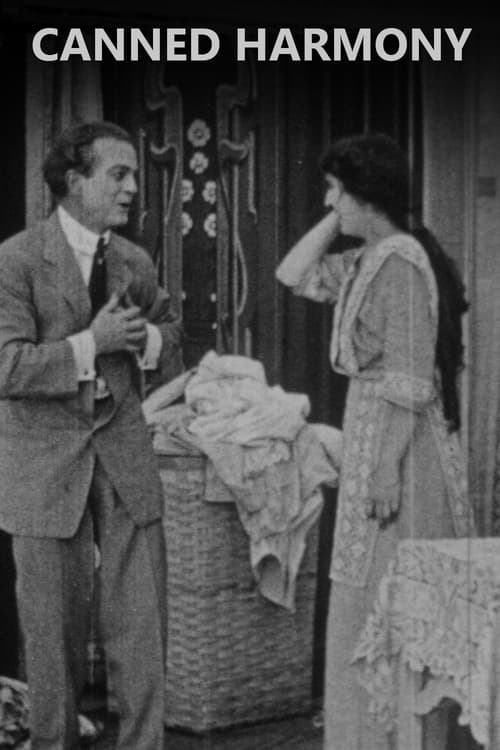
The Professor will not allow his daughter to marry a non-musician, but Billy, her would-be suitor, cannot play a single note. When he is about to give up, Billy’s roommate suggests bluffing his way into the Professor’s favor with the aid of a suitably musical disguise and a well-hidden phonograph player.
Canned Harmony
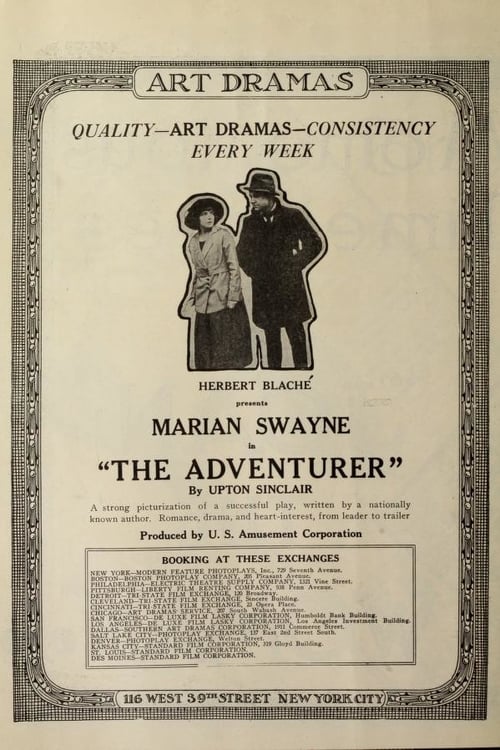
A young girl is trying to live an honest life in a crooked city. Caught up with a crook that might be the son of a millionaire and other crooked people, she must attempt to reform things, or at least one person.
The Adventurer
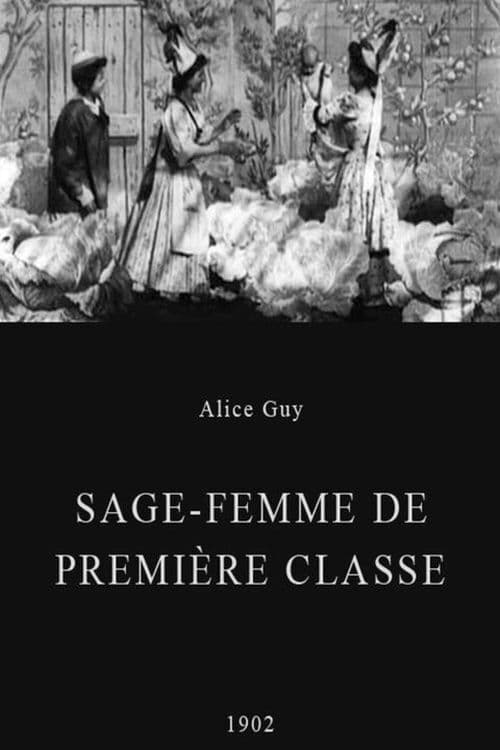
A wonderful midwife helps a rich couple pick out a baby from her cabbage patch.