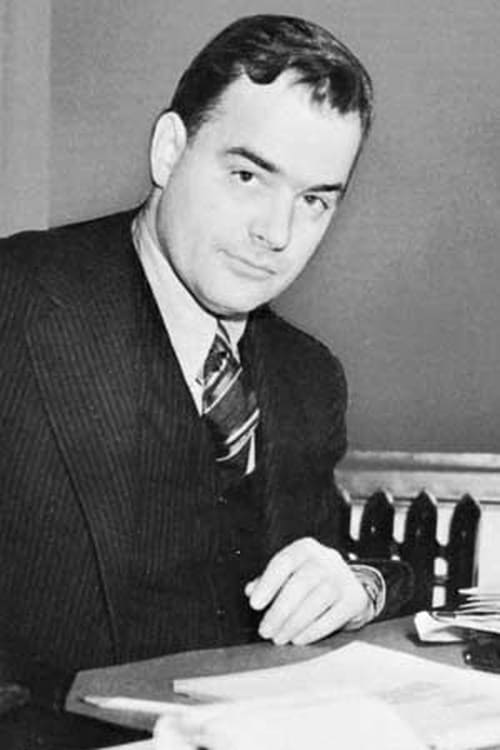
Pare Lorentz
Directing
Biography
Pare Lorentz (December 11, 1905 – March 4, 1992) was an American filmmaker known for his film work about the New Deal. Born Leonard MacTaggart Lorentz in Clarksburg, West Virginia he was educated at Buckhannon High School, West Virginia Wesleyan College, and West Virginia University. As a young film critic in both New York City and Hollywood, Lorentz spoke out against censorship in the film industry. As the most influential documentary filmmaker of the Great Depression, Lorentz was the leading American advocate for government-sponsored documentary films. His service as a filmmaker for the U.S. Army Air Corps during World War II was formidable, including technical films, documentation of bombing raids, and synthesizing raw footage of Nazi atrocities for an educational film on the Nuremberg Trials. Nonetheless, Lorentz perennially will be known best as "FDR′s filmmaker."
Known For
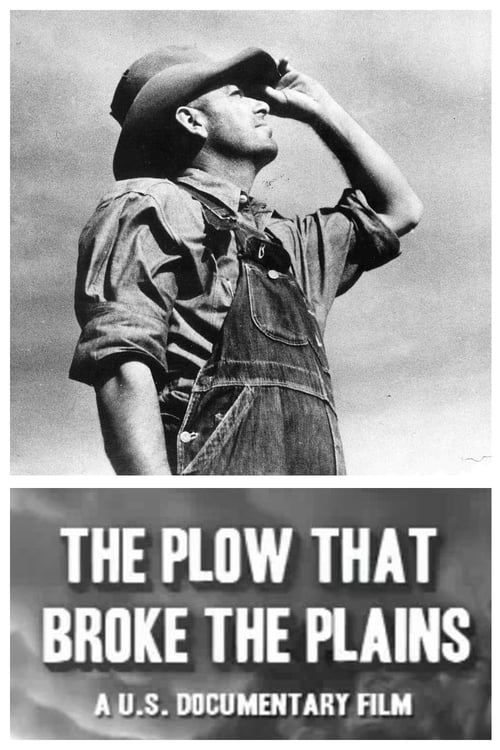
A documentary about what happened to the Great Plains of the United States and Canada when uncontrolled farming destroyed the soil and led to the Dust Bowl.
The Plow That Broke the Plains
The Fight for Life was documentary filmmaker Pare Lorentz' first "dramatic" film, utilizing the talents of several top New York stage actors. A tribute to the Chicago Maternity Center and its efforts to provide the best possible care for destitute mothers, the film is based on the book of the same name by Paul de Kruif. Myron McCormick plays the largest role as a dedicated intern, while others in the cast include such theatrical heavywrights as Will Geer, Dudley Digges and Dorothy Adams. The film's many vignettes range from the tragic (a mother dying in childbirth in the opening scene) to the exultant (another mother rescued from the brink of death in a disease-ridden tenement). Filmed in Chicago, Detroit and Cleveland, Fight for Life is a worthwhile effort, though Lorentz seems more comfortable with the "actuality" scenes than with the dramatized passages.
The Fight for Life
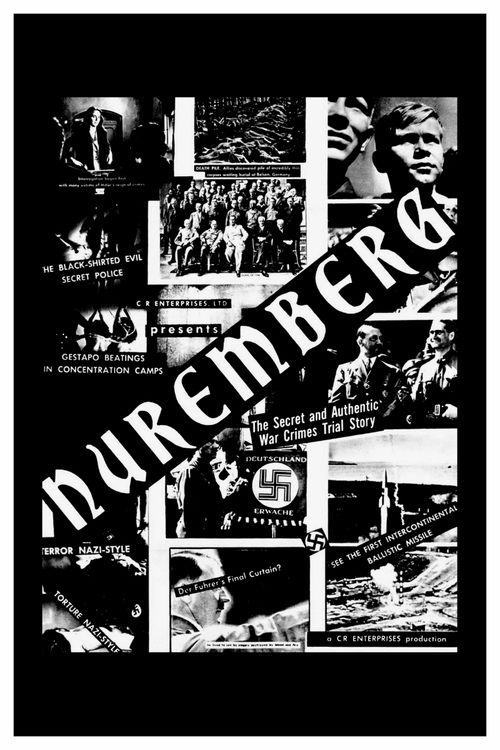
How, in November 1945, after the end of the World War II and the fall of the Third Reich, the international prosecutors participating in the first Nuremberg trial —formally, the International Military Tribunal— built their case against the top Nazi war criminals using the films and records produced by the own regime, obsessed with documenting everything in its long path of infamy and crime.
Nuremberg: Its Lesson for Today
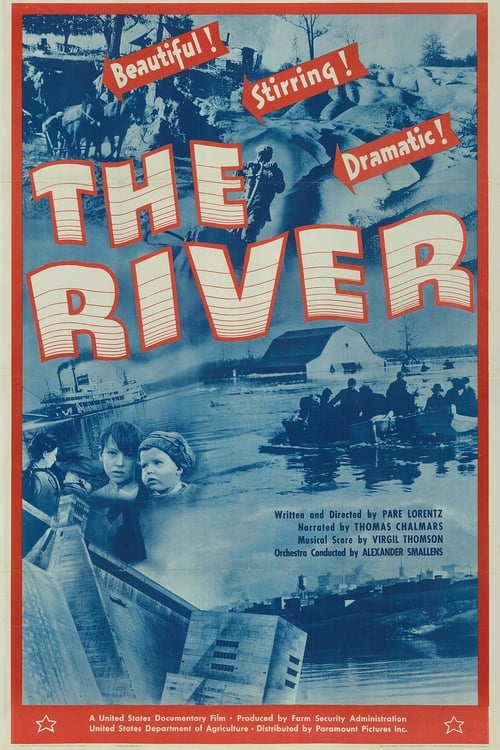
This short Depression-era documentary describes the importance of the Mississippi River to the United States and laments the environmental destruction committed in the name of progress, particularly farming and timber practices and their impact on impoverished farmers.
The River
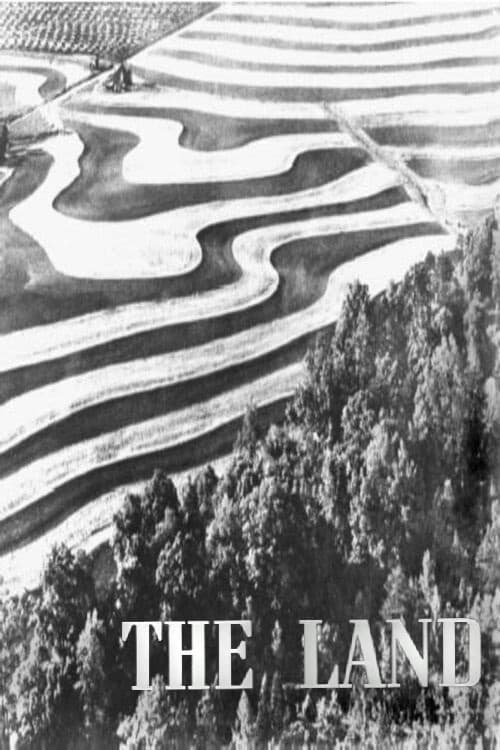
Documentary showing the poor state that American agriculture had fallen into during the Great Depression.
The Land
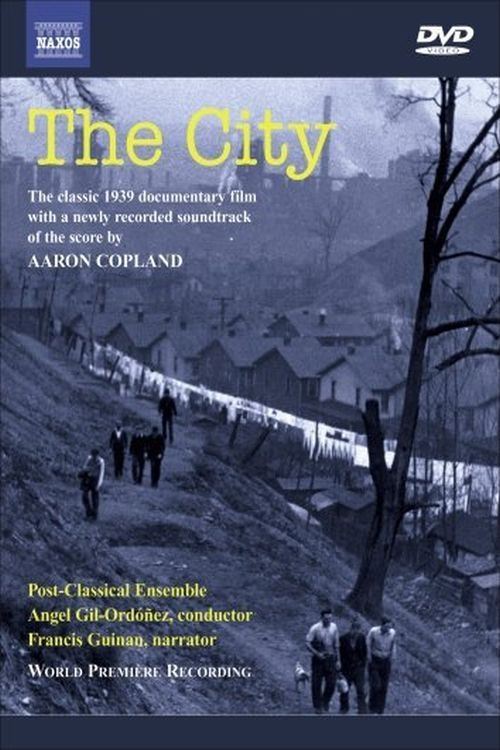
A prescient documentary about city planning, which presents idyllic suburbs and nuclear families as a solution to the chaos, poverty and social decay of industrialized inner cities.
The City
Using over an hour of new, never-before-seen material, combined with footage from 1946, producers David Abravanel Stein and Patrick S. Cunningham have brought to life the sixty-year-old vision of legendary filmmaker Pare Lorentz.
Nuremberg: The 60th Anniversary Director's Cut
A documentary that follows the development of a poultry farmers' co-op in 1940s Rockingham Country, USA. The film showcases the shared investment in abattoirs, cold-storage and marketing, and explains the finances that make co-ops viable.