Manole Marcus
Directing
Biography
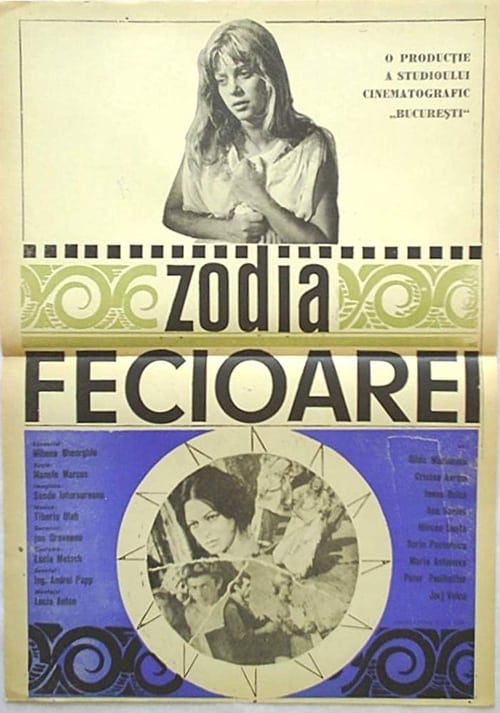
Manole Marcus (8 January 1928 – 12 October 1994) was a Romanian film director and screenwriter. Many of the actors who starred in his films won awards for their performances. In 1955 he graduated from the I.L. Caragiale Institute of Theatre and Film Arts (IATC). He made his directing debut with the short film La mere [ro] (1953), directed together with Iulian Mihu. The 1950s was a difficult period for Romanian film, as filmmakers had to give up most of the "conquests" in terms of cinematic language obtained before the end of World War II. Culture was then subjected to a pseudo-artistic socialist realism, which called for works with excessively politicized topics. In this climate, Marcus made a number of comedy films of lesser value, such as such as I do Not Want to Get Married (1960) and The District of Joy (1964). Towards the second half of the 1960s, the director adopted a more serious tone. His talent as a director started to be appreciated and recognized after the dramatic tone of the movies Virgo (1966), The Canary and the Blizzard [ro] (1969), and The Power and the Truth [ro] (1972). The 1969 movie, which talks about the price of freedom of political underground mission, pursued by the authorities, and whose soundtrack is between the Phoenix band's tracks, was banned in the early 1970s. The climax of his artistic career came at a time when it was hard to tell the truth easily, as freedom of expression was restricted (see Censorship in Communist Romania). In the 1970s, Marcus made two films which were greatly appreciated by the public and by critics: The Actor and the Savages (1974) and Operation Monster [ro] (1976), a drama and a comedy which sometimes fail to convey emotions through subliminal messages powerful, to make characters.
Known For

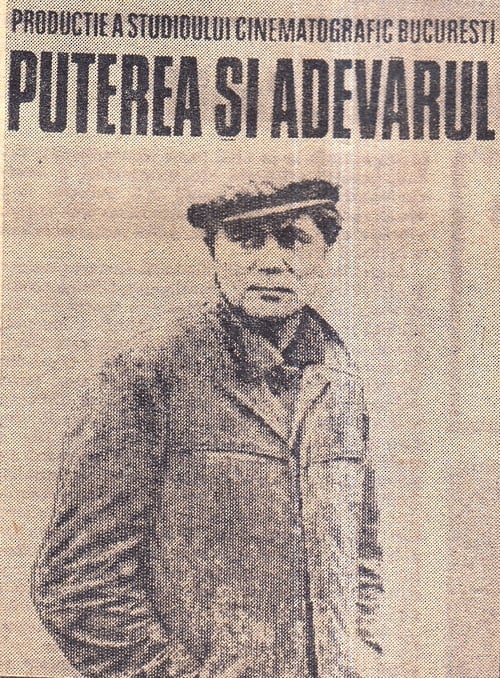
This is a communist propaganda movie that follows the life of an engineer who is in conflict with power hungry apparatchiks.
The Power and The Truth

At Bucharest’s famous revue theater “Vox,” director Costică Caratase prepares a bold anti-fascist show despite growing threats from the Iron Guard. As pressure and violence escalate, he and his collaborators face persecution, turning their artistic resistance into an act of courage and sacrifice.
The Actor and the Savages

In the fall, under the sign of Virgo, in a Dobrogea village, the harvest festival is in progress. An amateur troupe is playing a scene with Afrodite, Dionysos and Neptune; but also dome old shamanic dances. Dița and Dionis are preparing for wedding. But the sins of their parents will weigh heavily on them.
Virgo Sign

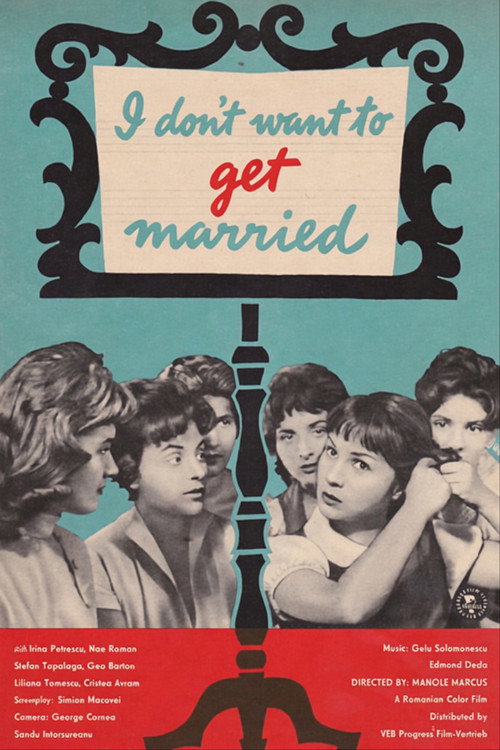
In a textile factory, the cultural supervisor falls in love with a typist. To impress her, he pretends to be friends with a famous composer whose operetta was to be performed by the company's artistic brigade. However, the typist, an uneducated woman, sees him only as a means to become the protected one of an influential person.
I Don't Want to Get Married

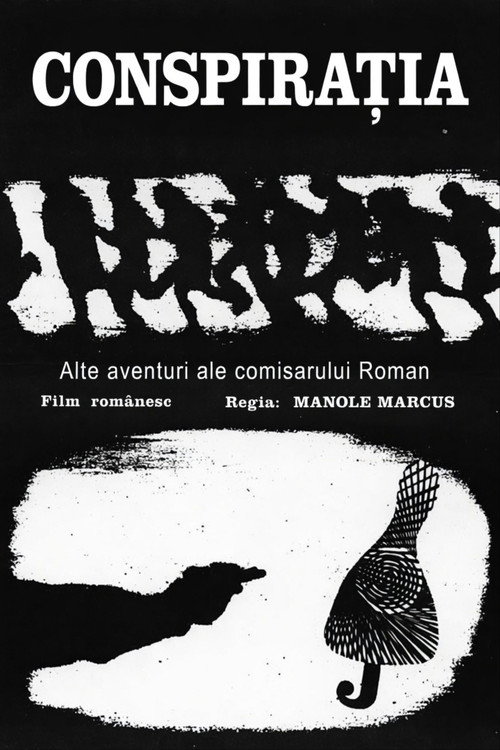
A propaganda movie about the confrontation between the communists and secret police, legionaires in Romania.
The Conspiracy

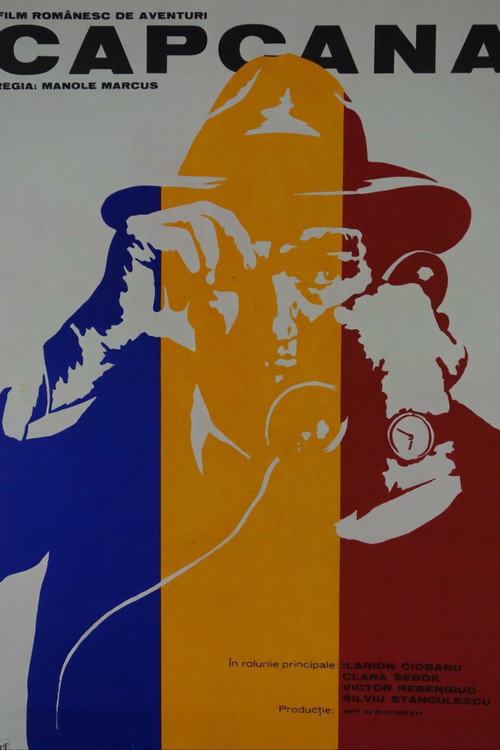
After defeating some Iron Guard gangs in Bucharest, those who survived were hiding somewhere in the mountains. Several bloody events took place in one of the smaller villages. In the unequal struggle with criminals entered the former police commissioner who meanwhile became a Major in Romanian Communist Police, Mihai Roman.
The Trap

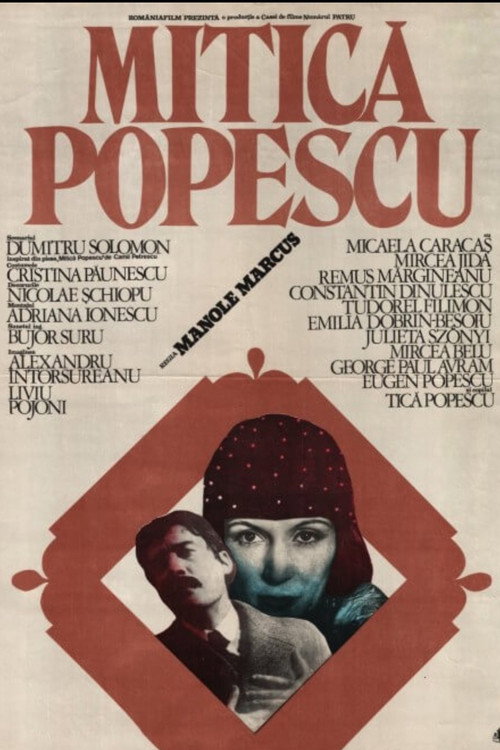
Mitică Popescu is a functionary at a bank and he is secretly in love with the owner. She is in financial trouble though, and she is about to lose the bank and everything she has. Mitică finds a way to help her.
Mitică Popescu

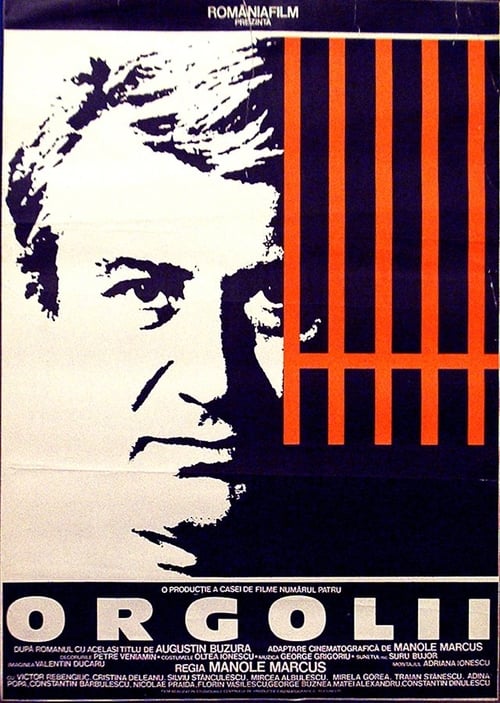
Professor Cristian conducts research on a citostatic. He is still dealing though with the unjust condemning he suffered in the 50s. Some of the people around him try to bring him down with same type of accusations.
Prides

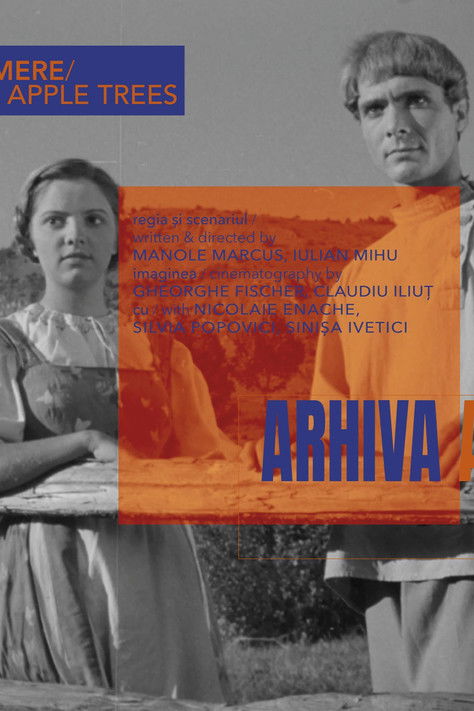
"The Apples" (1955) is the graduation film of two of the most important directors of the following decades, Iulian Mihu and Manole Marcus, and shows a young couple mocked by a nobleman because they had stolen some apples from his estate.
The Apple Trees

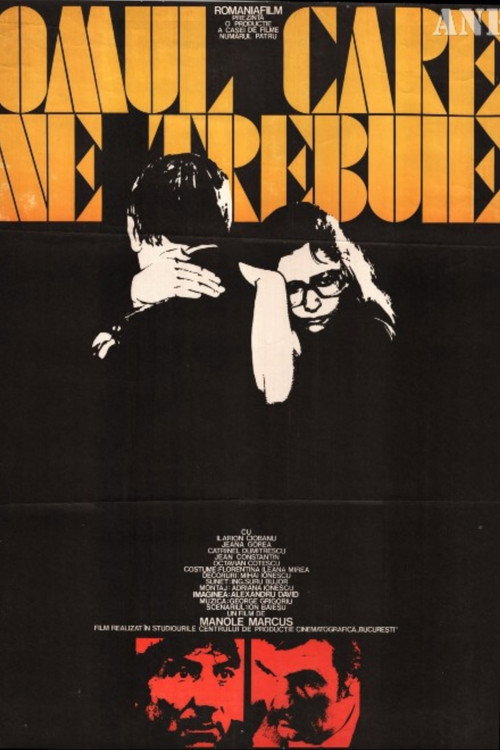
A concrete expert is torn between his family, who wants to settle in a city, and his work, which requires constant relocating.
The Man We Need

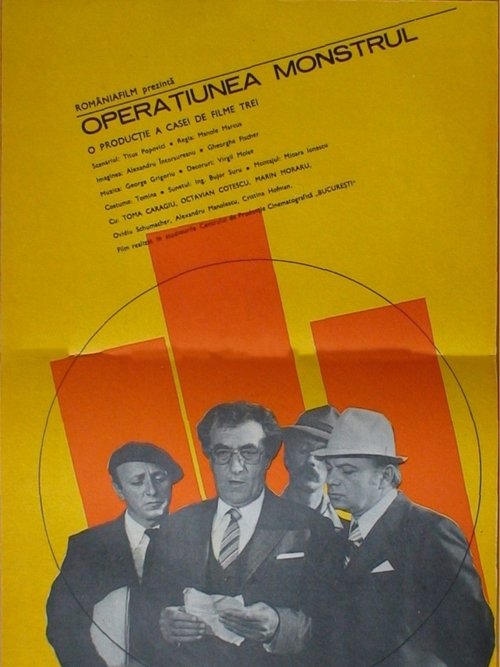
A group of five work colleagues leave for an expedition in the Danube Delta, without letting their wives know anything about it. Going fishing and hunting, the characters end up in the funniest and ridiculous situations.
Operation 'The Monster'

Resistance fighters blow up munitions depots on a Danube port in Romania, and attack an armament supply convoy for the German troupes.
The Dragonfly Bag

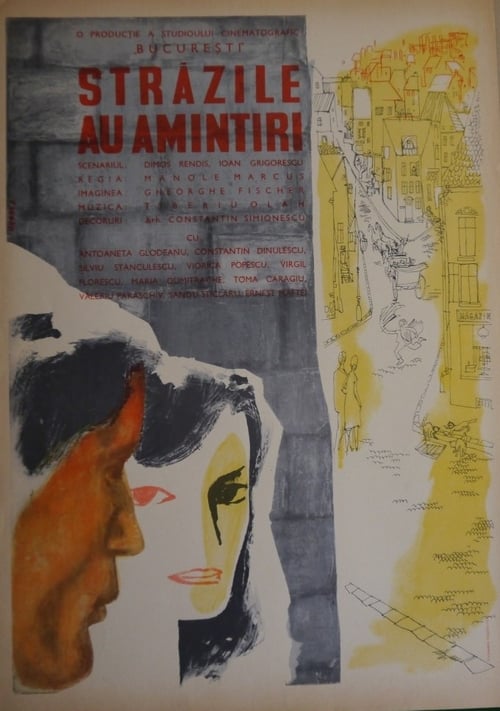
During the Second World War, a writer meets two young people, a girl and a boy, who are doing actions to undermine the fascist regime in power.
Streets Have Memories

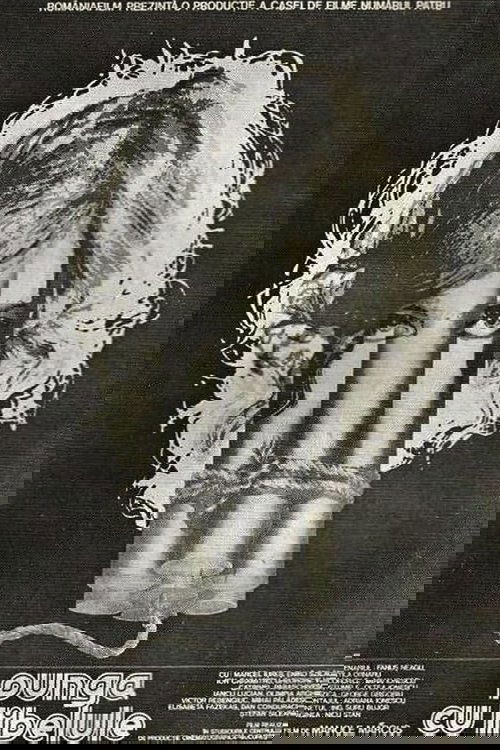
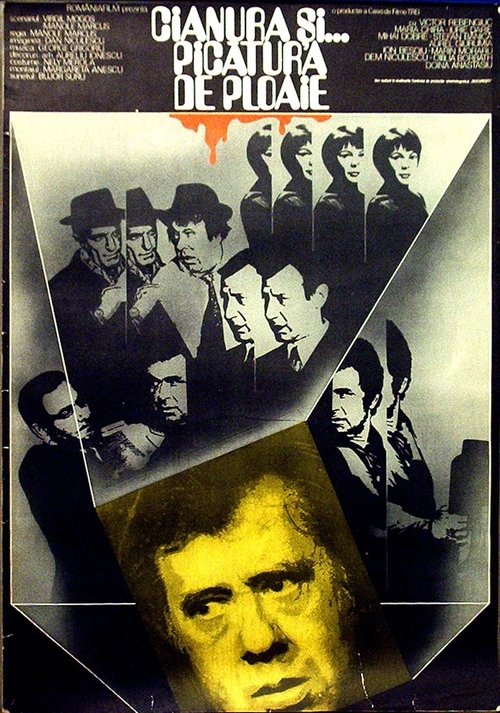
Investigation into the death of a modest cashier.
The Cyanide and the Raindrop
Poland is invaded by Nazi Germany and entrusts the national treasure to Romania. In September 1939, the Romanian government thus took an enormous risk.
Marea sfidare

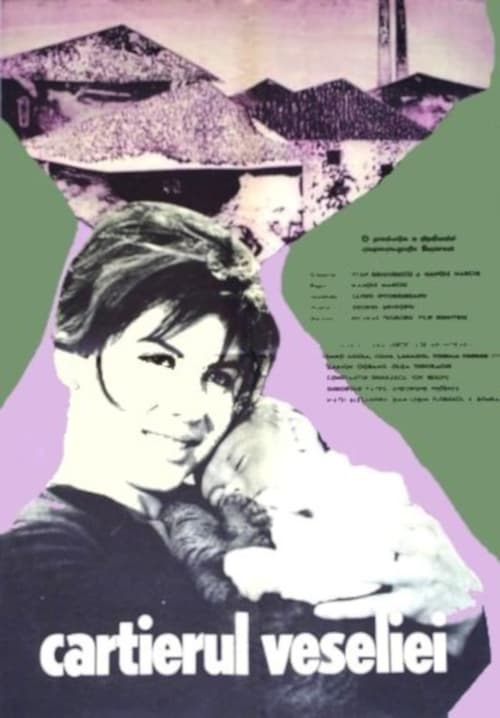
How a worker family living in a worker neighborhood of between wars Bucharest come involved with the communist movement.
Merriment Ward

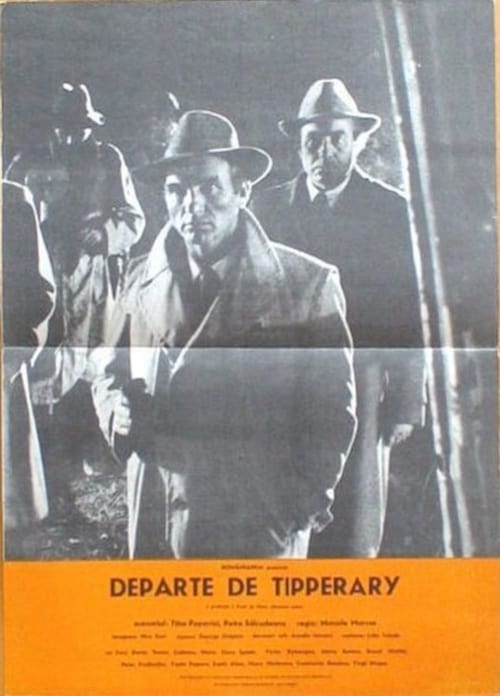
The movie is about the historic moment in which the PNȚ political party has attempted to form a government in exile to counteract the Petru Groza Russian puppet government. Obviously this is seen through the lenses of communist propaganda.
Long Way to Tipperary
An untalented writer attempts to achieve a "lifelike" scenario fail in a dozen policier.
Like in Films

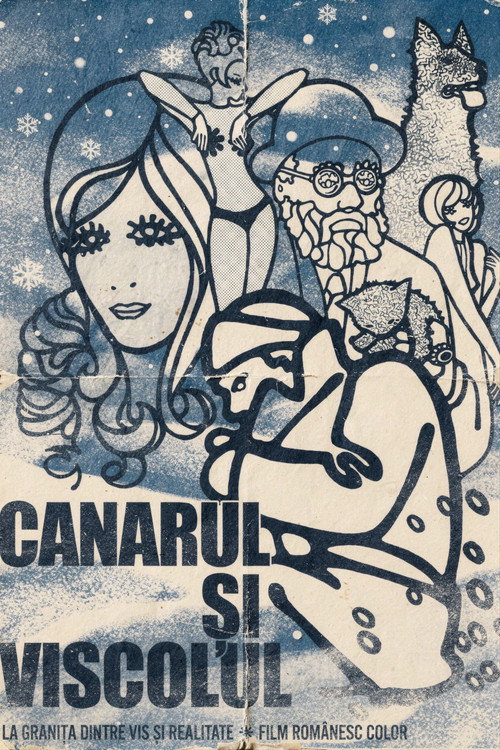
In the winter of 1933, an illegalist (a communist, member of a political party a party outlawed at the time) assumes the mission of a wounded colleague to transmit a secret message.
The Canary and the Blizzard

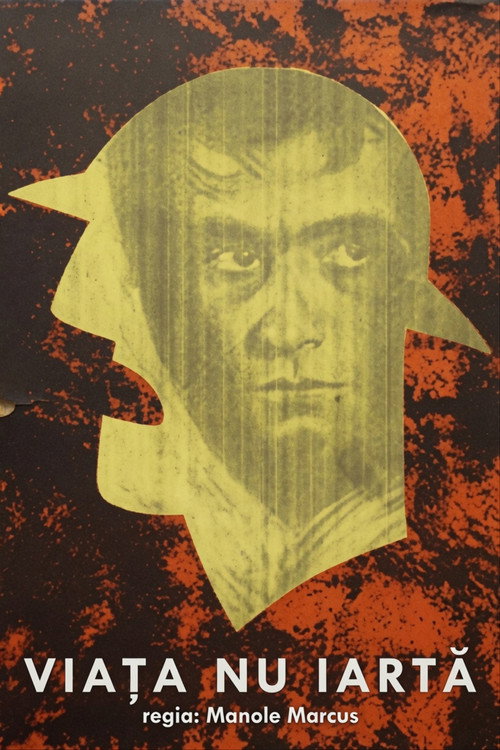
Dying in the trenches during World War II, Stefan looks back at his own life and that of his father. Through his memories, the film presents a story that embraces two generations and various eras. It is a film about the tragedy of lives dragged into conflicts against their will, of lives violently ruined or ended – a story about the devastating consequences of war. Interweaving past and present, the flashback narrative depicts the war as a perpetual situation where the “little people” always turn out to be on the losing side.