Acting
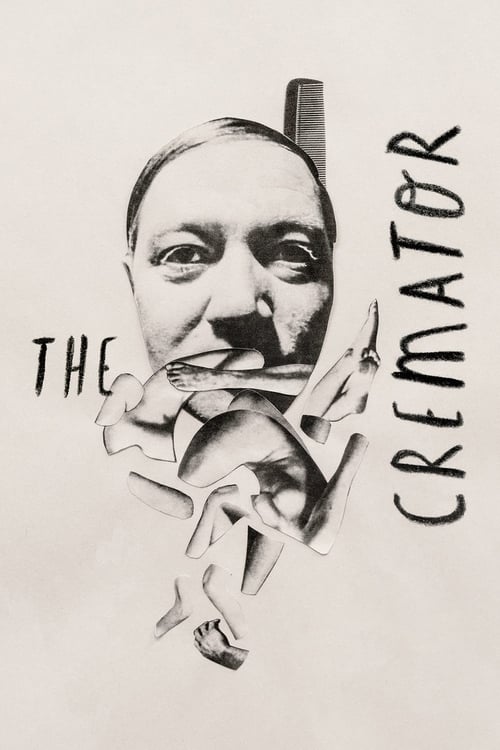
In 1930s Prague, a Czech cremator who firmly believes cremation relieves one from earthly suffering is drawn inexorably to Nazism.
No description available.
Juraj Herz adapts Bohumil Hrabal's story about a man who works in a junk shop.
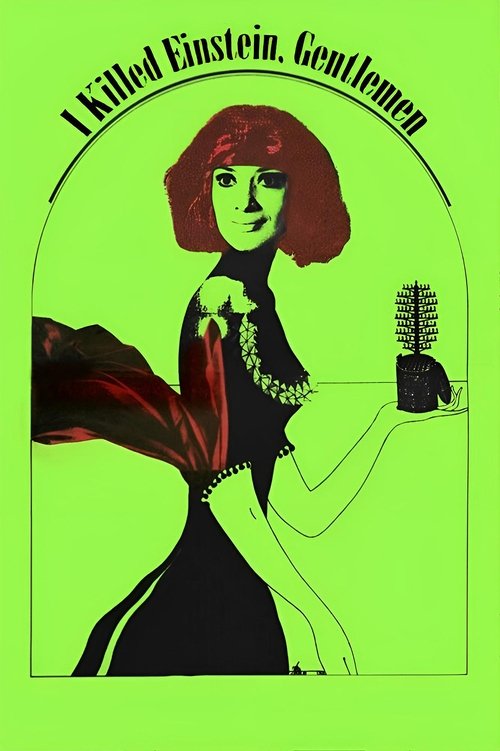
This futuristic science fiction comedy features an atomic bomb blast that causes women to grow beards and lose the ability to have children. A summit meeting is held at the United Nations, with the proposed solution of building a time machine. The decision is made to travel back in time and murder Einstein, with the hopeful result being that without the noted mathematician's research there will be no atomic bombs.
The female employees of the poultry-processing factory find relief from their monotonous work in chatting about weddings and marriages. The very young Zdena (Marta Vancurová), too, dreams about a white veil and an entourage of bridesmaids. On her return home from work, she runs into a peculiar man on an abandoned road who pertinaciously offers to read her palm for a few crowns to buy soup. His augury is rather usual - wealth and poverty, suffering and happiness. Then however, he declares that Zdena must marry exactly on 3 November of that year otherwise she will be unhappy.
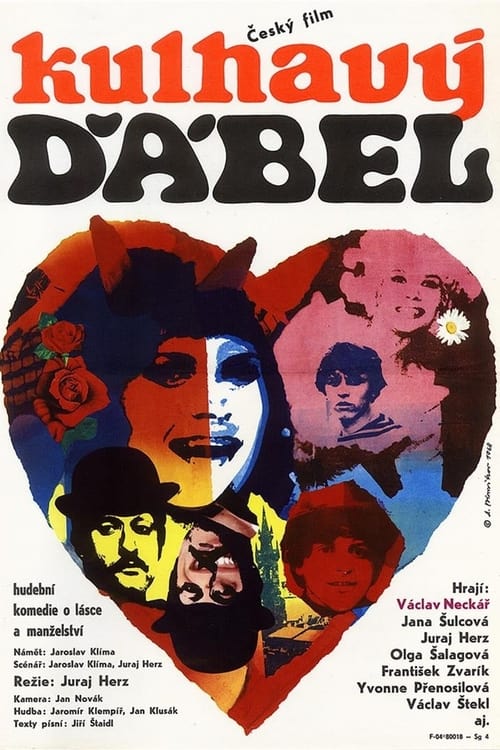
A baleful limping man walks through Prague. He is Asmodeus (Juraj Herz), the fiend of lustfulness, entertaining himself by putting together by magic couples of lovers. He only fails at the swimming pool. Zuzana (Jana Sulcová), the good-looking blonde, ignores the men whom the devil foists off onto her. She loves Honza (Václav Neckár) and the boy shares her feelings. The fiend is annoyed by the couple and tries to provoke a row. He sends heavy rain to force them into a hotel and then warns Zuzana's father by phone, but the young lovers manage to get out in time. Then the obstinate Asmodeus takes Honza in his sleep to the Institute for Emotional Disorders, where he shows him the ugly sides of love - hysteria, voyeurism, fetishism, suicide attempts...
Twelve-year-old Jana returns from the hospital. She notices some changes at home and is worried that her parents are going to divorce. In reality, however, they are expecting another child.
Young script-writer Frantisek (Petr Cepek) is hired to write a film script based on the successful novel Looking Back. He meets with the novel's female author, a University professor and writer named Olga Machová (Jirina Trebická), approximately ten-years-older than him. In the beginning, they do not understand each other at all. Frantisek is a skeptic experiencing a moral crisis, unsatisfied with both his work and his private life - he lives separated from his wife and has no deeper feelings for his numerous lovers. He even gets drunk from time to time and breaks the public peace. Olga is lonesome, too, but considers her life fulfilled.
The owner of a circus decides to swap his trained bears for trained pigs, and fires clown Cibulka. The clown gets a job at a local school, bears escape and seek him out and a school inspector comes into town.
When Dr. Hahn is found murdered in the hospital’s inspection room, investigators question several suspects: his colleague and longtime lover Dr. Marie Nováková (whom he cheated on with nurse Jiřina), the nurse herself, Dr. Petera (whose career he stymied), a senile patient named Zima, and the inept clinic head. As police sift through truthful and deceptive testimonies, complex professional rivalries and personal entanglements among the hospital staff come to light.
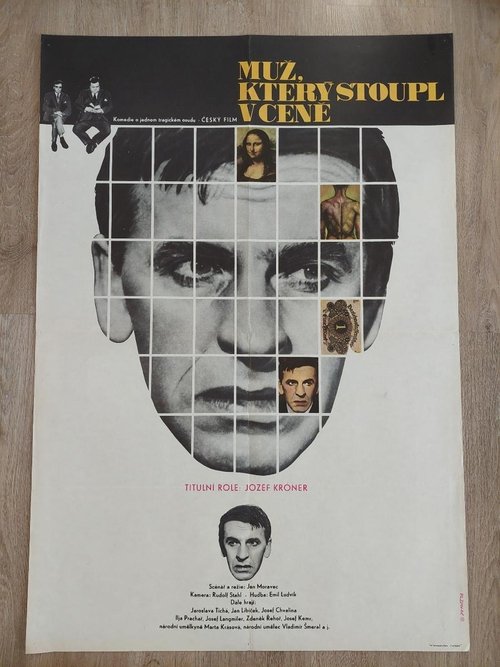
Mr. Benda, a married father of two children, works for a company that liquidates old banknotes. After one drunken party, he is visited by a painter who tattooed his back in drunkenness the previous night. The image tattooed on Benda’s back is considered the painter’s best work by the professionals.
A romantic story of a young nobleman who sees a beautiful girl at the carnival who seems familiar to him. He feels that he saw her in an old castle, where only the old countess and sister live. It is precisely in their salon in the city that she meets the girl again and learns her history
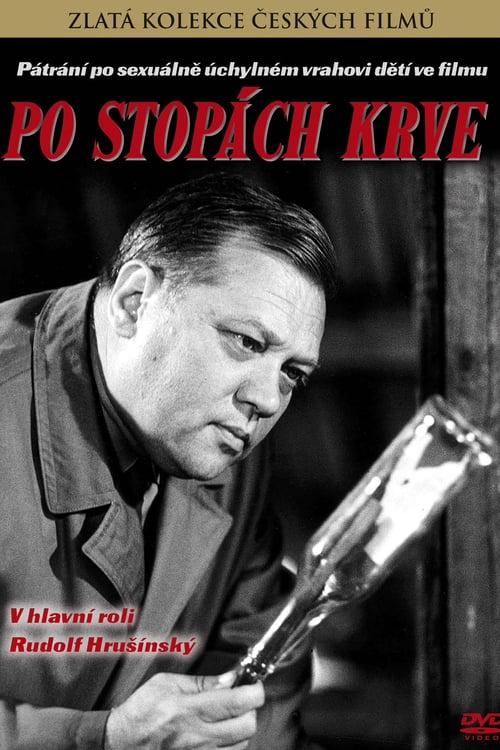
Major Kalas from the Prague criminal intelligence service has been sent to a small town of Dubá in North Bohemia to help with the investigation of the puzzling death of a child. A gypsy boy has been killed three weeks ago and his body found under a rock. As the investigation continues, another dead boy is found. The boy has bled to death after someone cut his artery with a handsaw. Both deaths are obviously the work of a murderer - a perverted pedophile, sadist who gets sexual satisfaction from the sight of a young boy's blood.
In 1900, Stepha, the vivacious 30 year old daughter of a wealthy couple, agrees to marry her cousin Paul, who has accumulated large debts as an Austrian army officer. Paul refuses to work or to consummate the marriage, and then his health steadily declines.
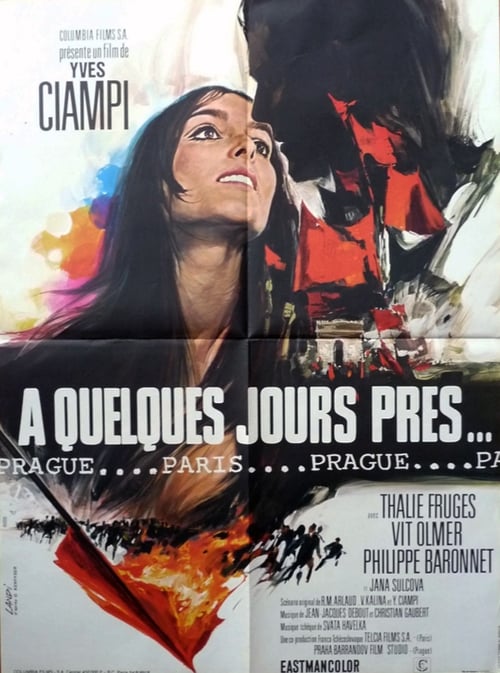
Françoise, a French sociology student, moves to Czechoslovakia to write her thesis. She falls in love with Pavel, a professor. But the events of the "Prague Spring" begin and Pavel decides to collaborate. Françoise returns to France and meets up with her militant friends on the eve of the events of May 68 in Paris.
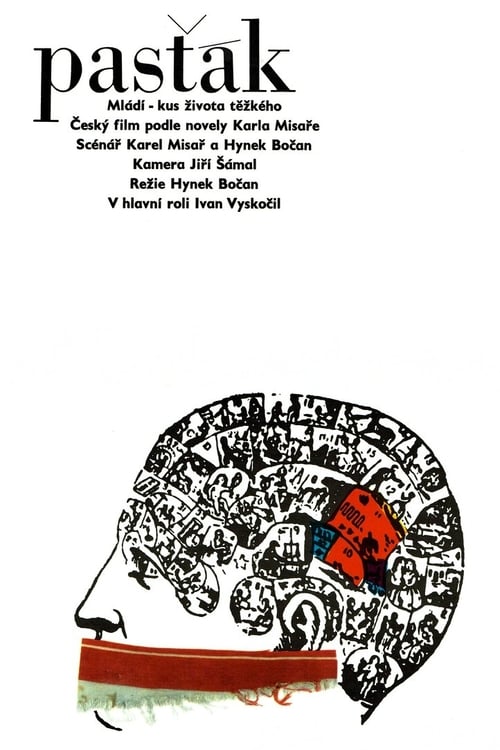
A young teacher is sent to a rural reform school, where he is faced with brutality of the inmates.
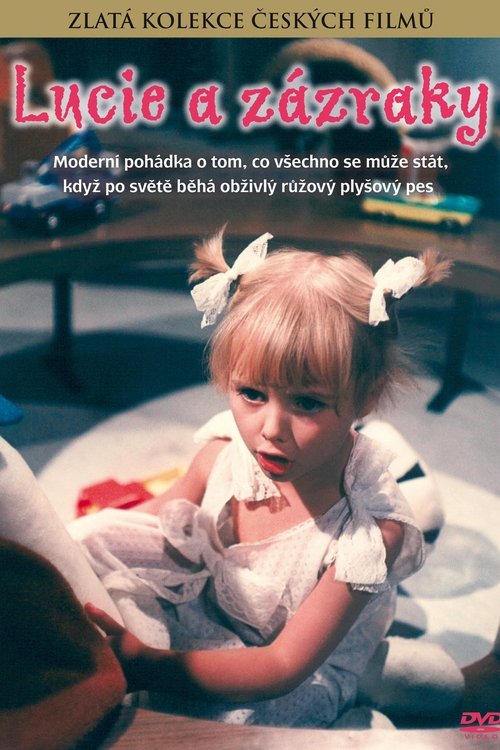
The harsh reality of a home for abandoned children blends with episodes of youthful fantasy and slapstick comedy in this story of an orphan girl. Lucy's fondest wish is to find new parents and leave an orphanage. She befriends a man who can create doors from paint. He gives her a stuffed dog that magically comes alive when placed on the ground, and he and his wife end up adopting the little girl. After finding parents of her own, Lucy sets out through fantasy to find parents for her orphan friends. All of the people Lucy meet during her remarkable make believe wanderings end up taking children home.
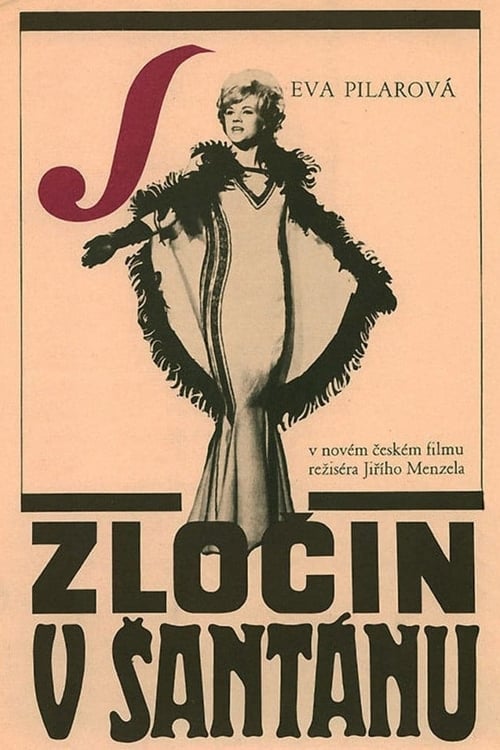
The theft of a pearl necklace and subsequent murder took place at the Tartaros cabaret. All this could compromise the minister, who is an admirer of the singer Clara. The real culprits must be found as soon as possible...