Editing
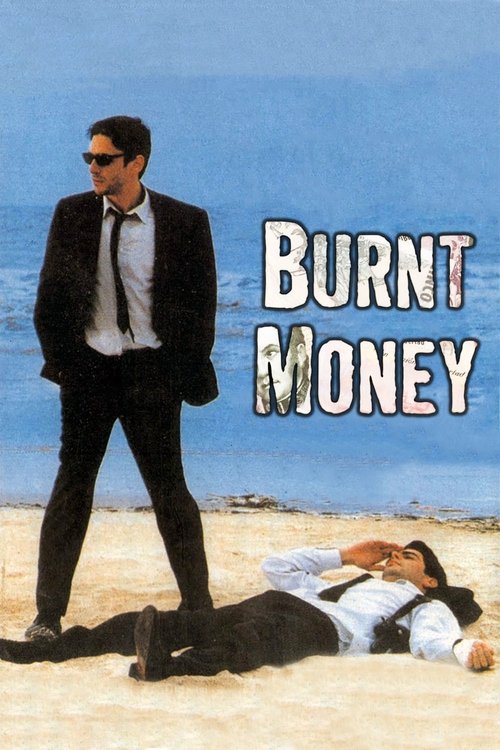
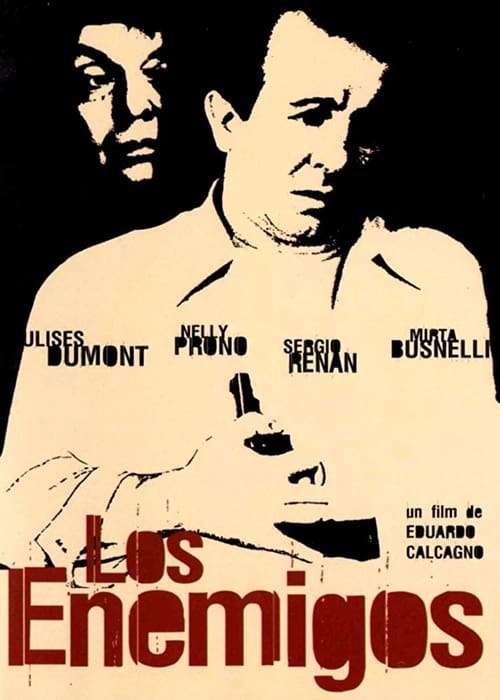
Three colleagues must decide which one of them will be fired when the company they work for starts a downsizing process.
Documentary about pre-Columbian art whose aesthetic and utilitarian values are intimately related to its myths and history.
No description available.
This drama is based on a novel and incomplete screenplay by the late Maria Luis Bemberg. In 1930s Argentina, wealthy Sebastian (Antonio Birabent) leaves his Buenos Aires home for the family estate on the pampas. His family, concerned for his physical and mental health, arranges for Sebastian's childhood friend Juan (Walter Quiroz) to check on Sebastian's situation. Juan finds the highly erratic Sebastian caught in a doomed relationship with the Danish daughter of religious sect members. Unfortunately, Juan also becomes obsessed with the young woman, and Sebastian's suspicions increase.
Tells the story of a poor family, inhabitants of the southern province of Santa Fe, who is forced to move into an abandoned railroad until waters recede Salado river wagon.
Set in Argentina in 1965, the story follows the tumultuous relationship between two men who became lovers and ultimately ruthless bank robbers in a notoriously famous footnote in the annals of crime history. After a large-scale hold-up that turns bloody, the two men must flee. It is not long before the police are surrounding the building they are in and they must confront their demons to survive.
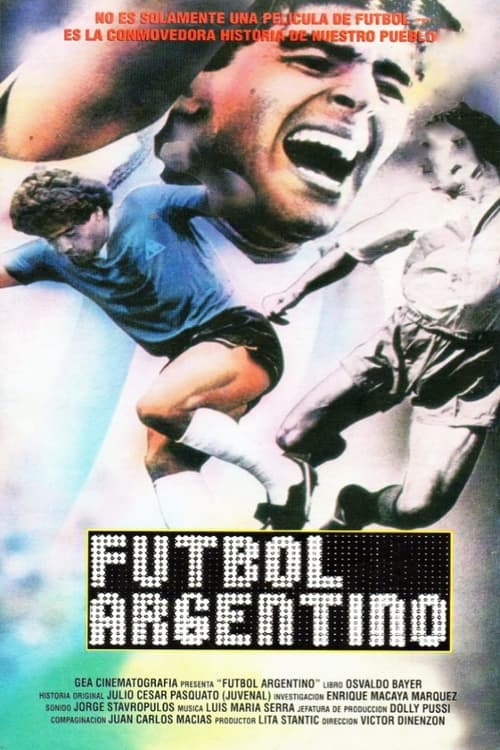
A history of Argentine football, from its origins in the nineteenth century to the victory of the Argentine national team in the 1986 World Cup. The film uses valuable archival footage.
In 1976, Argentina fell into the hands of a de facto government. Thousands of citizens are persecuted and kidnapped. This is the case of the parents of two children, who, knowing they are wanted, decide to hide.
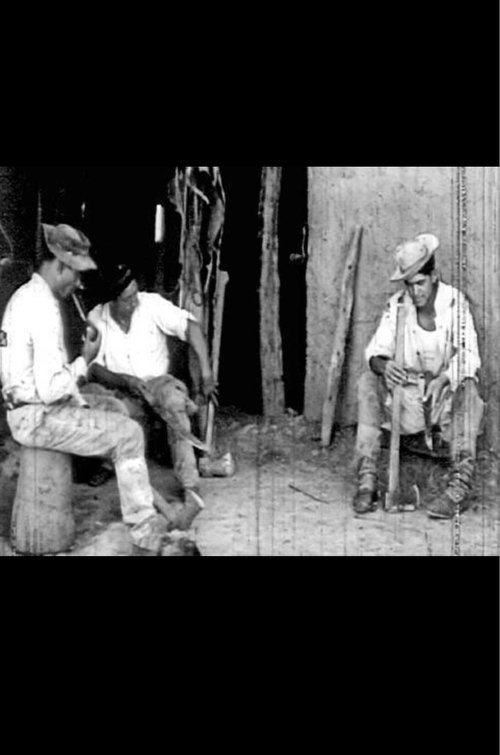
The living and working conditions and the exploitation to which the "axemen" workers are subjected in the province of Santa Fe, Argentina, in what was one of the most powerful companies of imperialism.
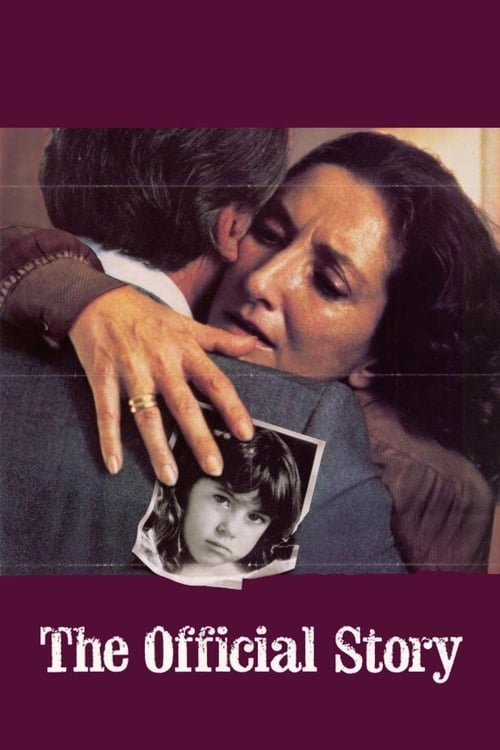
Buenos Aires, Argentina, 1983. In the last and turbulent days of the military dictatorship, Alicia, a high school history teacher, begins to ask uncomfortable questions about the dark origins of Gaby, her adopted daughter.
Could a brilliant composer's music actually be killing his loved ones? Eliseo can't help but believe it when his younger sister dies tragically and then his pianist Georgina suddenly dies on the piano. Completely traumatized, Eliseo is taken to a mental hospital where he can find escape only through music.
Heriberto (Matías Santoiani) dreams of becoming an actor. He wins a contest to work on a film and leaves his small town for Buenos Aires. There he meets Cynthia (Claudia Albertario), the other winner, who will be his co-star in the film, and with whom he falls in love. But the contest turns out to be a scam for pornographic purposes. This failure depresses Cynthia, and Heriberto, still in love with her, tries to help her, but she leaves him and takes his savings.
The film depicts an eccentric Argentine family consisting of an elderly woman, her son, and the maid. Their relationships with each other and the outside world are closely linked to the dictatorship that grips the country they live in.
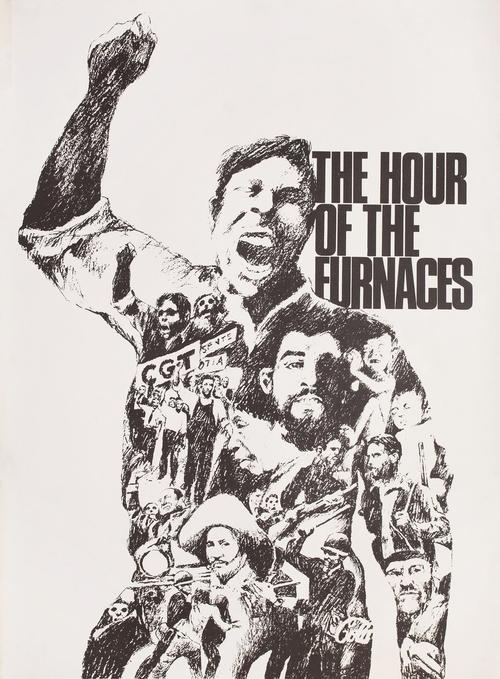
An impassioned three-part documentary of the liberation struggle waged throughout Latin America, using Argentina as a historical example of the imperialist exploitation of the continent. Part I: Neo-Colonialism and Violence is a historical, geographic, and economic analysis of Argentina. Part II: An Act For Liberation examines the ten-year reign of Juan Perón (1945-55) and the activities of the Peronist movement after his fall from power. Part III: Violence and Liberation studies the role of violence in the national liberation process and constitutes a call for action.
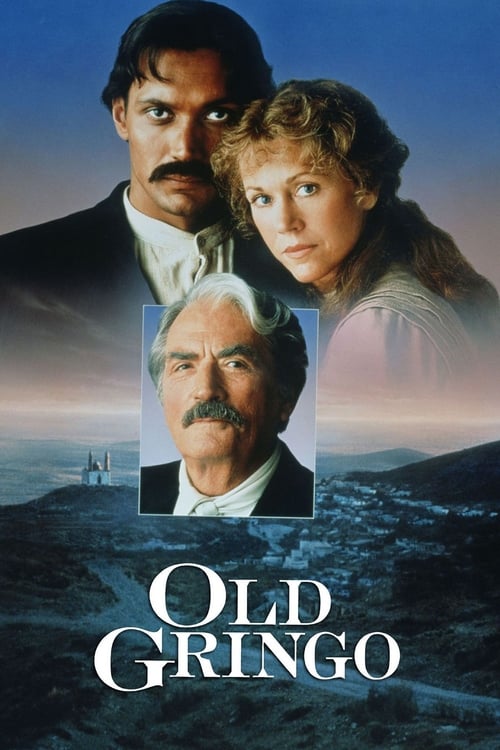
A writer forms a triangle with a schoolmarm and a Mexican general on the run.
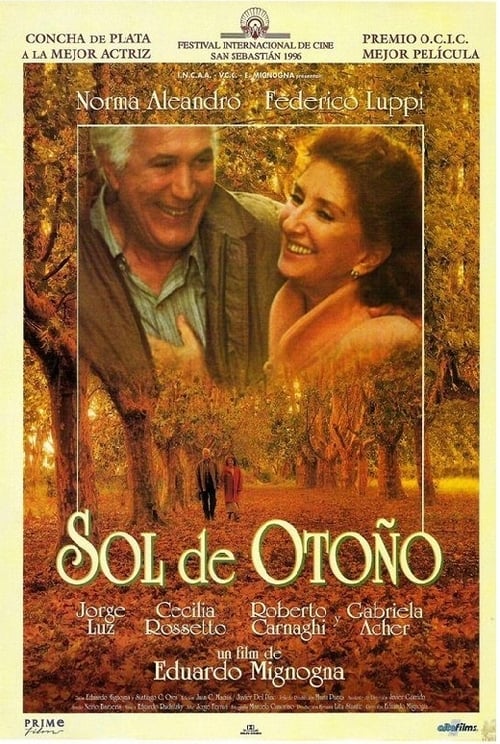
Clara Goldstein is a lovely, middle-aged Jewish woman who, because of an impending visit from her American brother, is forced to create a contrived relationship with a man of her own faith. She places an ad in a personals column and meets Raul, a well-spoken, handsome and charming man whom she soon discovers is a Gentile and does not fulfill her reason for placing the ad. Having no alternative, Clara proceeds to instruct Raul with an intensive course in Judaism. Their journey is both humorous and captivating, but not without pitfalls. These two mature people risk a last chance at a meaningful relationship in their lives.
Memory, the passage of time, the mythical, what was and will never return, legacy, passion. The voices of this history and a people beyond. Sport in the river. Swimming through the hours, like a mirror that reflects and multiplies the bonds, the memories, the spaces, the time.
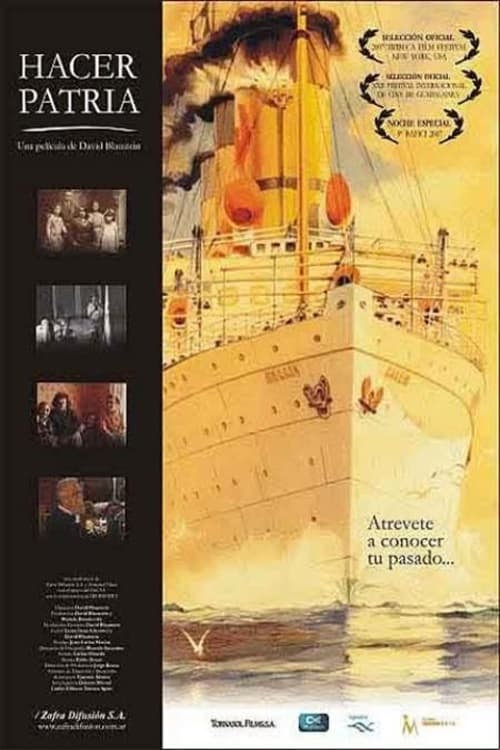
Accompanied by his mother, cousins, aunts and uncles, director David Blaustein retraces the steps of his Jewish ancestors, who fled Europe in the 1920s hoping to find in Argentina the land of their dreams.
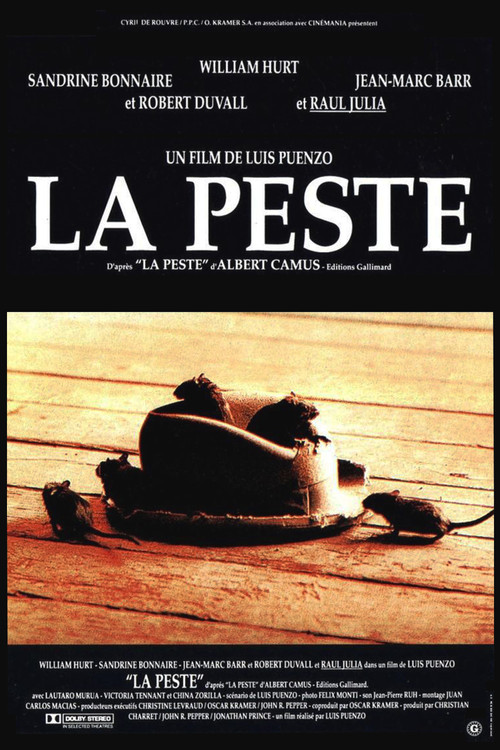
In a city in South America an outbreak of bubonic plague occurs. While people try to flee and the military close the city, an idealistic doctor decides to stay and help the sick. In the ever-changing circumstances, he puts up a brave fight, being helped by others but also involving them without being able to control the situation.
After the end of the military dictatorship in Argentina in 1983, Floreal is released from prison. Instead of returning to his wife, he wanders through the night of Buenos Aires. He meets some people from his past–most of which are only imaginary–and remembers the events of his imprisonment.