FEEL IT.STREAM
?

Curt McDowell

Directing

Biography

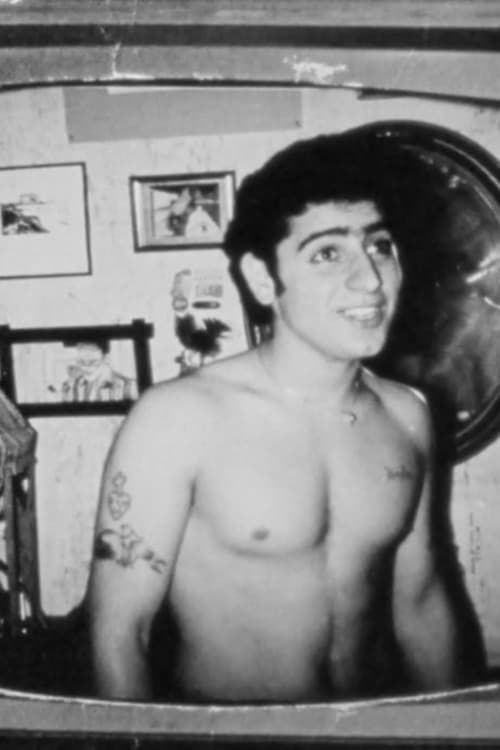
Curt McDowell worked in San Francisco from the late 1960s until his death in 1987 – a period that witnessed the Summer of Love, gay liberation, and the onset of HIV/AIDS, to which he succumbed at the age of forty-two. The author of numerous films that recast the American dream of plenty in pansexual terms, McDowell, like so many artists of his generation, indulged in the era’s carnal abundance, and his appetites and experiences are reflected in his work, which alternates between the revealing and the puerile.
Known For

It Came from Kuchar
7.1

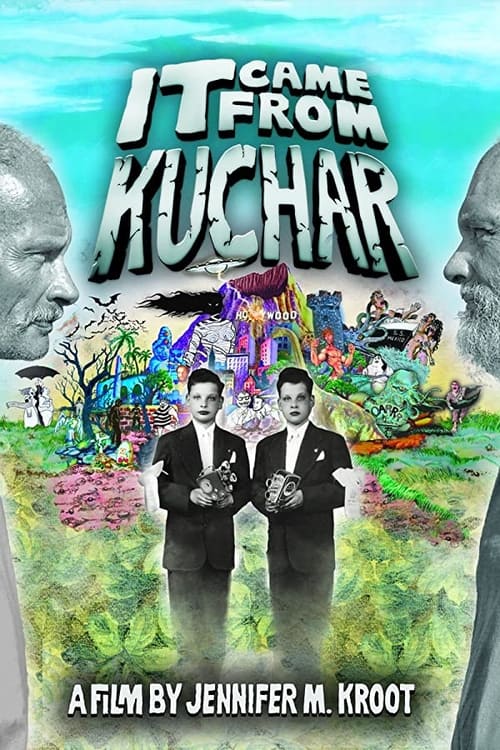
It Came from Kuchar is the definitive, feature documentary about the legendary, underground filmmaking twins, the Kuchar brothers. George and Mike Kuchar have inspired two generations of filmmakers, actors, musicians, and artists with their zany, "no budget" films and with their uniquely enchanting spirits.

It Came from Kuchar

2009
Sparkle's Tavern
6.4

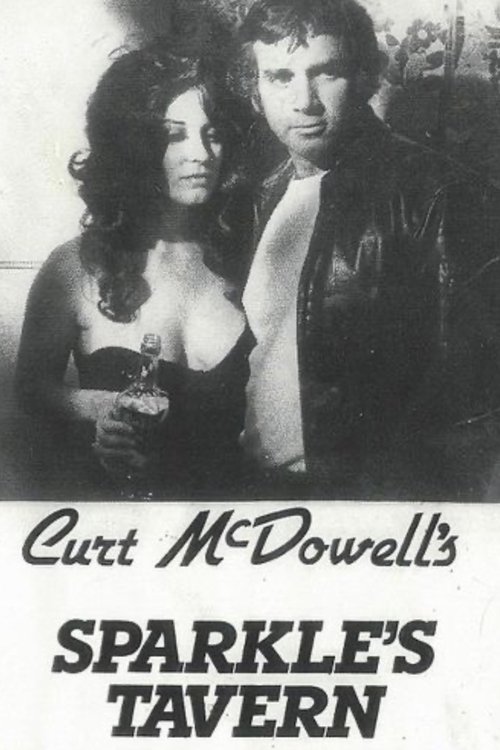
Siblings hide their ownership of a bordello from their mother. When she is visited by a man who shares the joys of sexual enlightenment with her, her entire world is turned upside down.

Sparkle's Tavern

1985
Taboo: The Single and the LP
5.4

"Abner L. Fuqua clears his throat and I get mad and stand close to trains or cut my eyebrow off. Dorothy is Abner's wife. Abner can slap hard, like blue magic." - graffiti

Taboo: The Single and the LP

1980
George Kuchar: The Comedy of the Underground
7.8

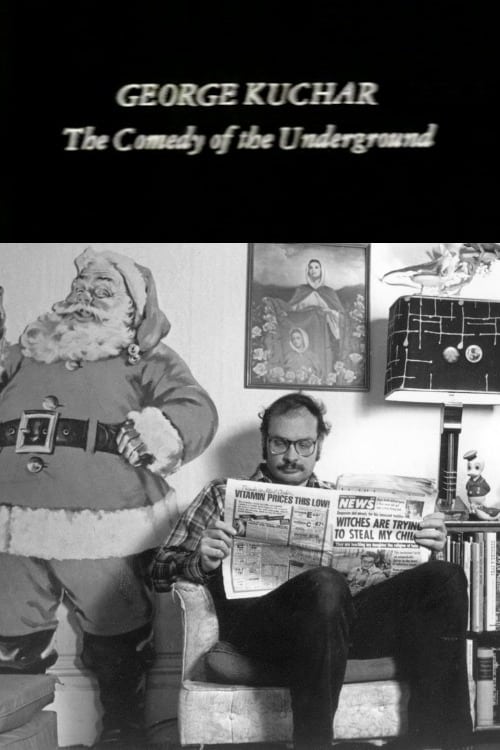
A documentary portrait of filmmaker George Kuchar conducting a tour of his apartment where he displays memorabilia and his toys which were used for props.

George Kuchar: The Comedy of the Underground

1983
Riverbody
10.0

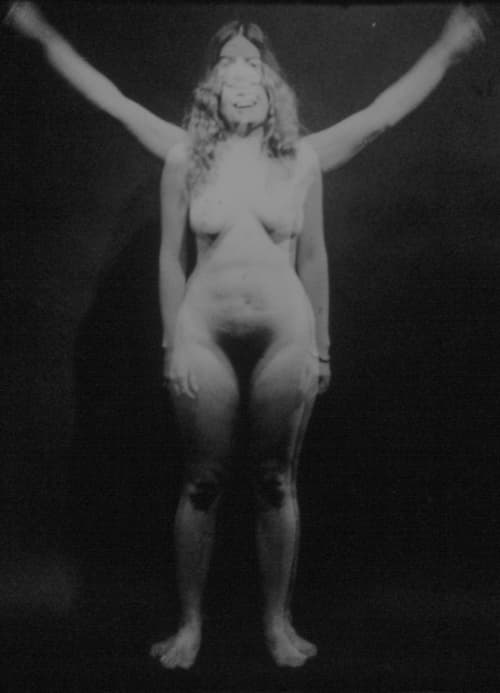
A continuous dissolve of 87 male and female nudes. "The film's fascination lies with the suspense of that magic moment, halfway between two persons, when the dissolve technique produces composite figures, oftentimes hermaphroditic, that inspires awe for the mystery of the human form." - B. Ruby Rich, Chicago Art Institute

Riverbody

1970
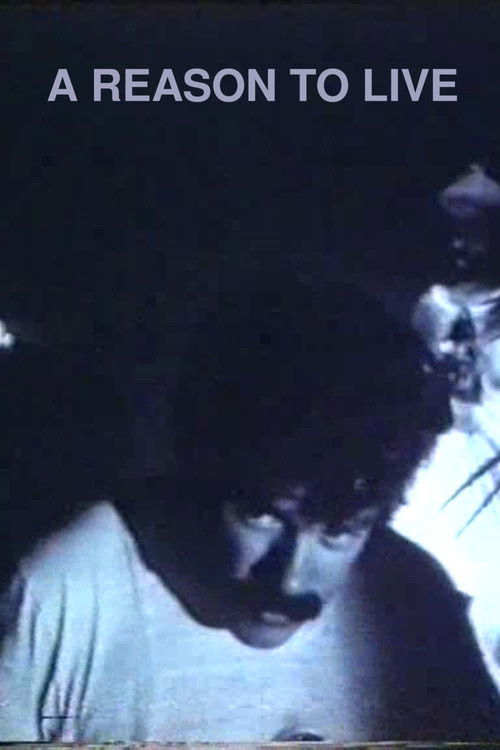
A Reason to Live
6.4

"This film is about depression, although it's not that depressing. I suppose it has a message of faith and hope in it ... it does for me .... But then again my interest may not match yours. It was shot in San Francisco and in Central Oklahoma with a cast of one man and four women. Crushing emotions are indulged in against a massive meteorological background that brings inspiration and terror to the characters involved."

A Reason to Live

1976
Pornogra Follies
3.3

Ted Davis is everyone's favorte Master of Ceremonies for the following performances: Peckernose Act, The Cooking and the Washing Act, Spin Your Little Clothes Off Act, Tea Break, The Spinning Nuns, Balancing Prick Act, The Dirty Hummers, Spanish Dancer Act, The Whora, Picking a Winner, The Poop Chute Act, Waiting and Worrying Nude Act, The Tapping Tennis, The Disappearing Milk and Sandwich Act, The Flower Magician, Fart Chorus, The Whirlwinds, The Paper Bags on the Heads Act, The Belly Dance, Cheek to Cheek, Head Job Act, Tweeting Prick Act, Fanny Dancer, Back Words Act, Betsy the Cussing Doll, And… The Singing Twat

Pornogra Follies

1970
Nudes: A Sketchbook
3.3

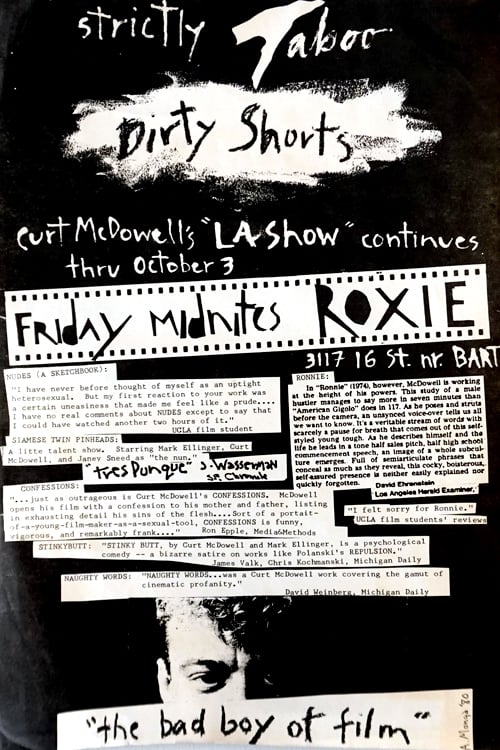
"Curt McDowell's NUDES (A Sketchbook) is a paean to the filmmaker's closest friends: a series of portraits (beginning with one of George Kuchar) based on stylized, often graphically sexual interpretations of his or her personality. The portraits also, at times, represent Curt's own sexual interests as he projects them onto the lives of others. My favorites are 'Barbara', a Pre-Raphaelite vision of woman and 'Ainslie', a musical spoof on glamour. The filmmaker's point of view ranges from compulsively erotic to light-hearted and self-debunking. A broad reading of the term 'romantic' would probably best describe the spectrum of extreme, even outrageous, possibilities which Curt embraces in this sketchbook/film." - Karen Cooper, Film Forum

Nudes: A Sketchbook

1974
Video Album 5: The Thursday People
N/A

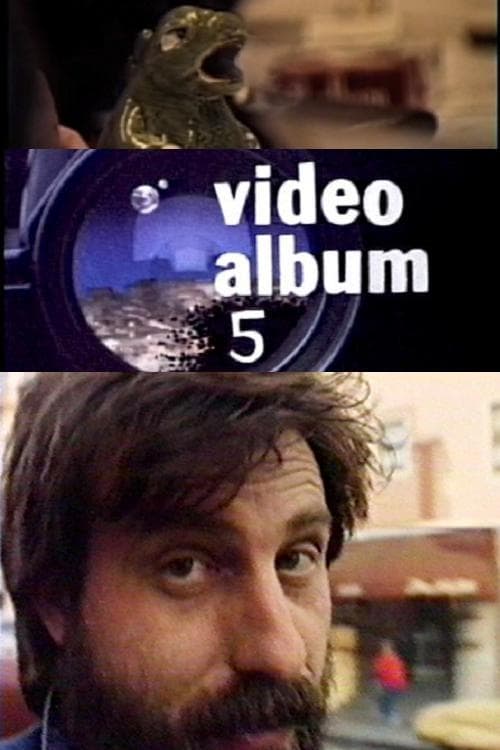
The comings and goings of the late underground filmmaker, Curt McDowell—and the people and activities that came and went along with him—are the themes that run through this existential diary of daily life. McDowell was dying from AIDS-related illnesses during the production of the diary. “An elegy for McDowell, the videowork captures Kuchar’s mournful remembrances of his long-lasting friendship with the young filmmaker. But it also has the inquisitive charm, perverse humor, and quirky candor that places Kuchar’s visual expressions in a gritty niche all their own.”

Video Album 5: The Thursday People

1987
Peed Into the Wind
3.0

An hour-long saga of Mick Terrific, rock 'n' roll star, and the cast of 50 he encounters on his search for "Mr. Wonderful." “PEED INTO THE WIND smears across the screen like one of those dirty underground comic books. It’s loaded with a lot of big scenes and unusual looking people that make this epic resemble a clogged toilet. Unfortunately, since several of the performers were not as loyal as Ainslie Pryor and John Thomas, the plot is difficult to follow but in no way hinders the sewer-like sequences. It’s quite enjoyable and possesses the releasing power of an enema.” –George Kuchar. Preserved by the Academy Film Archive in 2016.

Peed Into the Wind

1972
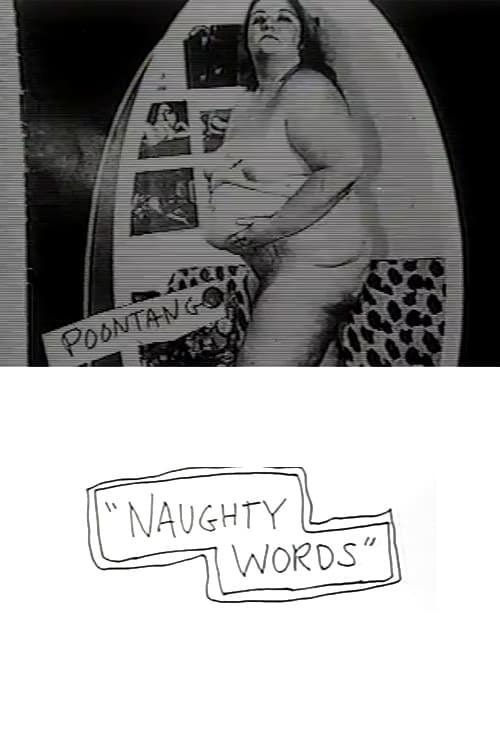
Naughty Words
4.3

"...WORDS was a Curt McDowell work covering the gamut of cinematic profanity."

Naughty Words

1974
Beaver Fever
4.0

Starring George Kuchar as "Hunk", Mrs. Ruby B. Davis as "Aunt Ruth", and introducing Melinda McDowell as the much-abused, sex bomb "Goldenrod".

Beaver Fever

1974
The Mongreloid
6.3

A man, his dog, and the regions they inhabited, each leaving his own distinctive mark on the landscape. Not even time can wash away the residue of what they left behind.

The Mongreloid

1978
Symphony for a Sinner
7.4

Symphony for a Sinner (1979) was a long, lavishly photographed color film generally considered the magnum opus of the class productions.

Symphony for a Sinner

1978
A Visit to Indiana
5.0

A comedy for the people of liberated cities about the tragedy of small town imprisonment. A ten-minute dialogue of nephew and uncle during which so little is said that all is revealed. Visually, all action is shown that will ever occur. Starring Mom, Dad, Grandma McDowell, Aunt Rachael, Uncle Paul, Melinda, Marce, and the rest of the family.

A Visit to Indiana

1970
Wieners and Buns Musical
4.0

A musical about an unhappy couple and the man that stands between them. Preserved by the Academy Film Archive in 2015.

Wieners and Buns Musical

1972
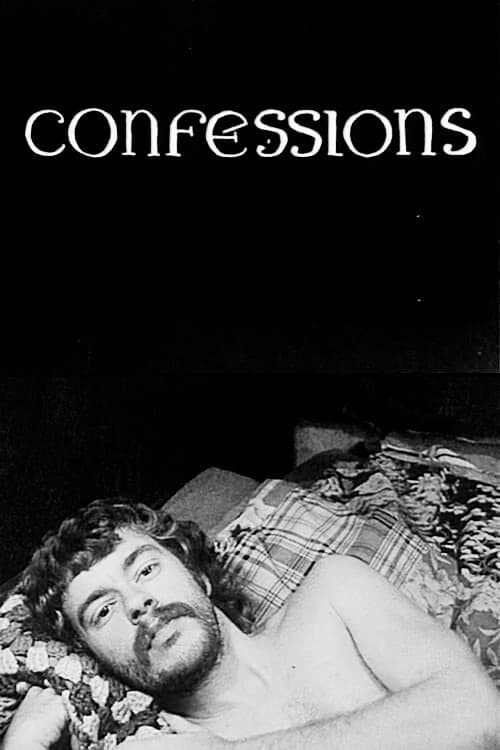
Confessions
5.8

"Just as outrageous is Curt McDowell's CONFESSIONS. McDowell, a graduate student at San Francisco Art Institute, opens his film with a confession to his mother and father, listing in exhausting detail his sins of the flesh."

Confessions

1972
No image
3.7

A little talent show.

Siamese Twin Pinheads

1972
Xmas 1986
N/A

"In Xmas 1986, George Kuchar’s mother Stella has come to stay with him for the holidays. After a series of dinners with friends, Stella’s repeated discussions about her shingles and Kuchar’s ominous film-noirish narration, Kuchar rescues the morale of a dinner party gone bad thanks to an undercooked ham by presenting his hosts with a very memorable holiday gift." – Kyle Riley

Xmas 1986

1986
Audience
3.5

Barbara Hammer’s Audience is a fascinating deep cut from the director’s prodigious filmography. Relatively raw in its design, this 16mm diary of audience reactions at retrospectives of Hammer’s work in San Francisco, London, Toronto, and Montreal in the early 1980s bears none of the distinctive visual flourishes and essayistic form one usually finds in her filmmaking. Today, Audience serves as an invaluable historical archive, providing quick but complex portraits of lesbian scenes in different cities and countries: the San Francisco women are bold and raucous, treating Hammer like a celebrity; the London crowd more reserved and tentative; the Canadians politely critical after initial hesitation. It also functions as a testament to the power of Hammer herself as a figure of lesbian culture, showing how fully she engages audiences to incite new forms of discourse about representation.

Audience

1983