Wolf Koenig
Production
Biography
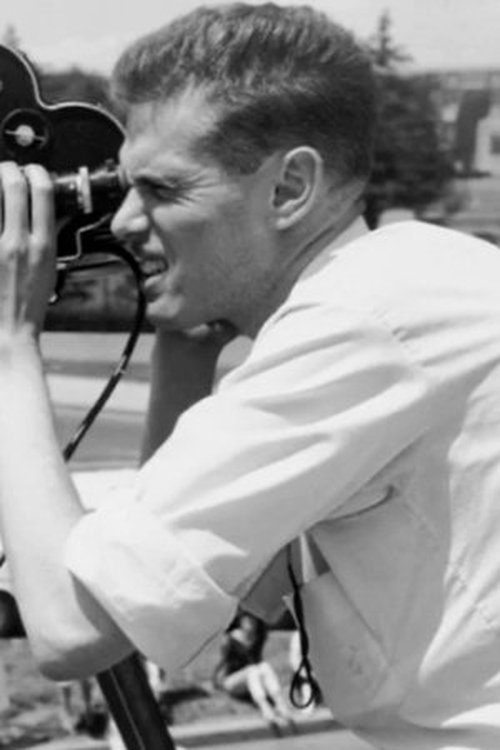
Wolf Koenig (October 17, 1927 – June 26, 2014) was a Canadian film director, producer, animator, cinematographer, and a pioneer in Direct Cinema at the National Film Board of Canada. Born in Dresden, Germany, Koenig emigrated to Canada with his family in 1937, when they fled Nazi Germany. They settled in 145-acre (0.59 km2) farm along the Grand River, outside what is now known as Cambridge, Ontario. In 1948, a local representative for the Canadian department of agriculture needed the family's tractor to demonstrate a new tree-planting machine. As the young Koenig pulled the machine across a field, he noticed a small film crew from the NFB's former agricultural film unit, recording the demonstration. After filming was complete, he approached the men, who included director Raymond Garceau, and told them he loved films, especially animation, and hoped to work in filmmaking. They suggested he send in a job application and approximately six weeks later he received a letter offering him the position of a junior splicer for $100 per month. His younger brother Joe Koenig was also a filmmaker.
Known For

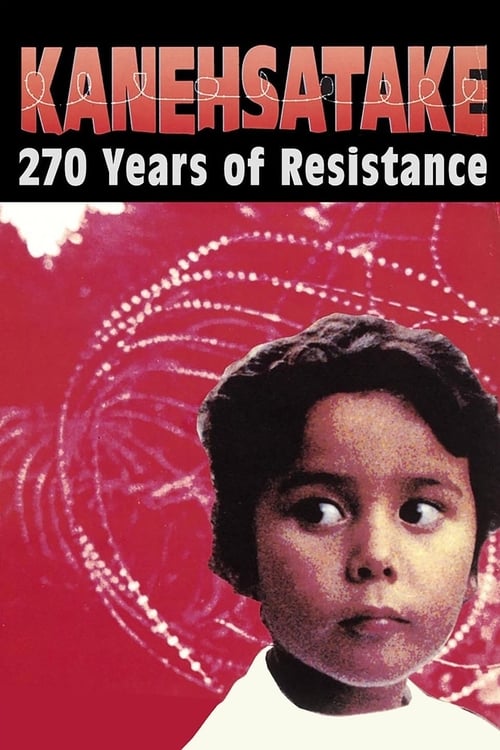
In July 1990, a dispute over a proposed golf course to be built on Kanien’kéhaka (Mohawk) lands in Oka, Quebec, sets the stage for a historic confrontation that would grab international headlines and sear itself into the Canadian consciousness.
Kanehsatake, 270 Years of Resistance

In this animated short, simple geometric forms as thin and flat as playing cards constantly form and re-form to the sound of the koto, a 13-stringed Japanese instrument.
Perspectrum

This short film brings together animated interpretations of four poems by great Canadian wordsmiths: "Riverdale Lion" by John Robert Colombo, "A Kite Is a Victim" by Leonard Cohen, "Klaxon" by James Reaney and George Johnston’s "The Bulge."
Poets on Film No. 1

This tongue-in-cheek cautionary tale by Croatian director Zlatko Grgic traces man's checkered history with fire, and shows how growing carelessness in the form of overloaded sockets, smoldering cigarettes and other fire hazards can have highly undesirable consequences.
Hot Stuff

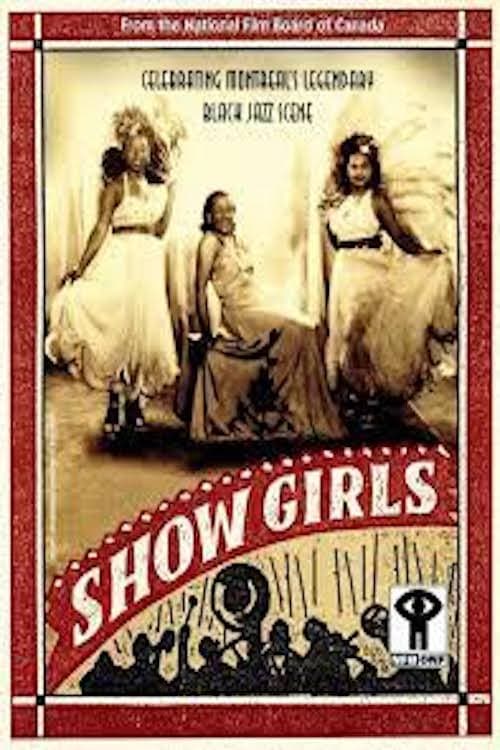
Show Girls celebrates Montreal's swinging Black jazz scene from the 1920s to the 1960s, when the city was wide open. Three women who danced in the legendary Black clubs of the day - Rockhead's Paradise, The Terminal, Café St. Michel - share their unforgettable memories of life at the centre of one of the world's hottest jazz spots. From the Roaring Twenties, through the Second World War and on into the golden era of clubs in the fifties and sixities, Show Girls chronicles the lives of Bernice, Tina and Olga - mixing their memories with rarely seen footage of the era.
Show Girls

The drawings and recollections of Inuit artist Pitseolak, from the book of the same title written by Dorothy Eber. Now in her seventies, Pitseolak is one of the most famous of the graphic artists of the Cape Dorset (Baffin Island) artists' colony and co-operative. Her coloured pencil and felt-pen drawings vividly illustrate her memories of past life in the Arctic, and of the birds, animals and spirits that figured so large in the daily life of the Inuit.
Pictures Out Of My Life

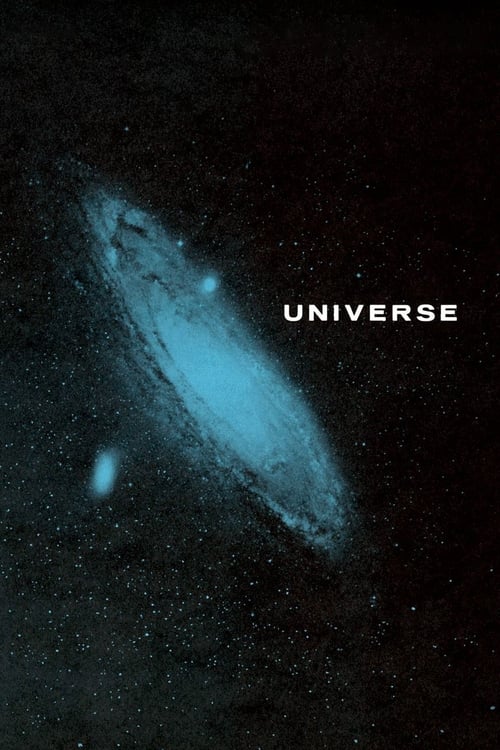
A triumph of film art, creating on the screen a vast, awe-inspiring picture of the universe as it would appear to a voyager through space, this film was among the sources of inspiration used by Stanley Kubrick for his 2001: A Space Odyssey. Realistic animation takes you into far regions of space, beyond the reach of the strongest telescope, past Moon, Sun, and Milky Way, into galaxies yet unfathomed.
Universe

Classic short film depicts the Klondike gold rush at its peak, when would-be prospectors struggled through harsh conditions to reach the fabled gold fields over 3000 km north of civilization. Still photographs juxtapose Dawson City today against its bustling height in the gold rush.
City of Gold

This short documentary (the second of two parts) follows Glenn Gould to New York City. There, we see the renowned Canadian concert pianist kidding the cab driver, bantering with sound engineers at Columbia Records, and then, alone with the piano, fastidiously recording Bach's Italian Concerto.
Glenn Gould: On the Record

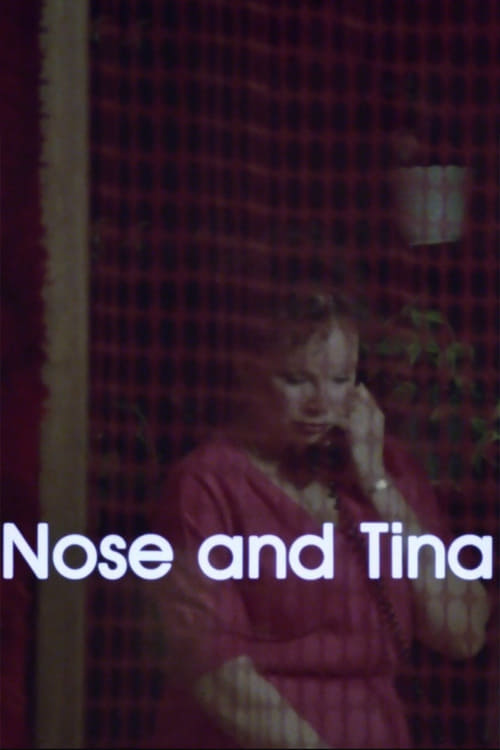
Nose and Tina are a couple in love. The film captures the domestic details of their life together and documents their hassles with work, money and the law. The unusual bit: He is employed as a brakeman, and she as a sex worker.
Nose and Tina

In this Oscar-winning short film, Norman McLaren employs the principles normally used to put drawings or puppets into motion to animate live actors. The story is a parable about two people who come to blows over the possession of a flower.
Neighbours

Here is a graphic picture of the tobacco harvest in southwestern Ontario. At the end of July, transient field workers move in for a brief bonanza when the plant is ripe. The tobacco harvesters call it "the back-breaking leaf."
The Back-breaking Leaf

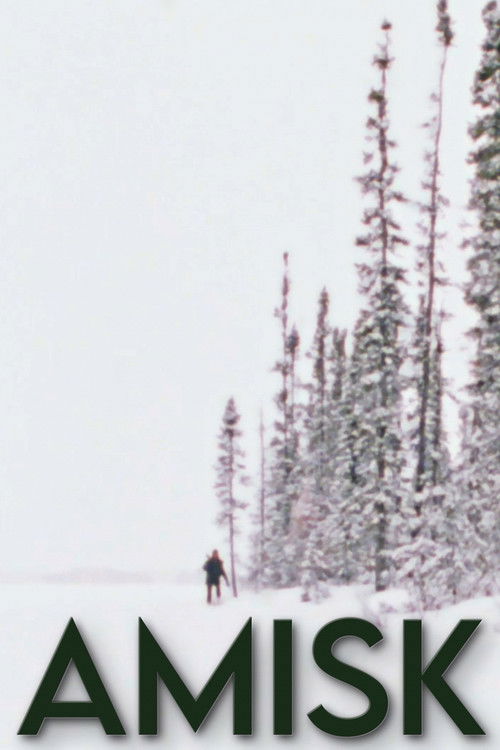
A performing arts film by Alanis Obomsawin, it documents efforts to raise funds for the James Bay Cree and was made at a time when Cree territory was threatened by hydro-electric projects. Amisk represents early work by Obomsawin, a trailblazer in Canadian Aboriginal film.
Amisk
One of a series of short, open-ended dramas designed to stimulate discussion of values and ethics in relation to modern medical technology. This film considers the chronic patient's right to quality care, and the acutely ill patient's right to a hospital bed. Jean is suffering from multiple sclerosis and is almost completely paralyzed. It seems that the only ones who care about her are the nurses. With the arrival of a patient in need of an operation, it becomes apparent that chronic patients have little priority.
Discussions in Bioethics: A Chronic Problem

A family of seven lives on a New England island with nobody else. One winter, they got stranded because the bay froze over. This didn't much matter to them, but someone on the mainland remembered them and launched an aerial rescue mission; an unfounded story that one boy had appendicitis results in a larger rescue mission, with the situation rapidly escalating into a major catastrophe all because of the rescue mission.
The Family That Dwelt Apart

Incident at Restigouche is a 1984 documentary film by Alanis Obomsawin, chronicling a series of two raids on the Listuguj Mi'gmaq First Nation (Restigouche) by the Sûreté du Québec in 1981, as part of the efforts of the Quebec government to impose new restrictions on Native salmon fishermen. Incident at Restigouche delves into the history behind the Quebec Provincial Police (QPP) raids on the Restigouche Reserve on June 11 and 20, 1981. The Quebec government had decided to restrict fishing, resulting in anger among the Micmac Indians as salmon was traditionally an important source of food and income. Using a combination of documents, news clips, photographs and interviews, this powerful film provides an in-depth investigation into the history-making raids that put justice on trial.
Incident at Restigouche

Rousing tales of the North-West Mounted Police are brought to life through photos and artists' sketches. In 1873, the North-West Mounted Police were established to maintain law and order in the North-West Territories. They undertook a trek from Fort Dufferin, south of Winnipeg, to Fort Whoop-up, near present-day Lethbridge, Alberta. The force raised the flag and proclaimed the Queen's Law, ensuring that the Canadian West would not become a lawless, American-style frontier.
The Days of Whisky Gap

Thanks to the development of techniques and the adventurous spirit of pioneering filmmakers, among whom Michel Brault occupies a central place, a new way of making cinema was born at the turn of the 1950s and 1960s. This film relevantly retraces the history of a collective movement which revolutionized production and filming methods in Quebec and the world.
Rebels with a Camera

Mosha Michael made an assured directorial debut with this seven-minute short, a relaxed, narration-free depiction of an Inuk seal hunt. Having participated in a 1974 Super 8 workshop in Frobisher Bay, Michael shot and edited the film himself. His voice can be heard on the appealing guitar-based soundtrack…. Natsik Hunting is believed to be Canada’s first Inuk-directed film. – NFB
Natsik Hunting

Face of the Earth explores the origin of our planet's outer layer, the why-and-how of its mobility. Through the use of well-designed diagrams, the earth's cyclical activity is clearly explained. Some unusual footage on volcanoes gives added punch to an already absorbing subject.