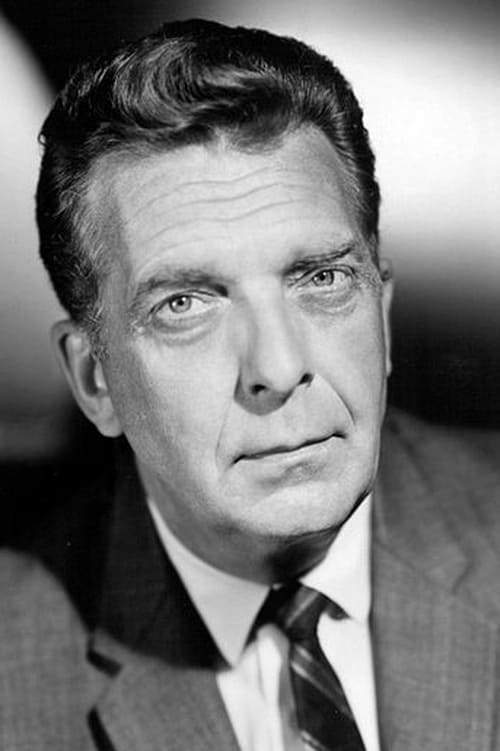
Chet Huntley
Acting
Biography
Huntley began his radio newscast career in 1934 at Seattle's KIRO AM, later working on radio stations in Spokane (KHQ) and Portland. His time (1936–37) in Portland was with KGW-AM, owned by The Oregonian, a Portland daily newspaper. At KGW he was writer, newscaster, and announcer. In 1937 he went to work for KFI in Los Angeles, moving to CBS Radio from 1939 to 1951, then ABC Radio from 1951 to 1955. In 1955, he joined the NBC Radio network, viewed by network executives as "another Ed Murrow". In 1956, coverage of the national political party conventions was a major point of pride for the fledgling broadcast news organizations. NBC News executives were seeking to counter the growing popularity of CBS' Walter Cronkite, who had been a ratings success at the 1952 conventions. They decided to replace their current news anchor, John Cameron Swayze, but there was a disagreement on who the new anchorman should be. The two leading contenders were Huntley and David Brinkley. The eventual decision was to have both men share the assignment. Their on-air chemistry was apparent from the start, with Huntley's straightforward presentation countered by Brinkley's acerbic wit. This success soon led to the team replacing Swayze on the network's nightly news program. It was decided to have the two men co-anchor the show; Huntley from New York City, Brinkley from Washington, D.C. The Huntley-Brinkley Report began in October 1956 and was soon a ratings success. Huntley and Brinkley's catchphrase closing of "Good night, David"—"Good night, Chet... and good night for NBC News" was developed by the show's producer, Reuven Frank. Although both anchors initially disliked it, the sign-off became famous. Huntley and Brinkley gained great celebrity themselves, with surveys showing them better known than John Wayne, Cary Grant, Jimmy Stewart or the Beatles. The gregarious Huntley remained the same, a friend commenting in 1968 that "Chet is warm, he's friendly, he's unaffected, he's—well, he's just so damned nice." In April 1956, before that year's political conventions that brought him to prominence, Huntley began anchoring a new half-hour program entitled Outlook, produced by Reuven Frank. The program aired for seven years, later changing its name to Chet Huntley Reporting, and often covered racial segregation and civil rights. In January 1962, the program moved from the Sunday evening news time-slot to prime time. Huntley wrote a memoir of his Montana childhood, The Generous Years: Remembrances of a Frontier Boyhood, published by Random House in 1968. He also became involved in a New York advertising agency, Levine, Huntley, Schmidt, Plapler & Beaver, gaining a 10 percent share in the agency in exchange for having his name on the letterhead and attending some agency meetings. He maintained his own cattle farm in Stockton, New Jersey, which for a short time in 1964 included a beef line from the farm's cattle promoted under his name before the network intervened due to conflict of interest and promotional concerns. Huntley's last NBC News broadcast was aired on Friday, July 31, 1970. He returned to Montana, where he conceived and built Big Sky, a ski resort south of Bozeman, which opened in December 1973.
Known For
The Dick Cavett Show has been the title of several talk shows hosted by Dick Cavett on various television networks.
The Dick Cavett Show
Tonight Starring Jack Paar is an American talk show hosted by Jack Paar under The Tonight Show franchise from 1957 to 1962. It originally aired during late-night. During most of its run it was broadcast from Studio 6B inside the RCA Building. The same studio would also host early episodes of The Tonight Show Starring Johnny Carson, and Late Night with Jimmy Fallon. Its theme song was an instrumental version of "Everything's Coming Up Roses", and the closing theme was "So Until I See You" by Al Lerner.
Tonight Starring Jack Paar
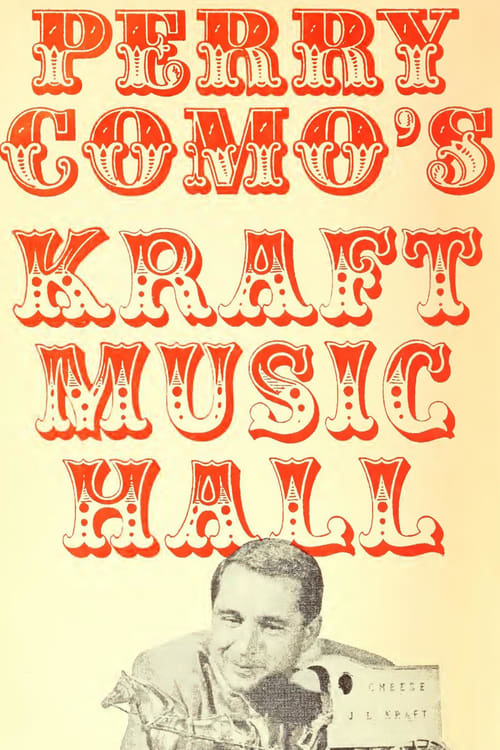
Kraft Music Hall is an umbrella title for several television series aired by NBC in the United States from the 1950s to the 1970s in the musical variety genre, sponsored by Kraft Foods, the producers of a well-known line of cheeses and related dairy products. Their commercials were usually announced by "The Voice of Kraft", Ed Herlihy.
Kraft Music Hall
An annual awards ceremony honoring the best in U.S. prime time television programming as chosen by the Academy of Television Arts & Sciences.
The Emmy Awards
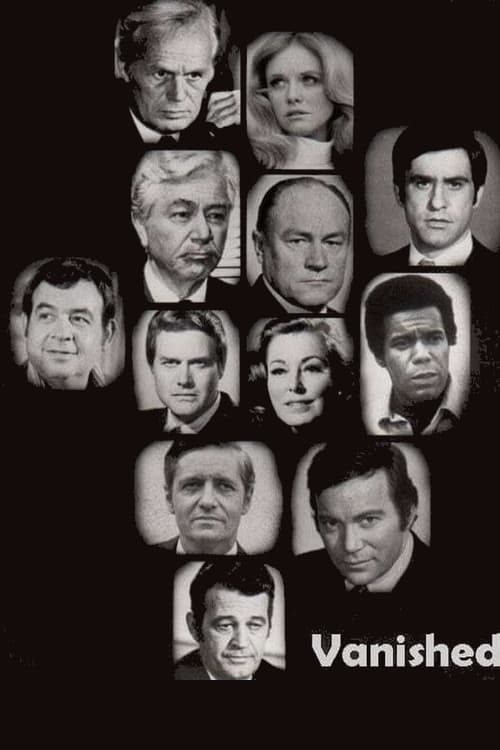
Government agencies investigate the mysterious disappearance of a powerful presidential adviser.
Vanished
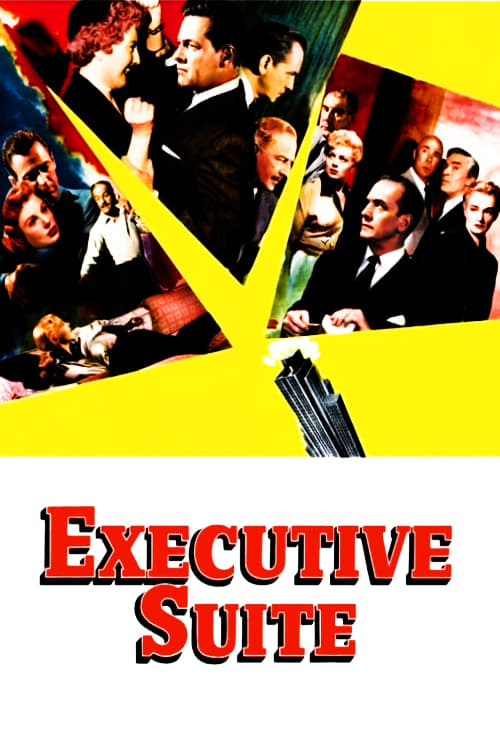
When the head of a large manufacturing firm dies suddenly from a stroke, his vice-presidents vie to see who will replace him.
Executive Suite
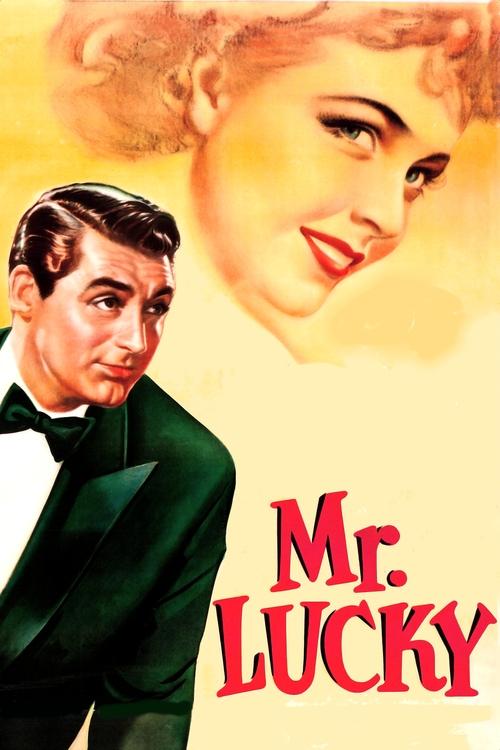
A conman poses as a war relief fundraiser, but when he falls for a charity worker, his conscience begins to trouble him.
Mr. Lucky

A mad bomber holds an innocent family hostage.
Cry Terror!
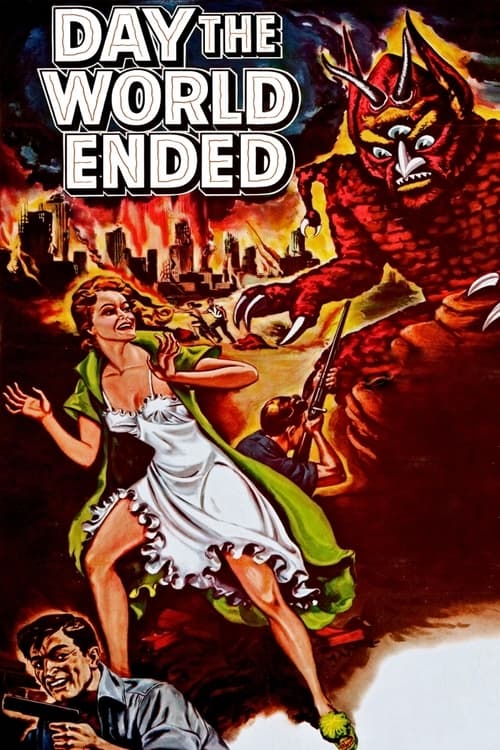
After a nuclear attack, an unlikely group of survivors, including a geologist, a crook and his moll, and a prospector, find temporary shelter in the remote-valley home of a survivalist and his beautiful daughter, but soon have to deal with the spread of radioactivity - and its effects on animal life, including humans.
Day the World Ended
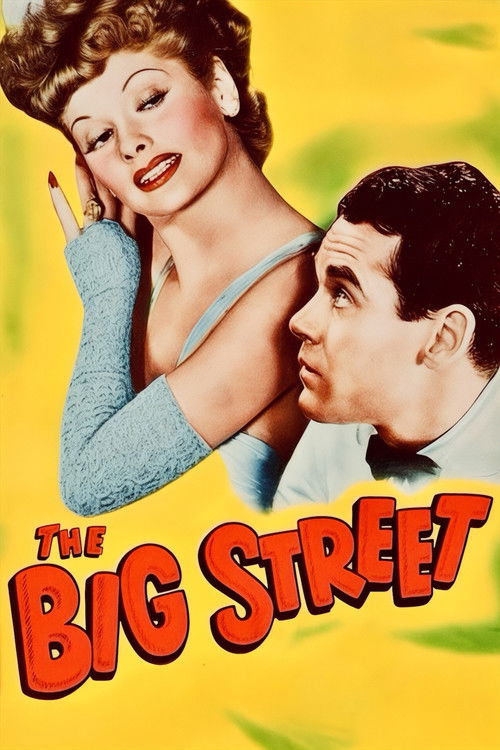
Meek busboy Little Pinks is in love with an extremely selfish nightclub singer who despises and uses him.
The Big Street
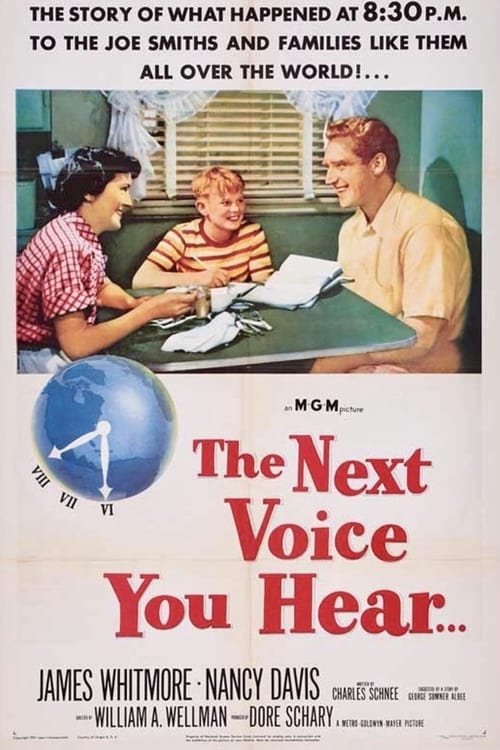
The Next Voice You Hear... (1950) is a drama film in which a voice claiming to be that of God preempts all radio programs for days all over the world. It stars James Whitmore and Nancy Davis as Joe and Mary Smith, a typical American couple. It was based on a short story of the same name by George Sumner Albee.
The Next Voice You Hear...
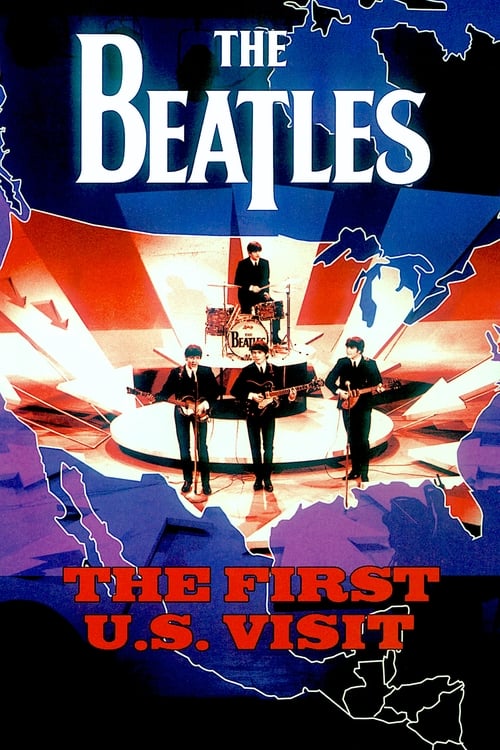
The Beatles First US Visit uniquely chronicles the inside story of the two remarkable weeks when Beatlemania first ignited America. The pioneering Maysles Brothers who filmed at the shoulders of John, Paul, George and Ringo, innovated an intimate documentary style of film-making which set the benchmark for rock and roll cinematography that remains to this day.
The Beatles: The First U.S. Visit
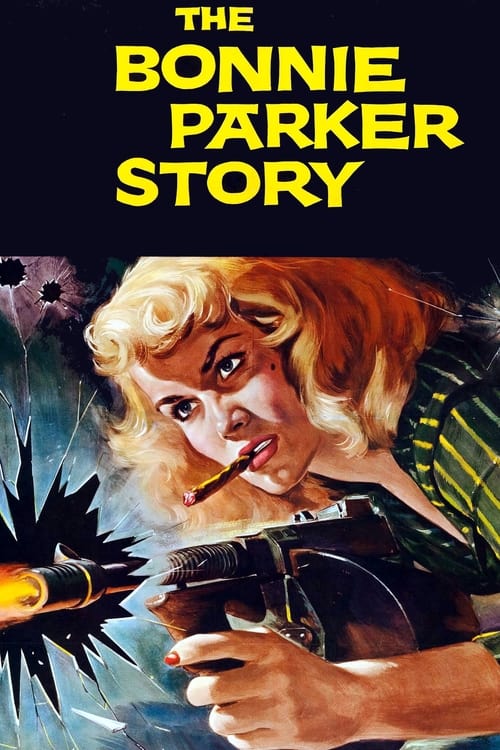
In the 1930s, amoral blonde tommy-gun girl Bonnie Parker cut a swath of bodies across the South-West. Starting out on gas stations and bars with side-kick Guy Darrow she graduated to bank hold-ups with Darrow's brother and, after bloodily springing him, her jailed husband. But there was never any doubt who was in charge.
The Bonnie Parker Story

A fictionalized biopic about aviation pioneer Amelia Earhart. A female pilot breaks the Los Angeles to New York record and attracts the interest of the U.S. Navy, who want to send her on a spy mission.
Flight for Freedom
The Huntley-Brinkley Report was the NBC television network's flagship evening news program from October 29, 1956, until July 31, 1970. It was anchored by Chet Huntley in New York City, and David Brinkley in Washington, D.C. It succeeded the Camel News Caravan, anchored by John Cameron Swayze. The program ran for 15 minutes at its inception but expanded to 30 minutes on September 9, 1963, exactly a week after CBS Evening News with Walter Cronkite did so. It was developed and produced initially by Reuven Frank. Frank left the program in 1962 to produce documentaries but returned to the program the following year when it expanded to 30 minutes. He was succeeded as executive producer in 1965 by Robert "Shad" Northshield and in 1969 by Wallace Westfeldt.
Huntley-Brinkley Report
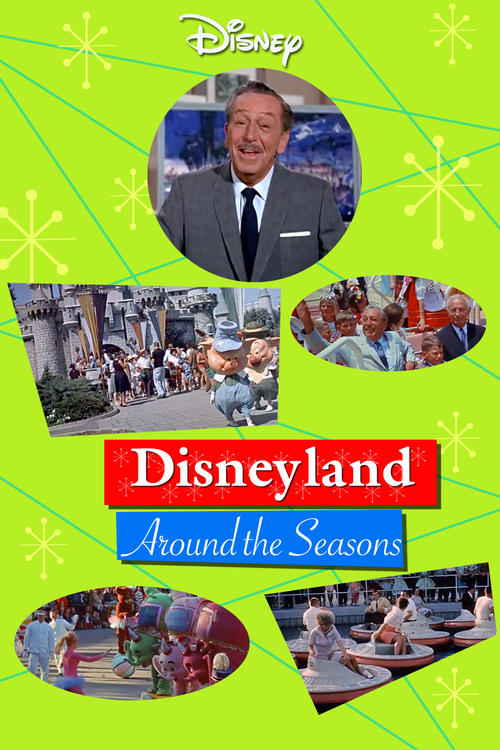
Walt takes viewers on yet another tour of Disneyland to point out some of the newest additions to the park, including New Orleans Square, It's a Small World, and Great Moments With Mr. Lincoln.
Disneyland Around the Seasons
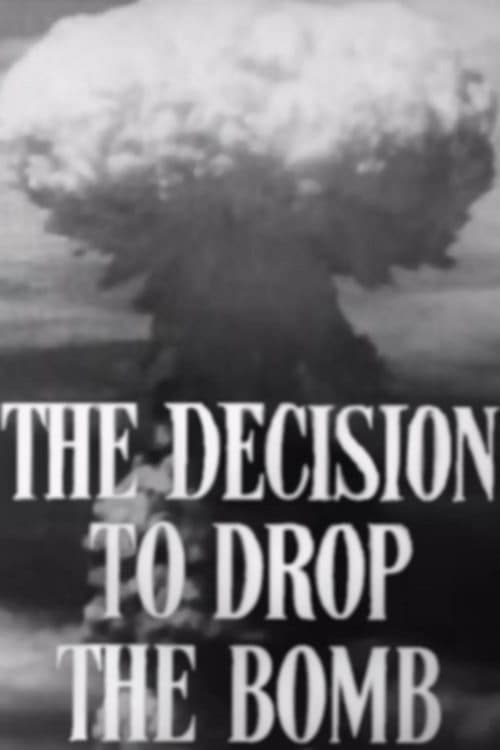
J. Robert Oppenheimer and other key figures involved in the decision to drop the first atomic bomb discuss their motivations in this NBC News documentary. Originally produced and televised in 1965, two decades after the bombings of Hiroshima and Nagasaki, it was re-released in 2023 with an epilogue by Michael Beschloss, NBC News Presidential Historian.
The Decision to Drop the Bomb

The New York Friars club roasts Don Rickles. Hosted by Johnny Carson.
Friars Club Roast of Don Rickles
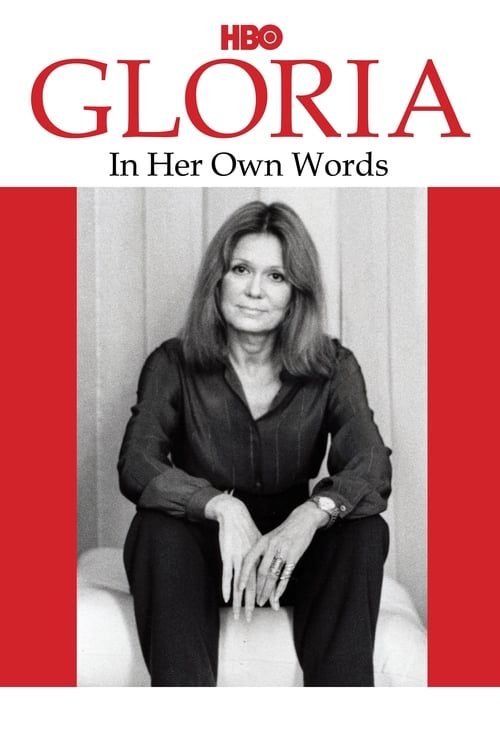
Despite decades of opposition from the right, and recent personal setbacks, Gloria Steinem remains one of the most outspoken and visible symbols of the women’s movement today. This film blends interviews of Steinem in her Manhattan apartment, archival footage, photographs from throughout her life and clips from press interviews over the years.
Gloria: In Her Own Words
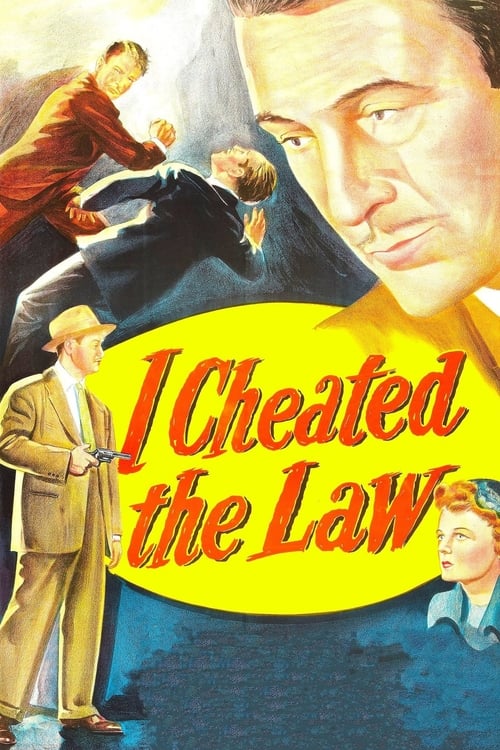
An attorney (Tom Conway) learns he was duped into being his gangster murder client's (Steve Brodie) alibi.