Raimundo Higino
Editing
Known For

O is a young, vivacious photographer who falls in love with Rene. While their relationship seems like a storybook romance at first, everything changes when he sends her to a place called Roissy, where women are subjected to intense physical and psychological S&M training to make them the perfect slaves.
The Story of O, the Series

After the death of her handsome but good-for-nothing husband Vadinho, Flor, a widow, marries Dr. Teodoro, a respectable gentleman. Hilarity ensues when Vadinho's spirit returns into her life.
Dona Flor and Her Two Husbands

Solange is a recently married young woman whose wedding night did not end well. After constant fights with her husband, she decides to live through her sexual frustration by sleeping with strangers she picks up on crowded buses in Rio de Janeiro.
Lady on the Bus

A shockingly irreverent follow-up to the rural austerity of Barren Lives, dos Santos’ Godardian social satire owes more than a nod to the self-conscious antics of the French New Wave. The pampered son of a general, El Justicero is a hipster playboy who fancies himself a James Bond/Jean Paul Sartre urban hero. “Archetypical” yet “full of contradictions,” he sees that justice is achieved for the disadvantaged while taking advantage of certain bourgeois perks. His exploits are closely followed and eventually directed by his biographer who decides a film is not only more lucrative than a book, but it gives him the luxury of reviewing previous scenes. Unlike Bond, El Jus eventually experiences an awakening which threatens to compromise the entertainment value and glamour of his life story. - Harvard Film Archive
El Justicero
A veteran popular singer remembers her early days before fame as a humble woman who faced many obstacles in order to achieve fame, notoriety and make her dreams come true. Her life, the songs, the men she knew and helped her on her ladder to success all have a big influence on her life.
The Star Rises
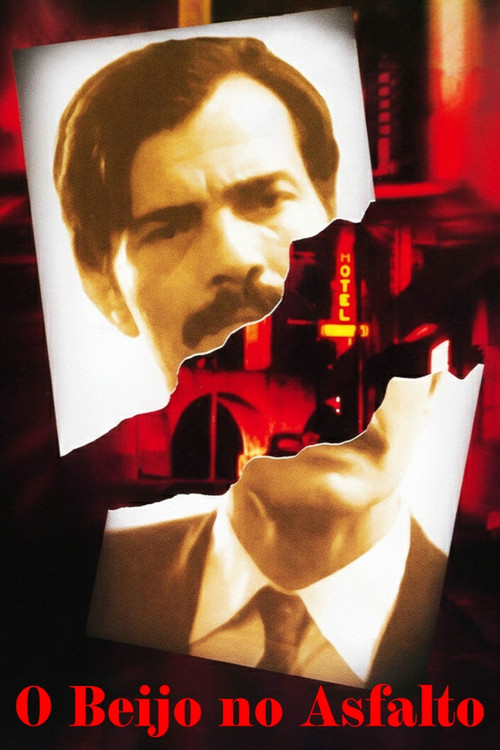
When a pedestrian is hit by a bus, the simple clerk Arandir runs and kisses the moribund in a gesture of sympathy and unconditional pure love. Opportunist photographer Amado Pinheiro witnesses the scene and sees the opportunity to sell newspaper and, together with the despicable and abusive chief of police Cunha, accuses Arandir of homosexuality.
The Kiss
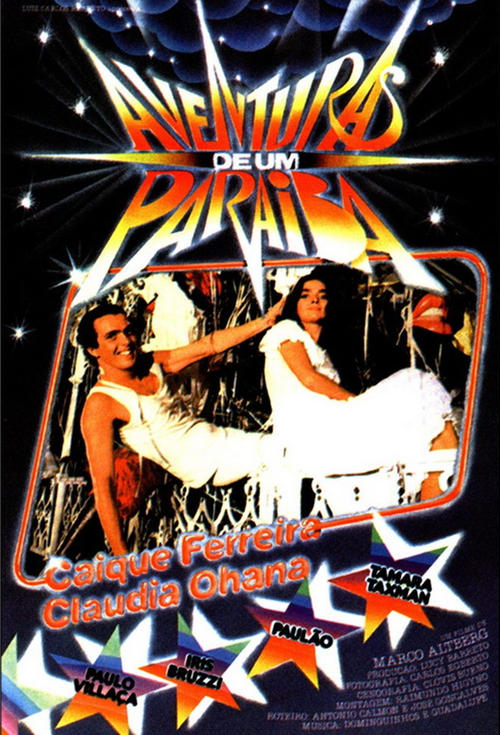
Young guy from the poor Northeast region of Brazil comes to Rio de Janeiro to try his luck. Naturally, he is faced with many adversities along the way.
The Adventures of a Paraíba
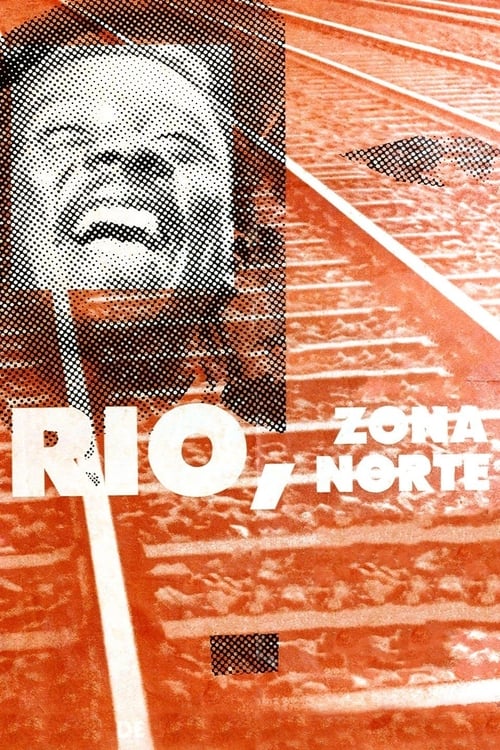
A talented songwriter of sambas is forced to face the social injustices of the city around him.
Rio, Northern Zone

In the 1930s, a blacksmith is accused of murdering his wife and becomes a hero and political leader.
O Crime do Zé Bigorna

A group of armed soldiers is sent to the Northeast of Brazil in an attempt to stop a famine-struck population from invading and stealing a food deposit in the dry backlands. While the alienation and insanity of people driven to hallucination by their latent hunger is conducted by the predictions of a religious figure, a truck driver observes the situation and remains torn between his friendship with the soldiers and his revolt against the lack of government action in fighting the misery that lingers over the region.
The Guns
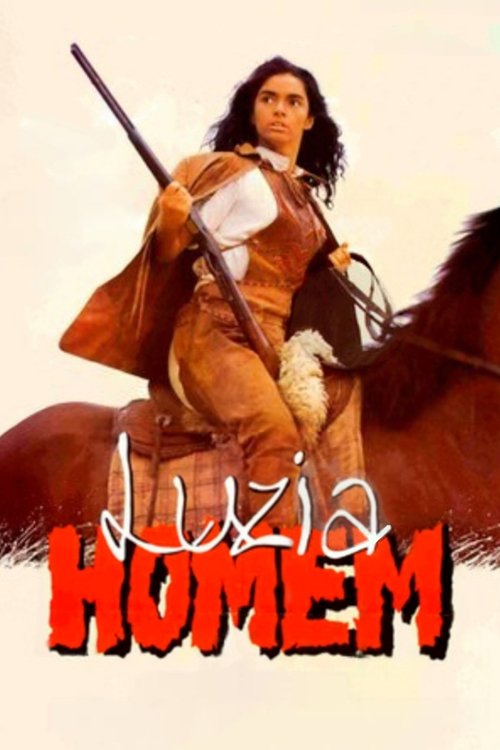
After witnessing the assassination of her parents, Luzia is raised by a cowboy and starts behaving like the men of Brazilian "Sertão". As a grown-up, she sets out to find her parent's murderer, but ends up discovering love.
Luzia Homem

Pedro, a poor Portuguese immigrant, comes to Brazil to try to change his life, but ends up getting in trouble. He falls in love with the wife of one of his best friends and marries her; soon after, she cheats on him.
Solidão: Uma Linda História de Amor

Documentary about the Football World Cup held in Argentina in 1978, focusing on the competition and behind the scenes of the most important soccer competition in the world. Two versions of the 1978 official film exist, the first "Copa 78 - O Poder do Futebol" was made by Brazilian directors Maurício Sherman and Victor di Mello in 1979 but was later withdrawn by FIFA because of its controversial content. The film includes an interview with Rodolfo Galimberti, one of the leaders of the Montoneros guerrilla group and also made accusations that the Argentinian competition organisation committee had deliberately hindered Brazilian chances of success by tampering with the pitch at Mar del Plata.
'78 Cup - The Power of Football
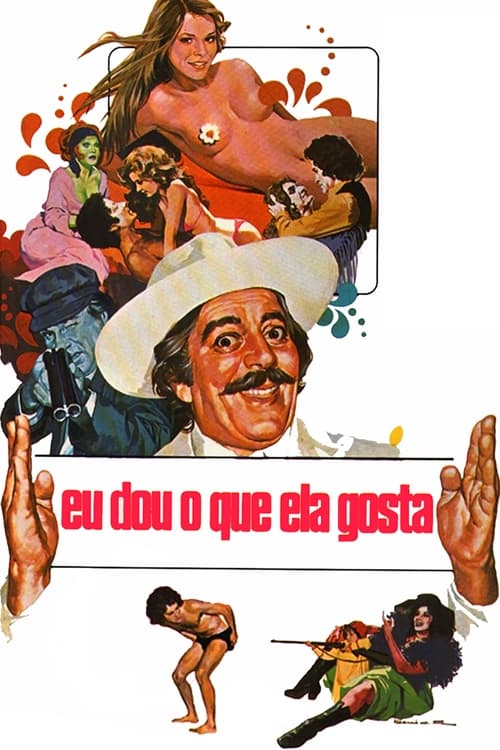
A young couple uses creativity to escape the rules of the girl's father, a conservative Italian, and her grandmother. Even under the patriarch's watch, the roguish boyfriend manages to fulfill his desires.
Eu Dou o Que Ela Gosta
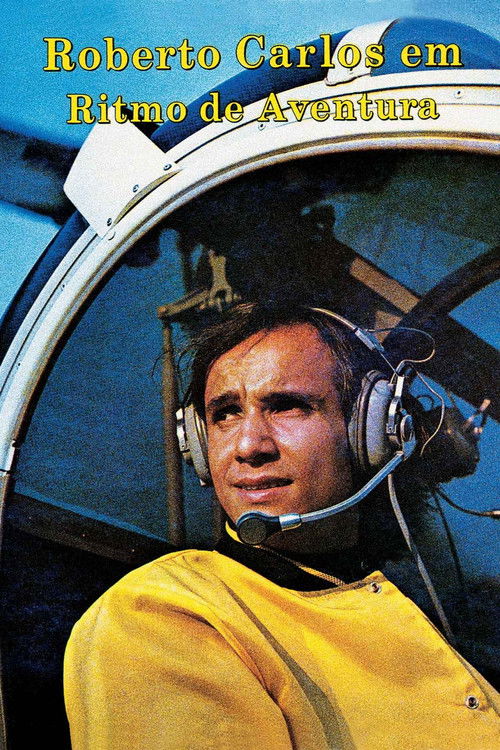
While making a movie in Rio de Janeiro, the singer Roberto Carlos is kidnapped by an international gang that wants to make money with his songs in a computer, together with Pierre, the villain of the movie, and sent to New York.
Roberto Carlos, Looking for Adventure

When a prominent U.S. Nobel Laureate arrives in Salvador, Bahia, the city with the largest black population in Brazil, he stirs emotions by championing a long-forgotten local writer named Pedro Archanjo, who believed that humanity would be improved only through miscegenation.
Tent of Miracles

An industrial couple spends more than they can afford. In financial trouble, the husband Afraninho devises a strange kind of business, for foreign executives, in which the product is his own wife Malu. They succeed, and soon other couples start doing the same thing, establishing the competition.
O Bom Marido

Romantic adventures of a group of Rio de Janeiro teenagers and surfers.
Menino do Rio

The seamstress Manuela, Tati's single mother, moves from the suburbs to Copacabana but faces severe financial difficulties. A friend of Manuela's sometimes fills in for Tati's father, giving the girl temporary happiness.
Tati, a Garota
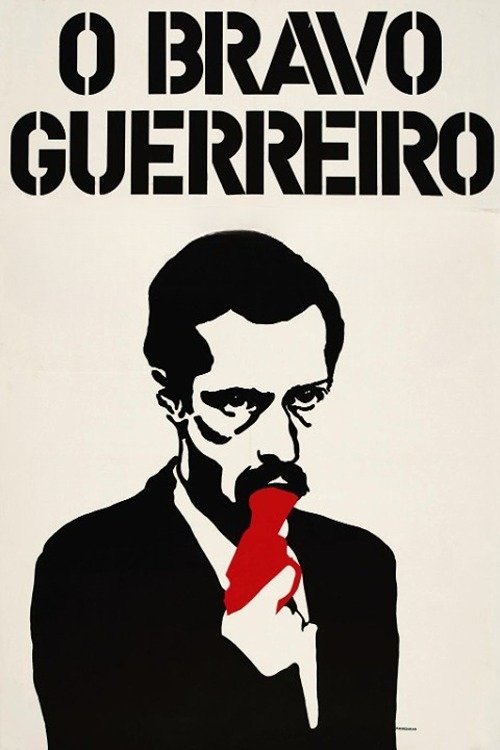
Young congressman Miguel Horta represents a party that is directly opposed to the present government. He slyly switches parties in order to gain favor with those in power, seriously compromising his own ideals and ethics in the process.