Directing
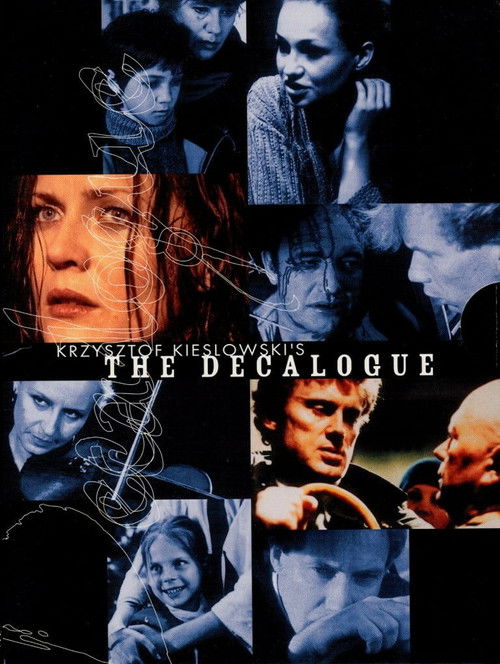
The Ten Commandments, exact and uncompromising, literally cast in stone, continues to provide a source of moral conflict in contemporary society. In the ten part collection of films, The Decalogue, Krzysztof Kieślowski examines the dilemma of fundamental sin in the lives of ordinary Warsaw citizens.
It is a bitter story about a middle-aged man, who hates his life and other people, including himself. Adam Miauczynski, the character known from director Marek Koterski's previous films, is a 49 year-old teacher, who reads poetry during school lessons and later goes home swearing and calling his neighbours' names. The worst pain for him is the next 5 minutes of living. He doesn't accept himself and even everyday contacts with others cause his aggression. Though constantly dreaming of a romantic love, he is not bold enough to make his dreams come true. The desperate Miauczynski personalizes our own fears and obsessions, which have become so visible recently.
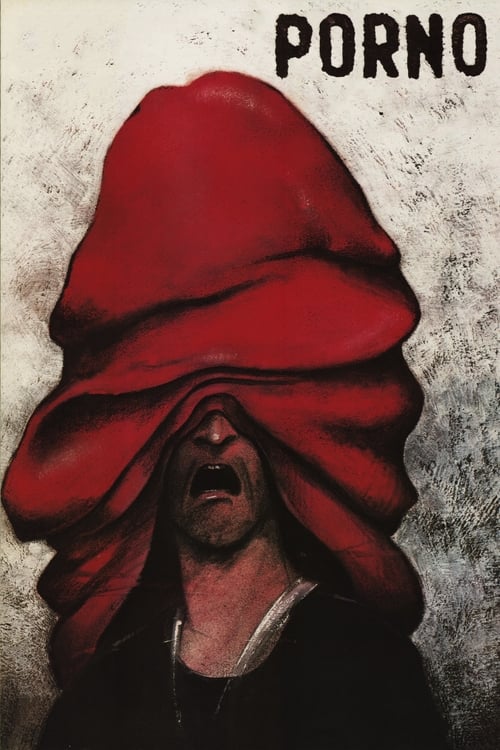
Michał, a mature man and father, is full of bitterness, regret, and longing for unfulfilled youthful dreams of true love. He reminisces about all his past lovers. With his first, Asia, he went on a seaside camping trip. He was 19 at the time, and she was two years younger. Despite his unambiguous advances, the girl resisted for a long time. Eventually, however, she gave in. For Michał, it was the proverbial pebble that caused an avalanche.
Jerzy and Artur’s father dies, leaving behind a valuable stamp collection, which, they discover, is coveted by dealers of varying degrees of shadiness. The more involved the brothers get in their father’s world, the more dire and comical their situation becomes.
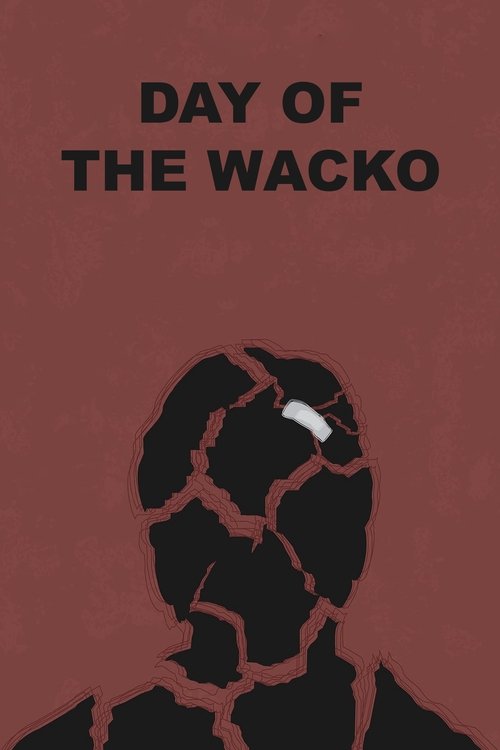
An unemployed census representative asks questions to others experiencing similar difficulties.
An original impressionistic film that asks viewers about the shape and duration of life. By fulfilling their needs, humans devastate the environment and cause ecological disasters. It is also up to them whether life will be destroyed or continue.
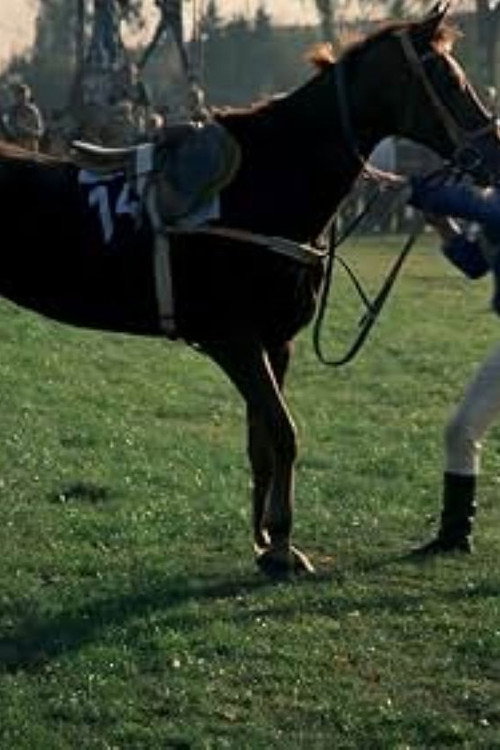
What initially appears a hymn to equestrianism soon turns into an illustration of the kind of horrible injuries horses can suffer in riding and jumping contests.
It's 1940. German forces are prevailing over Allies across Europe. The crew of the Polish submarine, now serving in the Royal Navy, is waging a heroic fight against the invisible enemy.
A young writer returning from Italy stops for the night in a random house inhabited by young people.
Stanislaw Skalski, the most brilliant ace pilot in Polish history, who took part in the Battle of Britain, shares his wartime memories. He also tells about the horrifying post-war period when he spent seven years in jail.
A student film made during the second year of extramural studies at the Department of Cinematography and Television Production at the PWSFTviT in Łódź. An expression of the author's fascination with cinema: Bergman, Wajda, Eisenstein, Polanski, Kieślowski, Marczewski – recognizing the references is a task for the viewer.
A young teacher and a conservative mayor fight over influence in a village in Western Poland, all while falling in love with each other.
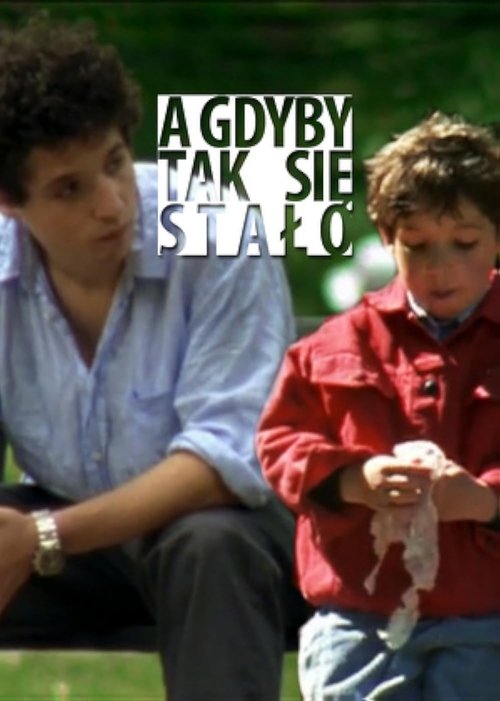
Tomek, Marcel Lozinski's son, is eighteen now. Exactly twelve years ago, when he was six, his father filmed him while he was visiting a park in Warsaw. Tomek used to stop next to some old people sitting on the benches, and, with childish frankness, would ask them questions about joy, loneliness, fear of death, dreams, love and lack of love. Now, after twelve years, on his birthday, Tomek comes back to the garden of his childhood. A magical encounter will commence.
When a demanding and seemingly tactless music teacher from Warsaw is assigned to a special needs educational centre in a remote village, he and his new group of students become increasingly at odds with each other as they struggle to understand and accept each other’s ways. They have but one month to reconcile their differences, and make something meaningful together.
The story of a young ex-con working with handicapped children and the changes that gradually occur in him.
Documantry
Antiquarian bookstores are most often associated with the tranquility of visitors and the quiet due to old, dusty books. This one in Warsaw, however, is quite different. One comes here not only for the books, which one has to dig out oneself with difficulty from the piles piled up in a small room. Customers are mostly regulars, who treat it as a place to meet, talk and confide in people who are often strangers. The shrine is managed by Mr. Krzyś. Like a doctor, he seems to know what hurts his customers and what they need. Despite his coarse nature, he makes the conversations in the antique shop go on from morning to evening.
The film follows kickboxer Marek Piotrowski’s rise to fame after winning the amateur world championship and moving to the US, where he becomes the US and World Champion. His success attracts Hollywood stars and a movie offer. However, after a knockout loss to Ricky Roufus and a defeat to Rob Kaman, his health and life decline. Facing personal struggles, including a divorce and the revelation he isn’t his son’s father, he returns to Poland to rebuild his life.
Kazimierz Leski tells the story of his life. During the war, he was a spy of the Polish resistance, pretending to be a German general. After the war, he was tortured and imprisoned for espionage, and spent ten years in Stalinist jail.
Documentary about the French Foreign Legion centering on a Pole who fought in Sarajevo.