Anja Salomonowitz
Directing
Known For
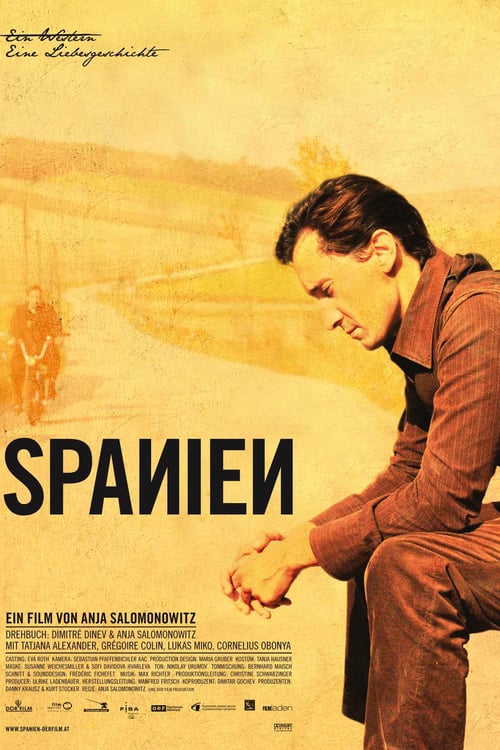
Four loosely connected stories tell of the here and now, where human trafficking, the vagaries of people smugglers, violence against women, restrictive immigration laws, gambling addiction, debt and business deals of all kinds are the order of the day.
Spain
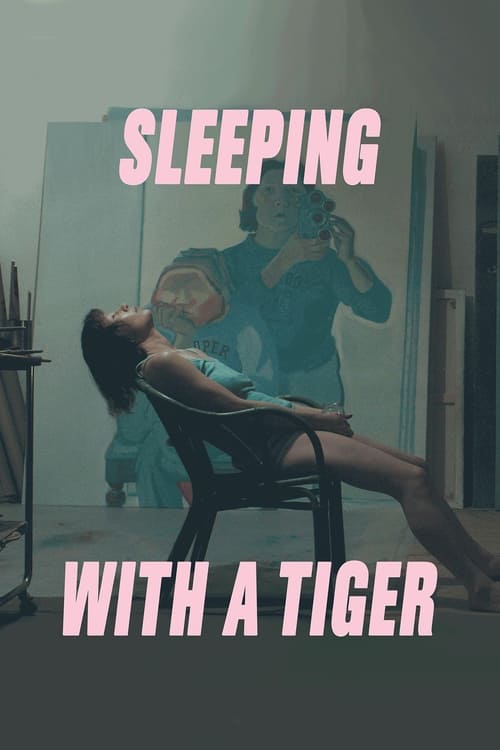
A poetic portrait of the Austrian painter Maria Lassnig.
Sleeping with a Tiger
Twenty-eight well-known filmmakers living and working in Austria were invited by WIENER MOZARTJAHR 2006, to produce associative miniatures on Mozart. Requirement: they had to be one-minute artistic short films. The directors come from a whole range of different backgrounds, ranging from animated, experimental and short film to documentaries and feature films. The result is a multi-facetted sampler of diverse formal and contextual positions with regard to Mozart’s person and his influence on today’s society, art and culture. The contributions run the gamut from experimental-conceptual statements through socio-critical and documentary observations to pithy short feature films.
The Mozart Minute
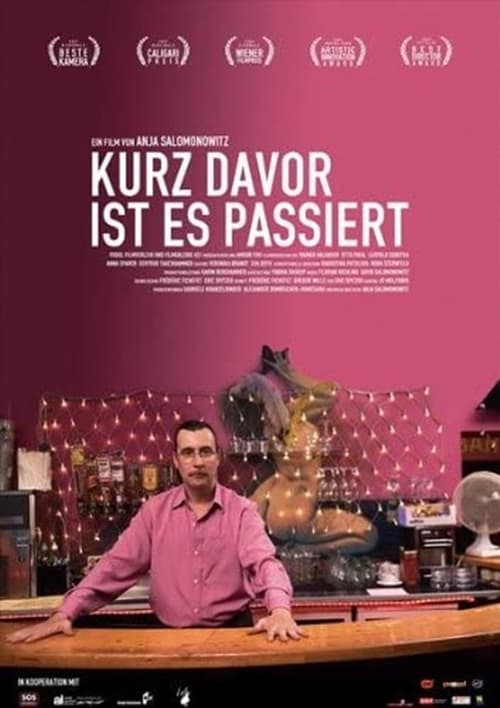
Five people in their everyday surroundings tell stories that they have never experienced personally. They recount tales of people involved in trafficking in women. They tell of exploitation , violence and force. They tell of realities which have happened and which might have happened in the places shown.
It Happened Just Before
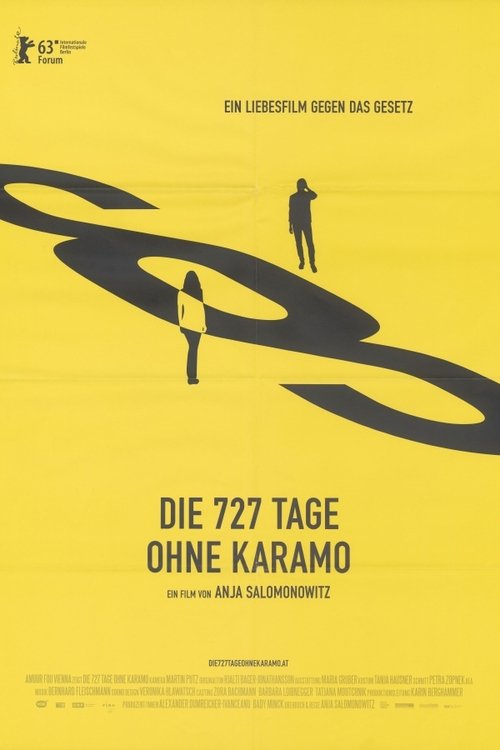
In the film, couples, whose love is put to a special test, give us insight into their lives. One partner of each couple is not originally from Europe and the lovers find themselves confronted with immigration law and its impact. The director combines very different facets into an exciting, very moving and strongly expressive documentary mosaic. A compelling, filmic plea for love without borders.
The 727 Days Without Karamo
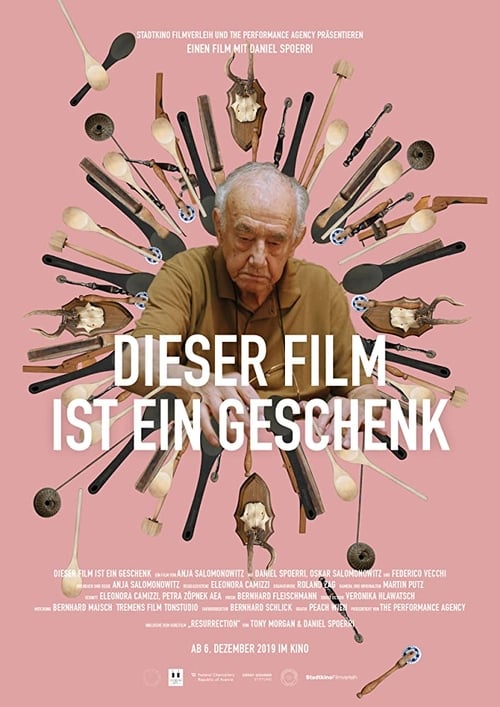
A film about the artist Daniel Spoerri. It's actually a film about a thought by Daniel Spoerri: a film almost without Daniel Spoerri, it's actually mostly acted out by a child - to say no less than that everything somehow goes on in life, even if you die in between.
This Movie Is a Gift
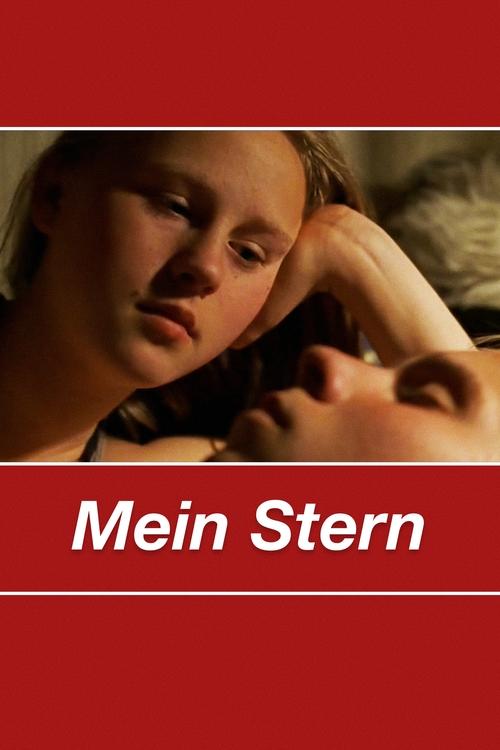
It is about a girl's everyday life at the end of her school days, trying to find a way into society and her own life.
Be My Star
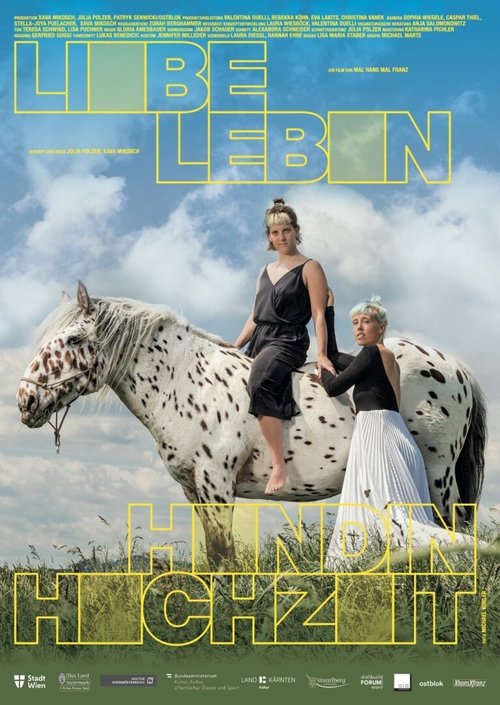
“Getting married, starting a family, growing old together. What constitutes a perfect life and how do ideas, longings and desires meet a consumer-oriented society that is always striving for better? The artistic documentary accompanies Julia and Xava at sales fairs on the topics of marriage, baby, pet and age. Between offers such as mommy fitness classes, the perfect wedding pictures or the smartly designed family SUV, they deal with role and gender images and the expectations that come along with them. WE WANT MORE IN THE LAND OF UNICORNS is the narrative of a journey that invites the audience together with the filmmakers to reflect on gender roles, perfection, competition, the good life and what it takes.”
We Want More in the Land of Unicorns

Anja Salomonowitz portrays three women from her family who were still almost girls during the Nazi era. They stood on different sides, present history differently today, and belong to different memory collectives: her great-aunt survived Auschwitz. Her nanny was a socialist and supported her uncle in the resistance. Her grandmother lived in Graz during the war and did what most people did: nothing. The film confronts family narratives, examines the aftermath of history and the mechanisms of its transmission. Preceded by a work by Linda Christanell – "composed of fragments of reality and assembled into a new space."
Das wirst du nie verstehen
A documentary about the wondrous passion of Carmen Martinek, who takes movie theaters as her lovers.Carmen does a little of everything at Vienna's Schikaneder cinema: She cleans and caresses it, and runs the projector. She strokes its seats and even sleeps there after long nights at the bar. It is, she admits, just like being with a person you couldnŽt live without. Anja Salomonowitz made a quiet little film about Carmen, observing her as she moves through the empty theater, as she puts in only brief appearances at home and immediately returns to the base station. After being forced to watch as her last theater was transformed into a supermarket, Carmen considers movie theaters to be erotic but also endangered environments.
Carmen
An actress is cast to bring Paula Modersohn-Becker, one of Germany’s most influential painters, to life. As she immerses herself ever deeper into the artist’s world, encountering key figures such as Otto Modersohn, Clara Westhoff-Rilke, and Rainer Maria Rilke, the lines between role and reality, portrayal and identification, begin to dissolve.