Nicolas Rey
Directing
Biography
French filmmaker Nicolas Rey has directed a series of remarkable fictional documentaries, intricate feature-length (and sometimes longer) essay films that meld historical fact with fantasy and autobiography while implementing modernist literary strategies to unravel heady and playful ruminations on ideological and cinematographic technologies. Equally philosophical and structuralist-materialist, Rey's cinema uses lyrical, ludic and topographical forms of narrative to question the definition and limits of the State and cinematic illusionism. Rey's filmmaking is deeply informed by his active role as a member of the artist-run not-for-profit film laboratory, L'Abominable, one of the last bastions of photochemical artisanship in Western Europe. Employing exquisite hand-processing techniques, Rey uses photochemical grain and stain to give emotional texture and nuance to his painterly imagery which discovers moments of sublimity within seemingly quotidian scenes. — Haden Guest
Known For

No description available.
Nivis: Amigos de otro mundo
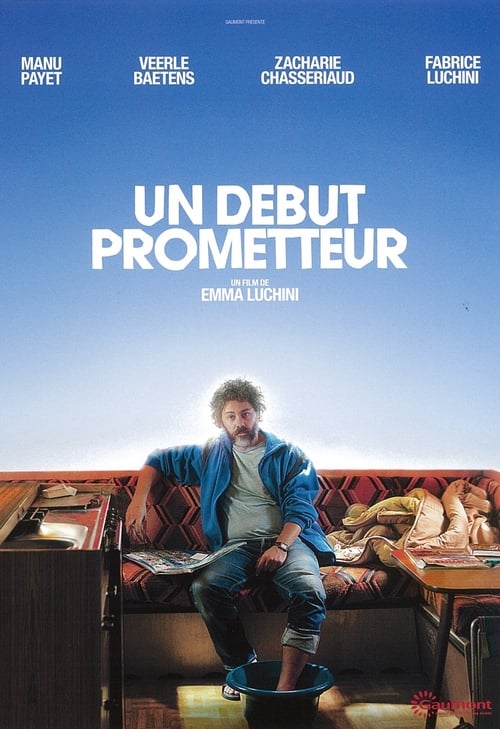
Tired of life, Martin returns to live with his romantic father and idealist little brother Gabriel.Martin will try hard to warn Gabriel about falling in love until Mathilde - a gambler - enter the picture...
Un début prometteur
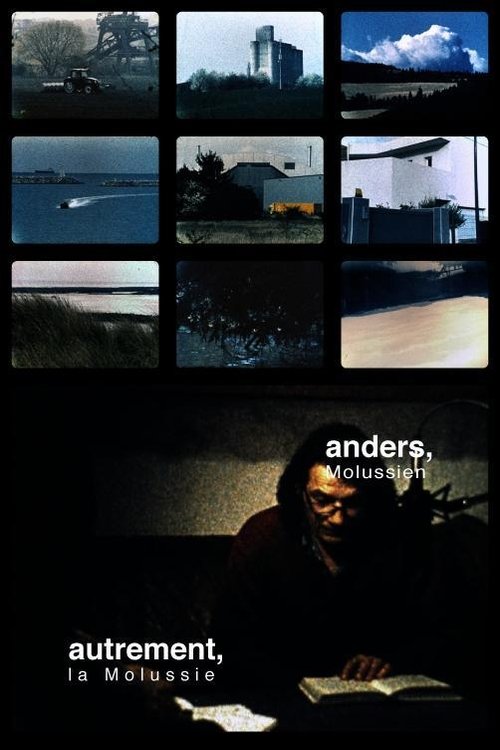
Nine short, individually titled reels of colour 16mm film, which are presented in a random order determined before each screening. Drawing on a text by German philosopher Günther Anders, the film is an imaginary documentary about Molussia, a fictional totalitarian country that Anders invented to represent the dystopia of fascism.
Differently, Molussia
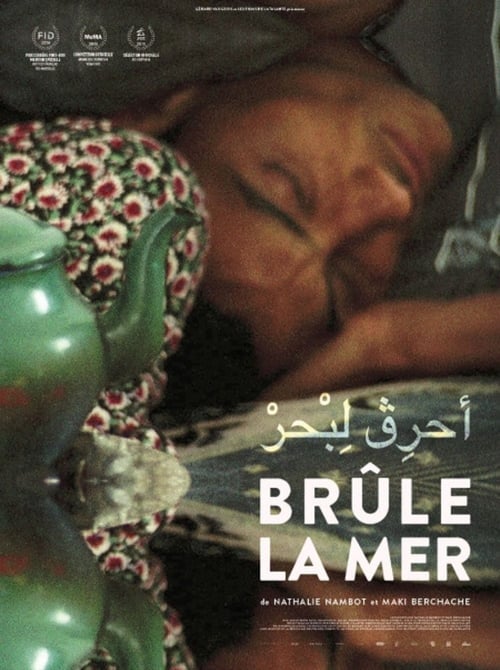
From the seascapes of the North African Mediterranean to the streetscapes of Paris, this personal 16mm essay film explores the idealism and hard realities of departure and arrival. Stories of the post-revolution Tunisian diaspora in France, who “burned the sea” to leave, only to discover a new form of confinement in their liberation, provide a powerful meditation on personal revolution and freedom, and the compromises that face those whose mobility is a double-edged sword.
Burn the Sea
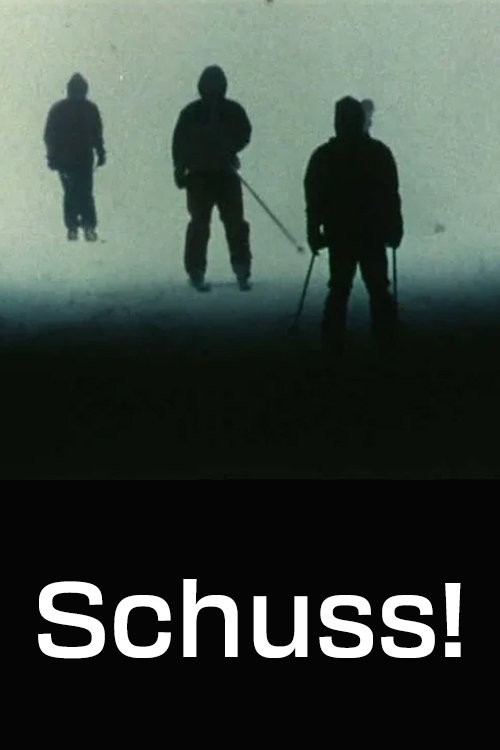
Rey's first feature film begins as a stylish quasi-verité documentary about everyday life in a modest French ski resort. Gradually the film's attention shifts and discovers the dominant presence of the aluminum industry in the area steadily reshaping the region and threatening the resort itself. Shot on grainy 16mm treated with extreme photochemical techniques, the fable about industry and capitalism is an exploration of landscape as a hidden set of signifiers of power. - Harvard Film Archive
Schuss!
The subject doesn't matter. Grab moments of reality, following your desires, without first judging the coherence of the whole. Wander. Trust the pictures - and the sounds. Slowly, confront the first pieces and discover what your desires meant. Put aside certain shots that don't fit. Shoot more; complete the composition, trying not to reduce it to a story. Reconsider the elements you left aside. Keep going. The «really upside-down world» stands behind our eyes. Each of us is a social body.
Opera mundi ou le temps des survêtements
In 1998 it seemed impossible to Balagura to make films in the Ukraine without becoming a slave to television; he therefore left for Italy, the "country of culture". With no immigration papers, with a wife and two children, the less agreeable realities of his situation soon caught up with him. In 2004, armed with a basic mini-DV camera borrowed from a friend, with a casual acquaintance as camera operator, he shot 'Pausa Italiana'. From a small village in the Abruzzi region, he observed the reality surrounding him; he also turned the camera upon his own status as migrant, a situation no documentarist could capture. He allies precise recordings with a fragmentary narrative of literary quality, giving the film a particular quality: auto-fiction and ethnography intersect to form an Aristotelian poetic, avoiding separation between self and other, observer and observed, the real and the cosmic
Pausa Italiana
A lady unwittingly seeks shelter in a bar, where she attracts the unwelcome attentions of one of the customers.
Hymne à la gazelle
Soviets Plus Electricity is a cinematic journey through Russia to Magadan, a city famous in Soviet times for being synonymous with deportation. Based on excerpts from his acoustic diary, documentary footage and some autobiographical insights given on the way, the roving reporter searches for imaginary roots and its historical and political implications. The film was shot in August and September 1999 - Los Angeles Filmforum
Soviets Plus Electricity
Terminus for you, by Nicolas Rey, takes us on a strange journey. That of passengers in the Paris metro. they use a moving railway which takes them from one platform to another, from one line to another and from one destination to the next. What do we actually see ? The thick grain of the black and white film composes very pictorial images. Geometric shapes come and go. The faces of people come into view and then flit away. Glimpses of words, titles torn from posters, are interspersed between these fleeting encounters. The filmmaker ingeniously presents people according to affinities: mocking young girls in a hurry, tired old couples… This is a real comédie humaine presented to us — in a few fragments and a small number of shots. Then, a few minutes from the end, the cinematic process reaches the outermost limit and the images disintegrate. The film itself seems to decompose and the faces only leave their final impression on the canvas.
Terminus for you
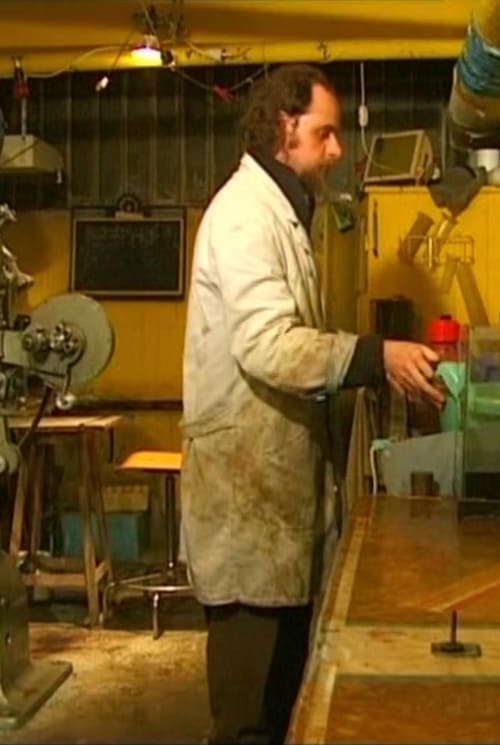
Portrait of experimental filmmaker Nicolas Rey.