Acting
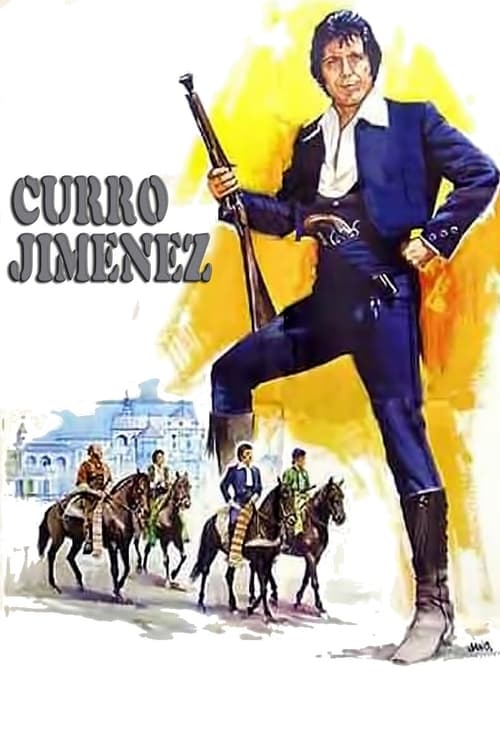
Curro Jiménez was a successful Spanish TV series that aired on TVE1 from 22 December 1976 to 1979. Its main theme was Andalusian "bandolerismo" in the 19th century, located in the Ronda mountains. The main characters were four bandits, Curro Jiménez
No description available.
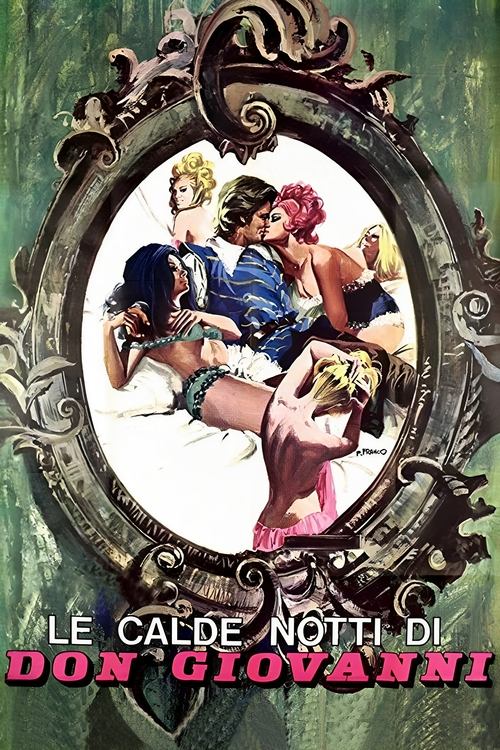
Film inspired on the character from "Don Juan Tenorio".
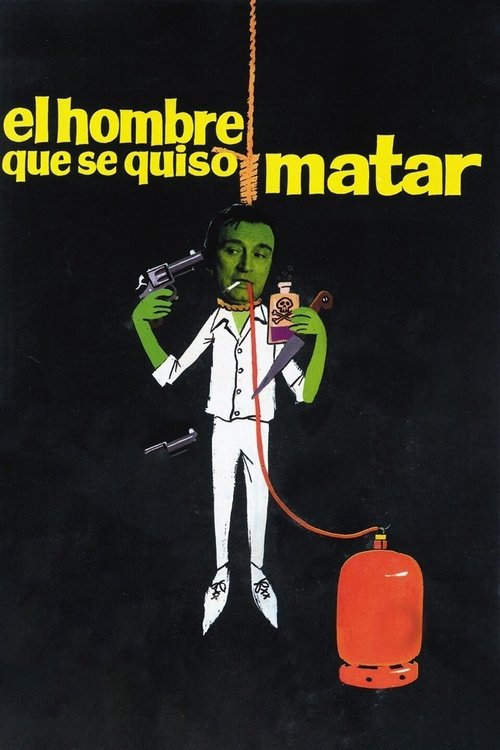
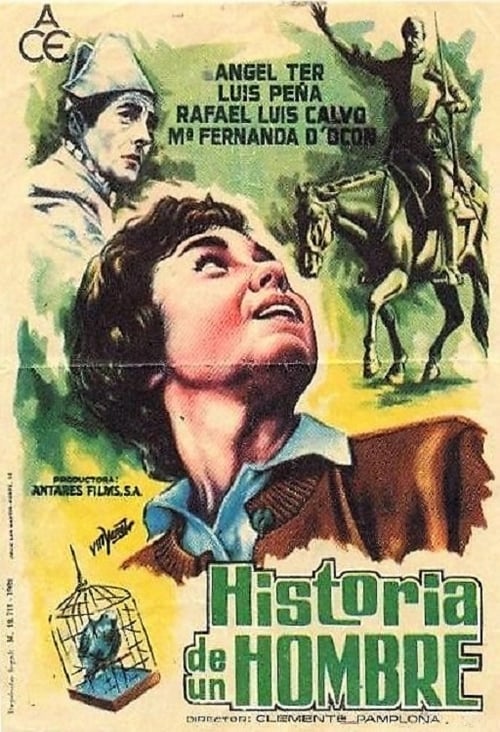
Things go terribly wrong for Federico. He lost his job as professor of Latin and his girlfriend has left him for a dental technician. So, he decides to commit suicide. After several failed attempts, including the throw from the Roman aqueduct of Segovia, he decides to take advantage of his decision and get rid of a society that has been hostile. Remake of a 1942 film by the same director, Rafael Gil.
Shortly after his return from India, a special agent of the British secret service falls victim to an insidious poisoning in London. Scotland Yard gets involved. But too late: valuable information has fallen into the hands of an international criminal gang...
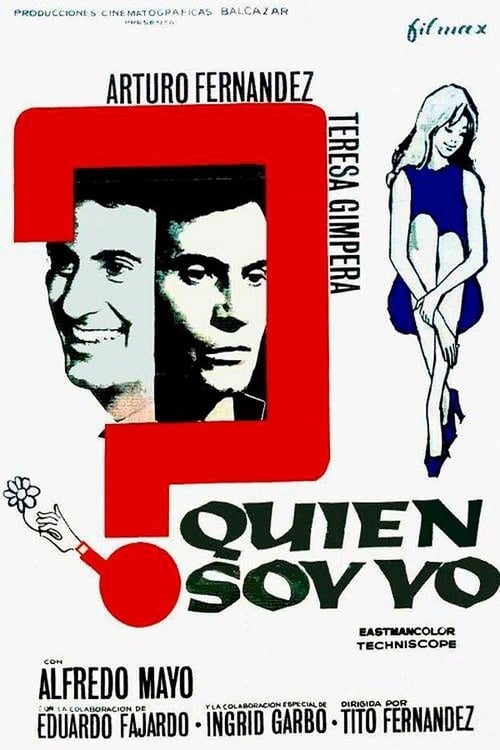
Mario Colomer, prime minister, is burdened by overwork. His problems seem solved when his assistants tell him about Juan Brandel, a possible substitute, just like him physically, but with a funnier and more adventurous personality. At first the plan seems to work and the politician begins to gain popularity. The plot thickens when the 'original' becomes jealous of the 'copy' and the substitute exceeds his functions.
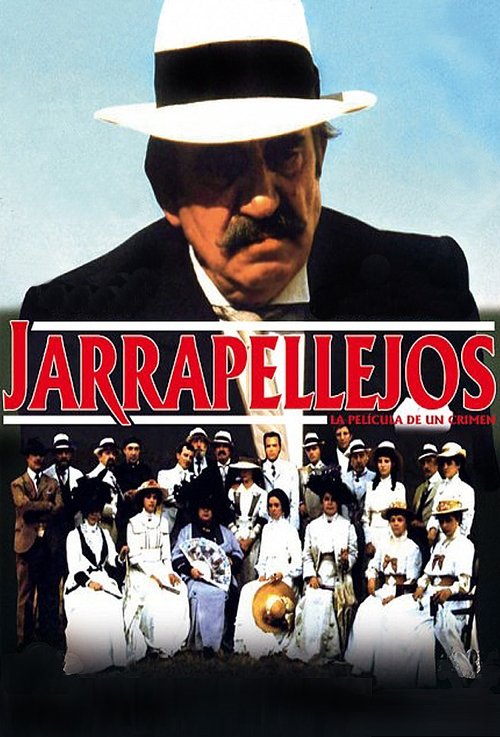
Pedro Jarrapellejos is a ladies man who cannot turn the heads of Isabel or her beautiful daughter. When both peasant women are found raped and murdered in a brutal scene, a schoolteacher is falsely accused. Pedro knows his own nephew and his friend participated in the killings, but he uses his considerable influence over the police and courts to intimidate the witnesses into silence.
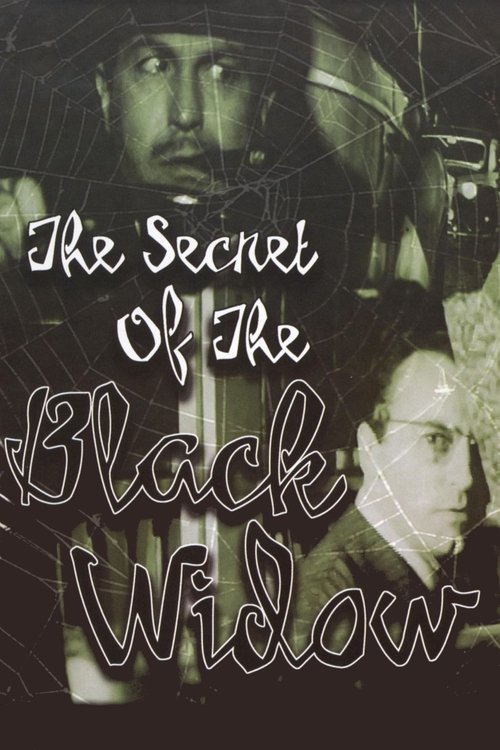
Someone is killing people related to a South American expedition. The means of murder are poison darts with rubber spiders attached to them. A writer and some police detectives investigate.
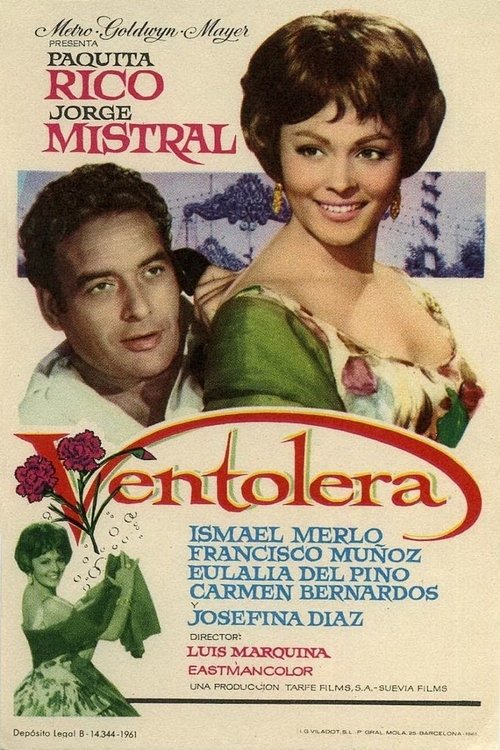
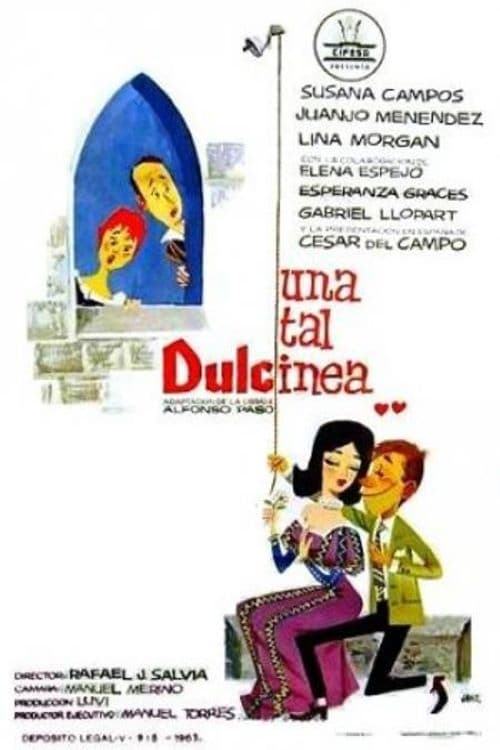
Cristina, a beautiful woman, lives in love with her husband Manuel, who believes the most handsome, charming and, above all, the best husband in the world. Unexpectedly, Manuel dies and, thereafter, Cristina not live but to idealize her husband, going so far as to pay a reasonable service. Until a jilted suitor puts aware of the true personality of her husband. Cristina's reaction was swift, gets a 'gale' and women becomes more attractive and desired of Sevilla.
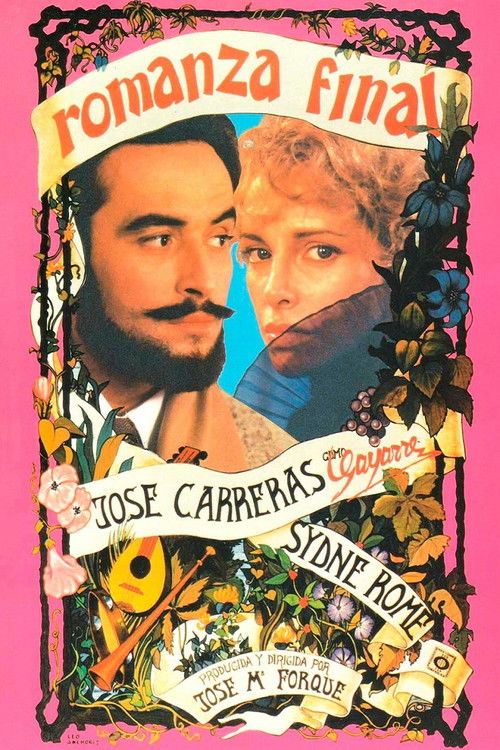
Biography of Julian Gayarre (1844-1890), one of the best tenors of all times. At 19, a professor at the Conservatory of Music in Madrid heard him singing for the first time and offered him a scholarship to continue his studies. His artistic life runs between continued success, becoming the world's greatest tenor. But in 1890, while singing at the Teatro Real in Madrid, a failure in his voice is like a cruel reminder of what would happen a few days later: his death at a young age. The doctors gave a diagnosis, but his friends know that Julian Gayarre died because he could not sing anymore.
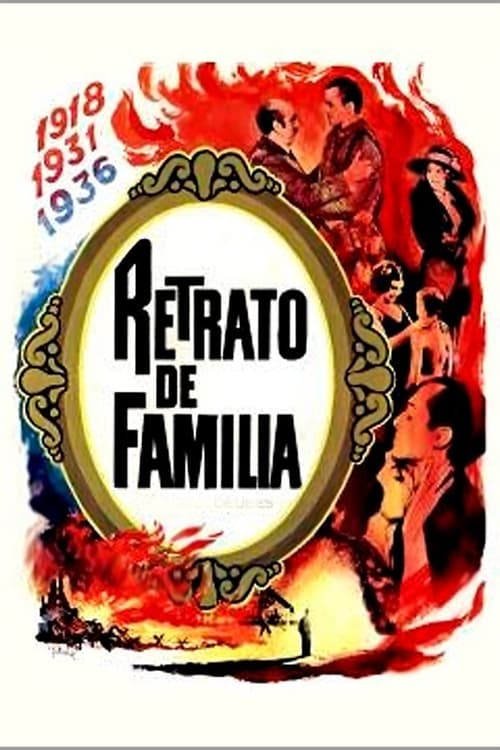
Cecilio Rubes, a businessman engaged in the manufacture of baths and toilets, tries to remain neutral in the imminent Spanish civil war. But the attitude of Cécil, his only child, a spoiled boy who grows without respect their parents, will forced him to face the cruel reality of the facts. Jumping back and forth in time, we are shown his present and his past through his wife Adela and Paulina, the mistress of father and son.
A history professor is married with a beautiful woman but she is intellectually not able to follow her husband. Therefore she seeks her own pleasures and amusements without him.
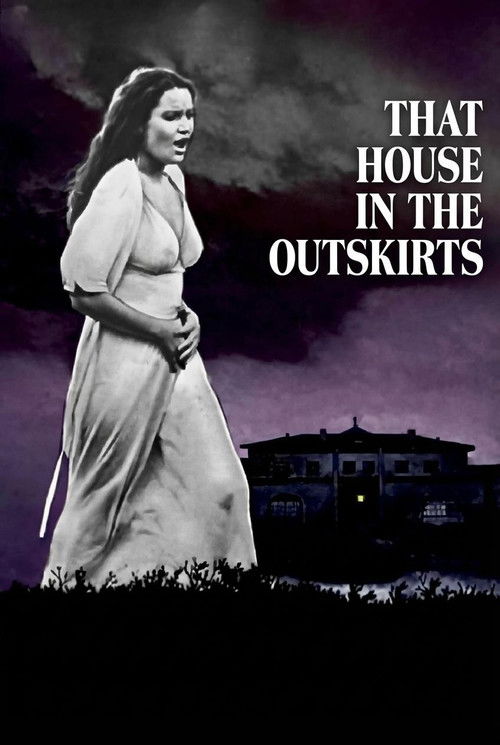
A young girl's husband rents a lovely home just outside of Madrid so she can spend the last three months of her pregnancy in peace and luxury. Unfortunately, just as they arrive at the home, the girl realizes that it is the place where she had secretly had an illegal abortion some years before.
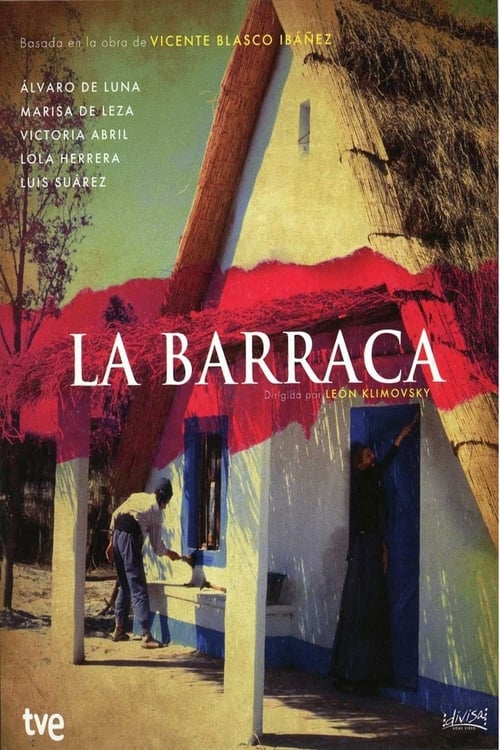
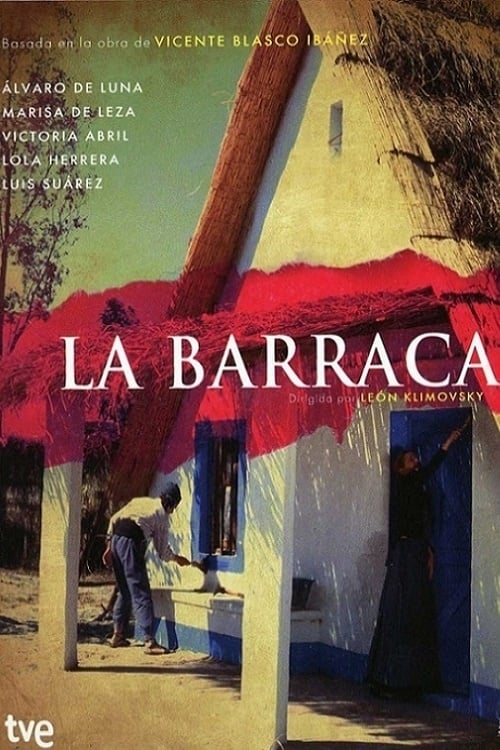
Vicente Blasco Ibáñez wrote in 1898 "La barraca" (The Shack), a novel with some cultural significance among Spanish literature for reflecting rural life at the end of 19th century with specific local color. In 1979, León Klimovsky directed an adaptation in the form of a miniseries. The shack referred to in the title is a barraca, a typical building of the Valencian Community that served as housing for farmers in irrigated farming areas.
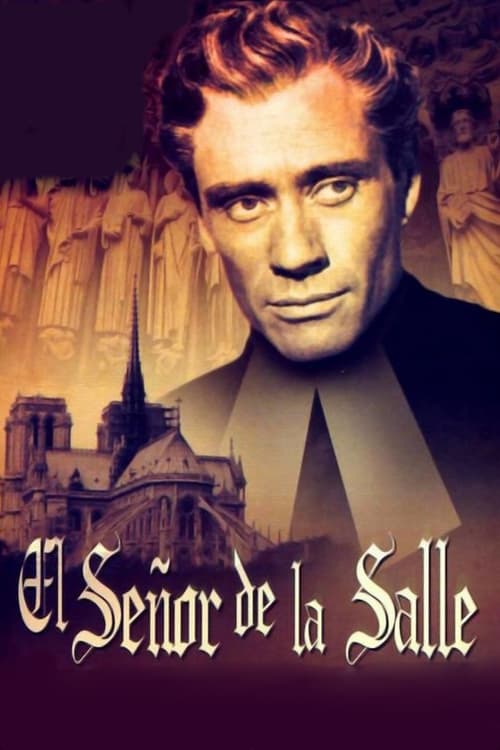
Biography of San Juan Bautista de la Salle , where the effort and hardships that this canon of the nobility had to overcome in order to offer universal and free education to children, his main devotion, in the time of Louis XIV, are appreciated.