Acting
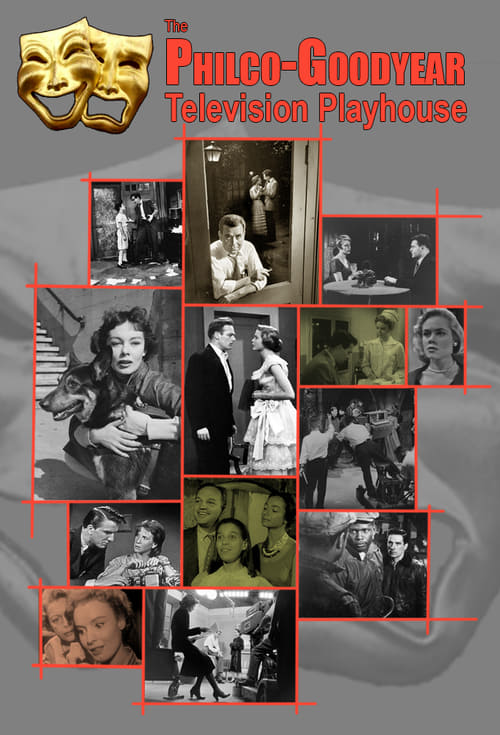
The Philco Television Playhouse is an American anthology series that was broadcast live on NBC from 1948 to 1955. Produced by Fred Coe, the series was sponsored by Philco. It was one of the most respected dramatic shows of the Golden Age of Television, winning a 1954 Peabody Award and receiving eight Emmy nominations between 1951 and 1956.
The Bob Hope Show hosted by Bob Hope, debuted on April 9, 1950. During the 1952-1953 season, NBC rotated with other variety shows in a Sunday night block known as "The Colgate Comedy Hour" (Sept. 1950 to Dec. 1955). Also known as, "The Chevy Show with Bob Hope." When the first special debuted in October of 1950 it was the most expensive television program made up to that point - costing an astronomical $1,500 a minute to produce. Bob Hope had his own television show and radio show at the same time. For the next three seasons, The Bob Hope Show was broadcast once a month on Tuesday nights, giving Milton Berle a week off. Bob ended his radio show in April, 1956. Bob Hope also had another show by a similar name, "The Bob Hope Show (All Star Revue)". In addition, he performed in "Specials" for many years. It is the longest running variety program in television's history with a record of 45 years of televised entertainment.
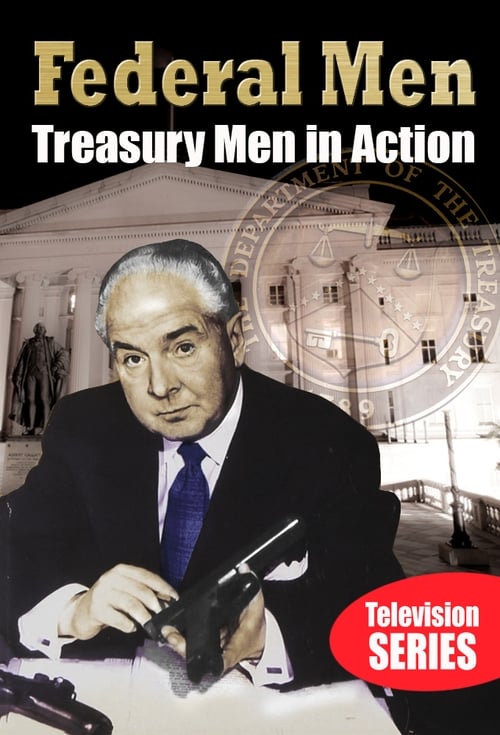
Treasury Men in Action is an American crime drama series broadcast live and which aired from 1950 through 1955 on ABC. The series stars Walter Greaza, Ross Martin, and Tom McKee. It was directed by William Beaudine, Leigh Jason, and Will Jason among others.
Long-running anthology program sponsored by Hallmark Cards. Beginning in 1951 and continuing into 2019, the series received 80 Emmy Awards, 24 Christopher Awards, 11 Peabody Awards, 9 Golden Globes, and 4 Humanitas Prizes. Early seasons were a weekly live drama, eventually transitioning to videotaped and then filmed productions broadcast as occasional specials.
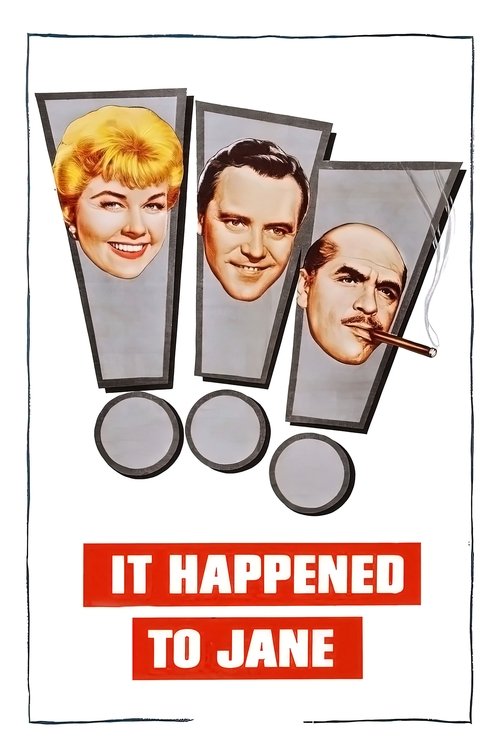
Jane Osgood runs a lobster business, which supports her two young children. Railroad staff inattention ruins her shipment, so with her lawyer George, Jane sues Harry Foster Malone, director of the line and the "meanest man in the world".
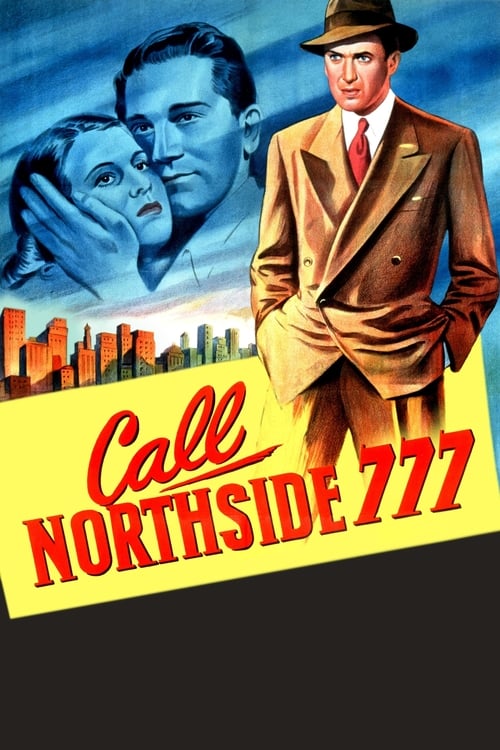
In 1932, a cop is killed and Frank Wiecek sentenced to life. Eleven years later, a newspaper ad by Frank's mother leads Chicago reporter P.J. McNeal to look into the case. For some time, McNeal continues to believe Frank guilty. But when he starts to change his mind, he meets increased resistance from authorities unwilling to be proved wrong.
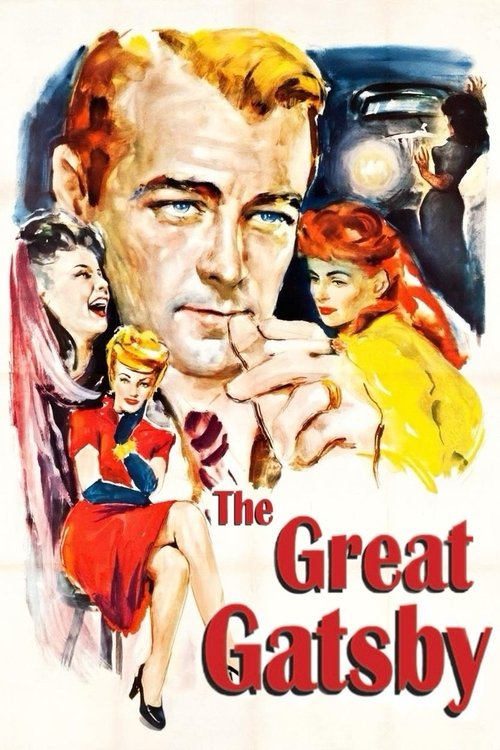
Nick Carraway, a young Midwesterner now living on Long Island, finds himself fascinated by the mysterious past and lavish lifetyle of his landlord, the nouveau riche Jay Gatsby. He is drawn into Gatsby's circle, becoming a witness to obsession and tragedy.
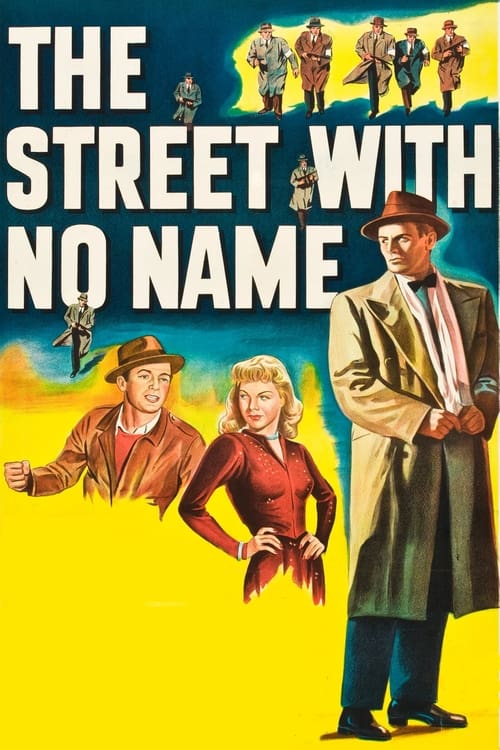
After two gang-related killings in "Center City," a suspect (who was framed) is arrested, released on bail...and murdered. Inspector Briggs of the FBI recruits a young agent, Gene Cordell, to go undercover in the shadowy Skid Row area (alias George Manly) as a potential victim of the same racket. Soon, Gene meets Alec Stiles, neurotic mastermind who's "building an organization along scientific lines." Stiles recruits Cordell, whose job becomes a lot more dangerous.
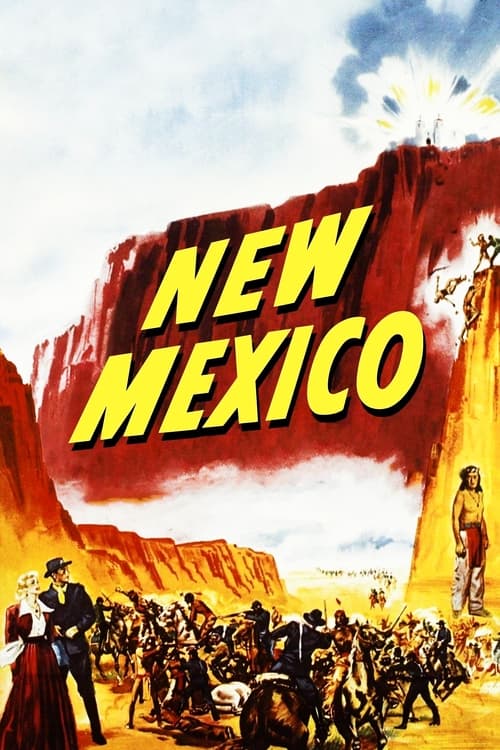
Captain Hunt of the cavalry is trying to promote good relations with the Indian chief Acoma. But Hunt's superiors in the military insist on pursuing policies that will provoke a conflict, and Chief Acoma is not willing to let himself be insulted.
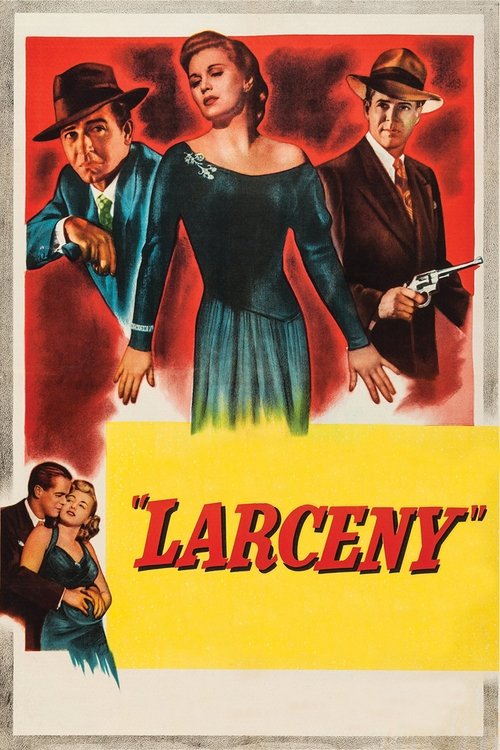
Rick Mason is the no-good lowdown rat who tries to capitalize on postwar patriotism and grief. He finagles a war widow into giving up her savings for a nonexistent memorial. When Mason falls in love with the widow he has pangs of conscience, but he reckons without his con-artist boss, who tends to bolster his arguments with muscle and bullets.
Epic history of industrial medicine in the first half of the 20th century, showing how manufacturers and the medical profession came to terms with one another and culminating in GM's rehabilitation program for returned World War II veterans.